








Tractor Front Axle Parts: Spindle, Bushing & King Pin
Front axle problems plague many tractors. Learn how to diagnose worn spindles, bushings, and king pins, and discover essential repair techniques for smooth steering and safe operation. Find parts for all major brands.
Introduction to Tractor Front Axle Maintenance
The front axle on your tractor is a critical component, responsible for steering, stability overall handling. Over time, the constant stress and wear can lead to problems with the spindle, bushings & king pin – key elements of the front axle assembly. Ignoring these issues can result in poor steering response, excessive tire wear even dangerous operating conditions. This guide will walk you through understanding these components, diagnosing common problems performing essential maintenance to keep your tractor running smoothly. Regular front axle maintenance complements other essential repairs such as ensuring your tractor PTO shaft is in optimal condition for powering implements.
Recommended Parts for This Guide
8 parts we recommend — in stock, ships fast, one-click add to cart.
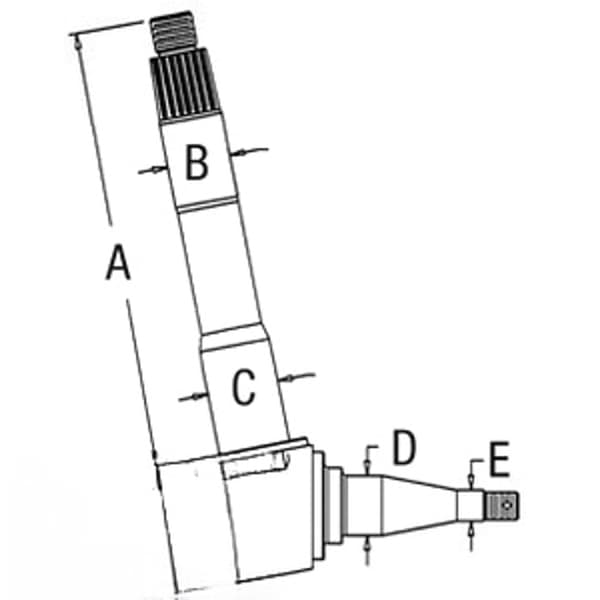
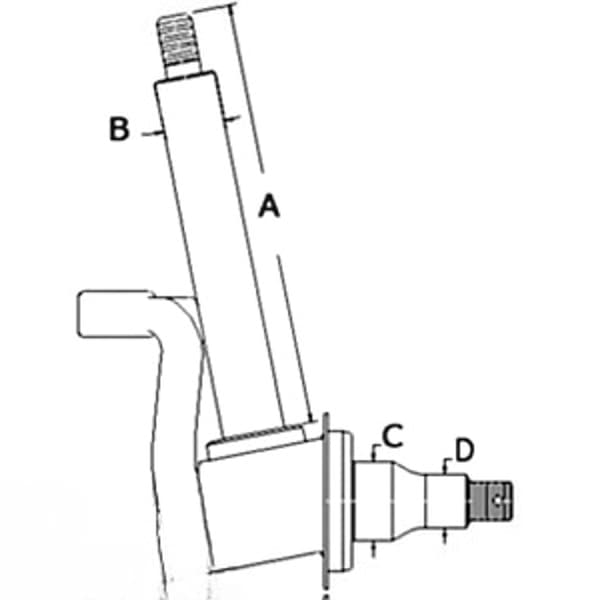
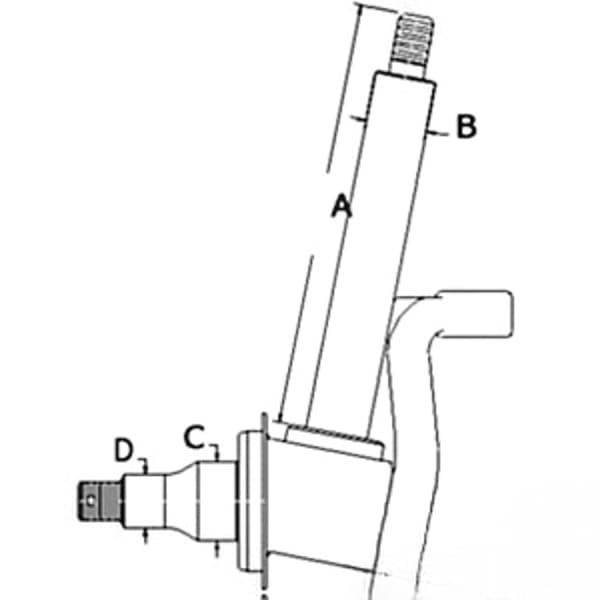
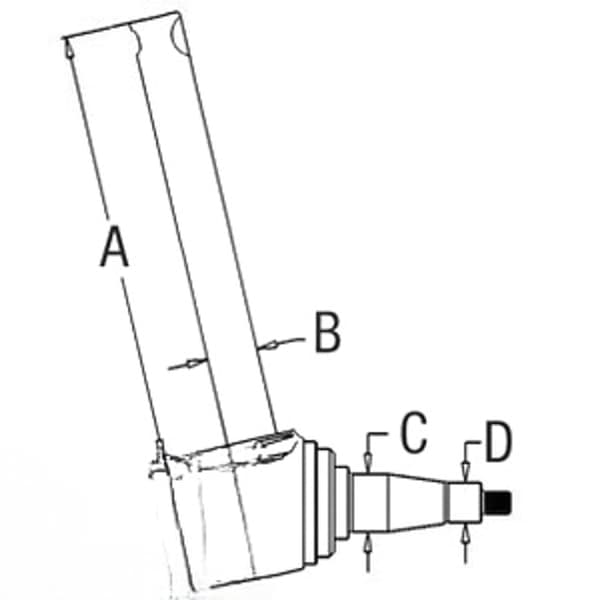
🔍 Looking for a specific part? Try our AI Part Finder — tell it your equipment and what you need, and it will find matching parts instantly.
Understanding Front Axle Components
Let's break down the key components
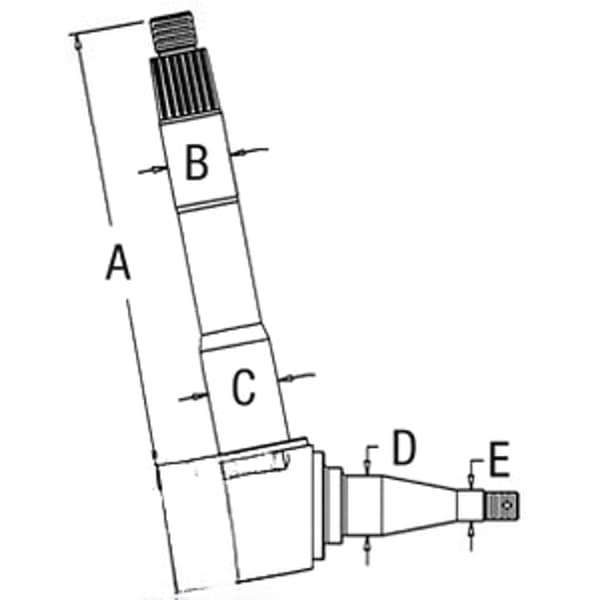
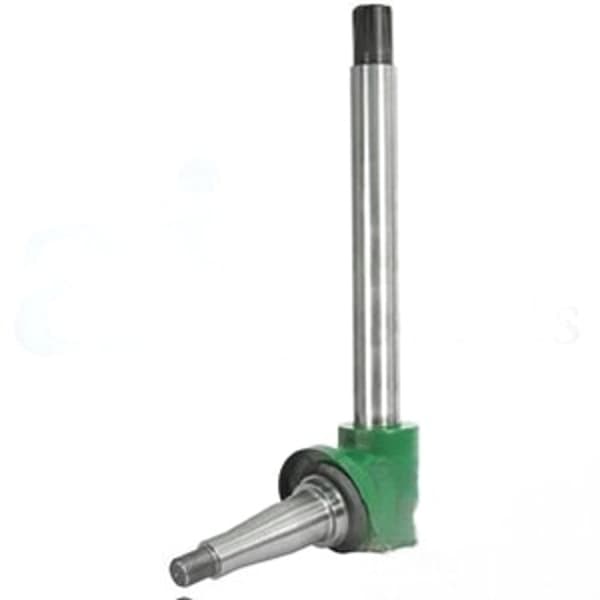
- Spindle The spindle is the rotating shaft that connects the wheel hub to the axle. It allows the wheel to turn freely for steering.
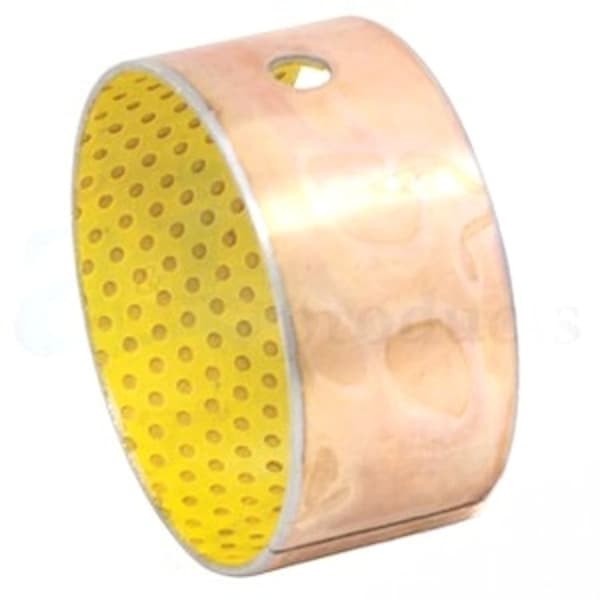
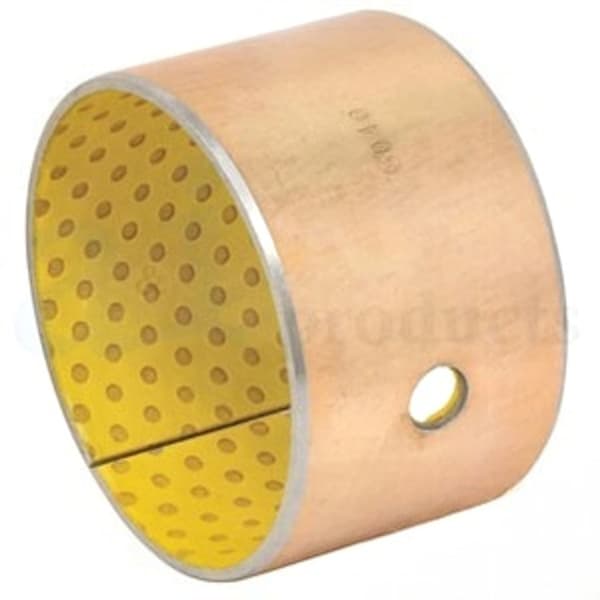
- bushings Bushings are typically made of bronze or a similar durable material and are inserted into the axle housing where the spindle rotates. They provide a low-friction surface for smooth steering and prevent metal-on-metal contact.
- King Pin The king pin (or sometimes called a steering knuckle pin) is a large pin that connects the steering knuckle (which holds the wheel hub and spindle) to the axle beam. It acts as a pivot point, allowing the wheels to turn.
These parts work together to provide precise and reliable steering. When any of these components (spindles, bushings, king pins) wear, it affects the entire system.
Common Signs of Front Axle Problems
Catching problems early can save you time and money. Here are some common symptoms of worn front axle components
- Excessive Play in Steering This is often the first sign. If you can move the steering wheel a significant amount before the wheels respond, it's a strong indicator of wear in the spindles, bushings, or king pins.
- Wandering or Unstable Steering The tractor may drift or wander while driving, requiring constant steering corrections.
- Uneven Tire Wear Worn front axle components can cause misalignment, leading to uneven wear patterns on your front tires.
- Squeaking or Groaning Sounds Noises from the front axle area while steering can indicate dry or worn bushings.
- Visible Wear or Damage Inspect the spindles, bushings & king pins for visible signs of wear, cracks, or damage.
If you notice any of these symptoms, it's time to inspect your front axle assembly.
Diagnosing Front Axle Wear
Here's a step-by-step guide to diagnosing front axle wear
- Visual Inspection Start by visually inspecting all components. Look for cracks, damage, or excessive rust. Pay close attention to the areas where the spindle rotates within the axle housing.
- Wheel Play Check With the tractor safely supported, grab the front wheel at the 3 and 9 o'clock positions and try to rock it back and forth. Note any movement or play. Repeat this at the 12 and 6 o'clock positions to check wheel bearing play. Significant play indicates worn spindles, bushings, king pins, or wheel bearings.
- King Pin Check Place a pry bar under the steering knuckle and lift upward. Observe the king pin area for any play or movement between the knuckle and the axle beam. Any noticeable movement indicates king pin wear.
- Grease Fitting Check Ensure all grease fittings are clean and functioning. Attempt to grease each fitting. If grease doesn't flow freely, the bushing may be clogged or worn.
Document your findings. This will help you order the correct tractor front axle parts and plan your repairs.
Front Axle Repair and Replacement
Once you've diagnosed the problem, you can proceed with repairs. Here's a general overview of the process
- Gather Tools and Parts You'll need tools like wrenches, sockets, a hammer, a punch, a grease gun potentially a bushing driver or press. Order the necessary replacement parts from Madison Tractor Company. We carry a wide selection of front axle parts for John Deere, Case IH, Ford/New Holland, Massey Ferguson, Kubota, Allis Chalmers, Deutz, International Harvester, Oliver, White, Gleaner, Vermeer, Hesston, Mahindra Zetor tractors. When ordering, be sure to have your tractor's model and serial number handy to ensure you get the correct parts. Check for any associated gaskets or seals you may need during reassembly. Also, consult your tractor's service manual for specific part numbers and torque specifications.
- Disassembly Safely support the tractor with jack stands. Remove the wheel. Disconnect any steering linkages or hydraulic lines connected to the axle. Carefully remove the spindle, bushings, or king pin, taking note of the orientation of each component.
- Cleaning and Inspection Clean all parts thoroughly. Inspect the axle housing and steering knuckle for any damage or wear. Replace any worn or damaged components.
- Bushing Replacement If replacing bushings, use a bushing driver or press to install the new bushings into the axle housing. Ensure the bushings are properly aligned and greased.
- King Pin Replacement To replace the king pin, you may need to heat the axle beam to expand the opening. Use a press or hammer and punch to drive out the old king pin and install the new one.
- Reassembly Reassemble the front axle, ensuring all components are properly aligned and torqued to the manufacturer's specifications. Use new cotter pins and locking hardware where necessary.
- Greasing Grease all fittings thoroughly after reassembly.
- Alignment After completing the repairs, it's essential to check and adjust the front wheel alignment to ensure proper steering and tire wear. Consult your service manual for the correct alignment specifications.
Safety Warning Always use proper safety precautions when working on heavy machinery. Support the tractor securely with jack stands before removing any components. Wear safety glasses and gloves. If you're not comfortable performing these repairs yourself, consult a qualified mechanic.
Specific Tractor Models and Considerations
Here are some considerations for specific tractor brands and models
- John Deere For older John Deere models like the 4020 or 3020, worn bushings and king pins are common. Be sure to use high-quality replacement parts and follow the torque specifications in the service manual. Part numbers like (spindle) and (bushing) may be helpful in your search. Consider replacing related components such as the John Deere tractor clutch kit at the same time if it's nearing its service life.
- Case IH/Farmall Case IH and Farmall tractors, such as the Farmall H or 8N, often experience wear in the spindle bushings. When replacing these bushings, ensure they are properly reamed to the correct size for smooth spindle rotation. Also, inspect the condition of your Case IH clutch kit.
- Ford/New Holland Ford tractors, including the 8N and later New Holland models, are prone to king pin wear. Pay close attention to the king pin diameter and ensure the replacement pin is the correct size. Consider replacing your Ford tractor clutch as a preventative measure if the tractor is split.
- Massey Ferguson Massey Ferguson models like the MF 35 often require bushing replacement due to their age and design. Ensure the bushings are properly lubricated after installation. It is good practice to check your Massey Ferguson clutch functionality while the tractor is accessible.
- Kubota Kubota tractors, especially the B and L series, often have grease fittings on the front axle components. Regular greasing is crucial to prevent premature wear. While performing maintenance, you might also consider checking the Kubota clutch kit.
Preventative Maintenance Tips
Preventing front axle problems is always better than fixing them. Here are some preventative maintenance tips
- Regular Greasing Grease all front axle fittings regularly, following the manufacturer's recommendations. Use a high-quality grease specifically designed for agricultural equipment.
- Inspect Regularly Periodically inspect the front axle components for wear or damage. Address any issues promptly.
- Avoid Overloading Avoid overloading the front axle by using appropriate implements and ballast.
- Proper Tire Inflation Maintain proper tire inflation to ensure even load distribution.
Other Essential Tractor Parts
While you're working on your tractor's front axle, it's a good time to inspect other critical components. Madison Tractor Company carries a wide range of parts, including radiators, water pumps, starters, alternators, hydraulic pumps, cylinders, PTO parts, fuel pumps, carburetors, injectors, filters, gaskets, pistons, bearings, sealsbelts to keep your tractor in top condition. Remember to consult articles discussing the tractor PTO clutch and throw out bearing for relevant insights.
Shop Tractor Front Axle Parts at Madison Tractor Company
At Madison Tractor Company, we understand the importance of keeping your equipment running smoothly. We offer a wide selection of high-quality tractor front axle parts, including spindles, bushings & king pins, for all major tractor brands. Our knowledgeable staff is ready to help you find the right parts for your specific needs. Browse our online catalog or contact us today to get your tractor back in top shape! You can also use our AI-Powered Part Finder to search for parts by your specific make and model.
Part of our comprehensive guide
Tractor Clutch Replacement Guide: Kits, Adjustment & Installation