








Tractor Clutch Slipping: Causes, Diagnosis & Fix
A slipping tractor clutch can significantly reduce your machine's power and efficiency. This guide from Madison Tractor Company covers common causes, diagnostic steps, and repair solutions to get you back in the field.
Understanding Tractor Clutch Slipping
A slipping clutch on your tractor means the engine's power isn't being fully transferred to the transmission and, ultimately, to the wheels or PTO. This results in reduced pulling power, difficulty climbing hills, and inefficient operation. It's a problem that can quickly escalate into a more serious and costly repair if left unaddressed. At Madison Tractor Company, we understand the importance of keeping your equipment running smoothly, and a properly functioning clutch is crucial for that. Whether you're working with a John Deere, Case IH, Ford, New Holland, Massey Ferguson, Kubota, or another brand, recognizing the signs of a slipping clutch is the first step toward resolving the issue.
Recommended Parts for This Guide
10 parts we recommend — in stock, ships fast, one-click add to cart.
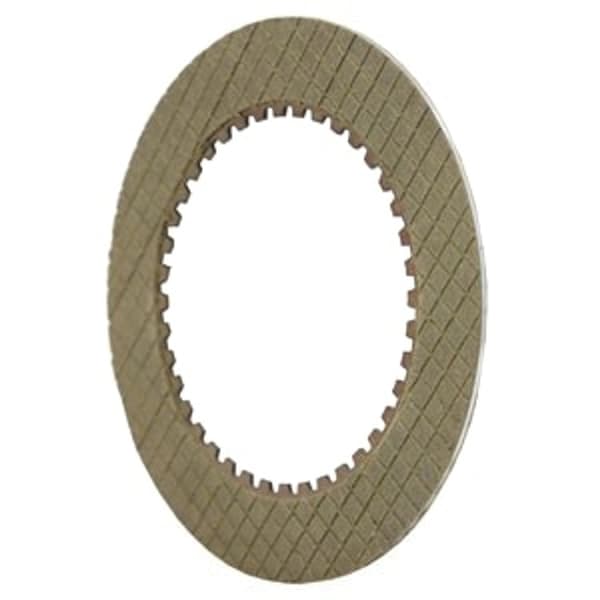
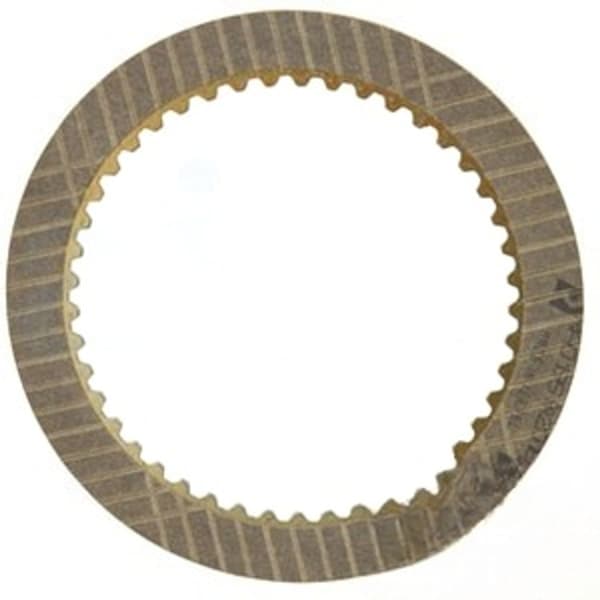
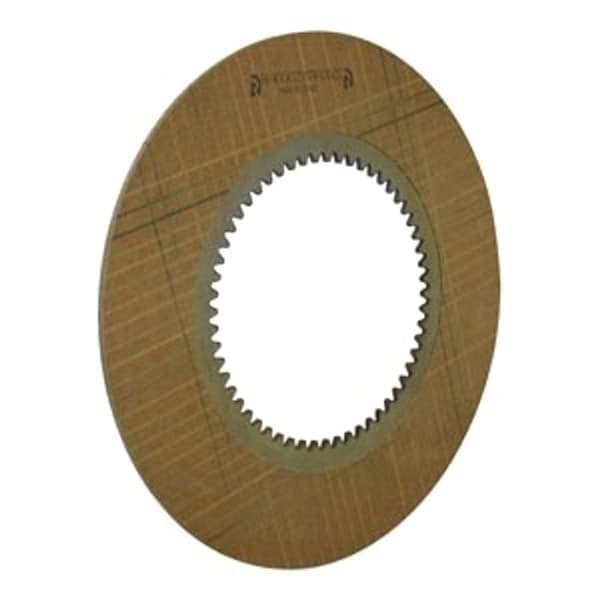
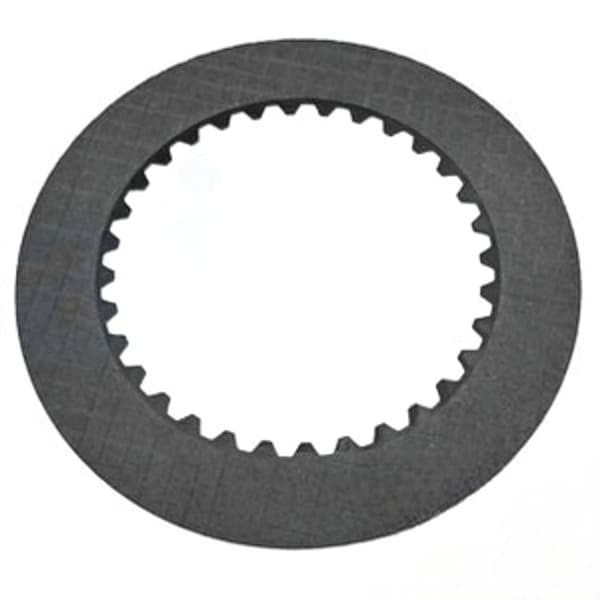
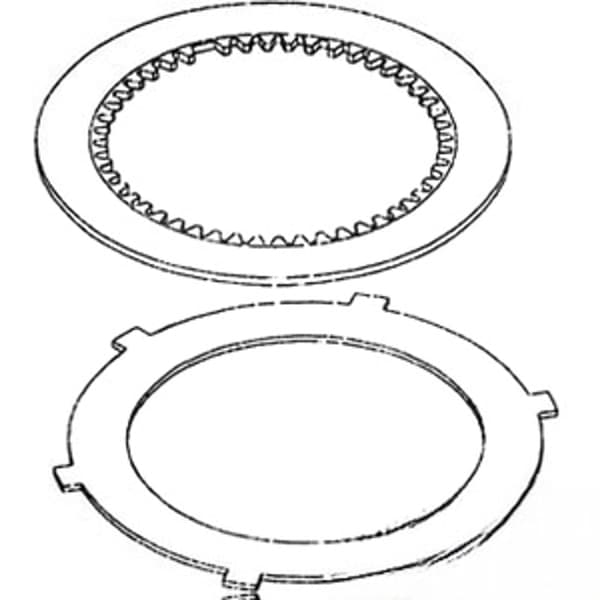
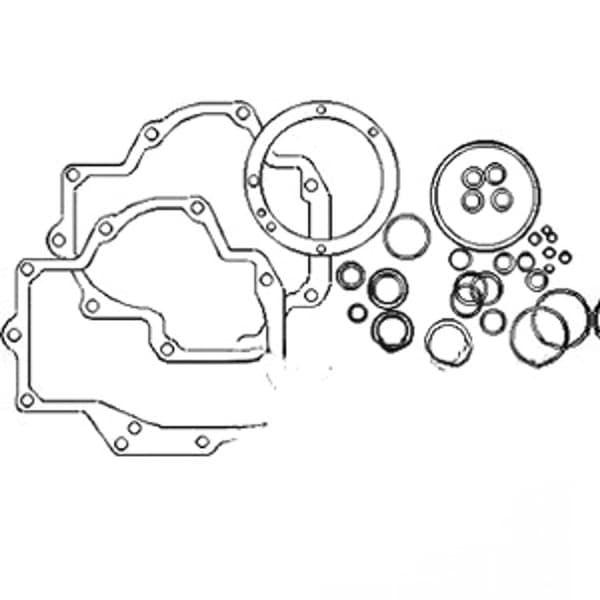
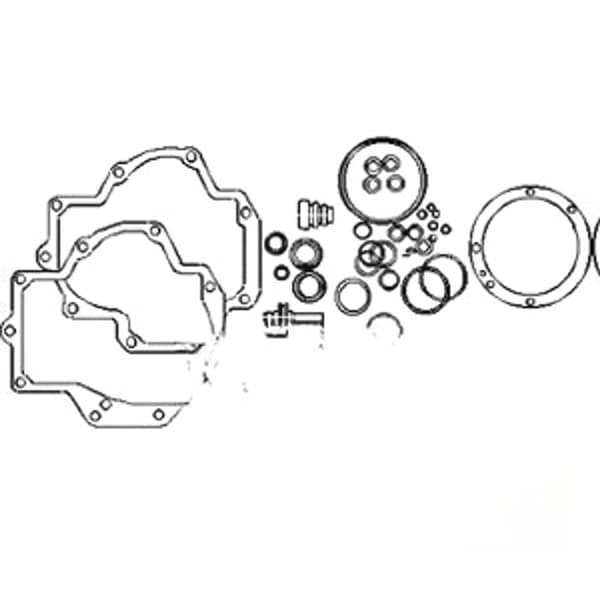
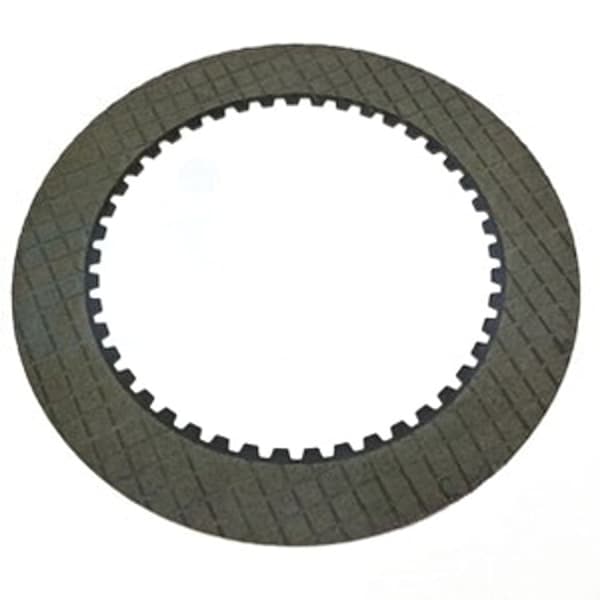
🔍 Looking for a specific part? Try our AI Part Finder — tell it your equipment and what you need, and it will find matching parts instantly.
Common Causes of Tractor Clutch Slipping
Several factors can contribute to a slipping clutch. Identifying the root cause is essential for an effective repair. Here are some of the most common culprits:
- Worn Clutch Disc: Over time, the friction material on the clutch disc wears down, reducing its ability to grip the flywheel and pressure plate. This is a common issue, especially in older tractors or those with high operating hours. Check out our selection of clutch discs, including driven discs and inner clutch discs, to find the right replacement.
- Oil Contamination: Oil or grease on the clutch disc significantly reduces its friction coefficient. This can happen due to leaking engine rear main seals, transmission input shaft seals, or improper lubrication practices.
- Worn or Damaged Pressure Plate: The pressure plate applies force to the clutch disc, holding it against the flywheel. A worn or damaged pressure plate can't provide sufficient clamping force, leading to slippage. Look for signs of heat damage or cracks.
- Incorrect Clutch Linkage Adjustment: If the clutch linkage isn't properly adjusted, it may not fully engage the clutch, even when the pedal is released. This is a frequent cause, especially after clutch replacement or linkage maintenance.
- Weak or Broken Clutch Springs: The springs in the pressure plate maintain clamping force. Weak or broken springs reduce this force, causing the clutch to slip.
- Flywheel Issues: A glazed, warped, or damaged flywheel surface can also contribute to clutch slippage. The flywheel should be resurfaced when replacing the clutch.
Diagnosing Tractor Clutch Slipping
Before tearing into your tractor, perform these diagnostic steps to confirm clutch slippage and identify potential causes:
- The Stall Test: With the tractor in a high gear (e.g., 4th or 5th) and the parking brake firmly engaged, slowly release the clutch pedal while applying the brakes. A healthy clutch should stall the engine quickly. If the engine continues to run or stalls slowly while the clutch slips, it indicates a problem.
- The Visual Inspection: Check for any signs of oil leaks around the engine rear main seal or transmission input shaft seal. Oil contamination is a common cause of slipping.
- Clutch Pedal Free Play: Verify that the clutch pedal has the correct amount of free play, as specified in your tractor's service manual. Too little free play can prevent full clutch engagement. Too much free play can prevent full clutch disengagement. For example, a John Deere 4020 might require 1-1.5 inches of free play.
- Smell Test: A distinct burning smell, similar to burning rubber, is a telltale sign of a slipping clutch. This smell indicates that the clutch disc is overheating due to excessive friction.
- Check for Clutch Linkage Issues: Inspect the clutch linkage for wear, damage, or misalignment. Ensure that all pivot points are properly lubricated. A binding linkage can prevent full clutch engagement.
Repairing a Slipping Tractor Clutch
Once you've confirmed that your clutch is slipping, the next step is to repair or replace the faulty components. Here's a general overview of the repair process:
- Gather Parts and Tools: Before starting, gather all the necessary parts, tools, and supplies. This includes a new clutch kit (disc, pressure plate, throw out bearing), flywheel resurfacing equipment (or access to a machine shop), torque wrench, and any specialized tools required for your specific tractor model. For example, you may need a special alignment tool for installing a new clutch disc. We offer a wide variety of John Deere tractor clutch kits, Ford tractor clutch kits, and kits for other major brands. Don't forget to check the tractor throw out bearing (release bearing, often included in clutch kits) while you have it apart.
- Disassembly: Separate the tractor at the clutch housing. This usually involves disconnecting the transmission from the engine. Refer to your tractor's service manual for specific disassembly instructions. Be extremely careful when separating the tractor halves, as they can be quite heavy.
- Inspection: Thoroughly inspect all clutch components for wear, damage, or contamination. Pay close attention to the clutch disc, pressure plate, flywheel, and throw out bearing. Check the pilot bearing or bushing in the end of the crankshaft, replacing it if necessary.
- Flywheel Resurfacing: Have the flywheel resurfaced by a qualified machine shop to provide a smooth, flat surface for the new clutch disc. Skipping this step can significantly reduce the lifespan of your new clutch.
- Component Replacement: Replace the clutch disc, pressure plate, and throw out bearing with new components from your clutch kit. Ensure that the clutch disc is properly aligned using a clutch alignment tool. For Massey Ferguson tractors, you might be looking at a Massey Ferguson clutch kit specific to models 35 to 399.
- Assembly: Reassemble the tractor, carefully aligning the engine and transmission. Torque all bolts to the specifications listed in your tractor's service manual. Improper torque can damage the clutch or cause premature failure.
- Adjustment: Adjust the clutch linkage according to the manufacturer's instructions. Proper adjustment is crucial for optimal clutch performance and longevity. Refer to your manual for the specific adjustment procedure and measurements.
Safety Warning: Working on heavy machinery can be dangerous. Always disconnect the battery and use proper lifting equipment when separating the tractor halves. Wear appropriate safety gear, including eye protection and gloves.
Addressing Oil Contamination
If oil contamination was the cause of your slipping clutch, you'll need to address the source of the leak before installing the new clutch. Replace any leaking seals, such as the engine rear main seal or the transmission input shaft seal. Clean the clutch housing thoroughly to remove any residual oil or grease. For instance, if you find oil leaking from the engine rear main seal on a Case IH Farmall, replacing that seal is critical before installing your new Case IH clutch kit. Neglecting this step will likely result in a repeat failure of the new clutch.
Dual-Stage Clutch Considerations
Many tractors, particularly older models, utilize a dual-stage clutch system. This allows independent operation of the transmission and the PTO. If your tractor has a dual-stage clutch, be sure to inspect and adjust both stages according to the manufacturer's specifications. Issues with the tractor PTO clutch pack can also manifest as slippage or PTO engagement problems. You might specifically need a PTO clutch disc kit or friction discs. For Ford tractors with dual stage clutches, the correct Ford tractor clutch kit is essential.
Beyond the Clutch: Other Considerations
While you're working on the clutch, it's a good time to inspect other related components. Check the condition of the tractor PTO shaft, bearings, and seals. Examine the hydraulic pump and hydraulic cylinders for any signs of leaks or wear. Replacing worn components now can save you time and money in the long run.
Preventing Future Clutch Slipping
Once you've repaired your slipping clutch, take steps to prevent future problems:
- Proper Lubrication: Follow the manufacturer's recommended lubrication schedule and use the correct type of oil and grease.
- Avoid Overloading: Don't exceed your tractor's rated capacity. Overloading puts excessive strain on the clutch.
- Smooth Clutch Engagement: Avoid abrupt clutch engagements, especially when starting from a standstill or shifting gears.
- Regular Maintenance: Perform regular clutch linkage adjustments to maintain proper free play.
- Prompt Leak Repair: Address any oil or fluid leaks promptly to prevent contamination of the clutch disc.
Shop Tractor Clutch Parts at Madison Tractor Company
At Madison Tractor Company, we carry a wide selection of clutch kits, discs, pressure plates, throw out bearings, and other clutch-related parts for all major tractor brands, including John Deere, Case IH, Ford, New Holland, Massey Ferguson, Kubota, Allis Chalmers, Deutz, International Harvester, Oliver, White, Gleaner, Vermeer, Hesston, Mahindra, and Zetor. We also stock friction discs and PTO clutch disc kits, alongside a comprehensive inventory of other tractor parts, including radiators, water pumps, starters, alternators, fuel pumps, carburetors, injectors, filters, gaskets, pistons, bearings, seals, belts, chains, concaves, and sickle sections. Browse our online catalog or contact our knowledgeable sales team for assistance in finding the right parts for your tractor. We're committed to providing high-quality parts at competitive prices, backed by exceptional customer service. You can also use our AI-Powered Part Finder to search for parts by your specific make and model.
Part of our comprehensive guide
Tractor Clutch Replacement Guide: Kits, Adjustment & Installation