








Tractor PTO Adapter: 540 to 1000 RPM Conversion
Need to run a 1000 RPM implement on a 540 RPM tractor? A PTO adapter might seem like the quick fix, but it's crucial to understand their limitations and safety considerations. This guide explains how PTO adapters work, when to use them, and the potential risks involved.
Understanding Tractor PTO Adapters: 540 to 1000 RPM Conversion
The Power Take-Off (PTO) on your tractor is a vital component, transferring engine power to implements like mowers, balers, and tillers. Standard PTO speeds are 540 RPM and 1000 RPM, measured at the PTO shaft. While some newer tractors offer both speeds directly, older models, or those with a single PTO shaft, may require an adapter to run implements designed for a different RPM. This article will guide you through the use of tractor PTO adapters, focusing on converting from 540 to 1000 RPM, while emphasizing safety and proper application.
Recommended Parts for This Guide
10 parts we recommend — in stock, ships fast, one-click add to cart.
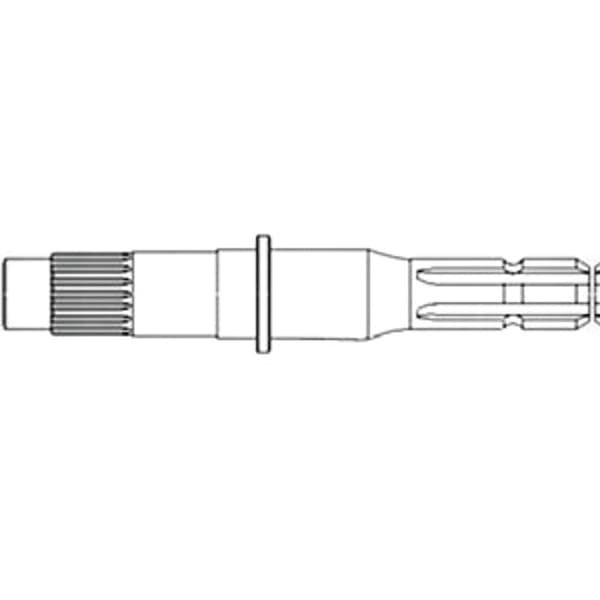
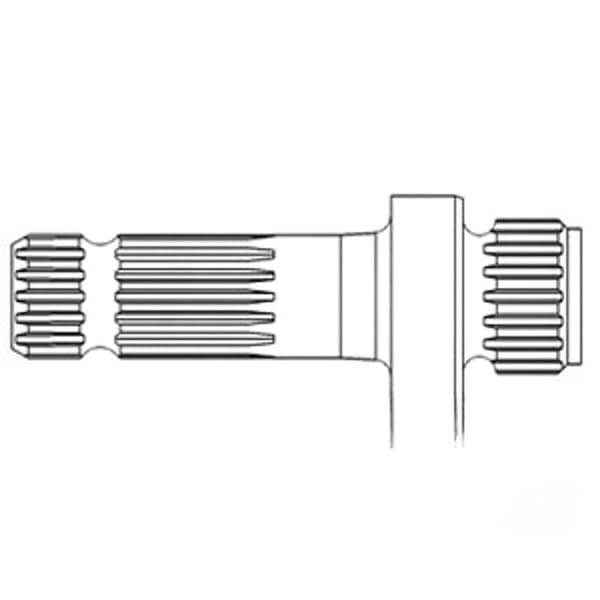
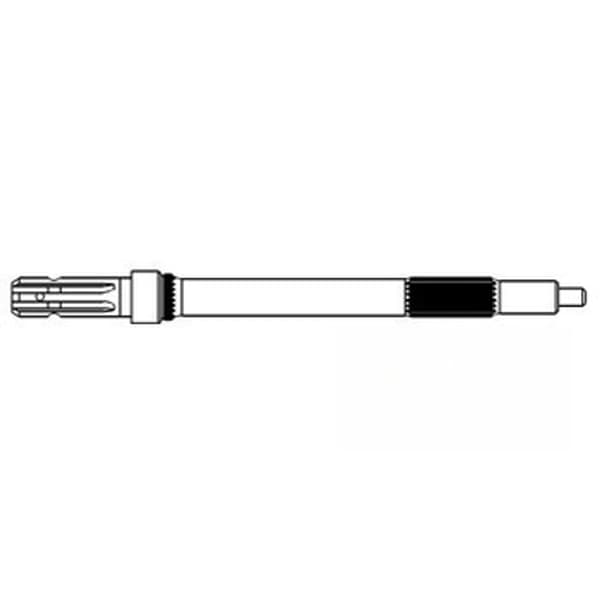
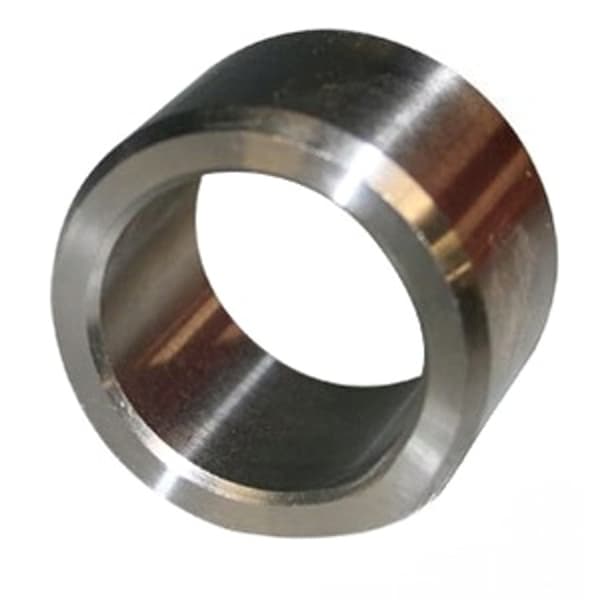
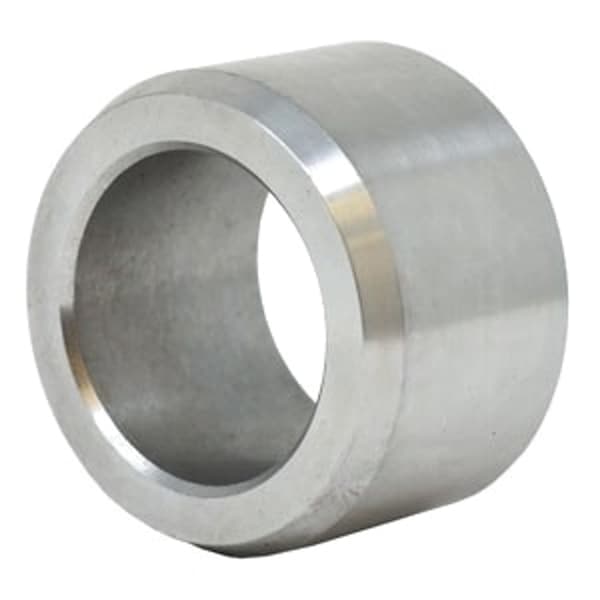
🔍 Looking for a specific part? Try our AI Part Finder — tell it your equipment and what you need, and it will find matching parts instantly.
Madison Tractor Company carries a wide selection of tractor parts, including PTO shafts, bearings, seals, and more for all major brands like John Deere, Case IH, Ford, New Holland, Massey Ferguson, Kubota, Allis Chalmers, Deutz, International Harvester, Oliver, White, Gleaner, Vermeer, Hesston, Mahindra, and Zetor. We also stock a comprehensive range of clutch kits, radiators, water pumps, starters, alternators, and hydraulic components to keep your equipment running smoothly.
How PTO Adapters Work
A tractor pto adapter essentially changes the rotational speed of the PTO shaft. A 540 to 1000 RPM adapter increases the speed, while a 1000 to 540 RPM adapter decreases it. They achieve this through internal gearing. However, it's crucial to understand that adapters *do not* increase the horsepower available. They only change the rotational speed. Using an adapter can introduce additional stress and potential failure points, so careful consideration is required before use. This also includes adapters that change shaft size, like those converting 1-1/8" to 1-3/8" spline shafts.
When to Use a 540 to 1000 RPM PTO Adapter
The primary reason to use a 540 to 1000 RPM adapter is to operate a 1000 RPM implement on a tractor with only a 540 RPM PTO. This is common with older tractors or when using implements designed for larger machines on smaller ones. For example, you might want to use a newer, high-capacity baler (designed for 1000 RPM) with an older Ford tractor that only has a 540 RPM PTO. However, this is where careful evaluation of horsepower requirements becomes critical. A 1000 RPM baler generally requires significant horsepower. Using a PTO adapter on a smaller tractor might not provide enough power to properly operate the implement, leading to poor performance, damage, or even dangerous situations.
Important Considerations and Limitations
- Horsepower Matching: The most crucial factor is ensuring your tractor has sufficient horsepower to operate the implement at the desired RPM. An adapter *does not* increase horsepower. Attempting to run a high-horsepower 1000 RPM implement on a low-horsepower 540 RPM tractor, even with an adapter, will overload the tractor and potentially damage the PTO system, implement, or both.
- Implement Compatibility: Not all implements are suitable for use with adapters. Some implements require a specific PTO shaft size or spline count. Ensure the adapter is compatible with both the tractor PTO and the implement PTO shaft.
- Adapter Quality: Invest in a high-quality adapter from a reputable manufacturer. Cheap adapters are prone to failure, which can lead to dangerous situations.
- Operating Speed: Even with an adapter, do not exceed the implement's maximum RPM rating. Over-speeding an implement can cause catastrophic failure.
- Torque Capacity: Be aware of the torque limitations of both the adapter and the tractor's PTO system. Exceeding these limits can result in damage. Refer to your tractor's operator manual for PTO horsepower and torque specifications.
For example, a John Deere 4020 with a 540 RPM PTO might be tempting to use with a 1000 RPM rotary cutter via an adapter. However, the 4020's PTO horsepower should be carefully compared to the rotary cutter's horsepower requirements. If the cutter requires significantly more power than the 4020 can provide, using the adapter could lead to damage or unsafe operation. The same applies to Case IH, Massey Ferguson, or Kubota tractors.
Safety Precautions When Using a PTO Adapter
Safety is paramount when working with PTO systems. Always follow these precautions:
- Read the Manuals: Thoroughly read and understand the operator's manuals for both your tractor and the implement before using a PTO adapter.
- Shielding: Ensure all PTO shafts, adapters, and implement drivelines are properly shielded. Damaged or missing shields are a serious safety hazard. Replace any missing or damaged shields immediately.
- Clothing: Avoid loose clothing, jewelry, and long hair when working around PTOs. These can easily become entangled in rotating parts.
- Disengagement: Always disengage the PTO and shut off the tractor engine before making any adjustments, connections, or disconnections to the PTO shaft or implement.
- Never Step Over a Rotating PTO Shaft: This is a leading cause of PTO-related accidents.
- Secure the Adapter: Ensure the adapter is securely attached to both the tractor pto shaft and the implement driveline. Use appropriate locking pins or mechanisms.
- Inspect Regularly: Regularly inspect the adapter, PTO shaft, and implement driveline for wear, damage, or loose connections.
- Consider a PTO Overrunning Clutch: For implements with high inertia (like rotary cutters), a PTO overrunning clutch can prevent damage to the tractor's driveline when the implement slows down faster than the tractor's engine.
Installation and Removal of a PTO Adapter
While the specific procedure may vary slightly depending on the adapter model and the tractor, here are general steps:
- Preparation: Ensure the tractor engine is off and the PTO is disengaged. Wear appropriate safety glasses and gloves.
- Cleanliness: Clean the PTO shaft on both the tractor and the implement driveline. Remove any dirt, debris, or rust.
- Attachment: Slide the adapter onto the tractor pto shaft. Ensure it is fully seated and the locking mechanism (usually a pin or collar) is engaged.
- Implement Connection: Connect the implement driveline to the adapter. Again, ensure it is fully seated and the locking mechanism is engaged.
- Verification: Double-check all connections and locking mechanisms before starting the tractor.
- Removal: Reverse the process to remove the adapter. Always disengage the PTO and shut off the tractor engine before disconnecting anything.
Alternative Solutions: The Preferred Method
While PTO adapters offer a temporary solution, the *ideal* scenario is to have a tractor equipped with the correct PTO speed for your implements. Consider these alternatives:
- Purchase a Tractor with Dual PTO Speeds: Many modern tractors offer both 540 and 1000 RPM PTO options, eliminating the need for adapters.
- Implement Swapping: If feasible, consider swapping implements to match your tractor's PTO speed.
Keep in mind that components like John Deere tractor clutch kits, Ford tractor clutch, Case IH clutch kit, Massey Ferguson clutch, and Kubota clutch kits are designed to transmit specific levels of torque. Using a PTO adapter to drastically change operating speeds and loads can put undue stress on these components, potentially shortening their lifespan. Ensure your tractor throw out bearing and tractor PTO clutch are in good working condition.
And don't forget to maintain all other tractor components! We stock essential parts like radiators, water pumps, starters, alternators, hydraulic pumps, cylinders, fuel pumps, carburetors, injectors, filters, gaskets, pistons, bearings, seals, belts, and chains to keep your equipment performing at its best.
Conclusion
Tractor PTO adapters can be a convenient solution for running implements with mismatched PTO speeds. However, they should be used with caution and only after carefully considering the horsepower requirements, implement compatibility, and safety implications. Always prioritize safety and ensure your tractor and implement are properly maintained.
Shop Tractor Parts at Madison Tractor Company
Madison Tractor Company is your trusted source for high-quality tractor parts and accessories. We offer a wide selection of parts for all major brands, including John Deere, Case IH, Ford, New Holland, Massey Ferguson, Kubota, and more. Browse our online catalog or contact our experienced team for assistance in finding the right parts for your needs. Keep your equipment running smoothly with Madison Tractor Company! You can also use our AI-Powered Part Finder to search for parts by your specific make and model.
Part of our comprehensive guide
Tractor Clutch Replacement Guide: Kits, Adjustment & Installation