








Tractor Wheel Hub & Bearing: Front & Rear Assembly
Understanding your tractor's wheel hubs and bearings is crucial for safe and efficient operation. This guide covers front and rear wheel hub assemblies, maintenance tips, troubleshooting common issues, and when to consider replacement.
Your tractor's wheel hubs and bearings are critical components that enable smooth and controlled movement. Whether you're operating a compact utility tractor or a large agricultural machine, properly maintained wheel hubs and bearings are essential for safety, efficiency, and minimizing downtime. This guide will walk you through the basics of front and rear tractor Wheel Hub assemblies, covering maintenance, troubleshooting, and replacement. We'll touch on common brands like John Deere, Case IH, Ford, and others, ensuring you have the information you need to keep your tractor rolling.
Recommended Parts for This Guide
8 parts we recommend — in stock, ships fast, one-click add to cart.
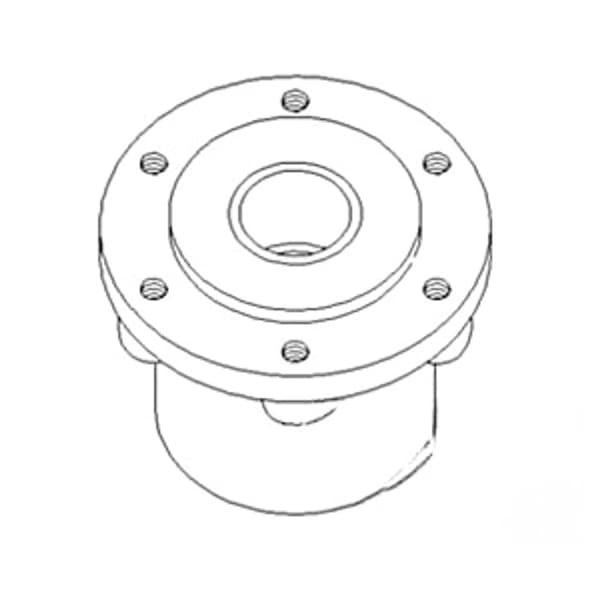
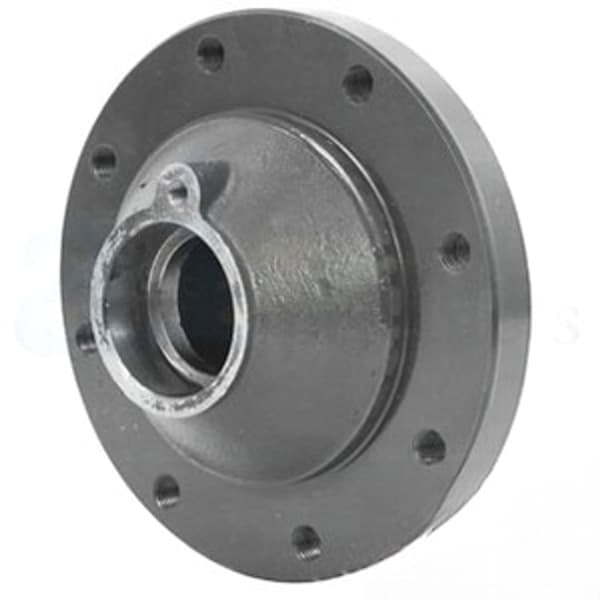
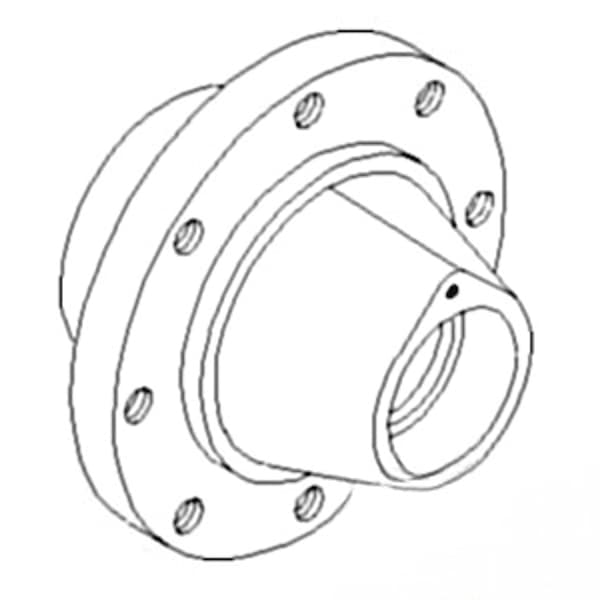
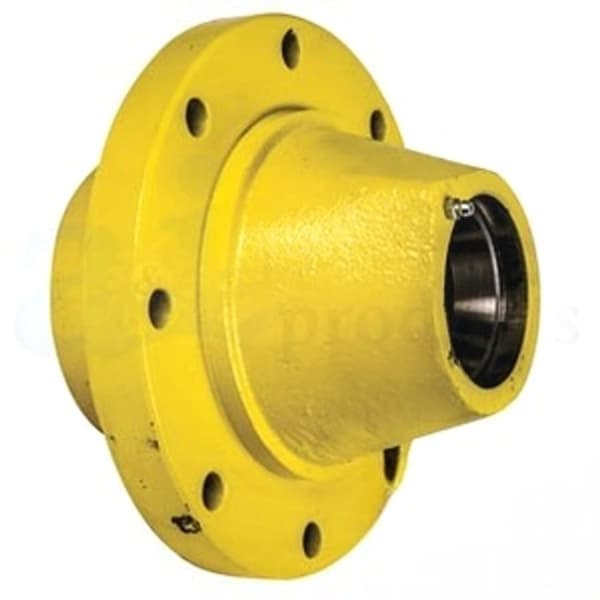
🔍 Looking for a specific part? Try our AI Part Finder — tell it your equipment and what you need, and it will find matching parts instantly.
Understanding Tractor Wheel Hub Assemblies
A tractor wheel hub assembly is the central component that connects the wheel to the axle. It consists of several key parts:
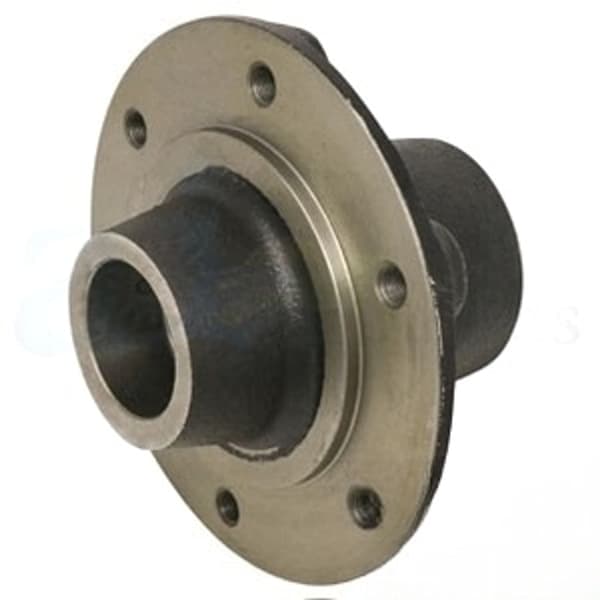
- Wheel Hub: The main body that the wheel bolts to.
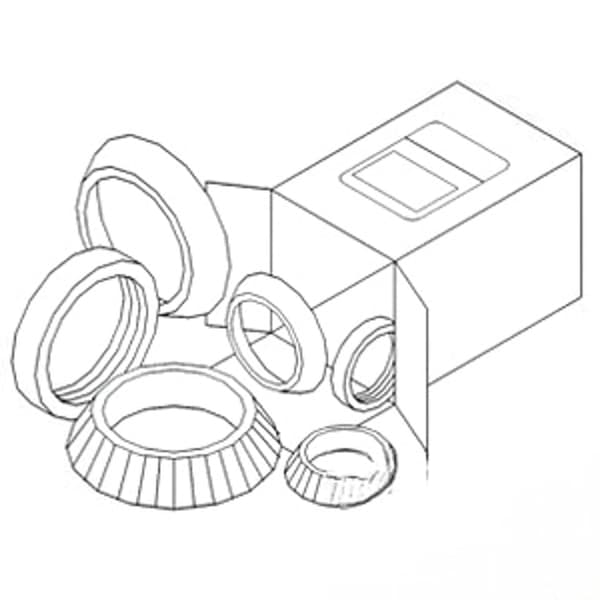
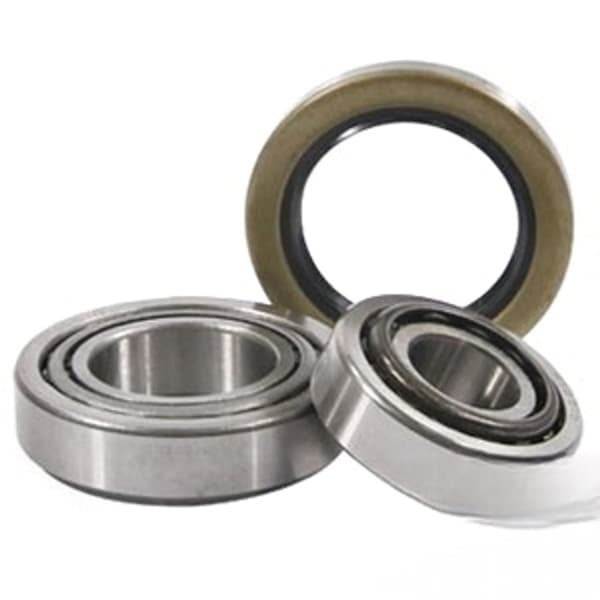
- Wheel Bearings: These allow the wheel to rotate smoothly around the axle. For example, the 81803413 MFWD Wheel Hub Inner Bearing Cone is a type of tapered roller bearing.
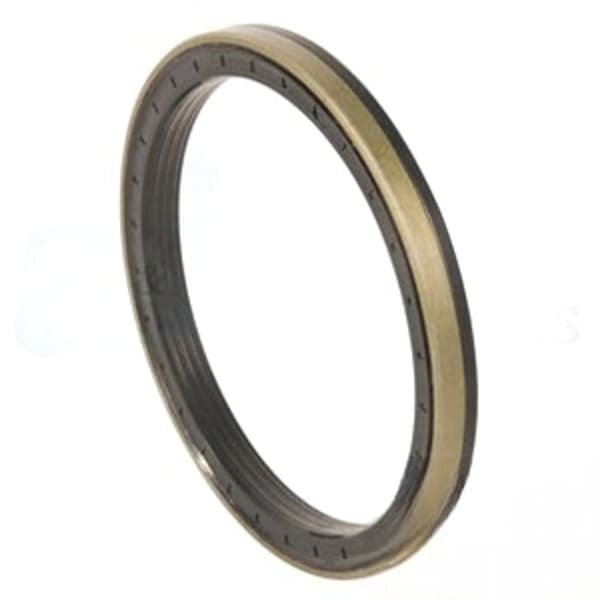
- Wheel Seals: These prevent dirt, water, and other contaminants from entering the bearing, and keep grease inside.
- Spindle/Axle Stub: The shaft on which the hub rotates (more common on front wheel hubs, with rear hubs often directly mounted on the axle).
- Hub Cap/Dust Shield: Protects the outer bearing from debris.
- Fasteners: Bolts or studs that secure the wheel to the hub.
The design of the wheel hub assembly can vary depending on whether it is a front or rear wheel, and the specific model of tractor. For example, a heavy-duty 4WD tractor will typically have larger, more robust hubs and bearings than a smaller 2WD model.
Front Wheel Hub Assemblies
Front wheel hubs are typically found on tractors with front-wheel assist (FWA) or mechanical front-wheel drive (MFWD). They are more complex than rear hubs due to the steering mechanism. Key differences include:
- Steering Knuckle: Allows the wheel to pivot for steering.
- Kingpin: The pivot point for the steering knuckle.
- Drive Axle Connection: On FWA/MFWD tractors, the front hubs are connected to the drive axle through a series of gears and universal joints.
Maintenance Tips for Front Wheel Hubs:
- Regular Grease Intervals: Keep the wheel bearings well-greased according to your tractor's operator manual. Use a high-quality grease designed for agricultural equipment. Look for Zerk fittings (grease nipples) on the hub and steering knuckle.
- Inspect Seals: Regularly check the wheel seals for leaks. Replace damaged seals immediately to prevent bearing failure.
- Check for Play: Lift the front wheel off the ground and try to rock it back and forth. Excessive play indicates worn bearings or loose components.
- Torque Specifications: Ensure that all bolts and nuts are tightened to the correct torque specifications. Refer to your tractor's service manual for the proper torque values.
For instance, a John Deere tractor model 4020 might have a front wheel hub with tapered roller bearings requiring grease every 50 hours of operation. Refer to the John Deere parts catalog and service manual for specific grease types and torque values for the axle and bearing bolts.
Rear Wheel Hub Assemblies
Rear wheel hubs are simpler in design compared to front hubs, especially on 2WD tractors. They are typically directly mounted to the axle. Common features include:
- Larger Bearings: Rear wheel bearings are generally larger and more robust to handle the increased load.
- Axle Shaft Connection: The hub is directly connected to the axle shaft, often through splines.
- Brake System Integration: Rear wheel hubs often incorporate the brake system components.
Maintenance Tips for Rear Wheel Hubs:
- Check Axle Nut Torque: The axle nut is critical for maintaining proper bearing preload. Periodically check the torque of the axle nut and adjust if necessary. Loose axle nuts can cause premature bearing failure.
- Monitor for Leaks: Inspect the axle seals for leaks. Leaks indicate a potential problem with the seal or the axle itself. Replace leaking seals promptly.
- Inspect for Damage: Look for any signs of damage to the hub, such as cracks or dents. Damaged hubs should be replaced.
- Fluid Levels: Some rear axles are oil-filled, lubricating the bearings. Check the fluid level and condition regularly. Consult your tractor's service manual for the correct type and amount of oil.
For example, a Ford tractor 8N uses a rear axle design that benefits from regular checking of the axle nut torque. A loose nut can quickly destroy the bearings and damage the axle itself. Refer to your Ford tractor's service manual for the proper torque specifications, often around 300-400 ft-lbs.
Common Problems and Troubleshooting
Several issues can arise with tractor wheel hubs and bearings. Recognizing these problems early can prevent costly repairs.
- Worn Bearings: Symptoms include excessive wheel play, noise (grinding or rumbling), and heat. Worn bearings should be replaced immediately. You might find yourself needing a new bearing for a Case IH Tractor such as a Farmall 806.
- Damaged Seals: Leaking seals allow contaminants to enter the bearing, leading to premature failure. Replacing the seal is crucial.
- Loose Axle Nut: A loose axle nut can cause excessive wheel play and bearing damage. Tighten the nut to the correct torque specification.
- Bent Spindle/Axle: A bent spindle or axle can cause uneven wear on the bearings and tires. Straightening or replacing the damaged component is necessary.
- Corrosion: Rust and corrosion can damage the hub and bearings. Regularly clean and inspect the hubs to prevent corrosion.
- Incorrect Bearing Preload: Too much or too little bearing preload can cause premature failure. Follow the manufacturer's instructions for setting the correct preload.
Troubleshooting Steps:
- Visual Inspection: Look for leaks, cracks, and other signs of damage.
- Wheel Play Check: Lift the wheel off the ground and check for excessive play.
- Noise Check: Listen for unusual noises while the wheel is rotating.
- Temperature Check: Feel the hub for excessive heat after operation.
Replacement and Repair
When a wheel hub or bearing fails, replacement or repair is necessary. The decision depends on the severity of the damage and the cost of parts and labor.
When to Replace:
- Severely worn or damaged bearings
- Cracked or damaged hub
- Bent spindle or axle
When to Repair:
- Minor seal leaks
- Loose fasteners
Replacement Steps (General Guide - Consult Your Service Manual):
- Safely lift and support the tractor. Use jack stands to secure the tractor.
- Remove the wheel.
- Remove the hub assembly. This may involve removing bolts, nuts, and other fasteners. Be sure to consult your tractor's service manual for specific instructions.
- Inspect the spindle/axle. Check for damage and wear.
- Install the new hub assembly. Follow the manufacturer's instructions for installation and torque specifications.
- Install the wheel.
- Lower the tractor.
- Test the wheel. Check for proper operation and adjust as necessary.
Safety Warning: Always disconnect the battery before working on the electrical system. Wear appropriate personal protective equipment (PPE), such as gloves and safety glasses. If you are not comfortable performing the repair yourself, consult a qualified mechanic.
Consider replacing other components during a hub or bearing repair, such as belts, seals, gaskets, filters and other worn parts. Checking other tractor PTO shaft components and the tractor PTO clutch wouldn't be a bad idea while you're working in that general area.
Madison Tractor Company carries a wide selection of parts for various tractor brands, including John Deere, Case IH, Ford, New Holland, Massey Ferguson, Kubota, Allis Chalmers, Deutz, International Harvester, Oliver, White, Gleaner, Vermeer, Hesston, Mahindra, and Zetor. We also stock a variety of radiators, water pumps, starters, alternators, hydraulic pumps, clutch kits, fuel pumps, and more.
Specific Brands and Models
Here's a brief overview of common wheel hub considerations for various tractor brands:
- John Deere: Known for robust designs, but proper greasing of the front axle on MFWD models is crucial. Check for updated bearing part numbers, such as the 81803413 MFWD Wheel Hub Inner Bearing, as Deere often improves designs over time.
- Case IH/Farmall: Older Farmall models may use different bearing designs than newer Case IH tractors. Ensure you have the correct part number for your specific tractor. We stock Case IH clutch kit options as well.
- Ford/New Holland: Many older Ford tractors have simple, durable wheel hub designs. However, seals are prone to leaking, so regular inspection is vital.
- Massey Ferguson: Massey Ferguson tractors often use metric bearings and seals, so be sure to source the correct parts.
- Kubota: Kubota compact tractors typically have smaller, more compact wheel hubs. Proper maintenance and greasing are essential to prevent wear.
Conclusion
Maintaining your tractor's wheel hubs and bearings is crucial for safe and efficient operation. By following the maintenance tips and troubleshooting guidelines in this guide, you can extend the life of your wheel hubs and bearings and prevent costly repairs. Always consult your tractor's service manual for specific instructions and torque specifications. Remember that proper lubrication, regular inspections, and timely repairs are key to keeping your tractor rolling smoothly.
Related to the clutch and drivetrain, consider reading our articles about John Deere tractor clutch kits, Ford tractor clutch kits, Case IH clutch kits, Massey Ferguson clutch kits, Kubota tractor clutch kits, and tractor throw out bearings.
Ready to find the right parts for your tractor? Shop Madison Tractor today for a wide selection of high-quality wheel hubs, wheel bearing kits, individual bearings, seals, and other tractor parts. We're here to help you keep your equipment running smoothly!
🔍 Can't Find Your Part?
Use our AI-Powered Part Finder to search by your equipment's make, model, and what you need. It's the fastest way to find the exact part for your machine.
Try the Part Finder →Part of our comprehensive guide
Tractor Clutch Replacement Guide: Kits, Adjustment & Installation