








Tractor Transmission Rebuild: Gears, Synchros & Bearings
Overhauling your tractor's transmission can seem daunting, but with the right knowledge and tools, it's a manageable task. This guide covers gears, synchros, bearings, and essential tips to get your tractor back in top working order.
Introduction to Tractor Transmission Rebuilds
A well-maintained tractor transmission is crucial for efficient farm operations. Over time, wear and tear can lead to slippage, grinding noises, or complete failure. A complete tractor transmission rebuild can restore your tractor's performance and extend its lifespan. This guide will cover the essential components involved in a transmission rebuild, focusing on gears, synchronizers (synchros), and bearings.
Recommended Parts for This Guide
10 parts we recommend — in stock, ships fast, one-click add to cart.
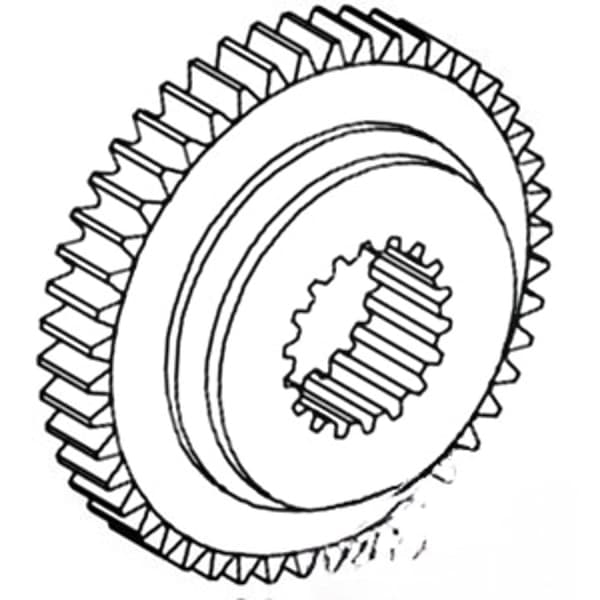
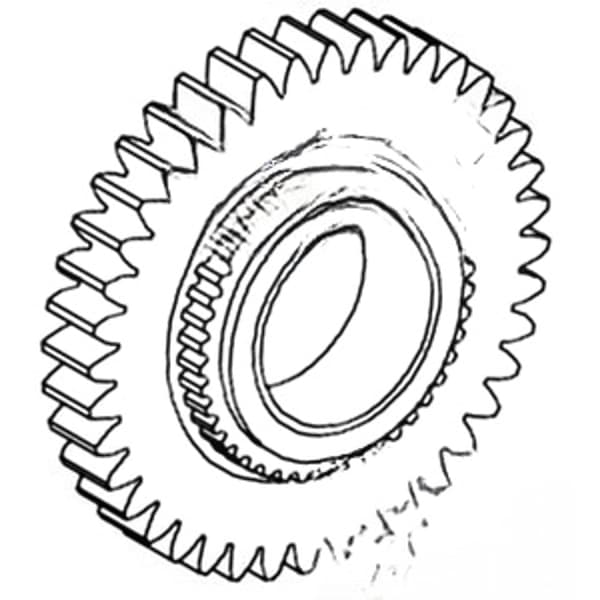
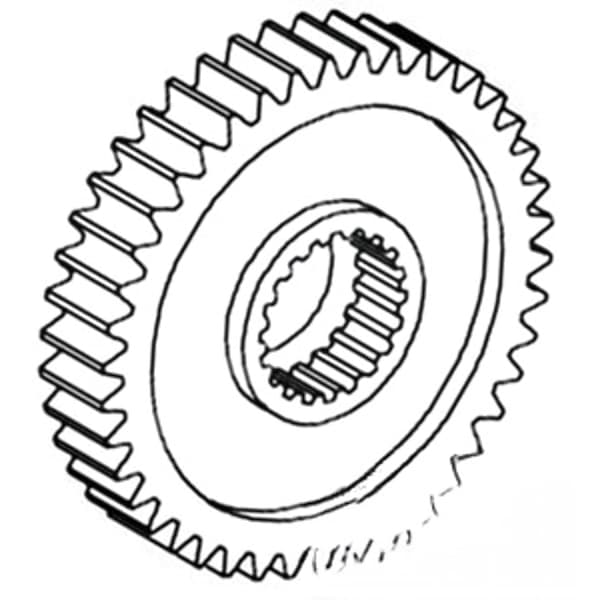
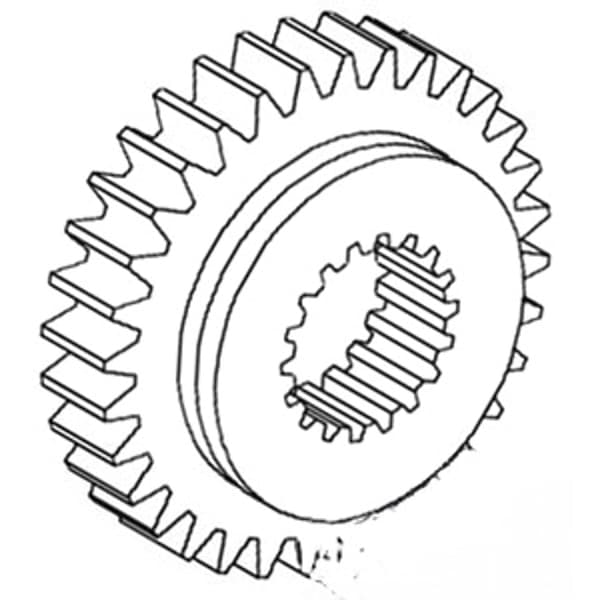
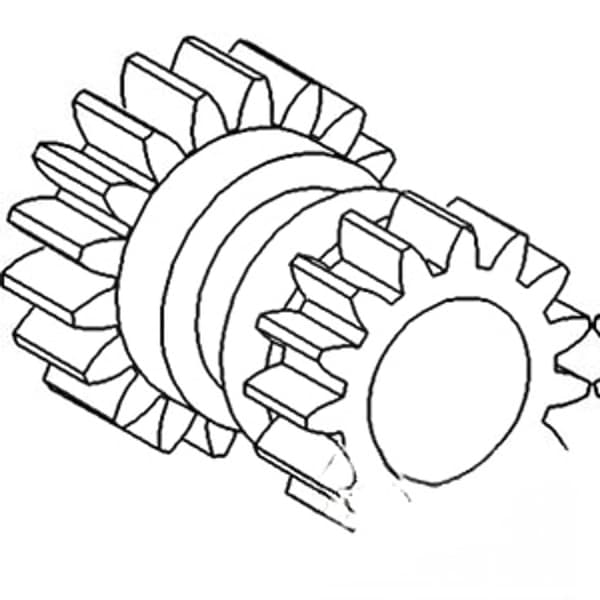
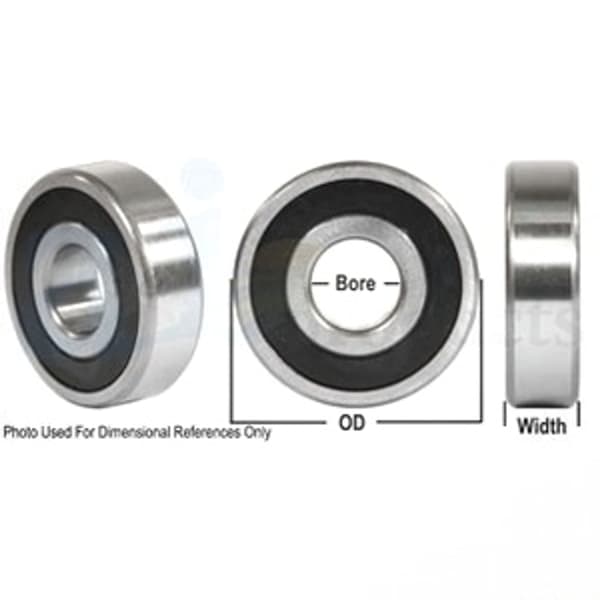
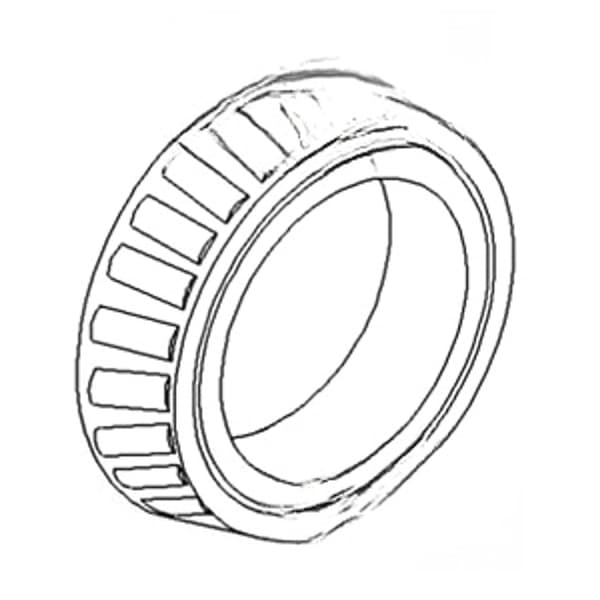
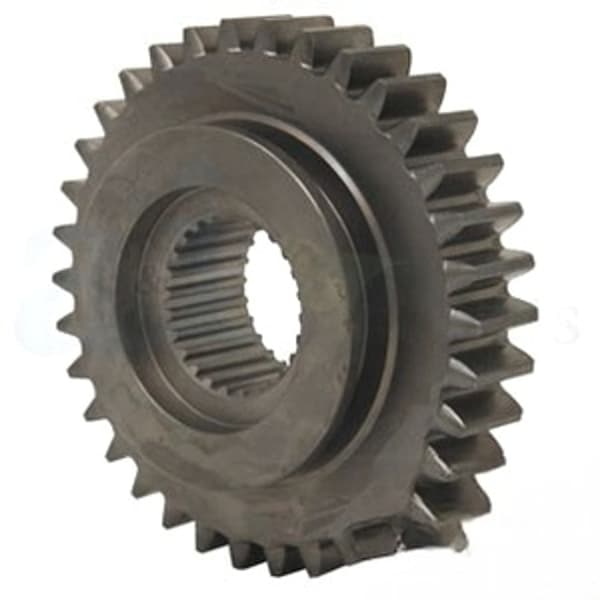
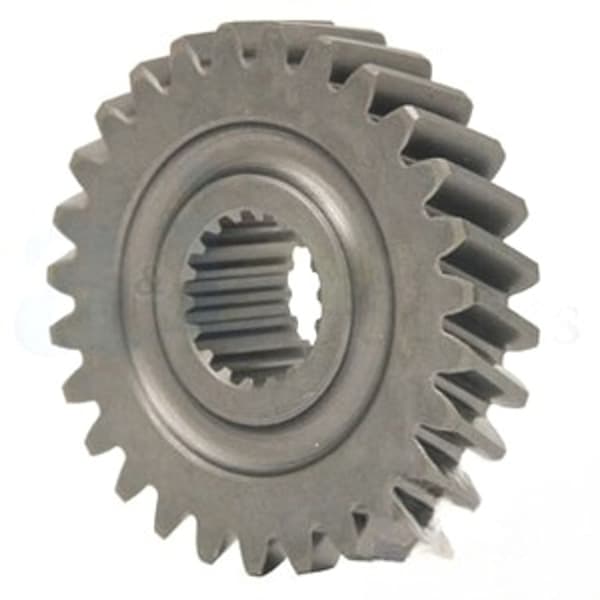
🔍 Looking for a specific part? Try our AI Part Finder — tell it your equipment and what you need, and it will find matching parts instantly.
Before starting any work, always consult your tractor's service manual for specific instructions and torque specifications. This guide provides general information, but your model may have unique procedures. If you're not comfortable performing this type of repair, consult a qualified mechanic.
Safety First! Disconnect the battery and securely support the tractor before beginning any work on the transmission. Ensure the area is well-ventilated and free from flammable materials. Wear appropriate personal protective equipment, including safety glasses and gloves.
Assessing the Need for a Rebuild
Several symptoms indicate a potential transmission problem:
- Difficulty shifting: Hard shifting or gears popping out of place.
- Unusual noises: Grinding, whining, or clunking sounds.
- Slippage: The engine revs up, but the tractor doesn't accelerate properly.
- Fluid leaks: Oil leaks around the transmission housing.
- Contaminated fluid: Milky or metallic-looking transmission oil.
If you notice any of these symptoms, it's time to investigate. Start by checking the transmission oil level and condition. If the oil is low or contaminated, address that issue first. If problems persist, a transmission rebuild may be necessary.
Essential Tools and Equipment
A successful tractor transmission rebuild requires a well-equipped workspace and the right tools. Here’s a list of essentials:
- Service Manual: Absolutely essential for your specific tractor model.
- Socket Set and Wrenches: Metric or SAE, depending on your tractor (John Deere, Case IH, Ford, etc.)
- Torque Wrench: Accurate torque settings are critical.
- Bearing Puller: For removing bearings without damage.
- Seal Driver Set: For proper seal installation.
- Hydraulic Press: For pressing gears and bearings onto shafts.
- Snap Ring Pliers: Internal and external snap rings are common.
- Dial Indicator: For measuring endplay and backlash.
- Feeler Gauges: For checking clearances.
- Cleaning Supplies: Parts cleaner, brushes, and rags.
- Assembly Lube: For lubricating parts during reassembly.
- New Transmission Oil: Use the correct type specified in your manual.
- Gasket Scraper: For removing old gaskets.
- Camera or Phone: To document disassembly for reference.
Disassembly and Inspection
- Drain the Transmission Oil: Properly dispose of the used oil.
- Remove the Transmission Housing: Follow your service manual for specific instructions. This may involve removing the rear axle, PTO shaft, and other components. Refer to our article on tractor PTO shafts for details on PTO removal.
- Disassemble the Transmission: Carefully remove gears, shafts, bearings, and synchros. Pay attention to the order of components and their orientation. Use your camera to document each step.
- Clean All Parts: Thoroughly clean each component with parts cleaner.
- Inspect Gears: Look for chipped, cracked, or excessively worn teeth. Check for pitting or spalling on the gear surfaces. Replace any damaged gears.
- Inspect Synchros: Examine the synchro rings and sliders for wear. The friction surfaces should be clean and have good contact. Replace worn or damaged synchros. For information on clutch components that interact with the transmission, see our articles on John Deere tractor clutch kits, Ford tractor clutches, Case IH clutch kits, Massey Ferguson clutches, and Kubota tractor clutch kits.
- Inspect Bearings: Check for roughness, play, or damage. Spin each bearing by hand. If it feels rough or noisy, replace it. Inspect the bearing races for pitting or wear.
- Inspect Shafts: Look for wear, cracks, or bending. Check the splines for damage.
- Inspect Seals and Gaskets: Replace all seals and gaskets during a rebuild.
Note: Common wear items include gears, synchro rings, bearings, seals, and gaskets. Madison Tractor Company carries a wide selection of these parts for various tractor brands, including John Deere, Case IH, Ford, New Holland, Massey Ferguson, Kubota, Allis Chalmers, Deutz, International Harvester, Oliver, and White. We also stock related parts such as radiators, water pumps, starters, alternators, hydraulic pumps, cylinders, PTO parts, fuel pumps, carburetors, injectors, and filters.
Replacing Parts
Once you've inspected the components, it's time to order replacement parts. Here are some things to consider:
- OEM vs. Aftermarket: OEM (Original Equipment Manufacturer) parts are generally higher quality but more expensive. Aftermarket parts can be a cost-effective alternative, but ensure they meet or exceed OEM specifications. Madison Tractor Company offers both OEM and high-quality aftermarket parts.
- Check Part Numbers: Double-check the part numbers in your service manual to ensure you order the correct parts. Many parts look similar but are not interchangeable.
- Order Complete Kits: Consider ordering a transmission rebuild kit, which includes all the necessary seals, gaskets, bearings, and sometimes synchros. This can save you time and money.
When installing new parts, follow these guidelines:
- Cleanliness is Key: Ensure all parts are clean and free of debris.
- Lubricate Parts: Apply assembly lube to all moving parts during reassembly.
- Use Proper Tools: Use the correct tools for installing bearings, seals, and other components.
- Follow Torque Specifications: Torque all bolts and nuts to the specifications in your service manual. Over- or under-tightening can damage components.
Reassembly
- Install Bearings: Use a bearing driver or hydraulic press to install bearings into the transmission housing and onto shafts.
- Install Gears and Shafts: Carefully install the gears and shafts in the correct order, following your service manual.
- Install Synchros: Install the synchro rings and sliders, ensuring they are properly aligned.
- Install Snap Rings: Use snap ring pliers to install snap rings, ensuring they are fully seated in their grooves.
- Install Seals: Use a seal driver to install seals, ensuring they are flush with the housing.
- Adjust Endplay and Backlash: Use a dial indicator and feeler gauges to adjust endplay and backlash to the specifications in your service manual. This is critical for proper gear meshing and transmission life.
Final Steps & Break-In
- Fill with Transmission Oil: Fill the transmission with the correct type and amount of oil, as specified in your service manual. For example, some older Ford tractors like the 8N require a specific type of gear oil.
- Check for Leaks: Start the tractor and check for oil leaks around the transmission housing.
- Test Drive: Test drive the tractor, shifting through all gears to ensure proper operation.
- Break-In Period: Follow the recommended break-in procedure in your service manual. This typically involves operating the tractor at light loads for a certain period.
Example: A common issue with Massey Ferguson 135 transmissions is wear on the first/second gear synchro. Replacing this synchro, often requiring part number 1860364M1 or equivalent, can significantly improve shifting. Always consult your parts manual to confirm fitment.
Torque Specifications: Torque specifications are crucial. For instance, the main transmission case bolts on a John Deere 4020 typically require a torque of 55-65 lb-ft. Always refer to your specific model's service manual.
Remember to check and potentially replace other components during the transmission rebuild, such as the tractor throw out bearing and inspect the tractor PTO clutch for wear while the tractor is split. A worn PTO clutch pack can cause similar symptoms to a failing transmission.
Shop Tractor Transmission Parts at Madison Tractor Company
Madison Tractor Company is your trusted source for tractor transmission rebuild parts. We carry a wide selection of gears, synchros, bearings, seals, and gaskets for all major tractor brands, including John Deere, Case IH, Ford, New Holland, Massey Ferguson, Kubota, and more. Browse our online catalog or contact our knowledgeable parts specialists for assistance. We offer competitive prices and fast shipping to get your tractor back in the field quickly. From complete clutch & PTO assemblies to individual bearings and seals, Madison Tractor has you covered. You can also use our AI-Powered Part Finder to search for parts by your specific make and model.
Part of our comprehensive guide
Tractor Clutch Replacement Guide: Kits, Adjustment & Installation