








Baler Knotting Problems: Missed Ties & Broken Twine Fix
Struggling with missed ties or broken twine on your square baler? This guide provides practical advice on diagnosing and resolving baler knotting problems, ensuring smooth and efficient hay baling. From twine tension adjustments to knotter component inspections, we'll help you get back in the field.
Introduction to Baler Knotting Problems
A baler is a crucial piece of hay and forage equipment knotting problems can bring hay production to a frustrating halt. Missed ties, broken twine loose knots can lead to wasted hay, increased labor lost profits. This guide will help you diagnose and fix common baler knotting problems, ensuring efficient and reliable operation. Whether you're running a John Deere, Case IH, New Holland, Massey Ferguson, or another brand, understanding the knotting system is key to keeping your baler running smoothly. Addressing knotting problems promptly can also prevent more serious damage to your equipment, saving you money on costly repairs and baler knotter parts.
Recommended Parts for This Guide
1 part we recommend — in stock, ships fast, one-click add to cart.
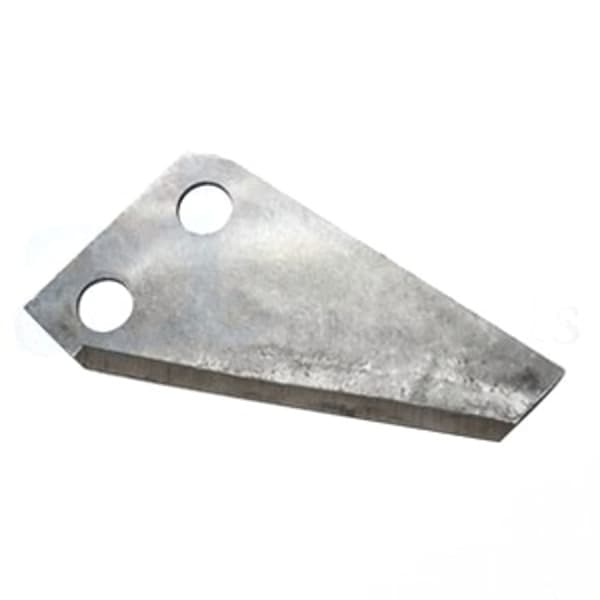
🔍 Looking for a specific part? Try our AI Part Finder — tell it your equipment and what you need, and it will find matching parts instantly.
Before starting any work on your baler, remember to always disconnect the PTO and shut off the engine. Safety is paramount when working with machinery.
Common Baler Knotting Problems
Several issues can cause knotting problems. Understanding the symptoms is the first step to finding a solution.
- Missed Ties The baler forms a bale but fails to tie one or both of the knots.
- Broken Twine The twine breaks during the tying process, resulting in a loose bale.
- Loose Knots The knots are formed but are not tight enough to hold the bale securely.
- Twine Slippage The twine slips off the knotter components, preventing a proper tie.
- Uneven Bale Density Inconsistent bale density can put undue stress on the twine, leading to breaks.
Diagnosing the Root Cause
Pinpointing the cause of your baler knotting problems requires a systematic approach. Here’s a step-by-step guide
1. Inspect the Twine
Start by examining the twine itself. Are you using the correct type and strength of baler twine for your baler and the type of hay you're baling? Using the wrong type or old, brittle twine is a common cause of breakage. Make sure the twine is properly threaded through the baler and that the tension is correctly adjusted. Check for knots or weak spots in the twine roll.
2. Check Twine Tension
Improper twine tension is a frequent culprit. Consult your baler's operator manual for the recommended tension settings. Adjust the tension springs or knobs until the twine feeds smoothly and evenly. Too much tension can cause the twine to break, while too little tension can lead to missed ties or loose knots. On some John Deere balers, the twine tension is adjusted by turning a nut on the twine box. For New Holland balers, check the tension springs on the twine arms.
3. Examine the Knotter Assembly
The knotter assembly is the heart of the tying system. Carefully inspect each component for wear, damage, or misalignment. Refer to our article on baler knotter parts for more in-depth information on these components. Key areas to check
- Knotter Bills The knotter bills are responsible for forming the knot. Check for wear, sharpness proper alignment. A dull or damaged bill can cause missed ties or broken twine.
- Knotter Discs The knotter discs hold the twine in place during the tying process. Ensure they are clean, free of debris have the correct tension.
- Twine Fingers The twine fingers guide the twine into the knotter mechanism. Check for wear, damage proper positioning.
- Wiper Arms The wiper arms strip the knot off the bills. Make sure they are properly adjusted and functioning correctly.
- Knife Arm The knife arm cuts the twine after the knot is tied. Check the blade for sharpness and proper alignment. A dull blade can cause frayed twine and missed ties.
4. Inspect the Needles
The needles deliver the twine to the knotters. Ensure they are not bent or damaged and that they are properly timed. Misaligned needles can cause the twine to miss the knotter mechanism, leading to missed ties. Check the needle bearings for wear and replace if necessary.
5. Check the Bale Density
Uneven or excessive bale density can put undue stress on the twine. Adjust the bale density settings according to your baler's manual and the type of hay you're baling. For John Deere balers, the bale density is adjusted using the density control arms. New Holland balers typically use a hydraulic system to control bale density. Make sure the density sensors are functioning correctly.
Troubleshooting Specific Knotting Issues
Let's delve into specific solutions for common knotting problems
1. Missed Ties
- Cause Often related to twine tension, worn knotter parts, or incorrect timing.
- Solution Adjust twine tension. Inspect and replace worn knotter bills, discs twine fingers. Check the knotter timing according to your baler's manual.
2. Broken Twine
- Cause Usually due to excessive twine tension, using the wrong type of twine, or a dull knife blade.
- Solution Reduce twine tension. Switch to a higher-strength twine. Sharpen or replace the knife blade. Check for any sharp edges or burrs on the knotter components that could be cutting the twine.
3. Loose Knots
- Cause Typically caused by insufficient twine tension or worn knotter parts.
- Solution Increase twine tension. Inspect and replace worn knotter bills and discs. Ensure the knotter discs have the correct tension.
4. Twine Slippage
- Cause Usually due to worn or misaligned knotter parts.
- Solution Inspect and replace worn knotter bills, discs twine fingers. Ensure the wiper arms are properly adjusted and functioning correctly.
5. Uneven Bale Density
- Cause Often related to incorrect bale density settings or malfunctioning density sensors.
- Solution Adjust the bale density settings according to your baler's manual and the type of hay you're baling. Check the density sensors for proper operation. Consult your baler's service manual for calibration procedures.
Preventative Maintenance for Your Baler
Regular maintenance is key to preventing knotting problems and extending the life of your baler. Here are some essential maintenance tasks
- Daily Inspection Before each use, inspect the twine, knotter assembly needles for any signs of wear or damage.
- Lubrication Regularly lubricate all moving parts according to your baler's manual. Pay special attention to the knotter assembly.
- Cleaning Keep the knotter assembly clean and free of debris. Use compressed air to blow out any accumulated dust or hay.
- Twine Storage Store your twine in a dry, cool place to prevent it from becoming brittle or damaged.
- Annual Service Perform a thorough inspection and service of your baler at the end of each season. Replace any worn parts and make any necessary adjustments.
Specific OEM part numbers can be useful for ordering replacements. For example, a common John Deere knotter bill might be part number a New Holland twine finger could be 86542138. Always verify the correct part number for your specific baler model before ordering.
Torque Specs and Fluid Capacities
When replacing parts on your baler, it's crucial to use the correct torque specifications. Refer to your baler's service manual for the recommended torque values for each fastener. Using the wrong torque can lead to component failure or damage.
Also, be sure to check and maintain the hydraulic fluid levels in your baler. Refer to your baler's manual for the correct fluid type and capacity. Low fluid levels can affect the performance of the hydraulic system, including the bale density control.
Brands and Models We Support
At Madison Tractor Company, we stock a wide range of parts for all major baler brands, including
- John Deere Models like the 336, 348, 459, 569 854. Explore our selection of John Deere baler parts.
- Case IH Models like the RB455, RB565, LB334 LB434. We offer a wide variety of Case IH baler parts.
- New Holland Models like the 575, 660, BR780 Roll-Belt series. Check out our New Holland baler parts for these models.
- Massey Ferguson Models like the 1837, 2735 2956.
- Other Brands We also carry parts for Ford, Kubota, Allis Chalmers, Deutz, International Harvester, Oliver, White, Gleaner, Vermeer, Hesston, Mahindra Zetor.
In addition to baler-specific parts, we also stock a wide range of general tractor and equipment parts, including radiators, water pumps, starters, alternators, hydraulic pumps, cylinders, clutch kits, PTO parts, fuel pumps, carburetors, injectors, filters, gaskets, pistons, bearings, seals, belts, chains, concaves sickle sections. Finding the right round baler belts for your machine is also crucial for efficient baling.
When to Seek Professional Help
If you've tried the troubleshooting steps outlined in this guide and are still experiencing knotting problems, it may be time to seek professional help. A qualified agricultural mechanic can diagnose and repair more complex issues, suchs as internal damage to the knotter mechanism or hydraulic system.
Conclusion
Addressing baler knotting problems promptly and effectively is essential for maintaining efficient hay production. By following the steps outlined in this guide, you can diagnose and fix common issues, preventing costly downtime and ensuring high-quality bales.
Remember, preventative maintenance is key to avoiding knotting problems. Regularly inspect and lubricate your baler replace any worn parts as needed.
For more information on hay and forage equipment, check out our pillar page on Hay & Forage Equipment Parts.
Safety First: Always disconnect the PTO and shut off the engine before working on your baler.
Shop Baler Parts at Madison Tractor Company
Don't let baler knotting problems slow you down. Madison Tractor Company has the parts you need to keep your baler running smoothly. We offer a wide selection of high-quality replacement parts for all major baler brands, including John Deere, Case IH, New Holland more. Visit our website or contact our knowledgeable parts experts today to find the right parts for your baler. We're here to help you get back in the field and maximize your hay production. You can also use our AI-Powered Part Finder to search for parts by your specific make and model.
Part of our comprehensive guide
Hay Equipment Parts Guide: Baler, Mower & Rake Replacement Parts