








Haybine & Mower-Conditioner Parts: Rolls & Tines
Maintaining your haybine or mower-conditioner is crucial for efficient hay production. This guide covers the essentials of roll and tine maintenance, helping you identify wear, troubleshoot issues, and find the right replacement parts to keep your equipment running smoothly.
Introduction to Haybine & Mower-Conditioner Maintenance
Haybines and mower-conditioners are essential for efficient haymaking, combining cutting and conditioning into a single operation. The rolls and tines are critical components responsible for crimping and conditioning the hay, promoting faster drying and preserving nutritional value. Regular maintenance and timely replacement of worn parts are crucial for optimal performance and minimizing downtime during the hay season. Neglecting these components can lead to reduced efficiency, increased fuel consumption, and ultimately, lower hay quality.
Recommended Parts for This Guide
4 parts we recommend — in stock, ships fast, one-click add to cart.
🔍 Looking for a specific part? Try our AI Part Finder — tell it your equipment and what you need, and it will find matching parts instantly.
This guide will focus on the key aspects of maintaining and repairing the rolls and tines on your haybine or mower-conditioner, covering inspection, troubleshooting, and replacement procedures. We'll also provide information on finding the right haybine parts for various brands and models.
Understanding the Roles of Rolls and Tines
Rolls: Haybine rolls (also known as conditioning rolls or crimper rolls) are responsible for crimping or crushing the hay stems. This creates openings in the plant material, allowing moisture to escape more readily. Maintaining a clean roll surface is essential, and sometimes a sledge roll belt cleaner strip can help prevent buildup. There are two primary types of rolls: rubber rolls and steel rolls. Rubber rolls are generally gentler on the hay, reducing leaf loss, while steel rolls offer more aggressive conditioning, suitable for thicker-stemmed crops.
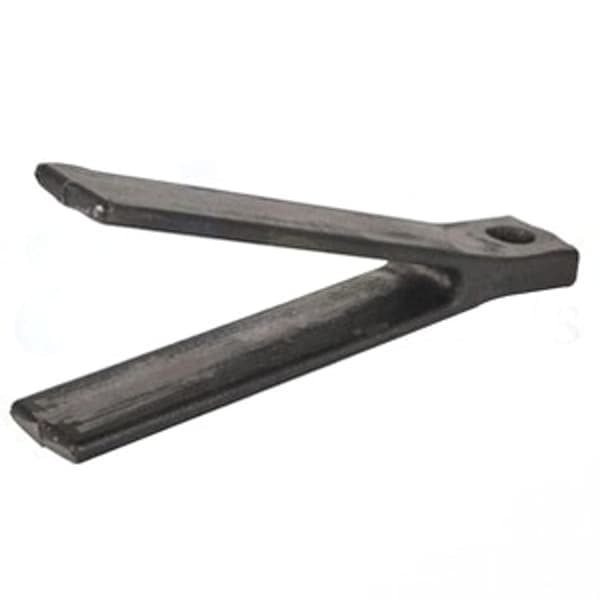
Tines: Mower-conditioner tines, often called flails, are located on a rotating rotor and are responsible for impacting and conditioning the hay. They help to break the waxy cuticle on the plant stems, accelerating drying. Different tine designs are available, each offering a unique conditioning effect. Some are designed for gentle conditioning, while others are more aggressive for thicker crops. Other related components include rake teeth (like the rake tooth for New Idea machines) and windrower teeth, which serve similar conditioning purposes in certain setups. You can find a variety of replacement tines to suit your needs.
Inspection and Troubleshooting
Roll Inspection
Regularly inspect your rolls for signs of wear and damage:
- Rubber Rolls: Check for cracks, tears, chunks missing, or uneven wear patterns. Minor cracks are often acceptable, but significant damage requires replacement. Also, check the roll pressure. Too little pressure results in poor conditioning, while too much pressure can damage the rolls and increase fuel consumption.
- Steel Rolls: Inspect for dents, bends, or sharp edges. Dents can cause uneven conditioning, while sharp edges can damage the hay. Also, inspect the roll profile for straightness. Misalignment can quickly damage bearings and create other issues.
- Bearing Inspection: Check the bearings for play, noise, or excessive heat. Replace worn bearings promptly to prevent further damage to the rolls.
Tine Inspection
Inspect tines regularly for wear, damage, and proper attachment:
- Wear: Check for worn tips or edges. Worn impeller tines or double tines are less effective at conditioning the hay.
- Damage: Look for bent, broken, or missing tines. Damaged tines can cause uneven conditioning and potentially damage other components.
- Attachment: Ensure that all tines are securely attached to the rotor. Loose tines can detach and cause damage. Check the tine holders for wear, bending, or cracks. Also, ensure the impeller tine bolts are properly tightened.
Troubleshooting Common Issues
- Uneven Conditioning: This can be caused by uneven roll pressure, worn rolls or tines, or a misaligned cutter bar.
- Hay Wrapping Around Rolls: This is often due to insufficient roll pressure or excessive moisture in the hay.
- Excessive Leaf Loss: This can be caused by overly aggressive conditioning, such as using steel rolls on delicate hay or running the machine at too high of a speed.
- Tine Breakage: This can be caused by hitting obstructions in the field, using the wrong type of tines for the crop, or fatigue due to age.
Roll and Tine Replacement
Roll Replacement Procedure
Replacing haybine rolls typically involves the following steps:
- Safety First: Disengage the PTO, turn off the engine, and engage the parking brake. Allow the machine to cool down completely.
- Access the Rolls: Remove any shields or guards necessary to access the rolls.
- Loosen Roll Tension: Reduce the tension on the rolls. The method for adjusting tension varies depending on the model. Consult your operator's manual for specific instructions.
- Remove the Old Roll: Remove the bearings and any other hardware securing the roll. Carefully remove the old roll.
- Install the New Roll: Install the new roll, ensuring proper alignment and seating. Reinstall the bearings and hardware, tightening to the manufacturer's specifications.
- Adjust Roll Tension: Adjust the roll tension to the correct setting. Consult your operator's manual for specific instructions.
- Reinstall Shields: Reinstall any shields or guards that were removed.
- Test the Machine: Start the engine and engage the PTO at a slow speed. Check for proper operation and any unusual noises or vibrations. Gradually increase the speed to the normal operating range.
Important Note: Always refer to your operator's manual for specific instructions and torque specifications for your haybine model. For example, some John Deere haybines require specific torque settings for the roll bearing bolts to ensure proper bearing preload. A typical torque specification could be 50-60 ft-lbs, but always verify.
Tine Replacement Procedure
Replacing mower-conditioner tines is usually a straightforward process:
- Safety First: Disengage the PTO, turn off the engine, and engage the parking brake. Allow the machine to cool down completely.
- Access the Tines: Locate the worn or damaged tines.
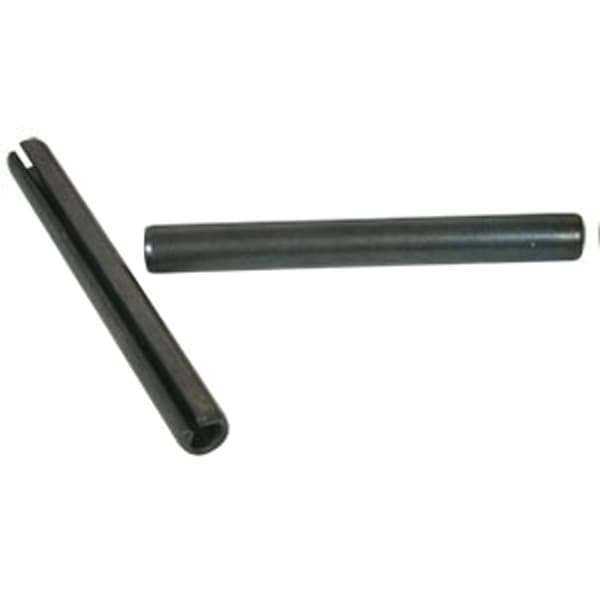
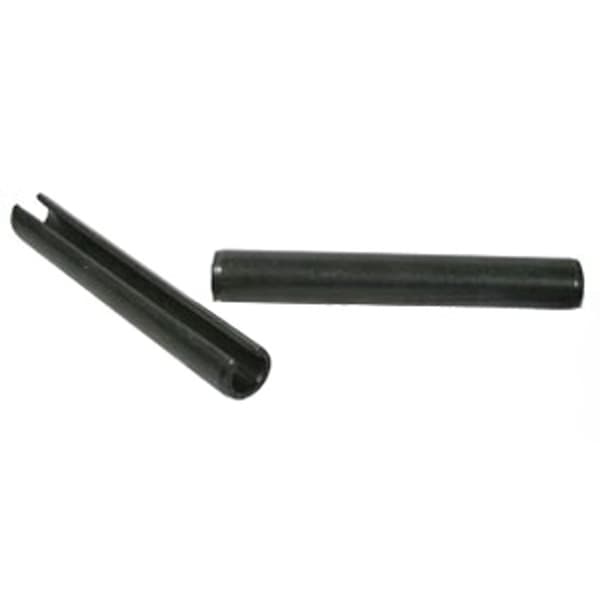
- Remove the Old Tine: Depending on the design, tines may be held in place by bolts, clips, or other fasteners such as roll pins. We offer a selection of roll pins in various sizes to fit your equipment. Remove the fastener and carefully remove the old tine.
- Install the New Tine: Install the new tine, ensuring proper alignment and seating. Secure the tine with the appropriate fastener, tightening to the manufacturer's specifications.
- Test the Machine: Start the engine and engage the PTO at a slow speed. Check for proper operation and any unusual noises or vibrations. Gradually increase the speed to the normal operating range.
Important Note: Some tines are directional, so ensure they are installed correctly. Also, consider replacing all the tines on a rotor at the same time to maintain balance and even conditioning. This is especially important for high-speed mower-conditioners.
Choosing the Right Replacement Parts
Selecting the correct replacement parts is crucial for ensuring proper fit and performance. When ordering mower conditioner parts, consider the following:
- Brand and Model: Always specify the brand and model of your haybine or mower-conditioner. This ensures that you receive parts that are compatible with your machine. We carry parts for a wide range of brands, including John Deere, Case IH, Ford, New Holland, Massey Ferguson, Kubota, Allis Chalmers, Deutz, International Harvester, Oliver, White, Gleaner, Vermeer, Hesston, Mahindra, and Zetor.
- OEM vs. Aftermarket: OEM (Original Equipment Manufacturer) parts are made by the original manufacturer and are guaranteed to fit and perform as intended. Aftermarket parts are made by third-party manufacturers and can be a more cost-effective option. However, quality and fit may vary. Madison Tractor Company offers both OEM and high-quality aftermarket parts.
- Part Number: If possible, provide the original part number. This is the most accurate way to ensure that you receive the correct part.
- Material: Consider the material of the replacement parts. For example, higher-quality rubber compounds in rolls can extend their lifespan, and hardened steel tines offer better wear resistance.
Example: If you need to replace the rubber rolls on a New Holland haybine model 499, be sure to specify the correct roll diameter and surface pattern. You may also need to replace the roll bearings. Knowing the bearing OEM part number (e.g., 86634676 for a New Holland bearing) helps ensure a perfect fit.
Don't forget to check other components on your haybine. Consider replacing belts, sickle sections, and other wear items while you're at it. You can find a range of belts, sickle sections and other hay and forage parts to keep your equipment running smoothly.
Remember preventative maintenance can save you money and time during the busy hay season. Be sure to check the round baler belts on your baler and keep an eye on baler pickup teeth. Regular maintenance on your John Deere baler parts, New Holland baler parts, or Case IH baler parts will help ensure you make quality hay and minimize downtime.
Safety Precautions
Haybine and mower-conditioner maintenance can be dangerous if proper safety precautions are not followed. Always:
- Disconnect the PTO: Before performing any maintenance, always disconnect the PTO and ensure that the machine is completely stopped.
- Turn off the Engine: Turn off the engine and remove the key to prevent accidental starting.
- Engage the Parking Brake: Engage the parking brake to prevent the machine from rolling.
- Wear Safety Glasses: Wear safety glasses to protect your eyes from debris.
- Use Gloves: Wear gloves to protect your hands from sharp edges and chemicals.
- Consult the Operator's Manual: Always consult the operator's manual for specific safety instructions and maintenance procedures for your machine.
- Never work under a machine supported only by hydraulics. Always use jack stands.
Shop Haybine Parts at Madison Tractor Company
Madison Tractor Company is your trusted source for high-quality haybine and mower-conditioner parts. We offer a wide selection of rolls, tines, bearings, and other replacement parts for all major brands. Our knowledgeable staff is available to assist you in finding the right parts for your machine. Browse our online catalog or contact us today to learn more!
🔍 Can't Find Your Part?
Use our AI-Powered Part Finder to search by your equipment's make, model, and what you need. It's the fastest way to find the exact part for your machine.
Try the Part Finder →Part of our comprehensive guide
Hay Equipment Parts Guide: Baler, Mower & Rake Replacement Parts