








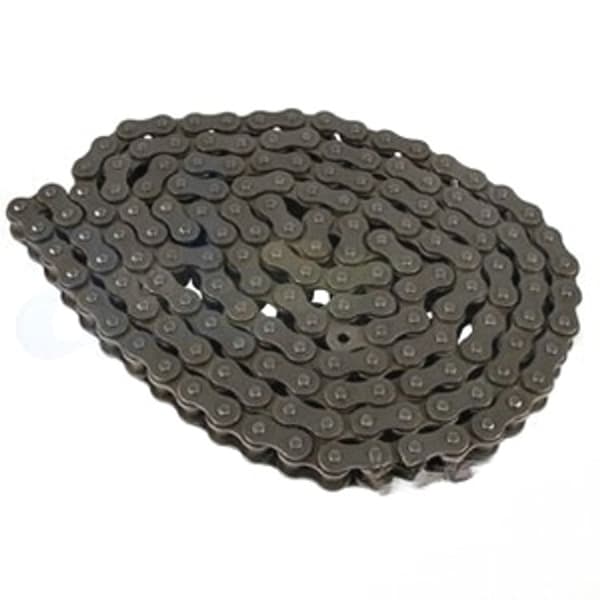
Round Baler Starter Roll Chain: Drive & Gathering Chain
Round baler chain is crucial for efficient hay baling. This guide covers drive chains, gathering chains, common problems, maintenance tips, and replacement strategies to keep your round baler operating smoothly. Learn how to identify wear, select the right replacement chain, and ensure proper installation.
A round baler is a complex piece of machinery; its efficiency hinges on many components working in harmony. Among the unsung heroes are the various chains, especially the starter roll chain, drive chain, gathering chain. These chains are responsible for transmitting power and moving hay through the baler. Understanding these chains, their function and maintenance is key to minimizing downtime and maximizing your baling efficiency. This guide from Madison Tractor Company will walk you through everything you need to know about round baler chains.
Recommended Parts for This Guide
5 parts we recommend — in stock, ships fast, one-click add to cart.
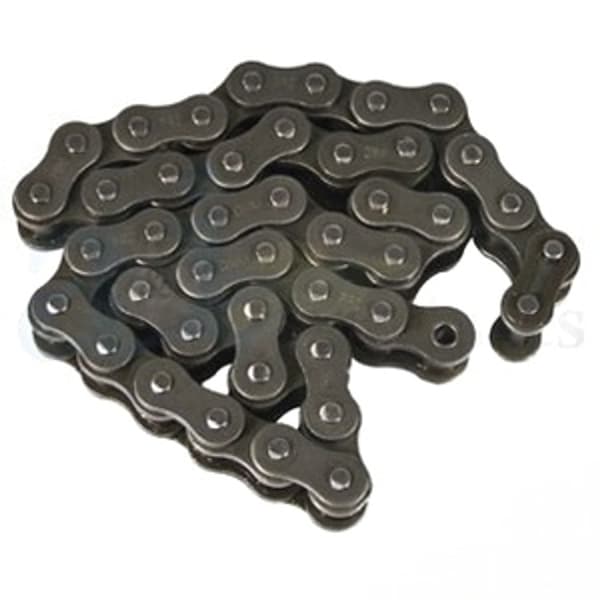
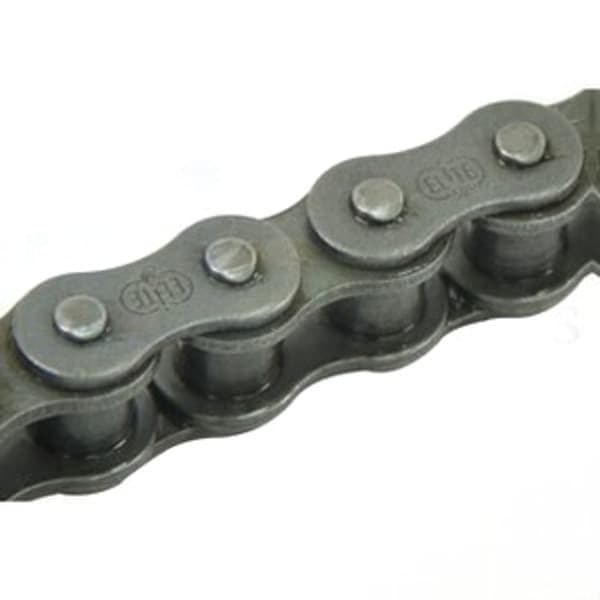
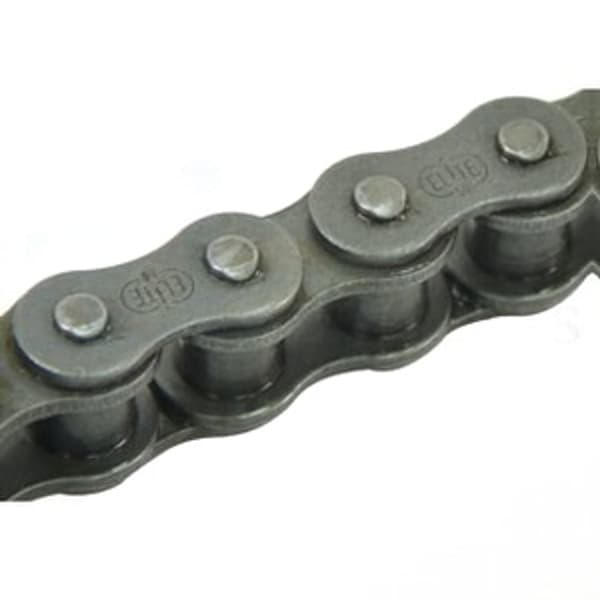
🔍 Looking for a specific part? Try our AI Part Finder — tell it your equipment and what you need, and it will find matching parts instantly.
Types of Round Baler Chains
Round balers use several types of chains for different functions. The main chains we'll focus on are
- Starter Roll Chain (Drive Chain) This chain drives the starter roll, which initiates bale formation. It's a critical component and often subjected to high stress.
- Gathering Chain (Pickup Chain) These chains, often with attached teeth, are responsible for picking up hay from the windrow and feeding it into the baler chamber. Key components for efficient pickup include various pickup idler sprockets and drive sprockets. You can find replacement baler pickup teeth and bushings at Madison Tractor.
Depending on the make and model of your round baler, other chains may be present, such as apron chains or bale discharge chains. The specific chain types and sizes will vary between manufacturers like John Deere, New Holland, Case IH, Massey Ferguson and others.
Identifying Chain Wear and Damage
Regular inspection of your round baler chains is essential to prevent breakdowns in the field. Here's what to look for
- Loose Chain Excessive slack in the chain indicates wear or stretching. Check the chain tension according to your baler's manual. A loose chain can jump sprockets and cause significant damage.
- Stiff Links Stiff or seized links indicate a lack of lubrication or corrosion. These links can cause the chain to bind and increase wear on sprockets.
- Cracked or Broken Links Any cracks or breaks in the chain links require immediate replacement. Operating with damaged links is dangerous and can lead to complete chain failure.
- Worn Sprockets Check the sprocket teeth for wear. Sharp or hooked teeth indicate that the sprockets are worn and should be replaced along with the chain.
- Rust and Corrosion Rust weakens the chain and accelerates wear. Clean and lubricate chains regularly to prevent corrosion.
Actionable Tip Use a chain wear gauge to accurately measure chain elongation. This tool will tell you when a chain has stretched beyond its service limit and needs replacement.
Chain Lubrication and Maintenance
Proper lubrication is the single most important factor in extending the life of your round baler chains. Here's a maintenance schedule
- Daily Inspect all chains for proper tension and lubrication. Apply a quality chain lubricant to all chains.
- Weekly Clean chains with a solvent to remove dirt and debris. Re-lubricate after cleaning.
- Monthly Check sprockets for wear and alignment. Adjust chain tension as needed.
- Off-Season Thoroughly clean and lubricate all chains before storing the baler. Consider applying a rust preventative to protect the chains during storage.
Lubrication Tips
- Use a chain lubricant specifically designed for agricultural equipment. These lubricants are formulated to penetrate the chain links and provide long-lasting protection.
- Avoid using heavy greases, as they can attract dirt and debris.
- Apply lubricant to the inside of the chain, where the links engage with the sprockets.
Round baler chain Replacement
When it's time to replace your round baler chain, follow these steps
- Identify the Chain Type Consult your baler's operator manual to determine the correct chain size and type. Common chain sizes include #40, #50, #60, #80 roller chains.
- Gather Tools and Supplies You'll need a chain breaker tool, new chain, master link, wrench and safety glasses.
- Disconnect Power Ensure the baler is turned off and disconnected from the power source before working on the chains.
- Remove the Old Chain Use the chain breaker tool to separate the old chain. Be careful, as the chain may be under tension.
- Install the New Chain Route the new chain through the same path as the old chain. Connect the ends of the chain using the master link. Make sure the master link clip is installed in the correct direction (closed end facing the direction of travel).
- Adjust Chain Tension Adjust the chain tension according to your baler's manual. The chain should have a slight amount of slack but not be too loose.
- Test the Baler After replacing the chain, run the baler at a slow speed to ensure the chain is running smoothly and properly engaged with the sprockets.
Safety Warning Always wear safety glasses when working on chains. Use caution when using chain breaker tools, as they can cause injury if not used properly.
Brand-Specific Considerations
While the general principles of chain maintenance and replacement apply to all round balers, there are some brand-specific considerations
- John Deere John Deere balers often use specific chain types and sizes that are unique to their models. Consult your john deere baler parts catalog or dealer to ensure you are using the correct chain. For example, many John Deere balers use a #60H heavy series chain for the starter roll. You can find John Deere baler parts at Madison Tractor Company.
- New Holland New Holland balers are known for their robust chain designs. However, their gathering chains can be prone to wear due to the high volume of hay they handle. Part numbers for New Holland chains are often stamped directly on the chain links. We stock a wide range of New Holland baler parts.
- Case IH Case IH balers share many components with New Holland balers, so the chain types and maintenance procedures are often similar. For Case IH balers, pay close attention to the condition of the chain tensioners. You can find Case IH baler parts on our website.
- Other Brands For other brands like Massey Ferguson, Kubota, Allis Chalmers, Deutz, International Harvester, Oliver, White, Gleaner, Vermeer, Hesston, Mahindra and Zetor, always refer to the operator's manual for specific chain requirements.
OEM Part Numbers When possible, use the original equipment manufacturer (OEM) part number to ensure you are getting the correct replacement chain. For example, a common John Deere starter roll chain might be part number. Cross-reference these numbers with aftermarket suppliers to find equivalent replacements.
Common Problems and Solutions
- Chain Keeps Breaking This could be due to overloading the baler, using the wrong chain type, or worn sprockets. Address the underlying cause and replace the chain with the correct type.
- Chain Jumps Sprockets This indicates a loose chain or worn sprockets. Adjust the chain tension and replace worn sprockets.
- Chain is Noisy This could be due to a lack of lubrication or stiff links. Lubricate the chain or replace any stiff links.
- Hay Wrapping Around Chain This could be due to damaged or missing chain guards. Replace or repair the chain guards.
Remember that preventing problems is often easier and cheaper than fixing them. Consistent maintenance and timely replacement of worn parts will keep your round baler running smoothly for years to come. Addressing issues with your round baler belts can also improve performance; read more in our guide to round baler belts.
Other Hay and Forage Parts
Madison Tractor Company carries a wide range of hay and forage equipment parts to keep your operation running smoothly. We offer parts for all major brands, including
- John Deere Baler Parts
- New Holland Baler Parts
- Case IH Baler Parts
- Baler Knotter Parts
- Baler Twine
- Round Baler Net Wrap
We also stock a full range of other agricultural parts, including radiators, water pumps, starters, alternators, hydraulic pumps, cylinders, clutch kits, PTO parts, fuel pumps, carburetors, injectors, filters, gaskets, pistons, bearings, seals, belts, chains, concaves and sickle sections.
By following these guidelines, you can ensure your round baler chains are properly maintained and replaced, minimizing downtime and maximizing your hay baling efficiency.
Torque Specifications Always refer to your baler's service manual for specific torque specifications for bolts and fasteners related to chain installation and adjustment. Incorrect torque can lead to premature failure of components.
Shop Round Baler Chains at Madison Tractor
At Madison Tractor Company, we understand the importance of keeping your equipment running smoothly. That's why we offer a wide selection of high-quality round baler chains and other hay and forage equipment parts at competitive prices. Browse our online catalog or contact our knowledgeable parts specialists today to find the right parts for your baler. We're here to help you keep your farm running efficiently. You can also use our AI-Powered Part Finder to search for parts by your specific make and model.
Part of our comprehensive guide
Hay Equipment Parts Guide: Baler, Mower & Rake Replacement Parts