








New Holland Round Baler Belt: 648, 660 & BR Series
Keep your New Holland round baler running smoothly with the right belts. This guide covers common models like the 648, 660, and BR series, providing information on belt selection, installation, and maintenance to maximize your hay production.
Understanding Your New Holland Baler Belt System
A properly functioning baler belt is crucial for efficient hay production. Your New Holland round baler, whether it's a model 648, 660, a BR series (BR740, BR750, BR780 etc.), or even newer Roll-Belt models, relies on these belts to form consistently sized and shaped bales. When a belt slips, breaks, or is improperly tensioned, you'll experience reduced bale density, increased hay loss, and potential downtime. This guide will provide practical information for diagnosing belt problems, selecting the right replacement, and performing essential maintenance. Here at Madison Tractor Company, we understand the importance of keeping your equipment running smoothly, offering a wide selection of hay and forage equipment parts, including high-quality replacement baler belts.
Recommended Parts for This Guide
8 parts we recommend — in stock, ships fast, one-click add to cart.
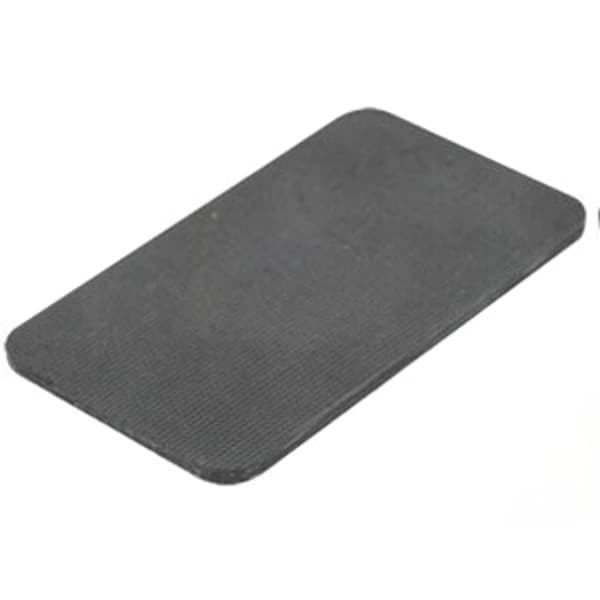
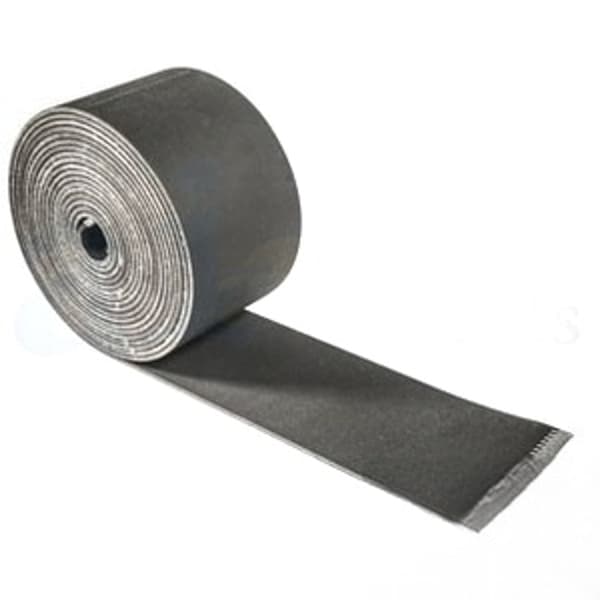
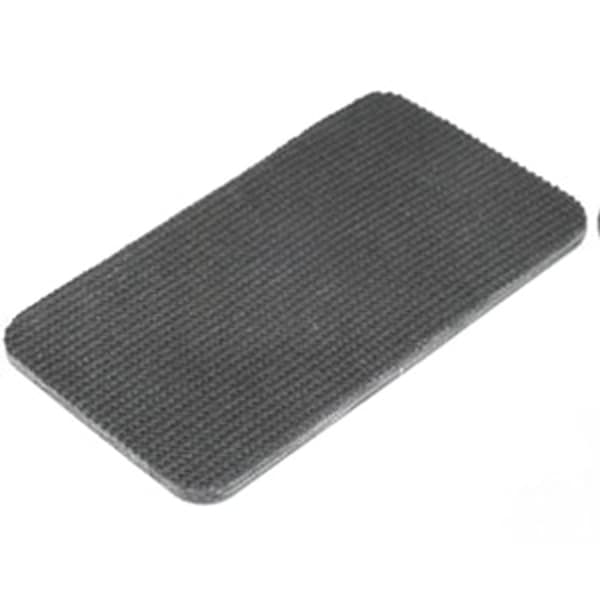
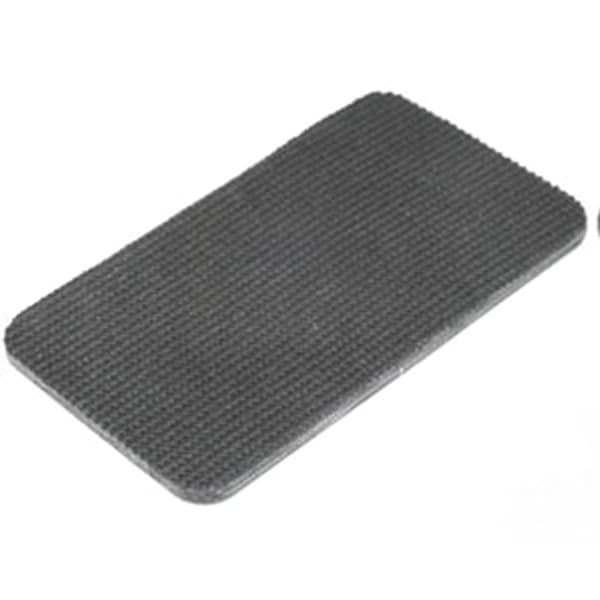
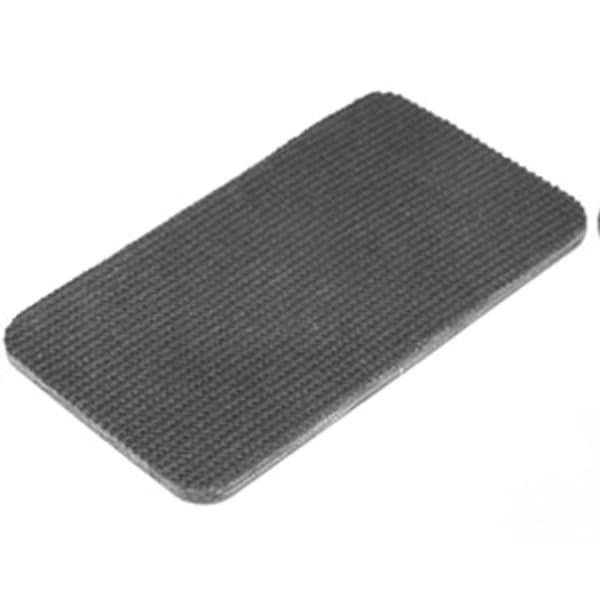
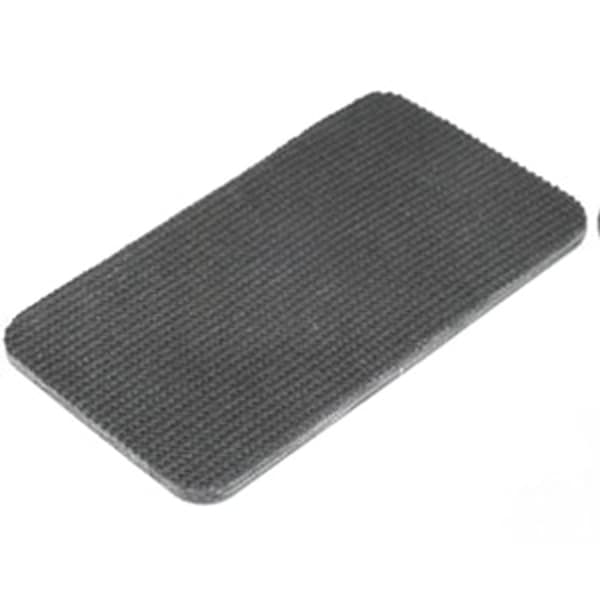
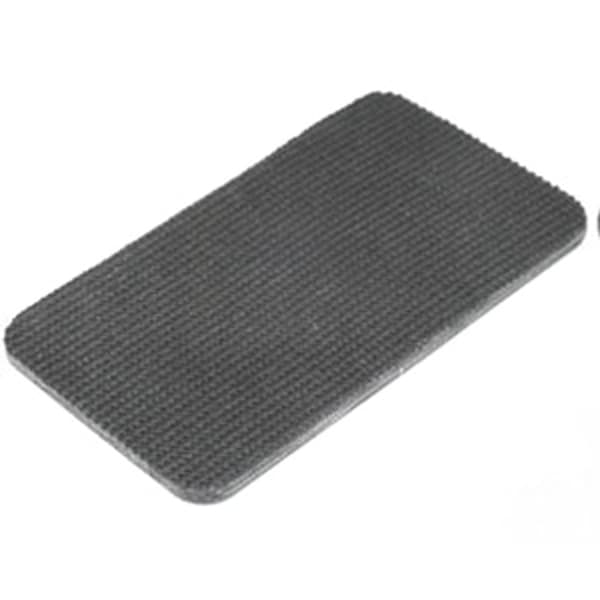
🔍 Looking for a specific part? Try our AI Part Finder — tell it your equipment and what you need, and it will find matching parts instantly.
Identifying the Correct Baler Belt
Choosing the correct replacement belt is paramount. Using an incorrect size or type can lead to premature wear, slippage, and even damage to your baler. Here’s how to ensure you get the right belt:
Check Your Baler Model Number
The first step is to accurately identify your New Holland baler model number. This information is typically found on a sticker or plate located on the baler frame. Common models include:
- New Holland 648
- New Holland 660
- New Holland BR740, BR750, BR770, BR780
- New Holland Roll-Belt Series (Roll-Belt 450, Roll-Belt 560, etc.)
Once you have the model number, consult your operator's manual or the New Holland baler parts section on our website. The manual will specify the exact belt dimensions and type required for your machine.
Measure Your Existing Belts
If your operator's manual is unavailable, you can measure your existing belts. Carefully remove a belt and measure its:
- Length: Measure the entire circumference of the belt.
- Width: Measure the width of the belt.
- Thickness: Measure the thickness of the belt.
Compare these measurements to the specifications listed on our website or in our catalog. It's crucial to be accurate, as even slight variations can affect performance. You can also reference the article Round Baler Belts: Replacement Belts by Brand & Model to better understand measurements.
Belt Construction and Materials
Baler belts are typically constructed from multiple layers of rubber and fabric. The fabric provides strength and resistance to stretching, while the rubber provides grip and flexibility. Look for belts made from high-quality materials that are resistant to abrasion and UV damage. Consider brands that offer belts specifically designed for your New Holland baler.
Common OEM Part Numbers
Here are some New Holland round baler belt part numbers we carry. Always verify fitment using your engine's model and type number:
- B97K — B97K - Aramid Blue V-Belt (5/8" X 100" )
- 1005181 — 1005181 - Windrower Inverter Belting, 35.25 X 125
- 1009005 — 1009005 - Self Propelled Swather Belting - 15'; Raptor
- 1009149 — 1009149 - Self Propelled Swather Belting - 14'; Raptor
- 1002980 — 1002980 - Baler Belt, Upper
- 1003719 — 1003719 - Sledge Roll Belt Cleaner Strip
- 1009141 — 1009141 - Self Propelled Swather Belting - 10'; Raptor
- 1009153 — 1009153 - Self Propelled Swather Belting - 16'; Raptor
These numbers can often be found stamped on the belt itself, or in your baler's parts manual. Contact our parts experts with your model and serial number for accurate cross-referencing!
Replacing Your New Holland Baler Belts
Replacing baler belts can seem daunting, but with the right tools and approach, it's a manageable task. Here’s a step-by-step guide:
Safety First!
WARNING: Before starting any maintenance or repair work, disengage the PTO, turn off the tractor engine, remove the key, and engage the parking brake. Allow the baler to come to a complete stop. Failure to do so could result in serious injury or death.
Gather Your Tools and Materials
You'll need the following tools and materials:
- New replacement baler belts
- Wrenches and sockets (metric or SAE, depending on your baler)
- Pliers
- Screwdrivers
- belt tension gauge (if available)
- Penetrating oil
- Work gloves
- Safety glasses
Step-by-Step Replacement Procedure
- Relieve Belt Tension: Most New Holland balers have a mechanism for releasing belt tension. Consult your operator's manual for the specific procedure for your model. This may involve releasing a spring-loaded idler arm or using a hydraulic cylinder.
- Remove Old Belts: Once the tension is released, carefully remove the old belts. You may need to use penetrating oil to loosen any corroded bolts or fasteners. Note the routing of the belts as you remove them; taking pictures can be helpful for reassembly.
- Inspect Rollers and Bearings: While the belts are off, inspect the rollers and bearings for wear or damage. Replace any worn or damaged parts. This is a good time to lubricate all pivot points.
- Install New Belts: Route the new belts according to your operator's manual or the pictures you took during removal. Ensure the belts are properly seated in the grooves of the rollers.
- Adjust Belt Tension: Adjust the belt tension according to the manufacturer's specifications. This is crucial for optimal performance. Some balers have a visual indicator, while others require a belt tension gauge. The target tension varies by model; consult your manual. Incorrect tension will lead to slippage or premature belt failure.
- Test the Baler: Before putting the baler back into service, run it at a slow speed to ensure the belts are tracking properly and the bale formation is consistent.
If you encounter difficulty at any stage, consult a qualified mechanic or technician. Replacing baler pickup teeth or baler knotter parts may also be necessary during your inspection.
Baler Belt Tension Adjustment
Proper belt tension is critical for effective baling. Too little tension causes slippage and loose bales; too much tension leads to premature wear and potential damage to the baler's bearings and rollers. Refer to your operator's manual for specific tension recommendations. If a tension gauge is specified, use it according to the gauge instructions.
Generally, tension adjustments are made by altering the position of tensioner rollers. These are spring-loaded or hydraulically adjusted. Ensure the rollers are clean and free of debris, as this can affect tension. If tension is consistently dropping, inspect the springs or hydraulic cylinders for wear or damage.
Maintenance Tips For Extending Baler Belt Life
Proper maintenance can significantly extend the life of your baler belts. Here are some tips:
- Regular Inspections: Regularly inspect your belts for signs of wear, such as cracks, cuts, or fraying. Replace damaged belts immediately.
- Keep Belts Clean: Keep your belts clean and free of debris. Remove any accumulated hay or dirt.
- Proper Storage: When storing your baler for extended periods, release the belt tension to prevent stretching.
- Lubrication: Lubricate all pivot points and bearings regularly to ensure smooth operation.
- Avoid Overloading: Avoid overloading the baler, as this can put excessive strain on the belts.
- Check Roller Alignment: Ensure the baler rollers are properly aligned. Misalignment can cause belts to wear unevenly.
Remember to also maintain other essential baler parts. Regular replacement of baler twine or round baler net wrap is crucial, depending on your baling method.
Troubleshooting Common Baler Belt Problems
Here are some common baler belt problems and their solutions:
- Belt Slippage: This can be caused by low belt tension, worn belts, or contaminated belts. Adjust the belt tension, replace worn belts, and clean the belts thoroughly.
- Belt Breakage: This can be caused by excessive belt tension, worn belts, or sharp objects in the hay. Reduce the belt tension, replace worn belts, and remove any sharp objects from the hay.
- Uneven Bale Formation: This can be caused by uneven belt tension or misaligned rollers. Adjust the belt tension and align the rollers.
Supporting Your Equipment: Brands We Trust
Madison Tractor Company carries a wide range of parts compatible with various brands, including but not limited to John Deere, Case IH, Ford, New Holland, Massey Ferguson, Kubota, Allis Chalmers, Deutz, International Harvester, Oliver, White, Gleaner, Vermeer, Hesston, Mahindra, and Zetor. Whether you need radiators, water pumps, starters, alternators, hydraulic pumps, cylinders, clutch kits, PTO parts, fuel pumps, carburetors, injectors, filters, gaskets, pistons, bearings, seals, belts, chains, concaves, potentiometers, or sickle sections, we are here to help!
Shop New Holland Baler Belts at Madison Tractor Company
Maintaining your New Holland baler belts is essential for maximizing your hay production and minimizing downtime. By following the tips and guidelines outlined in this article, you can ensure your baler operates smoothly and efficiently for years to come. At Madison Tractor Company, we're committed to providing you with the highest quality replacement parts and expert advice. Browse our extensive selection of New Holland baler parts today and keep your equipment running strong! Don't forget to check out related articles like New Holland Baler Parts: 648, 660, BR & Roll-Belt, Case IH Baler Parts: RB & LB Series Replacements, and John Deere Baler Parts: Round & Square Baler Components for more helpful information.
🔍 Can't Find Your Part?
Use our AI-Powered Part Finder to search by your equipment's make, model, and what you need. It's the fastest way to find the exact part for your machine.
Try the Part Finder →Part of our comprehensive guide
Hay Equipment Parts Guide: Baler, Mower & Rake Replacement Parts