








Baler Tension Spring: Pickup, Floor & Knotter Springs
Baler springs are critical for consistent hay baling. This guide covers the different types of baler springs (tension, pickup, knotter), their function, maintenance tips, and troubleshooting advice to keep your baler running smoothly.
Baling hay and forage is a race against time and weather. A properly functioning baler is essential for getting the job done efficiently and effectively. Often overlooked, baler springs play a critical role in maintaining consistent bale density, clean hay pickup reliable knotting. This guide from Madison Tractor Company will help you understand the different types of baler springs, their function how to keep them in top condition.
Recommended Parts for This Guide
4 parts we recommend — in stock, ships fast, one-click add to cart.
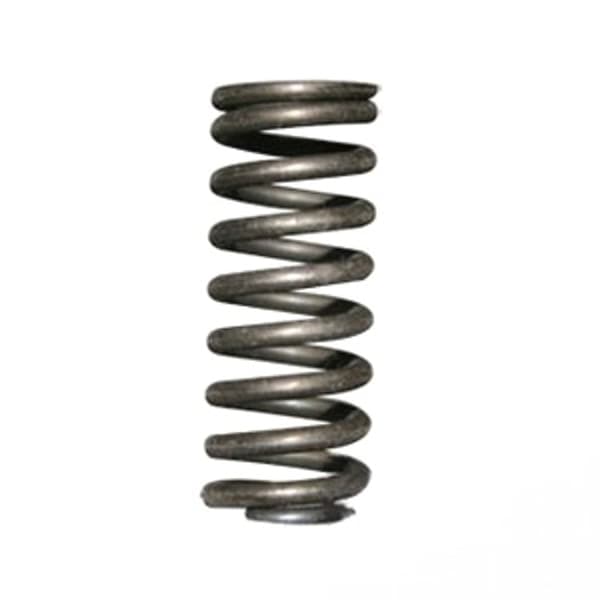
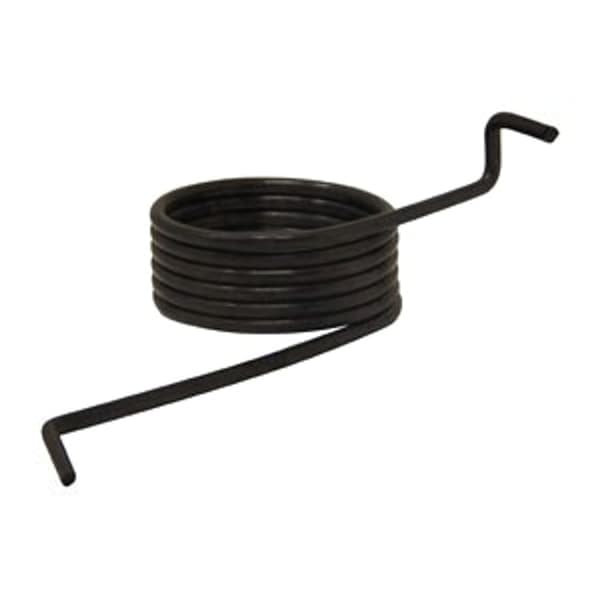
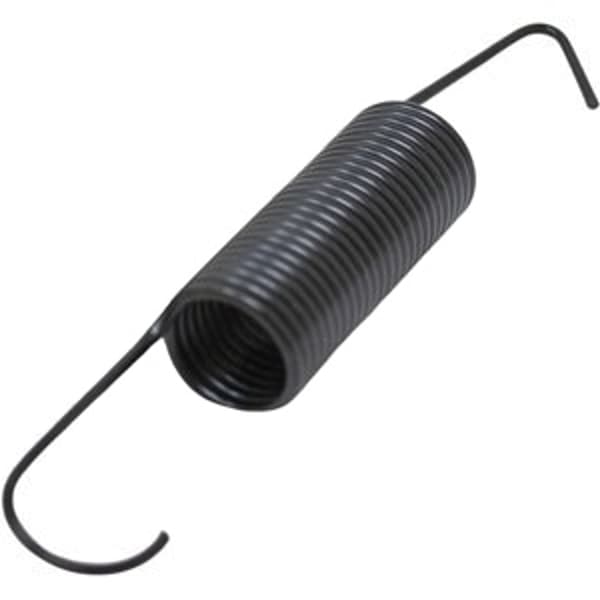
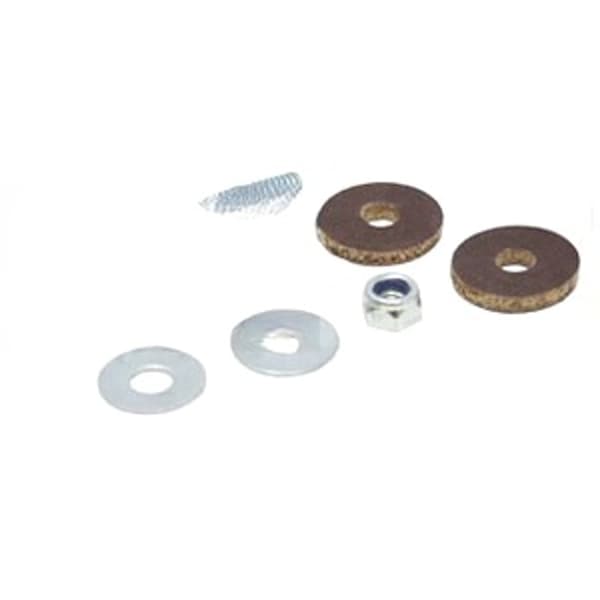
🔍 Looking for a specific part? Try our AI Part Finder — tell it your equipment and what you need, and it will find matching parts instantly.
Understanding Baler Springs
Baler springs are responsible for providing the necessary tension and force for various baler operations. Whether it's the tension springs controlling bale density, the pickup springs ensuring efficient hay gathering, or the knotter springs guaranteeing secure bale tying, each spring is designed for a specific purpose. When these springs lose tension, break, or become corroded, your baler's performance suffers. This can lead to inconsistent bale sizes, missed hay frustrating knotting failures. Understanding the different types of baler springs will help you diagnose problems and keep your baler operating at peak performance. Remember, maintaining your hay and forage equipment ensures a quality harvest.
Baler Tension Springs
Baler tension springs are essential for regulating the density of your hay bales. These springs apply pressure to the bale chamber, controlling how tightly the hay is compressed. Over time, these springs can weaken, leading to loose, poorly formed bales.
Identifying Tension Spring Issues
- Inconsistent Bale Density Bales vary significantly in weight and firmness.
- Loose Bales Bales unravel easily or lack the desired tightness.
- Difficulty Adjusting Density The density adjustment mechanism is ineffective.
- Visual Inspection Look for cracks, corrosion, or stretching in the springs.
Tension Spring Maintenance and Replacement
- Inspect Regularly Check tension springs before each baling season and periodically throughout.
- Lubricate Apply a light coat of penetrating oil to the springs to prevent corrosion.
- Adjust Tension Follow your baler's manual for proper tension settings. Over-tightening can damage the springs.
- Replace Worn Springs If springs are cracked, stretched, or corroded, replace them immediately. Madison Tractor Company offers a wide range of tension springs for brands like John Deere, New Holland, Case IH more.
When replacing tension springs, refer to your baler's manual for the correct OEM part number. For example, a John Deere baler might require tension springs with part number, while a New Holland baler could use part number 86514332. We can help you find the correct baler spring for your machine. If you also need to maintain your round baler, be sure to inspect your round baler belts for wear.
Baler Pickup Springs
Baler pickup springs are crucial for efficiently gathering hay from the windrow and feeding it into the baler. These springs are attached to the pickup teeth (or tines) and provide the necessary flexibility and resilience to prevent damage when encountering uneven ground or obstacles.
Identifying Pickup Spring Issues
- Missed Hay The pickup struggles to gather all the hay from the windrow.
- Broken Pickup Teeth Frequent breakage of pickup teeth due to excessive stress.
- Uneven Hay Intake The baler receives hay unevenly, leading to lopsided bales.
- Spring Fatigue Pickup springs appear weak or deformed.
Pickup Spring Maintenance and Replacement
- Regular Inspection Examine pickup springs for damage or fatigue before each use.
- Check for Obstructions Remove any debris (twine, wire, rocks) that may be interfering with the pickup.
- Replace Worn Springs Replace any springs that are bent, broken, or significantly weaker than others. Replacing a baler pickup teeth, such as a spring tooth, along with the spring is often best practice.
- Proper Adjustment Ensure the pickup height and angle are correctly adjusted according to the manufacturer's specifications.
Madison Tractor Company stocks a wide variety of pickup teeth and springs for various baler models. For example, a Case IH baler might require pickup springs with part number 87702627, while a Massey Ferguson baler could use part number 3788469M1. Remember to use the correct baler spring.
Baler Knotter Springs
Knotter springs are vital for the reliable operation of the knotter mechanism, which ties the twine around the bale. These springs provide the tension and force required to create strong, secure knots.
Identifying Knotter Spring Issues
- Missed Knots The baler fails to tie the twine, resulting in loose bales.
- Weak Knots The knots are easily broken, causing bales to come apart.
- Twine Breakage The twine breaks frequently during the knotting process.
- Inconsistent Knotting The knotter mechanism ties knots inconsistently.
Knotter Spring Maintenance and Replacement
- Regular Cleaning Keep the knotter mechanism clean and free of debris.
- Lubrication Apply a light coat of oil to the knotter components, including the springs.
- Check Spring Tension Ensure the knotter springs have the correct tension. Adjust as needed according to the manufacturer's specifications.
- Replace Worn Springs Replace any springs that are damaged or have lost their tension.
Madison Tractor Company carries a complete line of baler knotter parts, including knotter springs for brands like John Deere, New Holland, Case IH more. For example, a John Deere baler might require knotter springs with part number, while a New Holland baler could use part number 86514414. The correct spring ensures proper knot formation, preventing frustrating bale failures. When choosing your baler spring, be mindful of the type of baler twine you use, as knotter tension may need adjustment accordingly.
General baler spring Maintenance Tips
- Use the Correct Springs Always use the correct type and size of spring for your baler model. Refer to your baler's manual for the correct specifications or consult with a qualified mechanic.
- Proper Storage When storing your baler for the off-season, release tension on the springs to prevent fatigue.
- Consistent Lubrication Regularly lubricate all moving parts, including springs, to prevent corrosion and wear.
- Preventative Maintenance Implement a preventative maintenance program to identify and address potential issues before they lead to breakdowns. Check other hay baling related equipment components like chains, belts and gears.
Brands We Serve
Madison Tractor Company offers a wide range of baler springs and other parts for all major brands, including
- John Deere
- Case IH
- Ford
- New Holland
- Massey Ferguson
- Kubota
- Allis Chalmers
- Deutz
- International Harvester
- Oliver
- White
- Gleaner
- Vermeer
- Hesston
- Mahindra
- Zetor
We understand that finding the right parts for your farm equipment can be challenging. That's why we offer a comprehensive online catalog and knowledgeable customer support to help you find exactly what you need. Whether you're looking for a radiator for your John Deere tractor, a fuel pump for your Case IH combine, or New Holland baler parts, we've got you covered.
Safety First
Working on farm equipment can be dangerous. Always follow these safety precautions
- Disconnect Power Before working on any baler component, disconnect the power source and ensure the machine is properly locked out.
- Wear Safety Gear Wear appropriate safety glasses, gloves footwear.
- Refer to Manual Always consult your baler's operator's manual for specific safety instructions and procedures.
- Seek Professional Help If you are not comfortable performing a repair, seek assistance from a qualified mechanic.
Conclusion
Maintaining your baler springs is crucial for optimal baling performance. By understanding the different types of springs, identifying potential issues following proper maintenance procedures, you can keep your baler running smoothly and efficiently. Remember to inspect your baler regularly for worn or damaged parts. When you need replacement parts, Madison Tractor Company is here to help. We are committed to providing high-quality parts and exceptional customer service to keep your farm equipment running at its best. If you need other baler equipment be sure to check out our John Deere baler parts, New Holland baler partsCase IH baler parts pages.
Shop Madison Tractor Company for all your baler spring and farm equipment parts needs! Visit our website or contact our knowledgeable customer support team today to find the right parts for your machine. You can also use our AI-Powered Part Finder to search for parts by your specific make and model.
Part of our comprehensive guide
Hay Equipment Parts Guide: Baler, Mower & Rake Replacement Parts