








Baler Belt Lacing: Clipper & Alligator Splice Repair
A broken baler belt can halt hay production. This guide covers common baler belt lacing methods, including clipper and alligator splices, providing practical advice for repair and maintenance to keep your baler running smoothly.
Introduction to Baler Belt Lacing
When a baler belt breaks in the field, time is of the essence. Getting your baler back up and running quickly is crucial to minimize downtime and keep your hay operation on schedule. Baler belt lacing, using methods like clipper and alligator splices, provides a reliable way to repair damaged belts, saving you time and money compared to replacing the entire belt. This guide will walk you through the process of identifying the right lacing, performing the repair, and maintaining your baler belts for optimal performance. Remember to always consult your baler's operator manual for specific recommendations for your make and model.
Recommended Parts for This Guide
10 parts we recommend — in stock, ships fast, one-click add to cart.
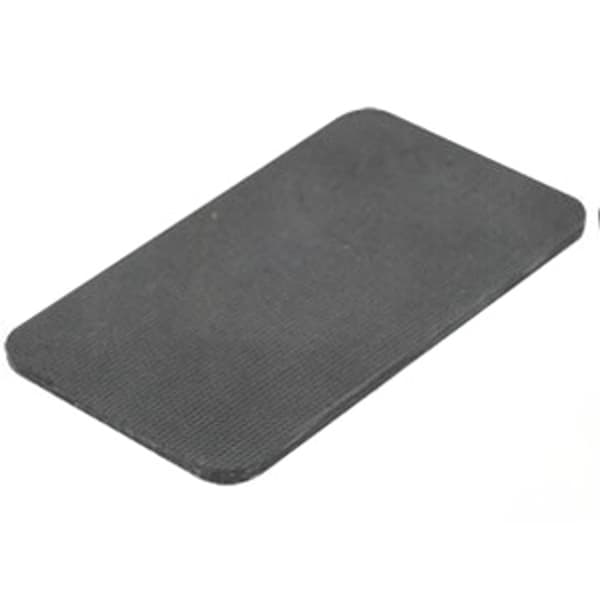
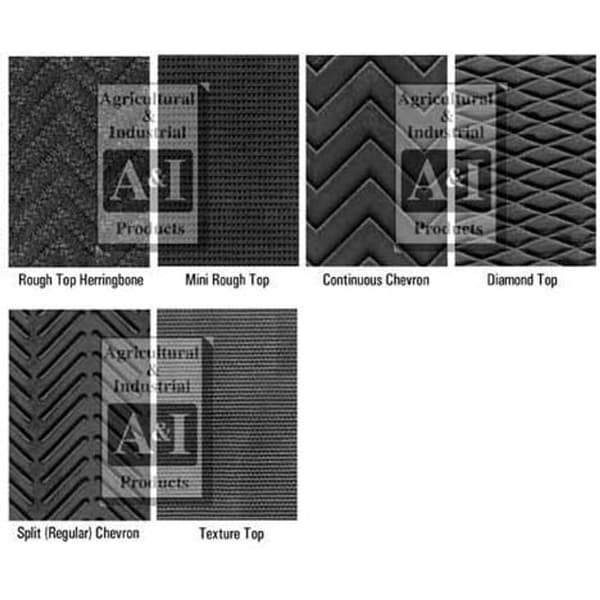
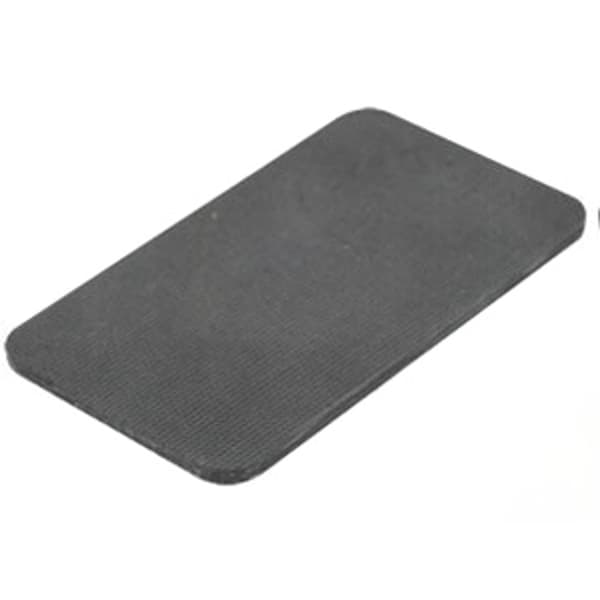
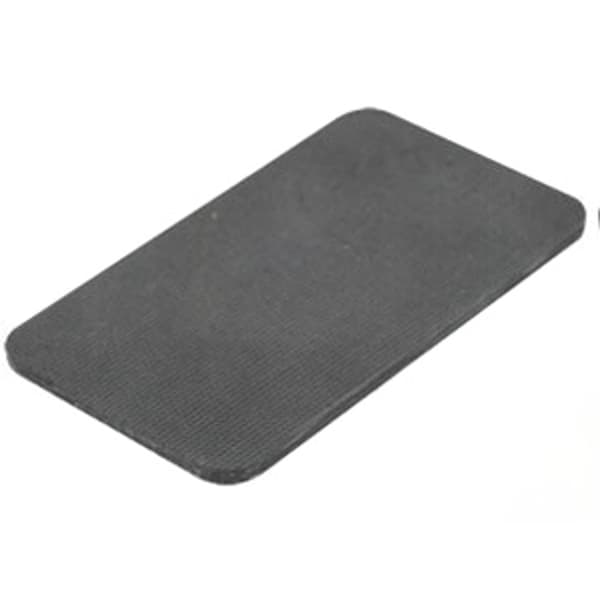
🔍 Looking for a specific part? Try our AI Part Finder — tell it your equipment and what you need, and it will find matching parts instantly.
Madison Tractor Company carries a wide selection of round baler belts and lacing supplies to keep you in the field. We stock parts for major brands like John Deere, New Holland, Case IH, Massey Ferguson, and more. Whether you need a complete replacement belt or just some baler parts, we've got you covered.
Understanding Baler Belt Splices
Baler belt splices are the connections that join the ends of the belt, forming a continuous loop. Two common types of splices are:
- Clipper Splices: These utilize a hinge-like design with metal staples that are driven through the belt material and clinched on the other side. They offer high strength and are suitable for various belt thicknesses.
- Alligator Splices: These use metal fasteners that clamp onto the belt ends, providing a strong and relatively easy-to-install connection. They are generally used for lighter-duty applications than clipper splices.
Choosing the Right Lacing
Selecting the appropriate lacing depends on factors such as belt thickness, operating tension, and the type of material being baled. Consult your baler's manual or a belt lacing chart for recommended lacing sizes and materials. For heavy-duty applications, such as round balers processing high volumes of dense hay, clipper splices are often preferred. For smaller square balers or lighter materials, alligator splices may suffice.
Tools and Materials Needed
Before you begin, gather the necessary tools and materials:
- New Baler Belt Lacing: Ensure you have the correct size and type of lacing for your belt.
- Lacing Tool: A dedicated lacing tool is essential for properly installing clipper or alligator splices.
- Hammer: A hammer may be needed to drive in the staples or fasteners.
- Punch or Awl: Used to align the belt and lacing.
- Measuring Tape: Accurate measurement is crucial for a proper splice.
- Belt Cutter or Sharp Knife: To trim the belt ends squarely.
- Work Gloves: To protect your hands.
- Safety Glasses: Eye protection is essential.
- Straight Edge: Ensures a straight cut on the belt ends.
- (Optional) Belt Clamps: To hold the belt ends in alignment during installation.
Repairing a Baler Belt with Clipper Lacing
Here's a step-by-step guide to repairing a baler belt using clipper lacing:
- Safety First: Disengage the baler PTO and ensure the engine is off and the parking brake is engaged. Never work on a machine while it is running.
- Prepare the Belt Ends: Cut the damaged ends of the belt squarely using a belt cutter or sharp knife and a straight edge. Remove any frayed or damaged material. The belt ends must be even for a strong splice.
- Position the Belt in the Lacing Tool: Place the belt ends into the clipper lacing tool, ensuring they are aligned and flush with the tool's edge. The tool will hold the belt securely while you install the staples.
- Install the Staples: Use the lacing tool to drive the clipper staples through the belt and clinch them on the other side. Follow the tool manufacturer's instructions carefully. Ensure all staples are properly clinched for a secure connection.
- Insert the Hinge Pin: Once the staples are installed on both belt ends, join the two sections together and insert the hinge pin through the loops created by the staples. This pin provides the flexible connection that allows the belt to bend around the baler rollers.
- Check the Splice: Inspect the completed splice to ensure the staples are properly clinched and the hinge pin is securely in place. The splice should be smooth and even, without any protruding staples that could damage the baler.
Clipper Lacing Tips
- Use the Correct Staple Size: Using the wrong staple size can compromise the strength of the splice. Refer to the lacing chart for your belt thickness.
- Maintain Proper Tension: Ensure the belt is under the correct tension when installing the lacing. Too little tension can result in a weak splice, while too much tension can damage the belt or lacing.
- Inspect Regularly: Regularly inspect the clipper splice for wear or damage. Replace the lacing if you notice any signs of wear, such as loose staples or a bent hinge pin.
Repairing a Baler Belt with Alligator Lacing
Here's how to repair a baler belt with alligator lacing:
- Safety First: Same as with clipper lacing, ensure the baler is completely shut down and secured.
- Prepare the Belt Ends: Again, cut the belt ends squarely.
- Position the Belt in the Alligator Lacing: Place the belt ends into the alligator lacing, ensuring they are properly seated and aligned.
- Install the Fasteners: Use a hammer or the specific tool designed for alligator lacing to drive the fasteners through the belt and secure the connection. Make sure all fasteners are firmly in place.
- Check the Splice: Inspect the splice, making sure the fasteners are tight and the connection is secure.
Alligator Lacing Tips
- Proper Alignment: Ensure proper alignment of the belt ends within the lacing is critical for a strong and durable splice.
- Tighten Fasteners: Periodically check and tighten the fasteners to maintain a secure connection.
- Consider Belt Material: Alligator lacing may not be suitable for all belt materials. Check compatibility before installation.
Maintaining Your Baler Belts and Lacing
Proper maintenance can significantly extend the life of your baler belts and lacing:
- Regular Inspection: Regularly inspect your baler belts and lacing for wear, damage, or loose fasteners. Catching problems early can prevent more serious breakdowns.
- Cleanliness: Keep your baler belts and rollers clean to prevent buildup of debris that can cause wear and slippage.
- Proper Tension: Maintain proper belt tension according to your baler's manual. Over-tensioning can lead to premature wear and failure, while under-tensioning can cause slippage and uneven bale formation.
- Storage: When storing your baler for extended periods, release the belt tension to prevent stretching and deformation.
Troubleshooting Common Issues
- Belt Slippage: Slippage can be caused by worn belts, improper tension, or buildup of debris. Clean the belts and rollers, adjust the tension, or replace worn belts as needed.
- Uneven Bale Formation: Uneven bales can result from improper belt tension, worn belts, or incorrect baler settings. Adjust the tension, replace worn belts, and consult your baler's manual for proper settings.
- Belt Breakage: Frequent belt breakage can indicate excessive wear, improper lacing, or overloading the baler. Inspect the belts and lacing regularly, use the correct lacing type, and avoid overloading the baler.
Finding the Right Parts at Madison Tractor Company
Madison Tractor Company is your one-stop shop for all your baler part needs. We carry a wide selection of baler belts, lacing, pickup teeth, knotter parts, and other components for major brands like John Deere, Case IH, New Holland, Massey Ferguson, Kubota, Allis Chalmers, Deutz, International Harvester, Oliver, White, Gleaner, Vermeer, Hesston, Mahindra, and Zetor. Whether you need a new radiator for your John Deere 4020 or a fuel pump for your New Holland 660, we have the parts you need to keep your baler running smoothly. We also offer a wide selection of gaskets, pistons, bearings, and seals for engine repairs.
Conclusion
Baler belt lacing is a vital skill for any farmer or rancher who relies on baling equipment. By understanding the different types of lacing, following proper repair procedures, and maintaining your belts and lacing regularly, you can minimize downtime and keep your hay operation running efficiently. Remember to always prioritize safety and consult your baler's manual for specific recommendations. Contact us today to find the baler twine, net wrap, belts, and other parts you need!
Don't let a broken baler belt slow you down. Shop Madison Tractor Company for all your hay and forage equipment parts. We have a wide selection of parts in stock and ready to ship, so you can get back to baling as quickly as possible. Shop Baler Parts Now! You can also use our AI-Powered Part Finder to search for parts by your specific make and model.
Part of our comprehensive guide
Hay Equipment Parts Guide: Baler, Mower & Rake Replacement Parts