








Small Engine Fuel Line: Sizes, Types & Ethanol Safe
Choosing the right fuel line for your small engine is critical for performance and longevity. This guide covers fuel line sizes, material types, and ethanol compatibility, ensuring you select the correct fuel line for your equipment.
Understanding Small Engine Fuel Lines
The fuel line is a critical component of any small engine, responsible for delivering fuel from the tank to the carburetor. A degraded, cracked, or incorrect fuel line can lead to poor engine performance, fuel leaks, and even engine damage. Whether you're working on a John Deere riding mower, a Craftsman lawn mower, or a Toro snow blower, understanding fuel lines is essential.
Recommended Parts for This Guide
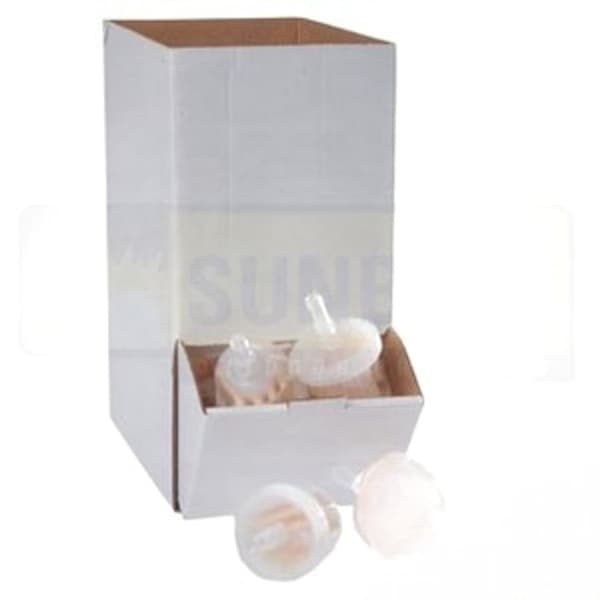
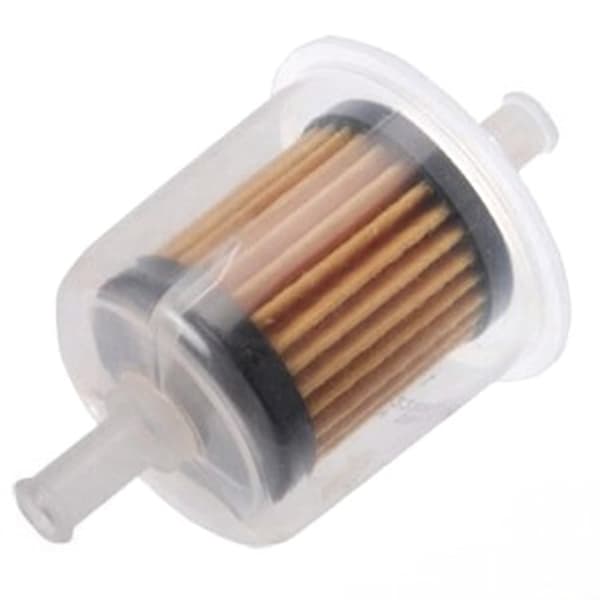
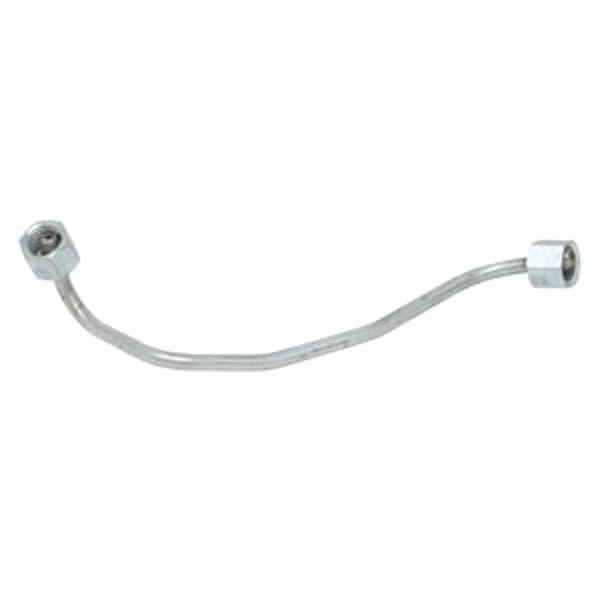
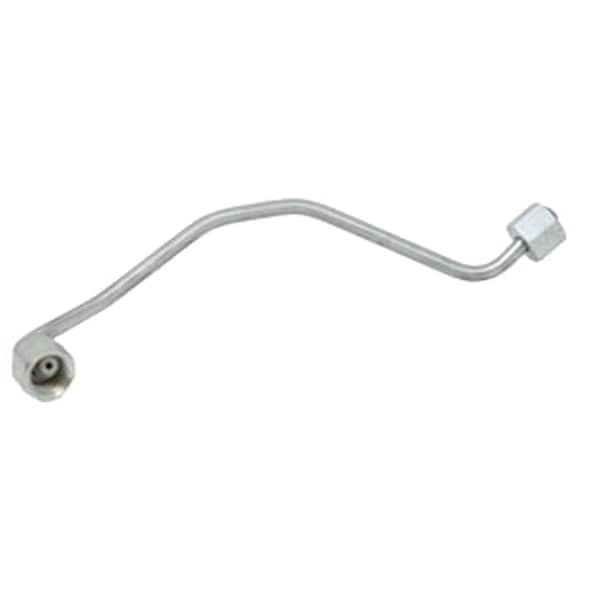
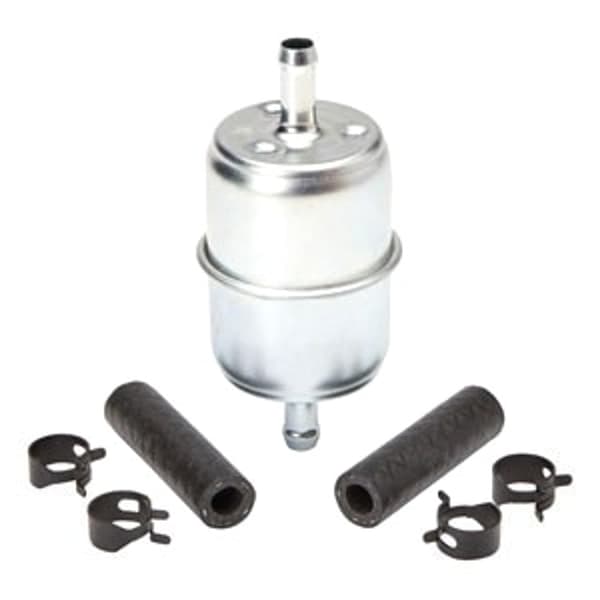
9 parts we recommend — in stock, ships fast, one-click add to cart.
🔍 Looking for a specific part? Try our AI Part Finder — tell it your equipment and what you need, and it will find matching parts instantly.
This guide will walk you through the different types of fuel lines, how to measure them correctly, and the importance of using ethanol-safe materials. We'll also touch on common problems and solutions.
Types of Fuel Line Materials
Several materials are used in small engine fuel lines, each with its own advantages and disadvantages:
- Rubber: Traditional rubber fuel lines are inexpensive but are quickly degraded by ethanol. Avoid using standard rubber fuel lines if you use fuel with ethanol.
- Vinyl/Plastic: Similar to rubber, these are often low cost but also not resistant to ethanol damage. They can become brittle and crack over time.
- Tygon: A very popular choice due to its resistance to fuel and oil, flexibility, and durability. Tygon is a good choice but ensure it's formulated for ethanol use if needed.
- Polyurethane: Polyurethane fuel lines are more resistant to chemicals than rubber or vinyl, including ethanol. They are a good all-around choice for modern fuels.
- Ethanol-Resistant Synthetic Rubber: These fuel lines are specifically designed to withstand the corrosive effects of ethanol in gasoline. Look for fuel lines labeled as "ethanol-safe" or "ethanol-resistant." This is often a specially formulated fluoroelastomer.
Recommendation: Always choose an ethanol-resistant fuel line, especially if you use fuel containing ethanol (E10 or higher). Ethanol can degrade non-resistant fuel lines quickly, leading to clogs and leaks. A good ethanol-resistant fuel line will save you time and money in the long run.
Understanding Fuel Line Sizes
Fuel line size is crucial for proper fuel delivery. Using a fuel line that is too small can starve the engine, while one that is too large can cause fuel delivery problems. Fuel line sizes are typically indicated by their inner diameter (ID).
Common Fuel Line Sizes (Inner Diameter)
- 1/8 inch (0.125"): Common for smaller engines and fuel return lines.
- 3/16 inch (0.1875"): A standard size for many small engines, including lawn mowers and snow blowers.
- 1/4 inch (0.25"): Used for larger engines and those requiring higher fuel flow.
- 5/16 inch (0.3125"): Commonly found on larger equipment like garden tractors and zero-turn mowers.
How to Measure Fuel Line Size
- Remove the Old Fuel Line: Carefully disconnect the old fuel line from the fuel tank and small engine fuel pump or Briggs & Stratton carburetor.
- Measure the Inner Diameter: Use a caliper or a set of drill bits to determine the inner diameter of the fuel line. Find the drill bit that fits snugly inside the fuel line without stretching it. The size of the drill bit will give you the fuel line's ID.
- Check the Old Fuel Line (if possible): Sometimes, the fuel line size is printed directly on the fuel line itself. Look closely for markings.
Pro Tip: If you're unsure of the fuel line size, consult your engine's service manual or the equipment manufacturer's website. You can also bring the old fuel line to a local small engine parts store like Madison Tractor Company for assistance.
The Ethanol Problem
Ethanol is an alcohol added to gasoline for various reasons, including increasing octane and reducing emissions. However, ethanol can be corrosive to many materials commonly used in older small engine fuel systems. Here's why it's a problem:
- Degradation: Ethanol can degrade rubber and some plastic fuel lines, causing them to become brittle, crack, and leak.
- Clogging: As the fuel line degrades, small pieces of material can break off and clog the small engine carburetor kit, fuel filter, and other fuel system components.
- Water Absorption: Ethanol absorbs water from the air, which can lead to rust and corrosion in the fuel tank and other metal parts of the fuel system.
Choosing Ethanol-Safe Fuel Lines
To avoid the problems associated with ethanol, it's essential to use fuel lines specifically designed to resist its effects. Look for fuel lines labeled as:
- Ethanol-Resistant
- Ethanol-Safe
- Fuel Injection Hose
These fuel lines are typically made from synthetic rubber or other materials that are not affected by ethanol. They will last much longer and provide reliable performance.
Replacing Your Fuel Line
Replacing a fuel line is a relatively simple task that can save you a lot of headaches down the road. Here's a step-by-step guide:
- Safety First: Disconnect the spark plug wire to prevent accidental starting. Work in a well-ventilated area away from open flames.
- Drain the Fuel Tank: If possible, drain the fuel tank to minimize spillage.
- Remove the Old Fuel Line: Carefully disconnect the old fuel line from the fuel tank, Kohler fuel pump, and Kawasaki engine carburetor (or other fuel system components). Use pliers if necessary, but be careful not to damage the fittings.
- Measure and Cut the New Fuel Line: Cut the new fuel line to the same length as the old one. It's better to cut it slightly longer than shorter.
- Install the New Fuel Line: Connect the new fuel line to the fuel tank, fuel pump, and carburetor. Make sure the fuel line is securely attached and there are no kinks or bends. Use new fuel line clamps if necessary.
- Check for Leaks: Refill the fuel tank and check for leaks around the fuel line connections. Start the engine and let it run for a few minutes, then check again for leaks.
- Proper Disposal: Dispose of the old fuel line responsibly according to local regulations.
Warning: Gasoline is flammable. Take precautions to prevent fires and explosions when working with fuel. Wear safety glasses and gloves.
Common Fuel Line Problems
- Cracked or Brittle Fuel Line: This is often caused by ethanol damage or age. Replace the fuel line with an ethanol-resistant one.
- Fuel Leak: A fuel leak can be caused by a cracked fuel line, loose connection, or damaged fuel fitting. Inspect the fuel line and connections carefully and replace any damaged parts.
- Clogged Fuel Line: A clogged fuel line can be caused by debris or degraded fuel line material. Try blowing out the fuel line with compressed air or replace it. Also inspect the fuel filter.
- Fuel Starvation: If the engine is not getting enough fuel, it may be due to a kinked or blocked fuel line. Inspect the fuel line and make sure it is not obstructed. It could also point to a failing fuel pump.
Brands We Carry
Madison Tractor Company carries a wide selection of fuel lines and related parts for many popular brands, including:
- John Deere
- Craftsman
- Cub Cadet
- Husqvarna
- Toro
- Ariens
- Murray
- Hustler
- Scag
- Exmark
- Ferris
- Snapper
- Simplicity
- Dixie Chopper
We also stock a full range of other parts, including blades, belts, spindles, pulleys, filters, spark plugs, bearings, and shear pins to keep your equipment running smoothly.
Conclusion
Choosing the right small engine fuel line is essential for the performance and longevity of your equipment. By understanding the different types of fuel lines, their sizes, and the importance of using ethanol-safe materials, you can ensure that your engine runs smoothly and reliably. Remember to always prioritize safety when working with fuel and to consult your engine's service manual for specific recommendations.
For those working on Briggs & Stratton engines, be sure to check out our guides on Briggs & Stratton head gaskets and Briggs & Stratton carburetor rebuild kits.
Shop Fuel Lines and Small Engine Parts at Madison Tractor
At Madison Tractor Company, we're committed to providing you with high-quality parts and expert advice to keep your outdoor power equipment running at its best. Browse our selection of fuel lines, carburetors, and other small engine parts to find exactly what you need. Our knowledgeable staff is always available to answer your questions and help you find the right parts for your specific application. You can also use our AI-Powered Part Finder to search for parts by your specific make and model.
Part of our comprehensive guide
Small Engine Parts Guide: Carburetors, Fuel Pumps & Gaskets by Engine