








Small Engine Oil Seal: Crankshaft & PTO Seals
Small engine oil leaks often stem from worn or damaged oil seals around the crankshaft or PTO. This guide covers diagnosis, replacement, and selection of the correct seal for your equipment.
Introduction to Small Engine Oil Seals
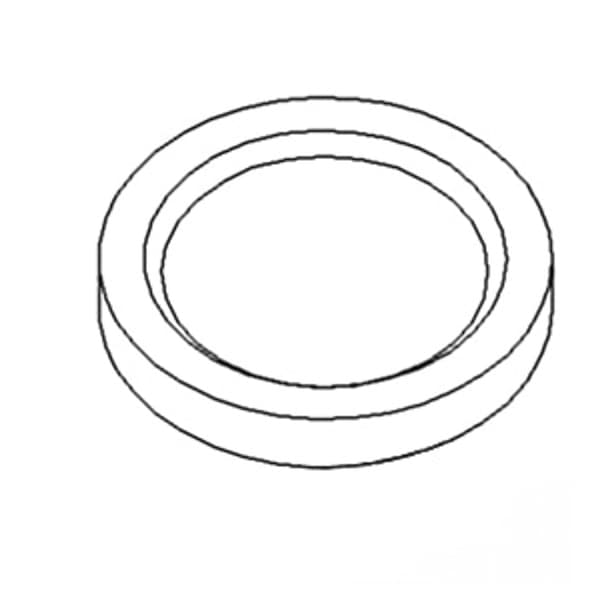
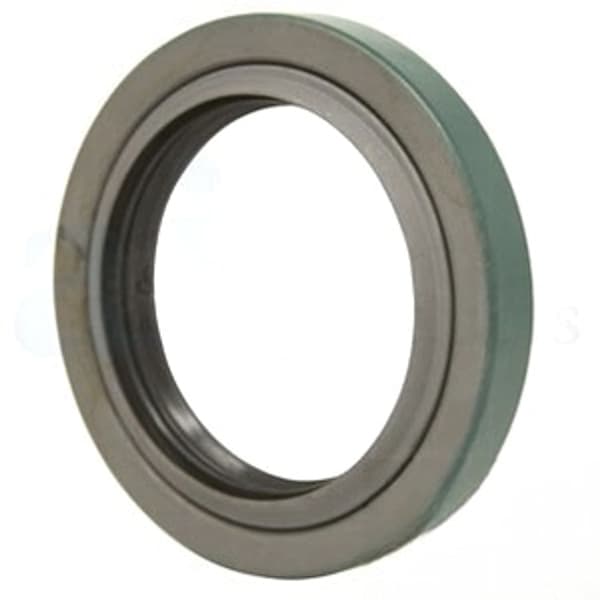
Small engines, whether powering your lawn mower, snow blower, or other outdoor equipment, rely on oil to lubricate moving parts and keep things running smoothly. One crucial component in maintaining proper oil levels is the small engine oil seal. These seals, typically located around the crankshaft and PTO (Power Take-Off) shaft, prevent oil from leaking out of the engine. Over time, these seals can wear down, become brittle, or get damaged, leading to leaks. Ignoring these leaks can result in engine damage due to low oil levels.
Recommended Parts for This Guide
6 parts we recommend — in stock, ships fast, one-click add to cart.
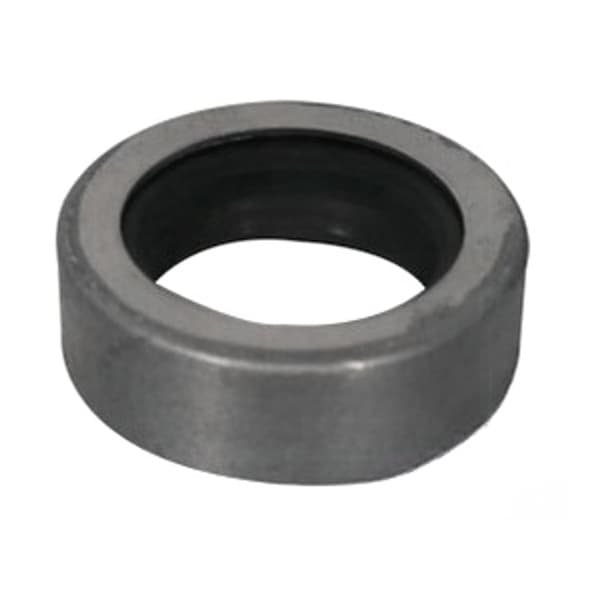
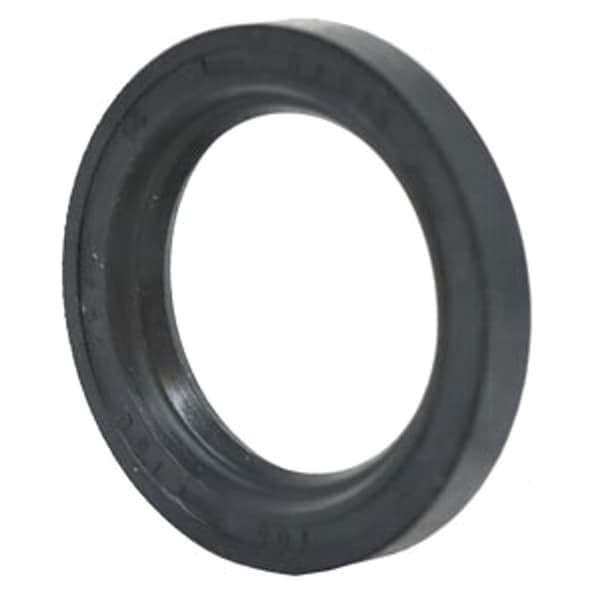
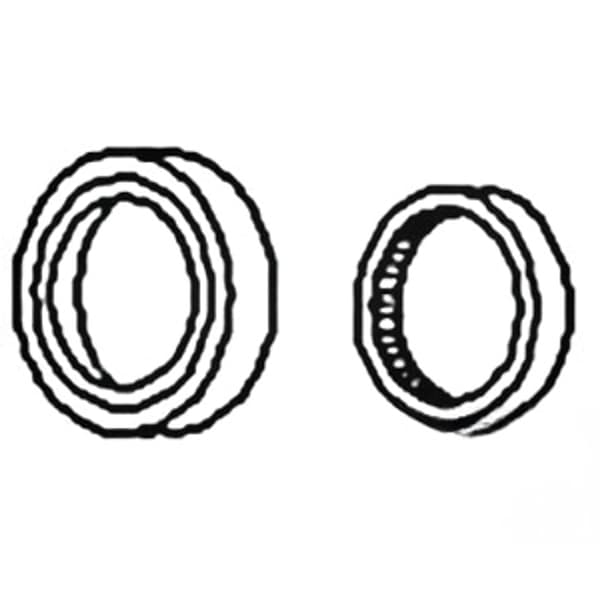
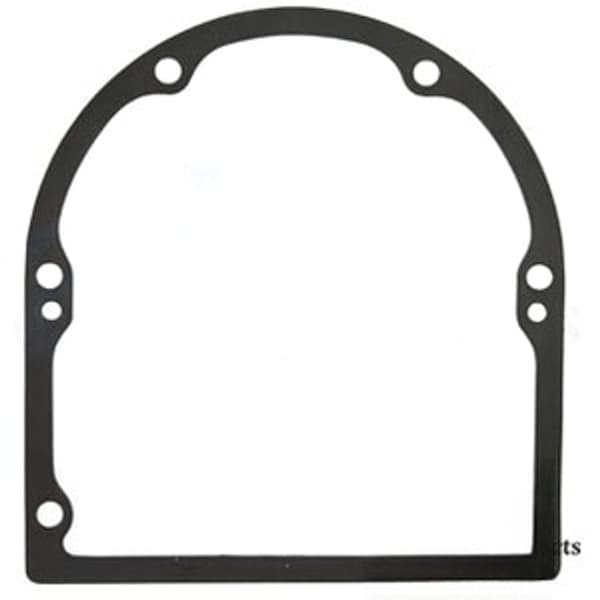
🔍 Looking for a specific part? Try our AI Part Finder — tell it your equipment and what you need, and it will find matching parts instantly.
This guide will walk you through identifying oil seal leaks, understanding the different types of seals, and providing instructions for replacing them. Whether you own a John Deere, Craftsman, Cub Cadet, Husqvarna, Toro, Ariens, Murray, Hustler, Scag, Exmark, Ferris, Snapper, Simplicity, or Dixie Chopper, this information will help you keep your equipment in top condition.
Identifying a Leaking Small Engine Oil Seal
The first step is to correctly identify the source of the oil leak. Common symptoms of a failing oil seal include:
- Visible Oil Leak: This is the most obvious sign. Look for oil accumulating around the crankshaft or PTO shaft area.
- Oil Spots Underneath the Equipment: A puddle of oil beneath your mower or snowblower is a strong indicator of a leak.
- Low Oil Level: Regularly check your engine oil level. A consistently low level, even after topping off, suggests an oil leak.
- Excessive Smoke: While not always indicative of a seal leak alone, blue or white smoke from the exhaust could indicate oil burning, potentially caused by a seal leak allowing oil into the combustion chamber.
Once you suspect a leak, clean the area around the crankshaft and PTO seal. Run the engine briefly and carefully observe where the oil is originating. This will help confirm the seal as the source.
Understanding Crankshaft and PTO Seals
Crankshaft Seals: These seals are typically located at both ends of the crankshaft. The front crankshaft seal is behind the engine's pulley and fan, while the rear seal is often near the flywheel or transmission. Leaks from these seals can be caused by age, wear, or damage to the crankshaft surface.
PTO Seals: The PTO seal prevents oil leaks where the power take-off shaft exits the engine. This is especially common on riding mowers and other equipment where the PTO drives attachments like mower decks or snow blowers. The PTO shaft rotation can cause wear on the seal over time. Additionally, the PTO input bearing retainer oil seal is another common point of leakage.
Both crankshaft and PTO seals come in various sizes and materials. It's crucial to select the correct replacement seal for your specific engine model. Consult your engine's service manual or use our parts lookup tool to ensure you order the right part.
Tools and Materials Needed for Replacement
Before starting the replacement process, gather the necessary tools and materials:
- New Oil Seal: Obtain the correct seal for your engine model.
- Socket Set & Wrenches: For removing engine components.
- Screwdrivers: Both flathead and Phillips head screwdrivers may be needed.
- Seal Puller: A specialized tool for removing the old seal. A small pry bar *can* work, but a seal puller minimizes the risk of damaging the engine casing.
- Seal Installer Tool: A tool that evenly presses the new seal into place. If you don't have one, you can use a socket that's slightly smaller than the seal's outer diameter and gently tap it in.
- Hammer or Mallet: For tapping in the new seal.
- Clean Rags: For cleaning the area.
- Oil: To lubricate the new seal before installation.
- Gasket Scraper (if necessary): To remove old gasket material.
- Safety Glasses & Gloves: Protect your eyes and hands.
Replacing a Small Engine Oil Seal: Step-by-Step Guide
Safety First! Always disconnect the spark plug wire before working on your engine to prevent accidental starting. Drain the engine oil if necessary, based on the seal's location.
- Access the Seal: Remove any components blocking access to the oil seal. This might involve removing the engine pulley, flywheel, or PTO clutch, depending on the seal's location. Consult your engine's service manual for specific instructions.
- Remove the Old Seal: Carefully use the seal puller to extract the old seal. If using a pry bar, be extremely cautious not to scratch or damage the engine casing. Work slowly and evenly around the seal.
- Clean the Area: Thoroughly clean the area where the seal sits. Remove any old gasket material or debris. Inspect the crankshaft or PTO shaft for any signs of damage or wear. Minor imperfections can sometimes be addressed with a very fine emery cloth.
- Lubricate the New Seal: Apply a small amount of clean engine oil to the inner and outer surfaces of the new seal.
- Install the New Seal: Using the seal installer tool or a socket of the correct size, gently tap the new seal into place. Ensure the seal is seated squarely and flush with the engine casing. Do not hammer directly on the seal, as this can damage it.
- Reassemble Components: Reinstall all the components you removed to access the seal, such as the pulley, flywheel, or PTO clutch. Torque fasteners to the manufacturer's specifications.
- Refill Oil: If you drained the oil, refill the engine with the correct type and amount of oil.
- Test the Engine: Reconnect the spark plug wire and start the engine. Observe the area around the new seal for any signs of leaks.
Tips for Preventing Future Oil Seal Leaks
- Regular Oil Changes: Changing your engine oil at the recommended intervals keeps the oil clean and helps prevent wear on engine components, including oil seals.
- Use the Correct Oil Type: Using the oil type recommended by the engine manufacturer ensures proper lubrication and helps extend the life of your seals.
- Avoid Overfilling Oil: Overfilling the oil can put excessive pressure on the seals, leading to leaks.
- Inspect Seals Regularly: Periodically inspect your engine's oil seals for signs of wear or damage. Replacing a seal before it fails completely can prevent more serious engine damage.
- Proper Storage: During off-season storage, protect your equipment from extreme temperatures and humidity, which can damage seals.
Related Engine & Fuel System Parts
Maintaining your small engine involves more than just replacing oil seals. Madison Tractor Company carries a wide range of engine and fuel system parts to keep your equipment running smoothly. Be sure to check out our selection of Briggs & Stratton carburetors and Kohler carburetors. We also offer small engine fuel pumps, Briggs & Stratton head gaskets, and Kohler fuel pumps.
For carburetor maintenance, explore our small engine carburetor rebuild kit, Briggs & Stratton carburetor rebuild kit, and Kawasaki engine carburetors. Don't forget to check belts, blades, spindles, pulleys, filters, spark plugs, bearings, and shear pins for other maintenance needs.
Shop small engine parts at Madison Tractor Company
At Madison Tractor Company, we're committed to providing you with high-quality parts and expert advice to keep your outdoor power equipment running at its best. Browse our extensive selection of small engine oil seals and other parts for John Deere, Craftsman, Cub Cadet, Husqvarna, Toro, Ariens, and many other brands. Our easy-to-use website and knowledgeable customer service team make it simple to find the right parts for your needs. Shop with confidence at Madison Tractor Company and keep your equipment running strong! You can also use our AI-Powered Part Finder to search for parts by your specific make and model.
Part of our comprehensive guide
Small Engine Parts Guide: Carburetors, Fuel Pumps & Gaskets by Engine