








Ethanol Resistant Fuel Line for Small Engines
Ethanol in gasoline can wreak havoc on your small engine's fuel system. Learn how to select and install the correct ethanol resistant fuel line to prevent costly repairs and keep your equipment running smoothly.
If you own a lawn mower, snow blower, or any other equipment powered by a small engine, you've probably heard about the problems ethanol can cause. Modern gasoline often contains ethanol, which can degrade rubber and plastic components in older fuel systems. Replacing your fuel line with an ethanol resistant fuel line is a crucial step in protecting your engine and ensuring its longevity. This guide will help you understand the issues caused by ethanol, how to choose the right fuel line, and how to install it properly.
Recommended Parts for This Guide
8 parts we recommend — in stock, ships fast, one-click add to cart.
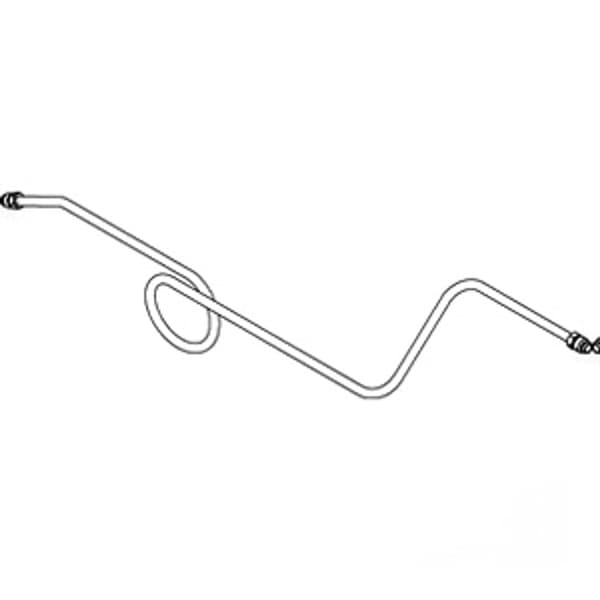
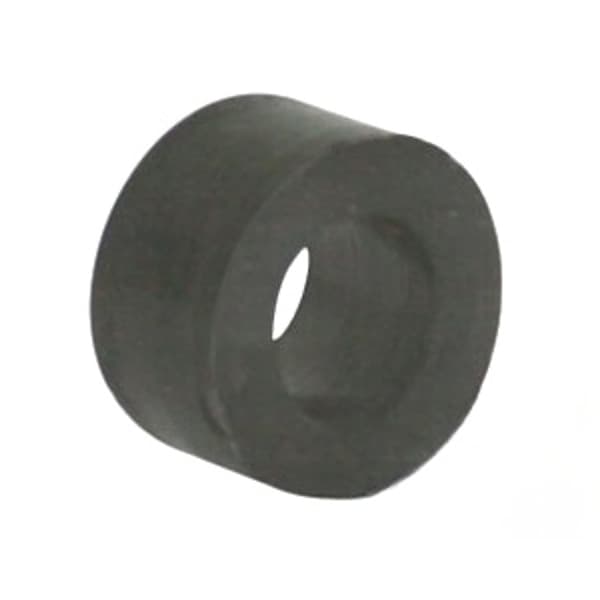
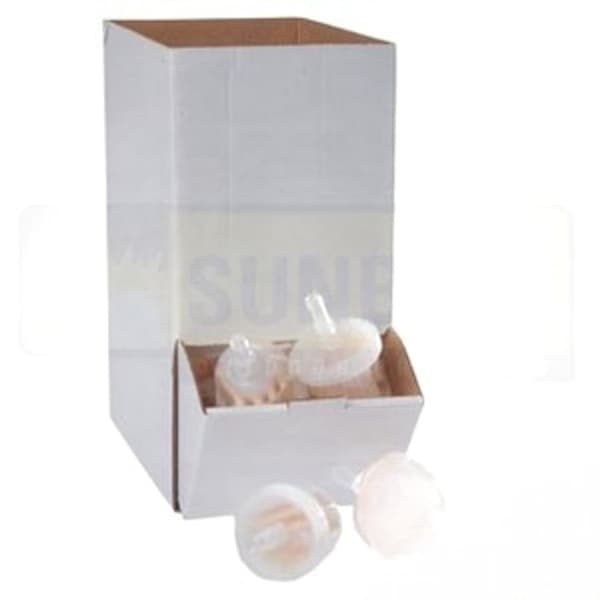
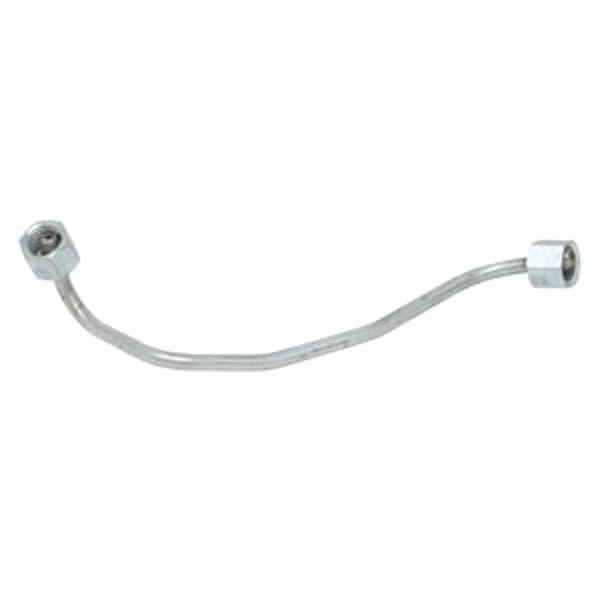
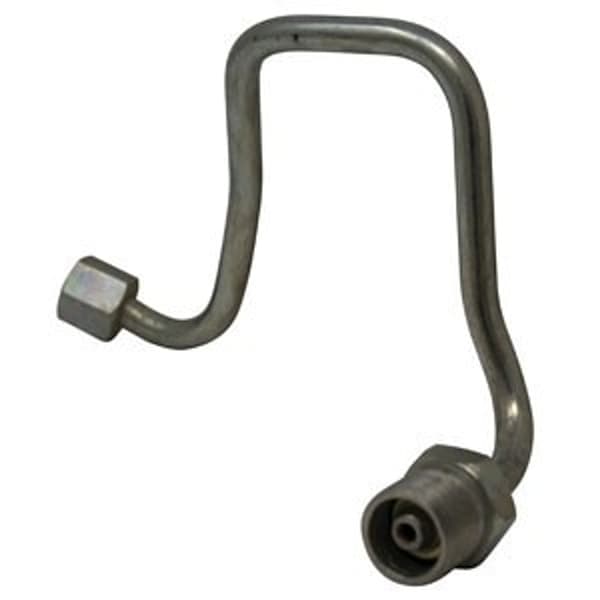
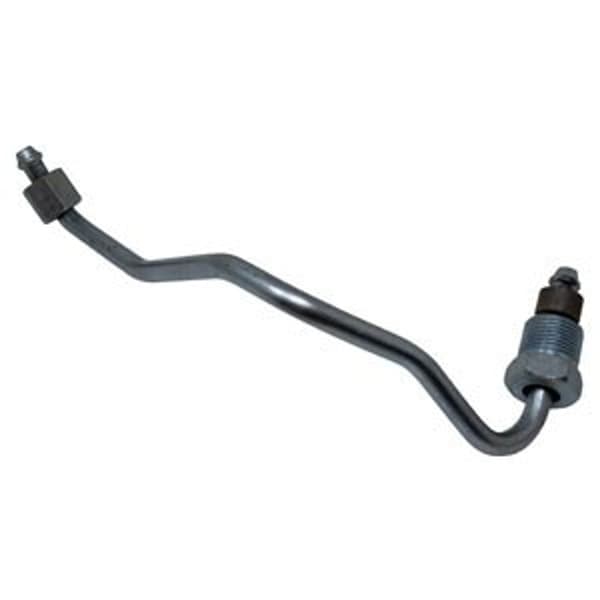
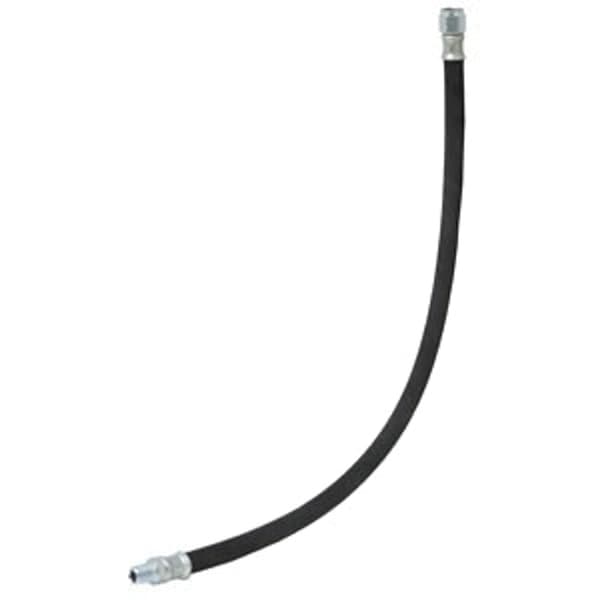
🔍 Looking for a specific part? Try our AI Part Finder — tell it your equipment and what you need, and it will find matching parts instantly.
Understanding the Problems Ethanol Causes
Ethanol is an alcohol added to gasoline for various reasons, including increasing octane and reducing emissions. While it has some benefits, it poses significant problems for small engines, particularly those not designed to run on ethanol-blended fuels. Here’s why:
- Material Degradation: Ethanol can corrode or dissolve rubber and plastic components commonly used in older fuel lines, carburetors, and fuel tanks. This leads to leaks, fuel starvation, and engine failure.
- Water Absorption: Ethanol attracts and absorbs water from the atmosphere. This water can cause rust and corrosion in the fuel tank and other metal parts of the fuel system. Phase separation can occur where the water and ethanol separate from the gasoline, creating a corrosive layer that can damage your engine.
- Clogged Carburetors: As ethanol breaks down fuel lines and other components, it leaves behind gummy deposits that can clog your Briggs & Stratton carburetor or Kohler carburetor. This results in poor engine performance, difficulty starting, and even complete engine shutdown.
Identifying the Right Ethanol Resistant Fuel Line
Choosing the right fuel line is critical to protecting your engine from ethanol damage. Here are some key factors to consider:
Material
- Tygon Fuel Line: Tygon is a popular and highly regarded brand of fuel line known for its excellent resistance to ethanol and other fuels. It's a good choice for most small engine applications, especially if you're dealing with high ethanol concentrations.
- Polyurethane Fuel Line: Polyurethane fuel lines offer good resistance to ethanol and are often more flexible than other types.
- Rubber Fuel Line (EPDM): EPDM (ethylene propylene diene monomer) rubber is a synthetic rubber that is more resistant to ethanol than traditional rubber. However, it may not be as durable as Tygon or polyurethane for high-ethanol blends.
Size
Fuel line size is crucial for proper fuel delivery. Refer to your equipment's owner's manual or measure the existing fuel line to determine the correct inside diameter (ID). Common sizes include 1/4 inch, 3/16 inch, and 5/16 inch. Using the wrong size can restrict fuel flow and cause engine problems.
Length
Purchase enough fuel line to replace all sections that may be affected by ethanol. It's always better to have a little extra than not enough. Consider replacing all the fuel lines at once for a complete and reliable repair.
Compatibility
Ensure that the fuel line is compatible with the type of fuel you're using. While most ethanol resistant fuel lines are designed for gasoline containing up to 10% ethanol (E10), some are also suitable for higher ethanol blends like E15 or E85. Check the manufacturer's specifications to confirm compatibility. For specific engine applications, cross-reference part numbers for brands like John Deere, Craftsman, Cub Cadet, Husqvarna, Toro, Ariens, Murray, Hustler, Scag, Exmark, Ferris, Snapper, Simplicity, and Dixie Chopper to ensure you’re getting the correct fuel line for your equipment.
Fuel Line Installation: A Step-by-Step Guide
Replacing a fuel line is a relatively simple task, but it's essential to follow these steps carefully to avoid leaks and ensure proper engine operation.
Safety First!
- Work in a well-ventilated area: Gasoline fumes are flammable and can be harmful to your health.
- Disconnect the spark plug: This prevents the engine from accidentally starting during the repair.
- Wear safety glasses and gloves: Protect your eyes and skin from fuel and debris.
- Have a fire extinguisher nearby: Just in case!
- Drain the Fuel Tank (If Necessary): If the fuel line is located below the fuel level in the tank, you'll need to drain the tank to prevent fuel from spilling. Use a siphon or fuel pump to remove the fuel and dispose of it properly.
- Remove the Old Fuel Line: Use pliers or fuel line pliers to loosen the clamps holding the old fuel line in place. Gently pull the fuel line off the fittings on the fuel tank, small engine fuel pump (if equipped), fuel filter, and carburetor. Be careful not to damage the fittings.
- Inspect the Fittings: Check the fittings for cracks, corrosion, or damage. Replace any damaged fittings to ensure a tight seal.
- Cut the new fuel line: Measure the length of the old fuel line and cut the new ethanol resistant fuel line to the same length.
- Install the New Fuel Line: Lubricate the ends of the fuel line with a small amount of petroleum jelly or silicone grease to make it easier to slip onto the fittings. Push the fuel line onto the fittings until it's fully seated.
- Secure the Fuel Line: Use new fuel line clamps to secure the fuel line to the fittings. Position the clamps so they provide a tight and even seal without damaging the fuel line.
- Check for Leaks: After installing the new fuel line, add a small amount of fuel to the tank and check for leaks. If you see any leaks, tighten the clamps or replace the fuel line.
- Reconnect the Spark Plug: Once you're sure there are no leaks, reconnect the spark plug and start the engine.
Preventative Maintenance for Long Engine Life
Replacing your fuel line with an ethanol resistant version is a great start, but here are some other things you can do to maintain your engine:
- Use Fuel Stabilizer: Add a fuel stabilizer to your gasoline, especially during periods of storage. Fuel stabilizer helps prevent the fuel from breaking down and forming gum and varnish deposits.
- Drain the Fuel Tank Before Storage: If you're storing your equipment for an extended period, drain the fuel tank completely to prevent fuel degradation.
- Regularly Inspect Fuel System Components: Check your fuel lines, fuel filter, and carburetor for signs of wear, damage, or leaks. Replace these components as needed. A small engine carburetor kit can be a great way to overhaul your carburetor and keep it running smoothly. For specific models, consider a Briggs carburetor rebuild kit.
- Consider Using Ethanol-Free Fuel: If available in your area, use ethanol-free gasoline for your small engines. This eliminates the risk of ethanol-related problems altogether.
- Check your engine's Briggs head gasket periodically for leaks or damage.
Don't Forget Other Wear Items
While you're working on your equipment, it's a good idea to check other common wear items and replace them as needed. This includes belts, blades, spindles, pulleys, filters, spark plugs, bearings, and shear pins. Regular maintenance will keep your equipment running smoothly and prevent costly repairs down the road. Madison Tractor carries a wide range of parts for all your outdoor power equipment needs.
Shop Ethanol Resistant Fuel Line and small engine parts at Madison Tractor
Madison Tractor Company offers a wide selection of high-quality ethanol resistant fuel lines and other small engine parts for brands like John Deere, Craftsman, Cub Cadet, Husqvarna, Toro, Ariens, Murray, Hustler, Scag, Exmark, Ferris, Snapper, Simplicity, and Dixie Chopper. We have the parts you need to keep your lawn mower, snow blower, and other outdoor power equipment running smoothly for years to come.
Browse our selection of fuel lines today and find the perfect fit for your engine. Our knowledgeable staff is here to help you with any questions you may have. We also carry belts, blades, spindles, pulleys, filters, and more! You can also use our AI-Powered Part Finder to search for parts by your specific make and model.
Part of our comprehensive guide
Small Engine Parts Guide: Carburetors, Fuel Pumps & Gaskets by Engine