








Small Engine Piston Rings: Standard & Oversize
Piston rings are crucial for small engine performance. Learn when to use standard or oversized rings, diagnose issues, and find the right replacement for your equipment.
Understanding Small Engine Piston rings
Piston rings are essential components in your small engine, whether it powers your John Deere riding mower, Craftsman snow blower, or any other piece of outdoor power equipment. They create a seal between the piston and the cylinder wall, playing a critical role in compression, oil control, and heat transfer. Over time, these rings can wear down, leading to decreased engine performance. This article will guide you through understanding the function of piston rings, diagnosing common problems, and knowing when to choose standard or oversized replacements.
Recommended Parts for This Guide
8 parts we recommend — in stock, ships fast, one-click add to cart.
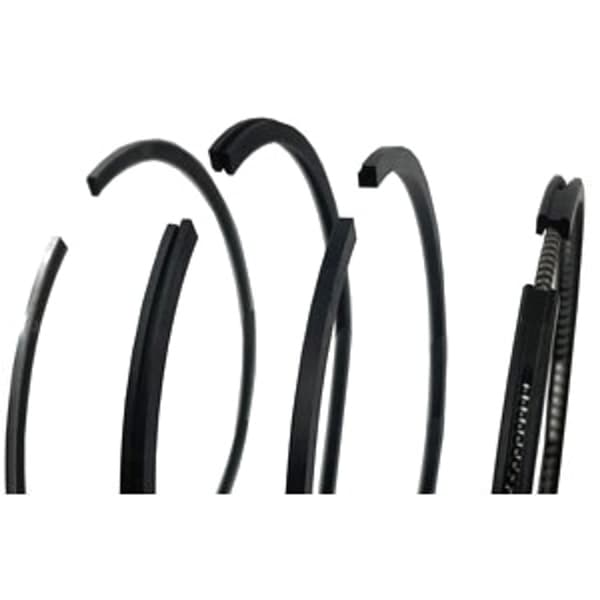
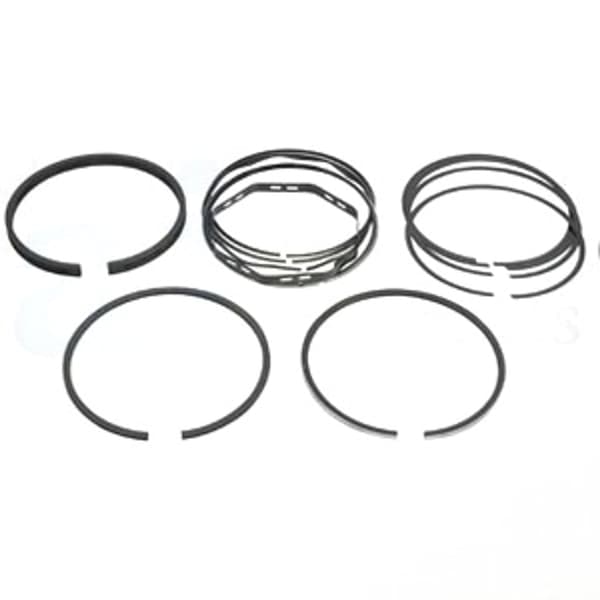
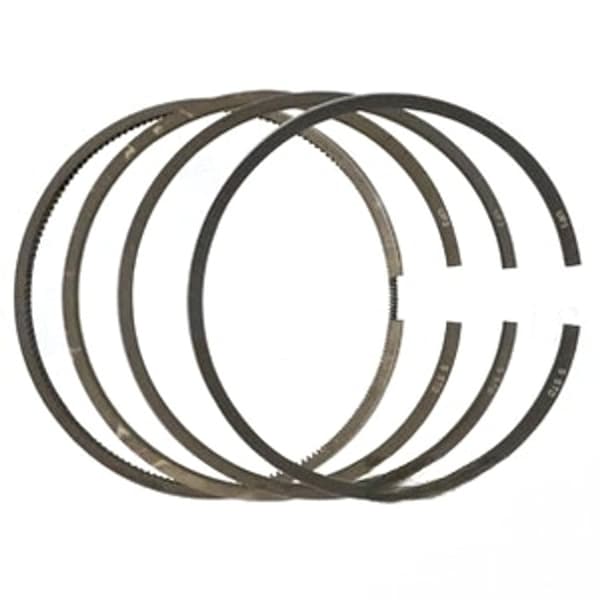
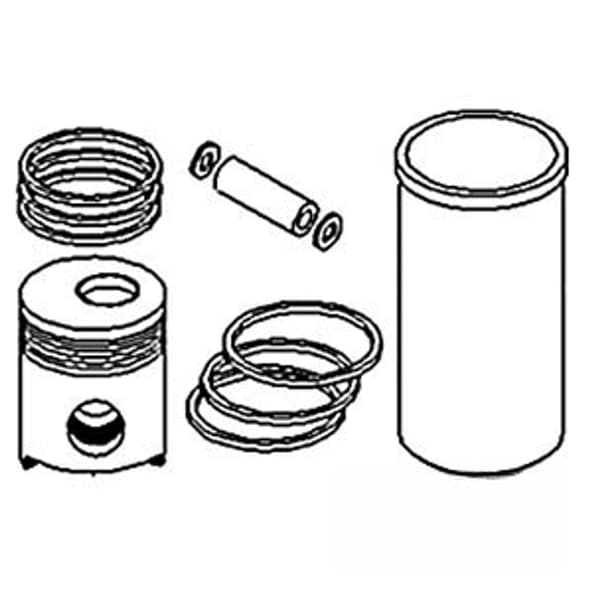
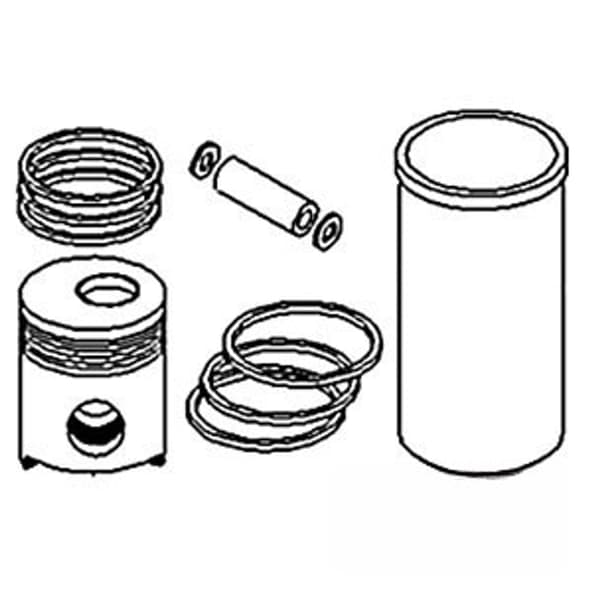
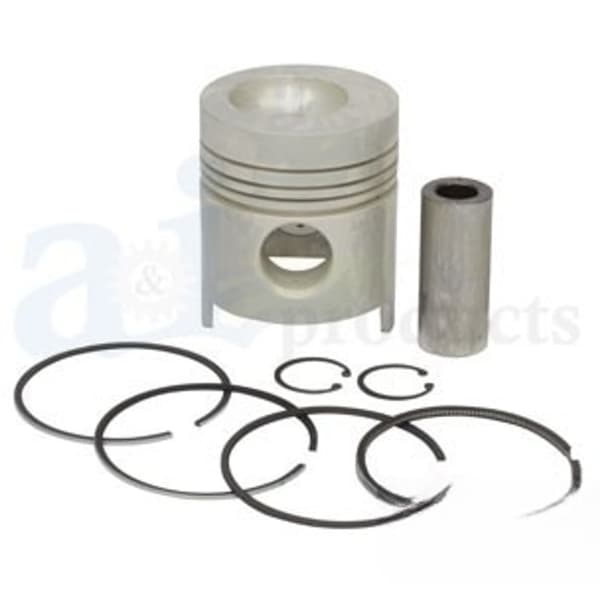
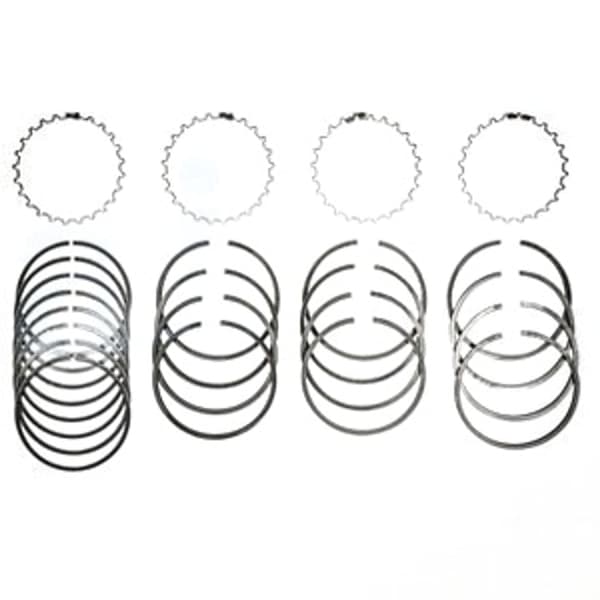
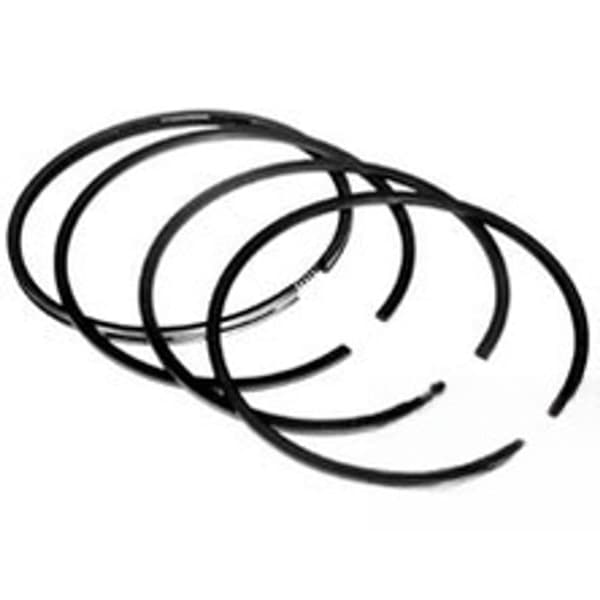
🔍 Looking for a specific part? Try our AI Part Finder — tell it your equipment and what you need, and it will find matching parts instantly.
At Madison Tractor Company, we carry a wide range of small engine parts including Briggs & Stratton engine parts, Kohler engine parts, and many more to keep your equipment running smoothly.
The Function of Piston Rings
Piston rings perform three main functions:
- Sealing the Combustion Chamber: The rings prevent combustion gases from leaking past the piston into the crankcase. This ensures maximum power output and fuel efficiency.
- Oil Control: The oil control ring scrapes excess oil from the cylinder walls, preventing it from entering the combustion chamber and causing blue smoke.
- Heat Transfer: The rings help transfer heat from the piston to the cylinder walls, which are cooled by the engine's cooling system. This prevents the piston from overheating and potentially seizing.
Symptoms of Worn Piston Rings
Recognizing the signs of worn small engine piston rings is crucial for preventing further engine damage. Common symptoms include:
- Loss of Power: A noticeable decrease in engine power, especially when mowing uphill or under heavy load.
- Blue Smoke: Blue or white smoke emanating from the exhaust indicates oil burning in the combustion chamber, a common sign of worn oil control rings.
- Excessive Oil Consumption: Needing to add oil more frequently than usual.
- Low Compression: A compression test will reveal lower-than-normal readings, often indicating a need for new piston and rings.
- Spark Plug Fouling: Oil deposits on the spark plug electrode. Remember that we stock a huge selection of spark plugs if you need a replacement.
- Engine Knocking: In severe cases, worn rings can cause engine knocking due to excessive piston movement.
Standard vs. Oversize Piston Rings: When to Use Which
When replacing piston rings, you'll generally have two options: standard size and oversize. The choice depends on the condition of the cylinder bore.
Standard Size Piston Rings
Standard size rings are used when the cylinder bore is within factory specifications and shows minimal wear. If the cylinder walls are smooth, round, and free from significant scratches or ridges, standard size rings are the appropriate choice. Replacing the rings may also be necessary when doing work on other engine and fuel system parts.
Oversize Piston Rings
Oversize rings are necessary when the cylinder bore has been reconditioned (bored or honed) to a larger diameter due to wear or damage. This process removes imperfections and ensures a perfectly round cylinder, but it also increases the bore's size. Using standard size rings in an oversized bore would result in poor sealing and compression. Oversize rings are designed to compensate for the increased bore diameter.
Important Considerations:
- Measuring the Cylinder Bore: Before ordering any rings, accurately measure the cylinder bore diameter using a cylinder bore gauge or telescoping gauges and a micrometer. This measurement will determine whether you need standard or oversize rings.
- Oversize Increments: Oversize rings are typically available in increments of 0.010", 0.020", 0.030", and 0.040" (or 0.25mm, 0.50mm, 0.75mm, and 1.00mm). Choose the oversize that matches the amount of material removed during cylinder reconditioning.
- Cylinder Honing: After boring the cylinder, it's essential to hone the cylinder walls to create a cross-hatch pattern. This pattern helps retain oil and promotes proper ring seating.
- Professional Advice: If you're unsure about measuring the cylinder bore or selecting the correct ring size, consult a qualified mechanic.
How to Replace Small Engine Piston Rings
Warning: Always disconnect the spark plug wire and ground it to the engine block before working on the engine. Wear safety glasses and gloves.
- Disassemble the Engine: Remove the engine from the equipment (e.g., your Toro lawnmower, Husqvarna zero turn). Disassemble the engine to access the piston and cylinder. This usually involves removing the cylinder head, oil pan, and connecting rod cap.
- Inspect the Cylinder Bore: Carefully inspect the cylinder bore for wear, scratches, or ridges. Use a cylinder bore gauge to measure the diameter and determine if reconditioning is necessary.
- Remove the Old Piston Rings: Use a piston ring expander tool to carefully remove the old rings from the piston. Avoid damaging the piston.
- Clean the Piston: Clean the piston ring grooves thoroughly with a ring groove cleaner or a broken piece of old piston ring. Ensure the grooves are free from carbon deposits.
- Install the New Piston Rings: Lubricate the new rings with engine oil and carefully install them onto the piston using the ring expander tool. Pay attention to the ring orientation; the top ring, second ring, and oil control ring each have a specific position. Consult your engine's service manual for details.
- Stagger the Ring Gaps: Rotate the rings so that the ring gaps are staggered 120 degrees apart. This prevents a direct path for combustion gases to leak past the piston.
- Install the Piston: Lubricate the cylinder bore and piston rings with engine oil. Use a piston ring compressor to compress the rings and carefully insert the piston into the cylinder.
- Reassemble the Engine: Reassemble the engine, following the reverse order of disassembly. Use new gaskets and seals as needed. We stock various Briggs head gaskets and other brands for your equipment repair needs.
- Refill Fluids: Refill the engine with the proper amount of oil and coolant (if applicable).
- Test the Engine: Start the engine and check for proper operation. Monitor for any leaks or unusual noises.
Note: Consult your engine's service manual for specific instructions and torque specifications.
Preventing Piston Ring Wear
Several factors contribute to piston ring wear. Proper maintenance can extend the life of your engine's piston rings:
- Regular Oil Changes: Use high-quality engine oil and change it according to the manufacturer's recommendations. Clean oil lubricates the rings and cylinder walls, reducing friction and wear.
- Proper Air Filtration: A clean air filter prevents dirt and debris from entering the engine and causing abrasive wear on the rings and cylinder walls. We carry a variety of air filters to protect your engine.
- Avoid Overheating: Overheating can cause excessive wear on the rings and other engine components. Ensure the cooling system is functioning properly.
- Use Correct Fuel: Using the correct octane fuel prevents detonation, which can damage piston rings.
Besides piston rings, we also stock a variety of other parts for your lawn and garden equipment including belts, blades, spindles, pulleys, small engine fuel pumps, bearings, and shear pins.
Choosing the Right Piston Rings
When selecting replacement piston rings, be sure to choose the correct size and type for your engine. Consult your engine's service manual or a parts catalog to determine the appropriate part number. Using the wrong rings can lead to poor performance and engine damage. Madison Tractor Company offers a comprehensive selection of engine parts, including piston rings, for many brands including Ariens, Murray, Hustler, Scag, Exmark, Ferris, Snapper, Simplicity, and Dixie Chopper. If you are having issues with your carburetor, check out our articles on Briggs & Stratton Carburetors and Kohler Carburetors to diagnose and repair them.
Shop Small Engine Parts at Madison Tractor Company
At Madison Tractor Company, we're dedicated to providing high-quality small engine parts and expert advice to keep your equipment running smoothly. Browse our extensive online catalog today to find the small engine piston rings and other parts you need. We're here to help you get the job done right! You can also use our AI-Powered Part Finder to search for parts by your specific make and model.
Part of our comprehensive guide
Small Engine Parts Guide: Carburetors, Fuel Pumps & Gaskets by Engine