








Combine Hydrostatic Drive: Pump & Motor Replacement
Is your combine's hydrostatic drive system giving you trouble? This guide provides expert advice on troubleshooting, pump and motor replacement, and maintenance tips to keep your combine harvesting efficiently. Learn what to look for and how to get the job done right.
The hydrostatic drive system is the heart of your combine's mobility. A properly functioning hydrostatic drive ensures smooth operation, efficient harvesting minimal downtime. When this system fails, it can bring your entire operation to a standstill. This guide will walk you through diagnosing issues, replacing the pump and motor maintaining your combine's hydrostatic drive system. We understand the importance of getting your machine back up and running, especially during the critical harvest season.
Recommended Parts for This Guide
8 parts we recommend — in stock, ships fast, one-click add to cart.
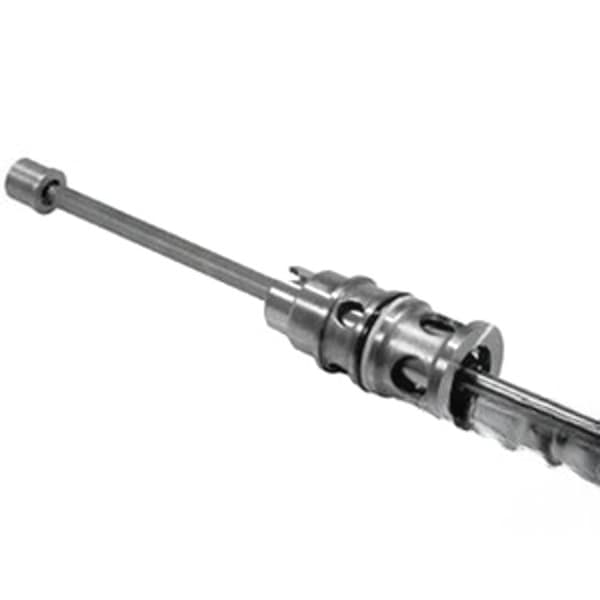
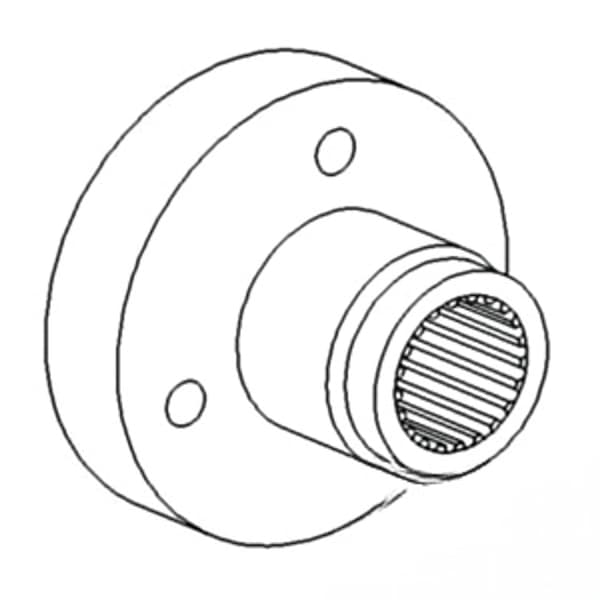
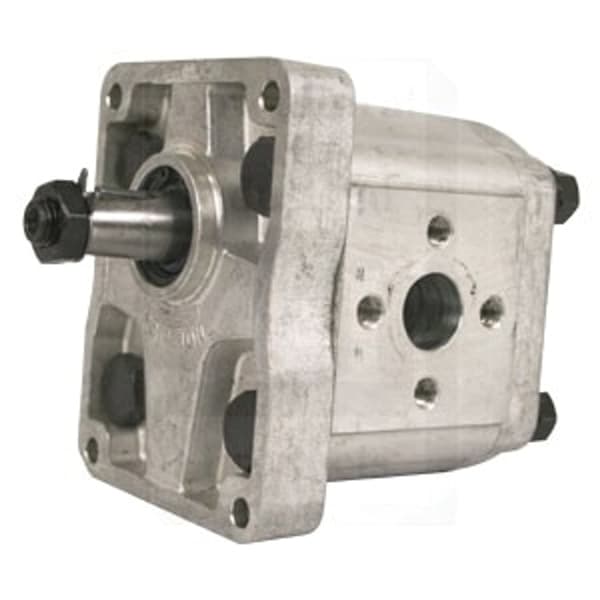
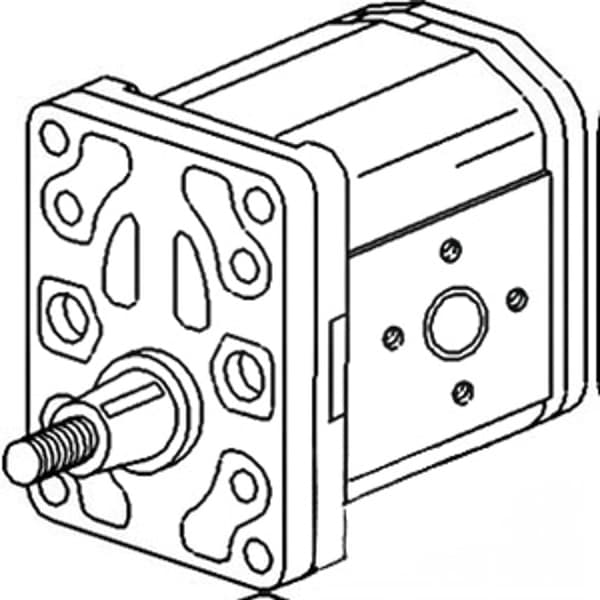
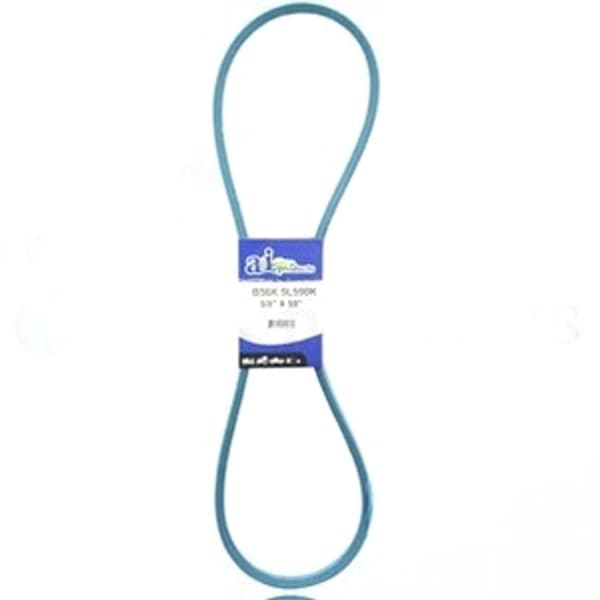
🔍 Looking for a specific part? Try our AI Part Finder — tell it your equipment and what you need, and it will find matching parts instantly.
Understanding the Combine Hydrostatic Drive System
The hydrostatic drive system uses hydraulic fluid to transmit power from the engine to the wheels. It consists of a hydraulic pump driven by the engine, often connected via a drive pulley hub, a hydraulic motor connected to the wheels a network of hoses and valves. The pump converts mechanical energy into hydraulic energy, which then drives the motor, converting it back into mechanical energy to propel the combine.
Key components
- Hydraulic Pump Generates the hydraulic flow and pressure.
- Hydraulic Motor Converts hydraulic energy into rotational force to drive the wheels.
- Hydraulic Fluid Transmits the power between the pump and motor. Ensure you use the correct type and specification recommended by the manufacturer.
- Hoses and Fittings Carry the hydraulic fluid under high pressure.
- Control Valve Regulates the flow and direction of the hydraulic fluid.
- Filters Remove contaminants from the hydraulic fluid.
Troubleshooting Hydrostatic Drive Problems
Before replacing any parts, it's crucial to properly diagnose the issue. Common symptoms of a failing hydrostatic drive
- Loss of power or speed The combine struggles to move or maintain speed, especially on inclines.
- Erratic movement Jerky or inconsistent speed control.
- Unusual noises Whining, grinding, or squealing sounds from the hydraulic system.
- Overheating The hydraulic system runs hotter than usual.
- Fluid leaks Visible leaks around the pump, motor, hoses, or fittings.
Here's a step-by-step troubleshooting process
- Check the hydraulic fluid level Low fluid can cause cavitation and loss of power. Refer to your operator's manual for proper fluid levels and specifications.
- Inspect for leaks Examine all hoses, fittings components for leaks. Repair or replace any damaged parts.
- Check the filters Clogged filters restrict flow and can cause the system to overheat. Filters should be replaced regularly.
- Test the hydraulic pressure Use a pressure gauge to verify that the pump is producing the correct pressure. Consult your service manual for the correct pressure specifications.
- Inspect the drive belts and linkages Ensure that all belts are properly tensioned and that linkages are moving freely.
Hydrostatic Pump Replacement
If the pump is determined to be the cause of the problem, replacement is often the best solution. Here's a general guide, but always consult your combine's service manual for specific instructions. Madison Tractor Company offers replacement hydraulic pumps, including models like the 42 Litres/Min. pump, for various combine brands including John Deere, Case IH, New Holland Gleaner. For example, a common John Deere combine might utilize a pump similar to OEM part number, while a Case IH Axial-Flow series may use a pump similar to 87445074.
Safety First Always disconnect the battery before working on the hydraulic system. Hydraulic fluid under pressure can be extremely dangerous. Wear safety glasses and gloves.
- Prepare the Combine Park the combine on a level surface, engage the parking brake chock the wheels. Allow the hydraulic system to cool completely.
- Drain the Hydraulic Fluid Locate the drain plug on the hydraulic reservoir and drain the fluid into a clean container. Properly dispose of used hydraulic fluid.
- Disconnect the Hoses Carefully disconnect the hoses from the pump. Label each hose to ensure proper reinstallation. Plug the hose ends and pump ports to prevent contamination.
- Remove the Pump Unbolt the pump from its mounting bracket. Note the orientation of the pump for proper installation of the new unit.
- Install the New Pump Install the new pump in the same orientation as the old one. Tighten the mounting bolts to the torque specifications listed in your service manual.
- Reconnect the Hoses Reconnect the hoses to the pump, ensuring they are properly seated and tightened.
- Refill the Hydraulic Fluid Refill the hydraulic reservoir with the correct type and amount of hydraulic fluid. Refer to your operator's manual for fluid specifications and capacity.
- Bleed the System Bleed the air from the hydraulic system according to the manufacturer's instructions. This is crucial to prevent cavitation and ensure proper pump operation.
- Test the System Start the combine and check for leaks. Operate the hydrostatic drive system to ensure it is functioning correctly.
Hydrostatic Motor Replacement
Replacing the hydraulic motor follows a similar process to replacing the pump. Again, consult your service manual for your specific combine model (e.g., a New Holland CR series or a Massey Ferguson 8500 series). Madison Tractor Company stocks replacement hydraulic motors for many common makes and models. For example, you might find a replacement motor for a Gleaner combine with a cross-reference to OEM part number 71370361.
Safety First Ensure the combine is securely supported before working on the wheel motors. Use jack stands and wheel chocks.
- Prepare the Combine Park the combine on a level surface, engage the parking brake chock the wheels. Raise the combine and support it with jack stands.
- Drain the Hydraulic Fluid (If Necessary) In some cases, you may need to drain the hydraulic fluid before disconnecting the motor.
- Disconnect the Hoses Carefully disconnect the hoses from the motor. Label each hose to ensure proper reinstallation. Plug the hose ends and motor ports to prevent contamination.
- Remove the Motor Unbolt the motor from its mounting bracket or wheel hub. This may involve removing the wheel.
- Install the New Motor Install the new motor in the same orientation as the old one. Tighten the mounting bolts to the torque specifications listed in your service manual.
- Reconnect the Hoses Reconnect the hoses to the motor, ensuring they are properly seated and tightened.
- Reinstall the Wheel (If Removed) Reinstall the wheel and tighten the lug nuts to the correct torque specifications.
- Bleed the System Bleed the air from the hydraulic system according to the manufacturer's instructions.
- Test the System Lower the combine and start the engine. Operate the hydrostatic drive system to ensure it is functioning correctly.
Maintenance Tips for Your Hydrostatic Drive
Proper maintenance is essential for extending the life of your hydrostatic drive system
- Regularly check the hydraulic fluid level Maintain the correct fluid level to prevent cavitation and ensure proper lubrication.
- Change the hydraulic fluid and filters Follow the manufacturer's recommended service intervals for fluid and filter changes.
- Inspect hoses and fittings Check for leaks, cracks, or damage. Replace any worn or damaged parts.
- Keep the system clean Prevent dirt and debris from entering the hydraulic system.
- Monitor the system temperature Overheating can damage the pump and motor. Ensure the radiator is clean and functioning correctly. Radiators are vital for combine cooling systems, especially under heavy load. We carry radiators for many brands like John Deere, International Harvester Ford.
- Use the correct hydraulic fluid Using the wrong type of fluid can damage the system. Refer to your operator's manual for the correct fluid specifications.
Regularly inspecting other components like combine belts (drive, feeder separator belts) is also crucial for overall combine performance. A worn belt can put undue stress on the hydrostatic system.
By following these guidelines, you can ensure the longevity and reliability of your combine's hydrostatic drive system, minimizing downtime and maximizing your harvesting efficiency. We carry parts for a wide range of combines including Allis Chalmers, Deutz, Kubota, Oliver, White, Vermeer, Hesston, Mahindra Zetor.
Shop combine parts at Madison Tractor
Madison Tractor Company is your trusted source for high-quality combine parts. Whether you need John Deere combine parts, Case IH combine parts, New Holland combine parts, Gleaner combine parts or Massey Ferguson combine parts, we have the parts you need to keep your equipment running smoothly. We offer a wide selection of parts, including hydrostatic pumps and motors, hydraulic hoses, filters more. Our knowledgeable staff is ready to assist you in finding the right parts for your specific combine model. Browse our online catalog or contact us today for expert assistance. You can also use our AI-Powered Part Finder to search for parts by your specific make and model.
Part of our comprehensive guide
Combine Harvester Parts Guide: Pre-Season Checklist & Replacement Parts