








Tractor Temperature Gauge: Troubleshooting & Replacement
A faulty tractor temperature gauge can lead to costly engine damage. This guide provides troubleshooting steps and replacement advice to keep your tractor running cool. Learn how to diagnose problems and find the right replacement gauge for your machine.
Introduction to the Tractor Temperature Gauge
The temperature gauge in your tractor is more than just a fancy dial – it's a vital early warning system. It constantly monitors your engine's coolant temperature, providing crucial information about its health and preventing potentially catastrophic overheating. Ignoring a malfunctioning tractor temperature gauge can lead to serious engine damage, costing you time and money in repairs.
Recommended Parts for This Guide
7 parts we recommend — in stock, ships fast, one-click add to cart.
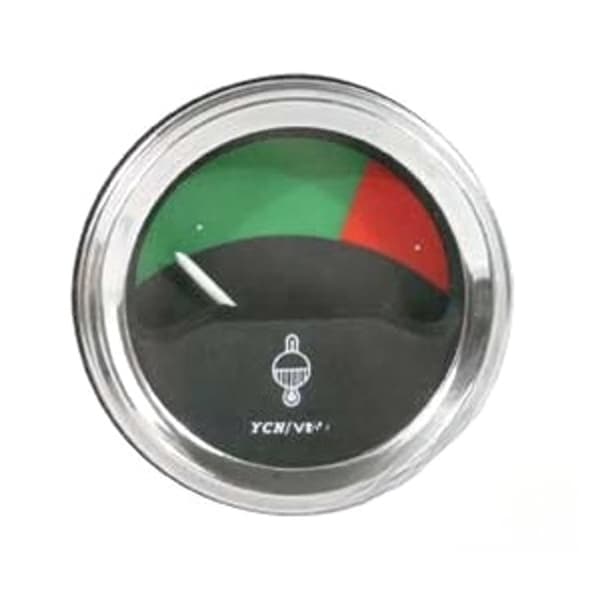
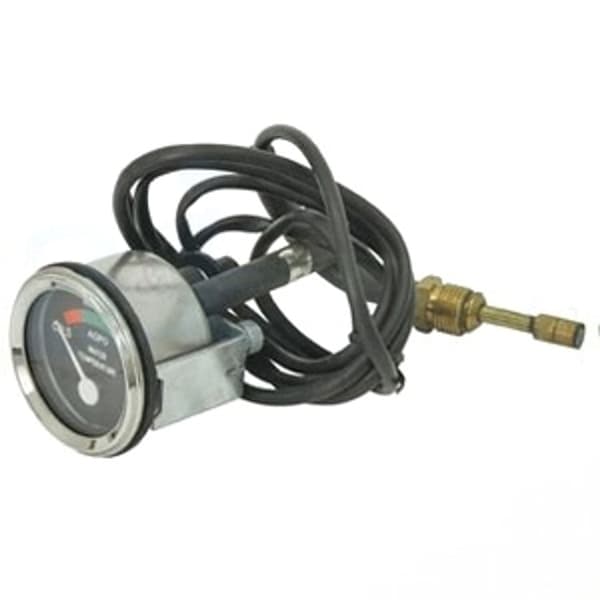
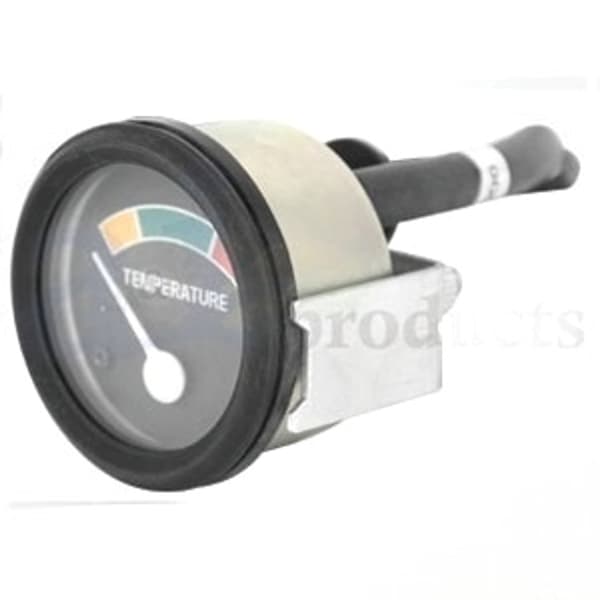
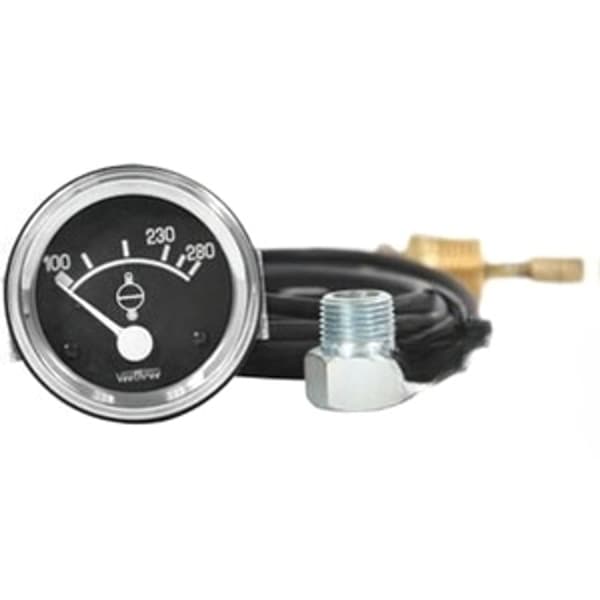
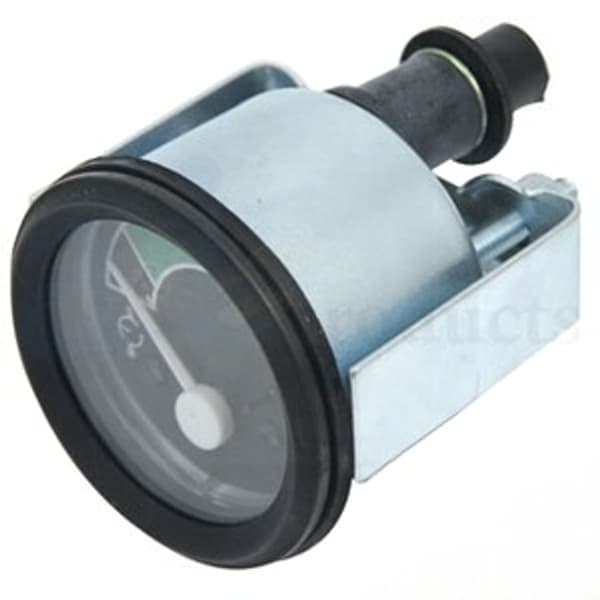
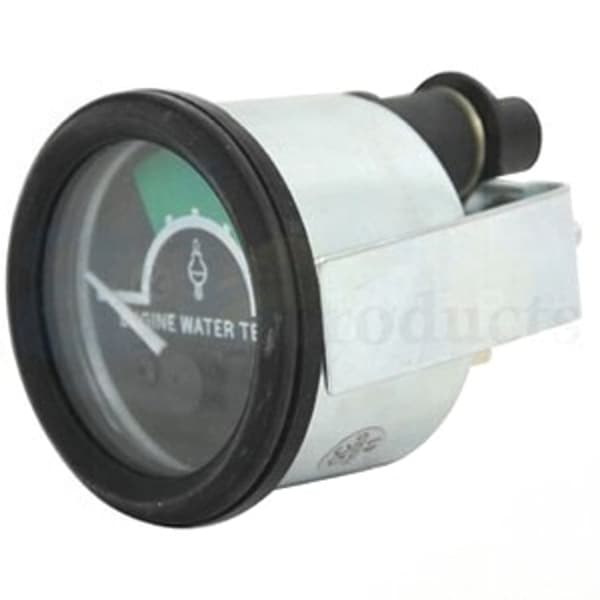
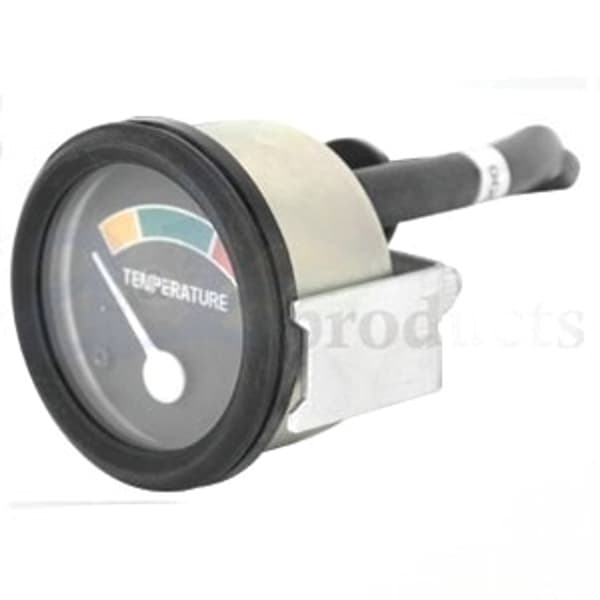
🔍 Looking for a specific part? Try our AI Part Finder — tell it your equipment and what you need, and it will find matching parts instantly.
This guide from Madison Tractor Company will walk you through the common causes of temperature gauge problems, troubleshooting steps, and how to replace the gauge if necessary. Whether you're working on a classic Ford or a modern Kubota, understanding your temperature gauge is essential for maintaining your tractor's performance and longevity.
Don't forget that the temperature gauge is only one part of your tractor's cooling system! To learn more about all components, check out our comprehensive guide to Tractor Radiator & Cooling System Parts.
Understanding the Temperature Gauge System
Before diving into troubleshooting, let's understand the basics. Most tractors use a temperature gauge system comprising three key components:
- Temperature Sensor (Sending Unit): Located in the engine block or cylinder head, this sensor measures the coolant temperature. It's typically a thermistor, a resistor whose resistance changes with temperature.
- Wiring Harness: Connects the sensor to the gauge, carrying the electrical signal.
- Temperature Gauge: Located on the instrument panel, the gauge displays the coolant temperature, usually in degrees Fahrenheit or Celsius.
Older tractors often use a mechanical gauge, relying on a capillary tube filled with a volatile fluid that expands or contracts with temperature changes, directly moving the gauge needle. These are less common in modern machines.
Common Causes of Temperature Gauge Problems
Several factors can cause your tractor temperature gauge to malfunction:
- Faulty Temperature Sensor: The sensor might be defective, providing inaccurate readings or no reading at all.
- Wiring Issues: Damaged, corroded, or loose wiring can disrupt the signal flow.
- Gauge Failure: The gauge itself might be broken or worn out.
- Low Coolant Level: If the coolant level is too low, the sensor might not be properly submerged, leading to inaccurate readings.
- Air Pockets in the Cooling System: Air pockets can insulate the sensor, preventing accurate temperature measurement.
- Overheating Engine: While not directly a gauge problem, an overheating engine will, of course, cause the gauge to read high. Address the root cause of the overheating.
Before assuming the gauge is faulty, always check the basics! Ensure your radiator is full of coolant, and visually inspect for leaks around the radiator hoses and water pump. If you're working on a John Deere tractor, you might want to cross-reference your John Deere Tractor Radiator OEM part number.
Troubleshooting Your Tractor Temperature Gauge
Follow these steps to diagnose the problem:
- Visual Inspection: Check the wiring for any obvious damage, corrosion, or loose connections. Pay close attention to the connections at the sensor and the gauge.
- Check Coolant Level: Ensure the coolant level is within the recommended range. If low, add the appropriate coolant mixture.
- Test the Temperature Sensor:
- With a Multimeter: Disconnect the sensor and use a multimeter to measure its resistance. Compare the reading to the manufacturer's specifications (usually available in the tractor's service manual). An out-of-range reading indicates a faulty sensor.
- Bench Test (if possible): Some sensors can be tested by immersing them in hot water and monitoring the resistance change with a multimeter.
- Test the Wiring:
- Continuity Test: Use a multimeter to check for continuity in the wiring between the sensor and the gauge. A lack of continuity indicates a broken wire.
- Voltage Test: With the ignition on, check for voltage at the gauge connector. Consult your tractor's wiring diagram for the correct voltage.
- Test the Gauge:
- Check for Air Pockets: If you suspect air pockets, bleed the cooling system according to the tractor's service manual.
Safety First: Always disconnect the battery before working on electrical components. Allow the engine to cool completely before working on the cooling system to prevent burns.
If you're dealing with an older Ford tractor, remember that parts like the Ford tractor radiator might also be nearing the end of their service life, contributing to overheating issues. You might need to inspect more than just the gauge!
Replacing the Temperature Gauge or Sensor
If your troubleshooting indicates a faulty temperature sensor or gauge, replacement is necessary.
Replacing the Temperature Sensor:
- Drain Some Coolant: Drain enough coolant to lower the level below the sensor location.
- Disconnect the Wiring: Disconnect the wiring connector from the old sensor.
- Remove the Old Sensor: Use a wrench to unscrew the old sensor.
- Install the New Sensor: Apply sealant to the threads of the new sensor and screw it into place. Tighten to the manufacturer's recommended torque specification.
- Reconnect the Wiring: Reconnect the wiring connector.
- Refill Coolant: Refill the cooling system with the appropriate coolant mixture.
- Bleed the Cooling System: Bleed the cooling system to remove any air pockets.
Replacing the Temperature Gauge:
- Disconnect the Battery: Always disconnect the battery before working on electrical components.
- Remove the Instrument Panel: Remove the instrument panel to access the gauge.
- Disconnect the Wiring: Disconnect the wiring from the old gauge.
- Remove the Old Gauge: Remove the old gauge from the instrument panel.
- Install the New Gauge: Install the new gauge into the instrument panel.
- Reconnect the Wiring: Reconnect the wiring to the new gauge.
- Reinstall the Instrument Panel: Reinstall the instrument panel.
- Reconnect the Battery: Reconnect the battery.
When replacing parts, it's crucial to use the correct replacement. Madison Tractor Company carries a wide range of temperature gauges and sensors for various tractor brands, including John Deere, Case IH, Ford, New Holland, Massey Ferguson, Kubota, Allis Chalmers, Deutz, International Harvester, Oliver, White, Gleaner, Vermeer, Hesston, Mahindra and Zetor tractors.
For example, if you're working on a Case IH tractor, it's useful to know specifics for Case IH Tractor Radiator Replacement. It's useful to keep track of these details to order the right parts!
Preventative Maintenance
Regular maintenance can help prevent temperature gauge problems:
- Inspect Wiring Regularly: Check for damage, corrosion, and loose connections.
- Maintain Coolant Level: Ensure the coolant level is within the recommended range.
- Flush Cooling System: Flush the cooling system periodically to remove deposits and contaminants.
- Use the Correct Coolant: Use the coolant recommended by the tractor manufacturer.
- Monitor Engine Temperature: Pay attention to the temperature gauge and investigate any unusual readings promptly.
Conclusion
A functioning tractor temperature gauge is critical for preventing engine damage. By understanding how the system works, troubleshooting common problems, and performing regular maintenance, you can keep your tractor running smoothly and reliably. Don't ignore warning signs from your temperature gauge! Early intervention can save you significant repair costs down the road.
Remember, your cooling system is more than just the gauge and sensor. A healthy radiator, functioning water pump, and proper coolant mixture are all essential. If you're experiencing overheating, address all potential issues, not just the gauge.
Shop Tractor Parts at Madison Tractor Company
Madison Tractor Company is your trusted source for high-quality tractor parts and expert advice. We offer a wide selection of parts for all major brands, including John Deere, Case IH, Ford, New Holland, Massey Ferguson, Kubota, and more. Whether you need a new tractor temperature gauge, radiator, water pump, or any other tractor part, we have you covered. Shop now and keep your tractor running its best! You can also use our AI-Powered Part Finder to search for parts by your specific make and model.
Part of our comprehensive guide
Tractor Radiator Replacement Guide: All Major Brands & Models