








Ford Tractor Radiator: 2000, 3000, 4000 & 5000 Series
Troubleshooting radiator problems on your Ford 2000, 3000, 4000, or 5000 series tractor? This guide covers common issues, replacement procedures, and tips to keep your cooling system running smoothly. Find quality Ford tractor radiators and cooling system parts at Madison Tractor Company.
Ford Tractor Radiators: Keeping Your Workhorse Cool
A properly functioning cooling system is absolutely critical for the reliable operation of your Ford tractor. Overheating can lead to catastrophic engine damage, costing you valuable time and money. The radiator is the heart of this system, dissipating heat and preventing your engine from exceeding safe operating temperatures. This guide focuses on Ford tractor radiators specifically for the 2000, 3000, 4000, and 5000 series, covering common problems, replacement procedures, and how to find the right parts at Madison Tractor Company.
Recommended Parts for This Guide
10 parts we recommend — in stock, ships fast, one-click add to cart.
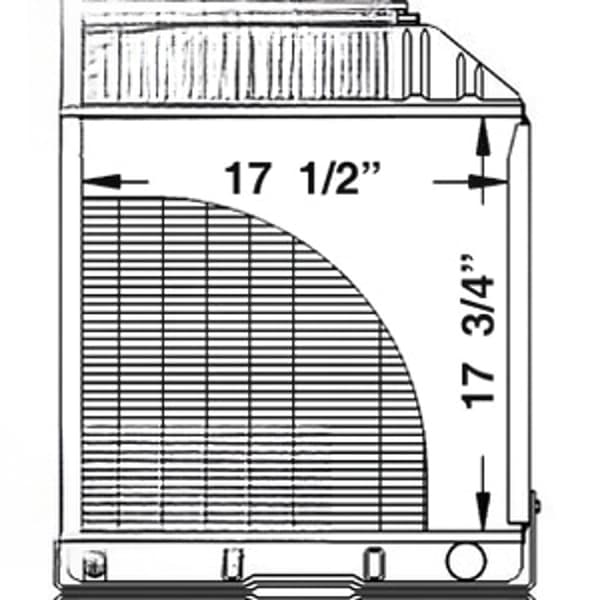
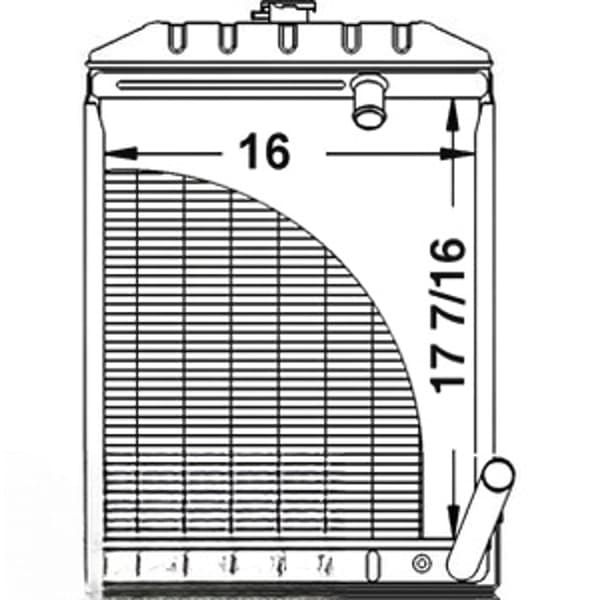
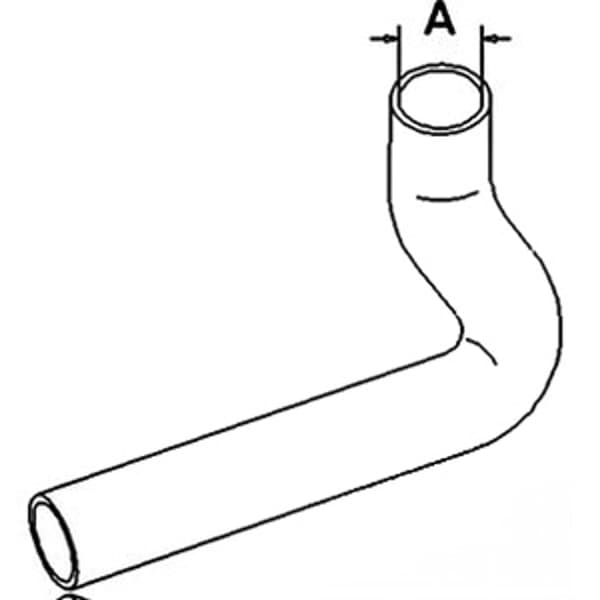
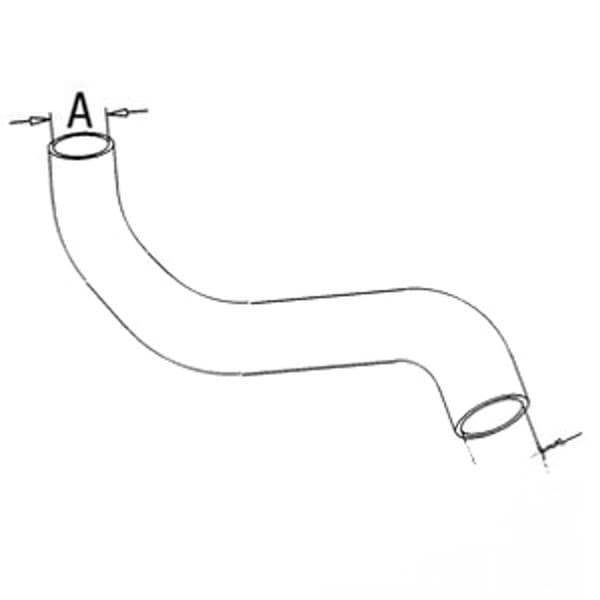
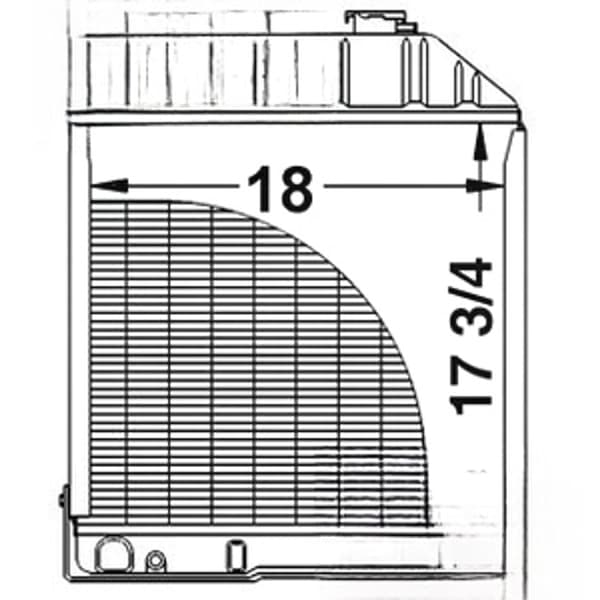
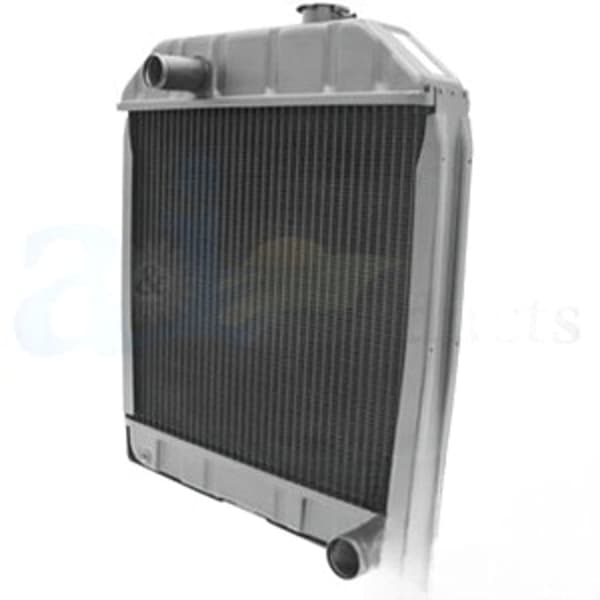
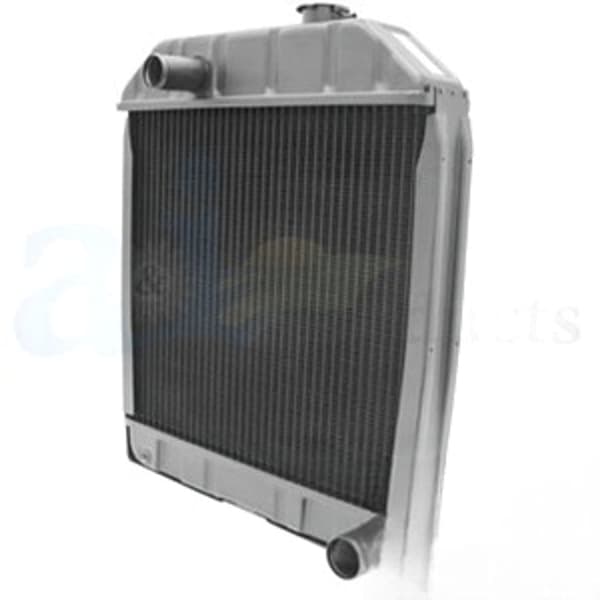
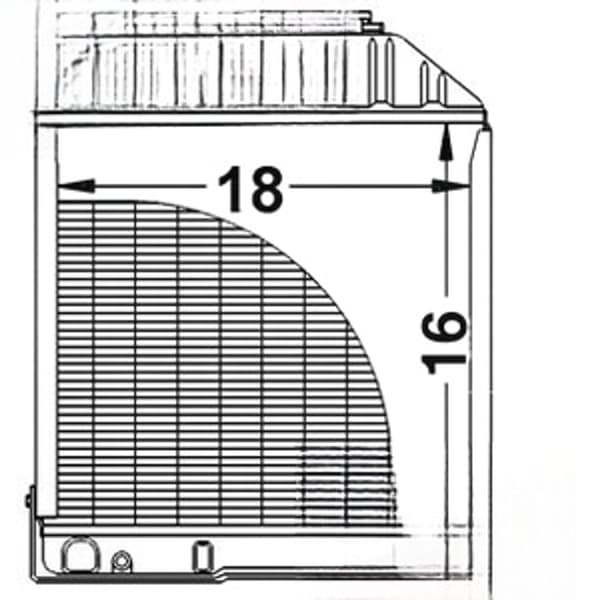
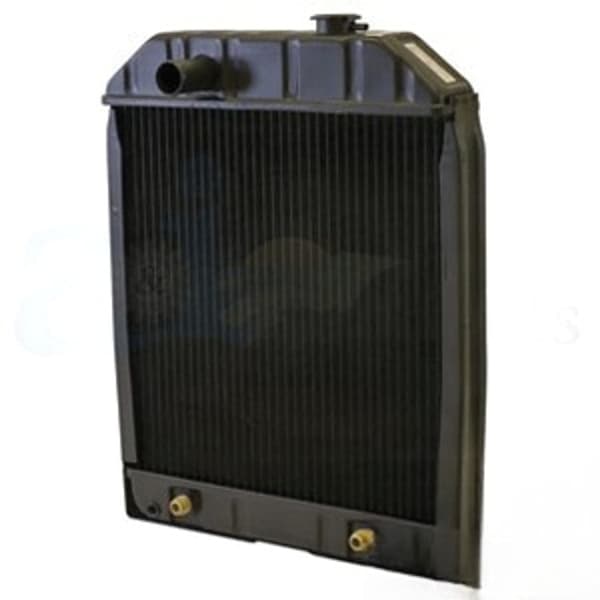
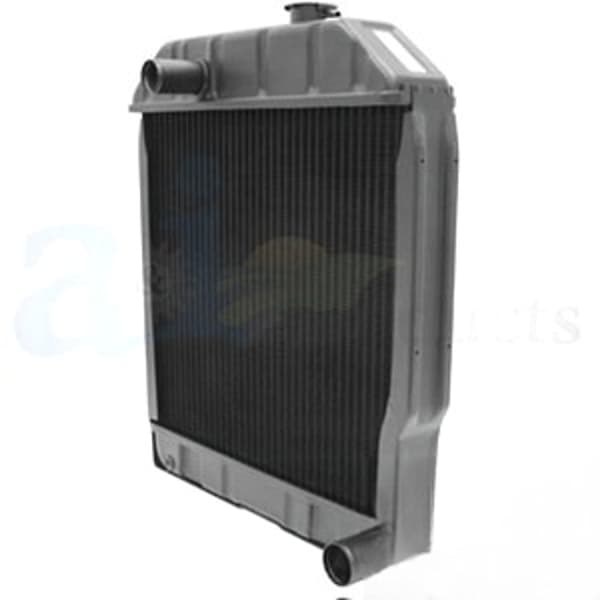
🔍 Looking for a specific part? Try our AI Part Finder — tell it your equipment and what you need, and it will find matching parts instantly.
Madison Tractor Company carries a wide range of parts for Ford tractors and many other brands, including John Deere, Case IH, New Holland, Massey Ferguson, and Kubota. Whether you need a complete radiator, a new water pump, hoses, or just a radiator cap, we've got you covered. We also stock essential maintenance items like filters, belts, and gaskets.
Common Ford Tractor Radiator Problems
Several issues can lead to radiator problems in your Ford tractor. Recognizing these symptoms early can prevent more serious damage.
- Leaks: Leaks are a common issue, often appearing at seams, hose connections, or due to corrosion. Check for coolant puddles under the tractor or visible leaks on the radiator itself.
- Clogging: Radiators can become clogged with sediment, rust, or debris over time, reducing their cooling efficiency. This is especially common if you aren't using the correct coolant.
- Corrosion: Corrosion can weaken the radiator's metal, leading to leaks and reduced cooling capacity. Using the correct coolant and maintaining proper coolant concentration are crucial to prevent corrosion.
- Damaged Fins: Bent or damaged fins reduce the radiator's surface area, decreasing its ability to dissipate heat. This can be caused by impacts from branches or debris.
- Faulty Radiator Cap: A faulty radiator cap can prevent the system from pressurizing correctly, leading to overheating.
Troubleshooting Your Ford Tractor Radiator
Before replacing your ford tractor radiator, perform some basic troubleshooting steps:
- Check Coolant Level: Ensure the coolant level is within the recommended range. Low coolant can cause overheating.
- Inspect Hoses: Look for cracks, leaks, or swelling in the upper and lower radiator hoses. Replace any damaged hoses.
- Examine the Radiator Cap: Check the radiator cap for damage or a loose seal. A pressure test of the cap is ideal.
- Visually Inspect the Radiator: Look for leaks, corrosion, and damaged fins.
- Check for Blockages: Carefully inspect the radiator core for any visible obstructions. Use compressed air to gently blow out any debris.
- Monitor Engine Temperature: Observe the temperature gauge while the tractor is running. If the engine consistently overheats, even with a full coolant level, the radiator may be the problem.
Radiator Specifics: Ford 2000, 3000, 4000, & 5000 Series
While these Ford tractors share many similarities, there are some differences in radiator design and part numbers. Here's a breakdown:
Ford 2000 Series Radiator
The Ford 2000 series, produced from 1962-1964, used a radiator with a specific design to fit its smaller frame. The original OEM part number is often referenced as C5NN8005A. Verify the dimensions and hose connection locations before ordering a replacement.
Ford 3000 Series Radiator
The Ford 3000 series (1965-1975) often utilizes a radiator similar to the 4000 series, but it's crucial to confirm compatibility. A common OEM reference is C5NN8005D. Be sure to check your tractor's serial number to ensure you get the correct radiator. You might also consider replacing the water pump at the same time.
Ford 4000 Series Radiator
The Ford 4000 series (1965-1975) is a popular model, and many replacement radiators are available. OEM part numbers to cross-reference include C5NN8005D, D8NN8005AA, and our D8NN8005PA Radiator with Oil Cooler (D8NN8005BB at Madison Tractor). Some aftermarket radiators offer improved cooling capacity. Ensure the replacement radiator has the correct number and location of hose connections.
Ford 5000 Series Radiator
The Ford 5000 series (1965-1975) used a larger radiator to handle the increased engine output. The typical OEM part number for the 5000 radiator is C5NN8005E. Pay close attention to the overall dimensions and mounting points when selecting a replacement. A thorough cooling system flush is recommended after installation.
Replacing Your Ford Tractor Radiator: A Step-by-Step Guide
Replacing a radiator is a manageable task for most mechanically inclined individuals. However, it's essential to follow safety precautions and have the correct tools.
Safety First: Always allow the engine to cool completely before working on the cooling system. Hot coolant can cause severe burns. Disconnect the battery's negative terminal to prevent accidental electrical shorts.
- Drain the Coolant: Locate the radiator drain cock (usually at the bottom of the radiator) and open it to drain the coolant. Collect the coolant in a container for proper disposal. Many auto parts stores and recycling centers accept used coolant.
- Disconnect Hoses: Loosen the hose clamps and carefully disconnect the upper and lower radiator hoses. Be prepared for some residual coolant to spill.
- Remove Radiator Shroud (if applicable): Some models have a shroud around the radiator. Remove the bolts or screws securing the shroud and set it aside.
- Disconnect Transmission Cooler Lines (if applicable): Some models have transmission cooler lines running to the radiator. Carefully disconnect these lines and plug them to prevent fluid loss.
- Remove the Radiator: Remove the bolts securing the radiator to the tractor's frame. Carefully lift the radiator out of the tractor. It may be heavy, so get assistance if needed.
- Prepare the New Radiator: Transfer any fittings or brackets from the old radiator to the new one.
- Install the New Radiator: Carefully lower the new radiator into the tractor, aligning the mounting points. Secure the radiator with the bolts you removed earlier.
- Reconnect Hoses: Reconnect the upper and lower radiator hoses, ensuring they are securely clamped.
- Reconnect Transmission Cooler Lines (if applicable): Reconnect the transmission cooler lines, ensuring they are properly tightened.
- Reinstall Radiator Shroud (if applicable): Reinstall the radiator shroud.
- Fill with Coolant: Fill the radiator with the correct type and concentration of coolant, as specified in your tractor's owner's manual. A 50/50 mix of coolant and distilled water is generally recommended.
- Bleed the System: Start the engine and allow it to run for a few minutes to circulate the coolant. Check for leaks and top off the coolant level as needed. Some tractors have a bleeder valve to help remove air from the system.
Important Torque Specs: Refer to your tractor's service manual for specific torque specifications for radiator mounting bolts and hose clamps. Overtightening can damage the radiator or hoses.
Preventative Maintenance for Your Ford Tractor Radiator
Proper maintenance is key to extending the life of your radiator and preventing cooling system problems:
- Regularly Check Coolant Level: Monitor the coolant level and top it off as needed.
- Use the Correct Coolant: Use the type of coolant recommended in your tractor's owner's manual. Using the wrong coolant can lead to corrosion and other problems.
- Flush the Cooling System: Flush the cooling system every two years or as recommended in your owner's manual. This removes sediment and debris that can clog the radiator.
- Inspect Hoses and Clamps: Regularly inspect all your radiator hoses, including both upper and lower options like the C5NN8286B, for cracks, leaks, or damage. Replace them as needed.
- Clean the Radiator Fins: Periodically clean the radiator fins with compressed air to remove dust, dirt, and debris.
- Check the Radiator Cap: Have the radiator cap pressure tested annually to ensure it's functioning correctly.
These simple steps can significantly extend the life of your radiator and prevent costly repairs. Don't forget to check out our selection of water pumps and other cooling system parts to keep your tractor in top condition.
We Carry Radiators for All Major Brands
Madison Tractor Company is your one-stop shop for tractor parts. Besides Ford/New Holland, we carry radiators, water pumps, starters, alternators, hydraulic pumps, and much more for a wide variety of brands, including:
- John Deere
- Case IH
- Massey Ferguson
- Kubota
- Allis Chalmers
- Deutz
- International Harvester
- Oliver
- White
- Gleaner
- Vermeer
- Hesston
- Mahindra
- Zetor
Whether you need a Case IH tractor radiator, a Massey Ferguson radiator, or parts for any other brand, we've got you covered.
Shop Ford Tractor Radiators at Madison Tractor Company
Don't let a faulty radiator sideline your Ford tractor. Madison Tractor Company offers a wide selection of high-quality replacement radiators and cooling system parts at competitive prices. Browse our online catalog today and find the perfect parts for your Ford 2000, 3000, 4000, or 5000 series tractor. Our knowledgeable staff is ready to assist you with any questions you may have. We also carry a full line of tractor parts, including clutch kits, PTO parts, fuel pumps, and more!
🔍 Can't Find Your Part?
Use our AI-Powered Part Finder to search by your equipment's make, model, and what you need. It's the fastest way to find the exact part for your machine.
Try the Part Finder →Part of our comprehensive guide
Tractor Radiator Replacement Guide: All Major Brands & Models