








Tractor Radiator Hose: Upper & Lower by Brand & Model
Selecting the right tractor radiator hose is crucial for maintaining optimal engine temperature and preventing costly breakdowns. This guide covers upper and lower radiator hoses, offering advice on identification, selection, and replacement for various tractor brands and models.
The radiator hose in your tractor's cooling system plays a vital role in circulating coolant between the engine and the radiator. A cracked, swollen, or collapsed tractor radiator hose can lead to overheating, engine damage costly downtime. This guide will help you understand the different types of radiator hoses, how to choose the right one for your tractor how to replace it.
Recommended Parts for This Guide
10 parts we recommend — in stock, ships fast, one-click add to cart.
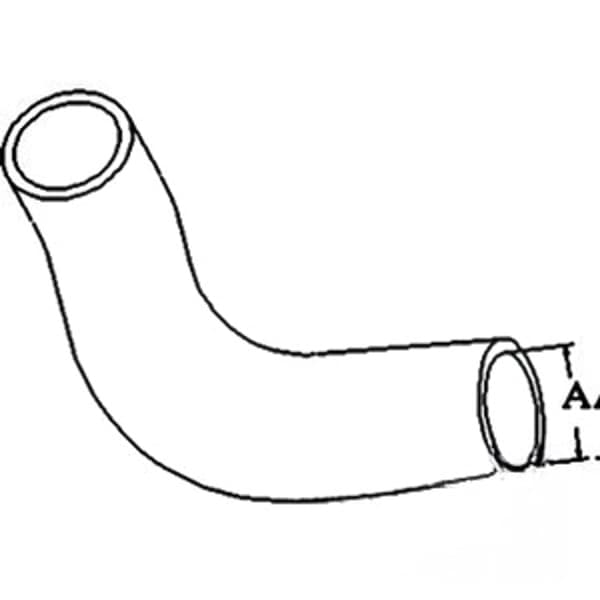
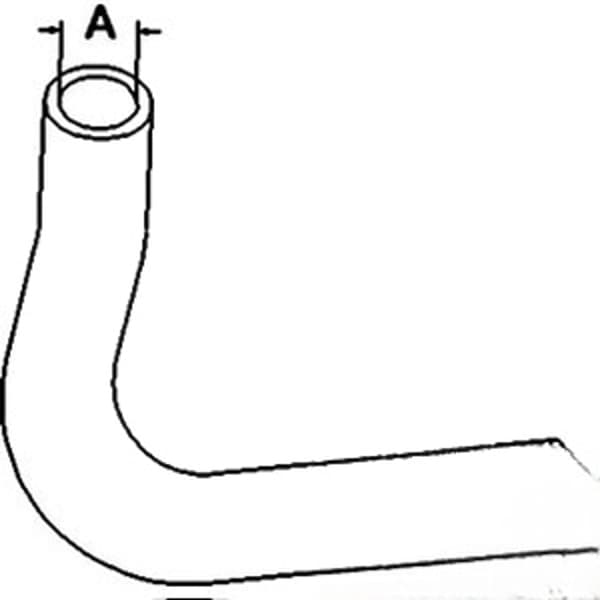
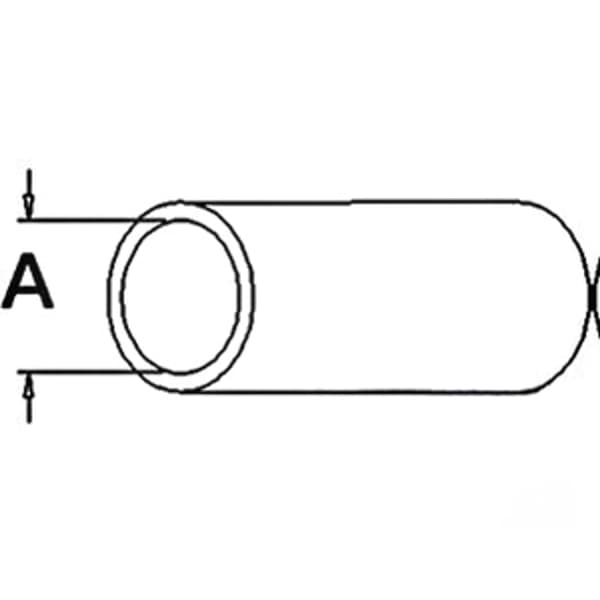
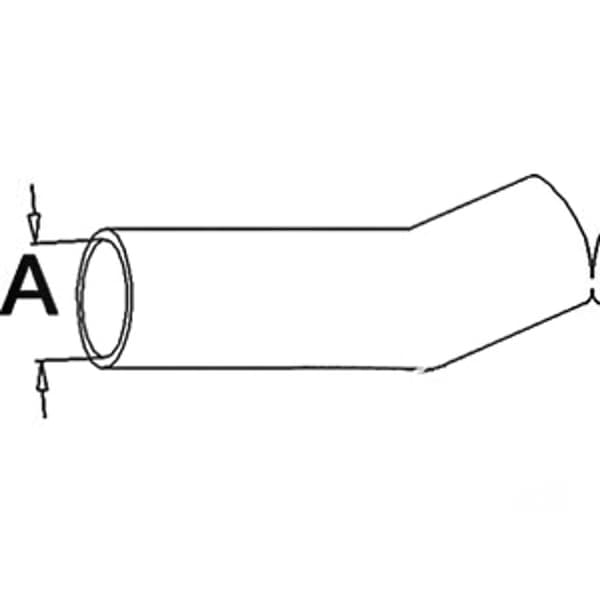
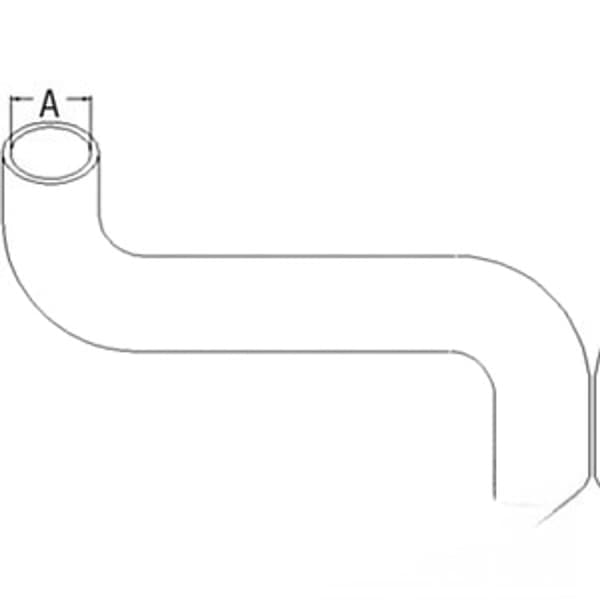
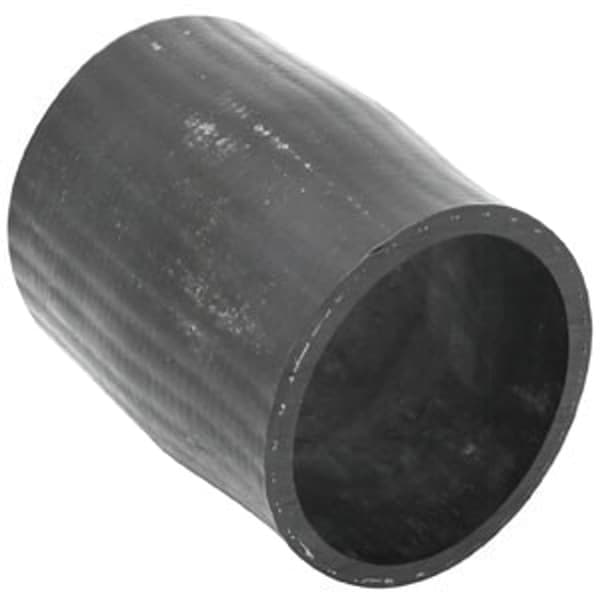
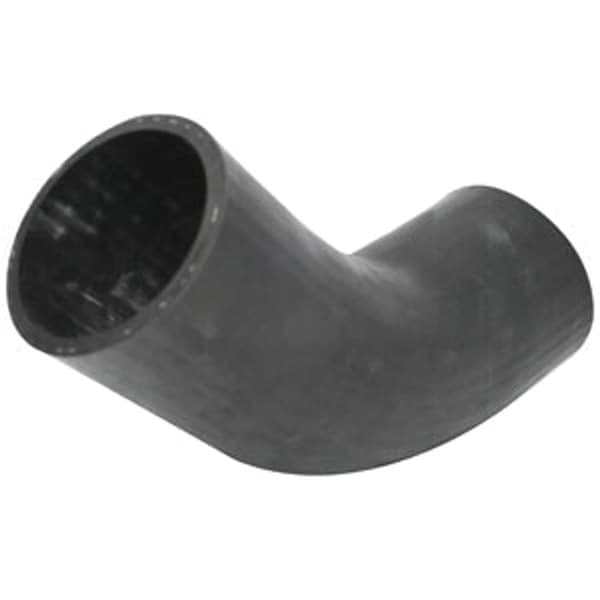
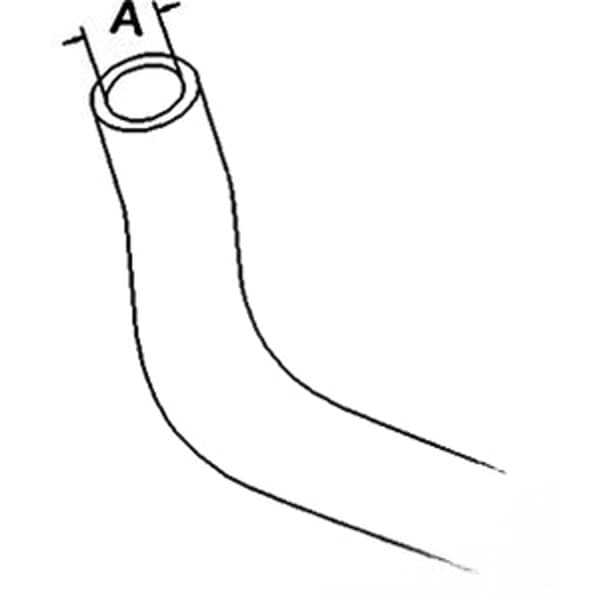
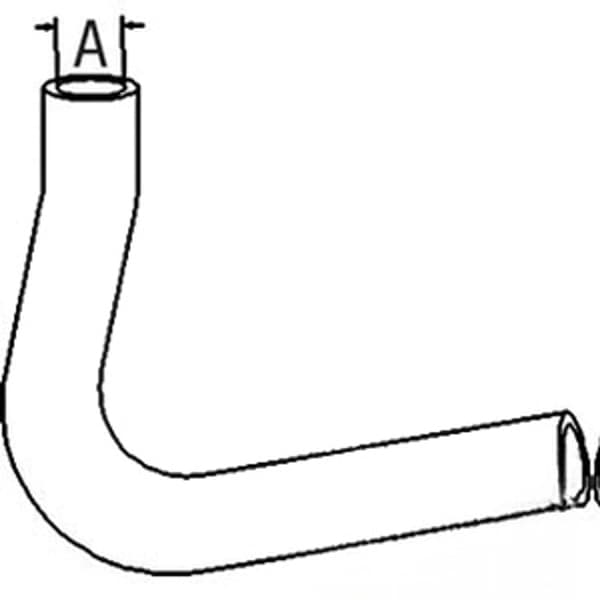
🔍 Looking for a specific part? Try our AI Part Finder — tell it your equipment and what you need, and it will find matching parts instantly.
Understanding Tractor Radiator Hoses
Tractor radiator systems typically have two main hoses
- Upper Radiator Hose Connects the engine's thermostat housing to the top of the radiator. This hose carries hot coolant from the engine to the radiator for cooling.
- Lower Radiator Hose Connects the bottom of the radiator to the engine's water pump. This hose returns cooled coolant from the radiator back to the engine.
Because of their location, both upper and lower radiator hoses are exposed to extreme temperatures and pressure variations, making them susceptible to wear and tear. Regular inspection is essential.
Signs of a Failing Radiator Hose
- Cracks and Splits Visible cracks or splits in the hose are a clear indication of deterioration.
- Swelling or Soft Spots These indicate that the hose material is breaking down from the inside.
- Collapsing The Lower Radiator Hose, in particular, can collapse under vacuum, especially if it lacks an internal support spring.
- Leaks Obvious signs of coolant leakage around the hose connections.
- Overheating A failing hose can restrict coolant flow, leading to engine overheating. Be sure to check your John Deere tractor radiator (and any brand) for leaks as well.
Safety First Before working on your tractor's cooling system, always allow the engine to cool completely. Hot coolant can cause severe burns. Relieve pressure in the system by slowly opening the radiator cap (when cool). Disconnect the negative battery cable to prevent accidental starts.
Choosing the Right Tractor Radiator Hose
Selecting the correct radiator hose is critical for proper fit and function. Here's how to choose the right hose
- Identify Your Tractor Model Knowing the exact make, model year of your tractor is the first step. This information is crucial for finding the correct parts. Madison Tractor Company carries hoses for a wide range of brands, including John Deere, Case IH, Ford, New Holland, Massey Ferguson, Kubota, Allis Chalmers, Deutz, International Harvester, Oliver, White, Gleaner, Vermeer, Hesston, MahindraZetor.
- Consult Your Owner's Manual The owner's manual often lists the correct OEM part numbers for radiator hoses.
- Use OEM Part Numbers If available, use the OEM part number to ensure a precise match. For example, if you're looking for a hose for a John Deere tractor, referencing the John Deere tractor radiator parts guide can help you find the OEM number for your model, such as (upper) and (lower) for a John Deere 4020.
- Measure the Hose If the OEM part number is unavailable, measure the length and inner diameter of the old hose. This will help you find a replacement with the correct dimensions.
- Consider Hose Construction Radiator hoses are typically made of reinforced rubber or silicone. Silicone hoses offer superior heat resistance and longevity but are generally more expensive.
- Check for Molded Hoses Many tractors use molded hoses, which are pre-shaped to fit specific engine configurations. These are often the best option for a perfect fit.
Radiator Hose Replacement: A Step-by-Step Guide
Replacing a radiator hose is a relatively straightforward task that most farmers can handle themselves. Here's a step-by-step guide
- Drain the Coolant Place a drain pan under the radiator and open the drain cock to drain the coolant. Dispose of used coolant properly.
- Loosen the Hose Clamps Use a screwdriver or pliers to loosen the hose clamps at both ends of the radiator hose.
- Remove the Old Hose Carefully twist and pull the hose to remove it from the radiator and engine connections. A hose removal tool can be helpful if the hose is stuck.
- Clean the Connections Use a wire brush or scraper to clean any corrosion or debris from the radiator and engine connections.
- Install the New Hose Slide the new hose onto the connections, ensuring it is fully seated.
- Secure the Hose Clamps Position the hose clamps over the hose and tighten them securely. Avoid overtightening, which can damage the hose.
- Refill the Coolant Close the radiator drain cock and refill the cooling system with the appropriate type and amount of coolant. Refer to your owner's manual for coolant specifications and capacity.
- Check for Leaks Start the engine and let it run for a few minutes. Check for any leaks around the hose connections.
- Top Off Coolant (If Needed) After the engine cools, check the coolant level again and top it off if necessary.
Tip When replacing a radiator hose, it's often a good idea to inspect and replace the thermostat and radiator cap as well. These components can also contribute to cooling system problems. Don't forget to also check your John Deere tractor water pump for any signs of wear or leakage during this process.
Model-Specific Radiator Hose Information
Here's some model-specific information to help you find the right radiator hose for your tractor
John Deere
For older John Deere models like the 4020, the upper hose is often part number and the lower is. For newer models like the 5075E, consult your parts manual or our website. Ensure your John Deere tractor radiator is in good shape as well when replacing the hose. For other popular John Deere models, we offer the R61826 Upper Radiator Hose for John Deere 8640 and the R63697 Lower Radiator Hose for John Deere 8630.
Case IH
Case IH tractors, such as the Farmall series, often have specific hose shapes. For example, a Case IH 585 may require a different lower hose than a 595. Double-check dimensions and shape. It's important to ensure your Case IH tractor radiator core isn't blocked, which could cause premature hose failure due to overpressure.
Ford/New Holland
For the popular Ford 8N, 9N 2N tractors, radiator hose kits are available that include both the upper and lower hoses. The Ford 3000 and 4000 series tractors also have readily available replacement hoses. Ensure the Ford tractor radiator is flushed when replacing hoses.
Massey Ferguson
Massey Ferguson tractors, such as the MF 135 and MF 240, often use molded hoses for a precise fit. Check your parts manual for the correct part numbers. Be sure to check your Massey Ferguson radiator for proper airflow before replacing hoses. For specific Massey Ferguson models, check out the 890195M1 Upper Radiator Hose for the Massey Ferguson Tractor 35.
Kubota
Kubota compact tractors, like the L series and B series, have specific radiator hose configurations. We offer upper radiator hoses like 15481-72940 and lower radiator hoses like 15571-72853 specifically for Kubota compact tractor models. Using the correct OEM hose is often recommended for optimal fit. Check the Kubota tractor radiator cap to make sure it's holding pressure.
Maintaining Your Tractor's Cooling System
Regular maintenance of your tractor's cooling system is essential for preventing breakdowns and extending the life of your engine. Here are some tips
- Inspect Hoses Regularly Check radiator hoses for cracks, swelling leaks during routine maintenance.
- Check Coolant Level Monitor the coolant level regularly and top it off as needed.
- Flush the Cooling System Flush the cooling system every two years or as recommended by the manufacturer.
- Use the Correct Coolant Use the type of coolant recommended for your tractor.
- Replace the Radiator Cap Replace the radiator cap every two years to ensure proper pressure regulation.
- Inspect the Water Pump Check the water pump for leaks and proper operation. A failing water pump can cause overheating. Refer to the guides on John Deere tractor water pump, Ford tractor water pumpCase IH water pump for more information.
By following these tips, you can keep your tractor's cooling system in top condition and avoid costly repairs.
Madison Tractor Company: Your Source for Tractor Parts
Madison Tractor Company is your trusted source for high-quality tractor parts. We carry a wide selection of radiator hoses, radiators, water pumps other cooling system components for all major tractor brands, including John Deere, Case IH, Ford, New Holland, Massey Ferguson, Kubota more. We also stock a comprehensive range of other parts, including starters, alternators, hydraulic pumps, cylinders, clutch kits, PTO parts, fuel pumps, carburetors, injectors, filters, gaskets, pistons, bearings, seals, belts, chains, concaves sickle sections.
Shop our online store today for all your tractor parts needs. Our knowledgeable staff is available to assist you in finding the right parts for your tractor. Keep your equipment running smoothly with Madison Tractor Company!
Shop Tractor Radiator & Cooling System Parts
🔍 Can't Find Your Part?
Use our AI-Powered Part Finder to search by your equipment's make, model, and what you need. It's the fastest way to find the exact part for your machine.
Try the Part Finder →Part of our comprehensive guide
Tractor Radiator Replacement Guide: All Major Brands & Models