








Tractor Heater Hose: Cab Heater Lines by Brand
Keep your cab warm and comfortable with our comprehensive guide to tractor heater hoses. Learn about different brands, common issues, and how to replace them. Find the right heater hose for your tractor at Madison Tractor Company.
Tractor Heater Hose: Keeping You Warm in the Field 
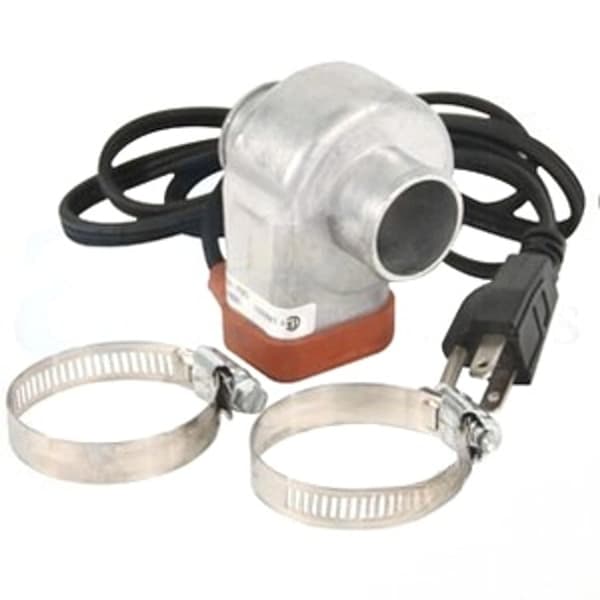
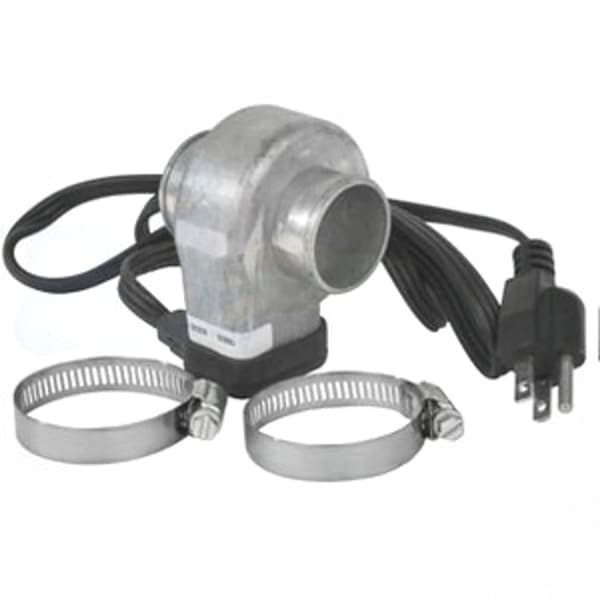
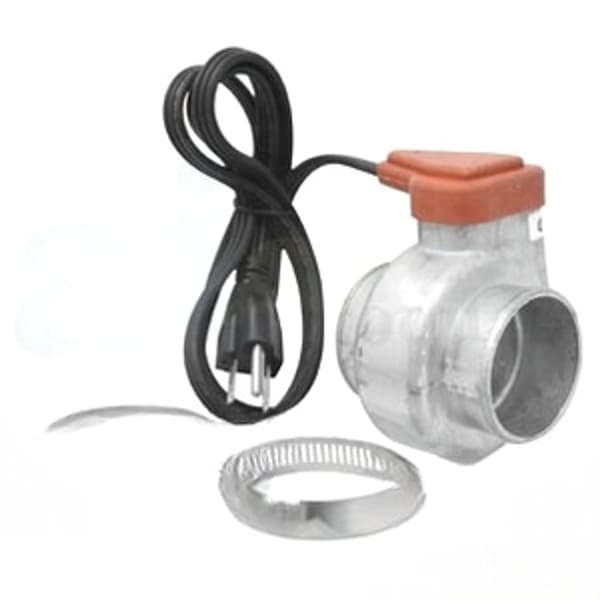
When winter hits, a functioning heater in your tractor cab is essential for comfort and safety. To ensure your engine starts easily and delivers warmth quickly in cold weather, consider installing a 600 WATT lower radiator hose heater. We offer these powerful heaters in various sizes, including 1 1/4", 1 1/2", and 2" fittings to suit your tractor's radiator hose dimensions. The tractor heater hose plays a crucial role in delivering warm coolant from the engine to the heater core. A damaged or failing heater hose can lead to a cold cab, coolant leaks even engine overheating. This guide from Madison Tractor Company will walk you through the different types of heater hoses, common problems replacement tips for various tractor brands. We carry parts for all major brands, including John Deere, Case IH, Ford, New Holland, Massey Ferguson, Kubota, Allis Chalmers, Deutz, International Harvester, Oliver, White, Gleaner, Vermeer, Hesston, Mahindra Zetor.
Recommended Parts for This Guide
6 parts we recommend — in stock, ships fast, one-click add to cart.
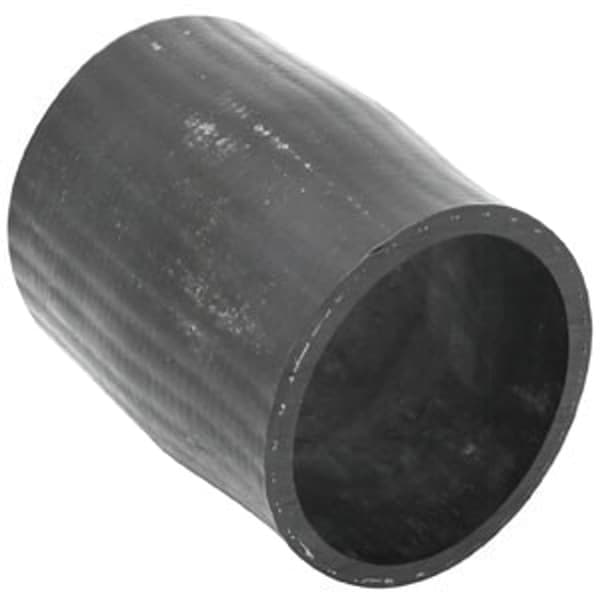
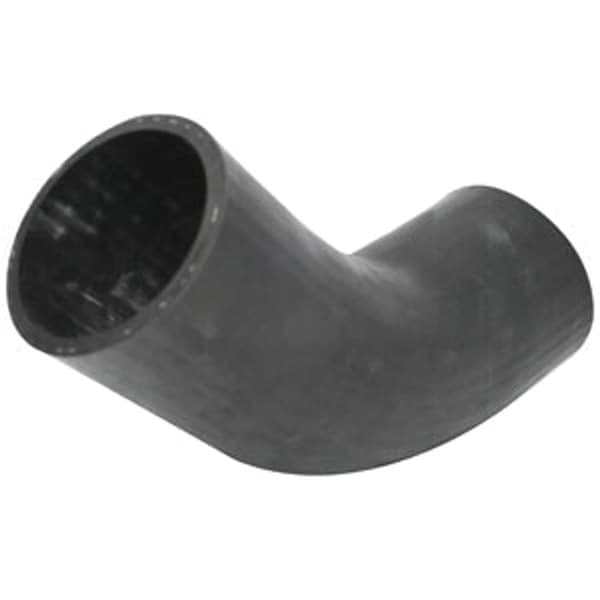
🔍 Looking for a specific part? Try our AI Part Finder — tell it your equipment and what you need, and it will find matching parts instantly.
Remember to always consult your tractor's service manual for specific instructions and safety precautions before performing any maintenance or repairs.
Understanding Tractor Heater Hose Systems 
A typical tractor heater system consists of several key components
- Engine Coolant The lifeblood of the system, transferring heat from the engine. Regular coolant flushes are vital; see our selection of fluids & lubricants.
- Water Pump Circulates coolant through the engine and heater core. (See: John Deere Tractor Water Pump, Ford Tractor Water Pump Replacement, Case IH Tractor Water Pump)
- Heater Hoses Flexible hoses that carry coolant between the engine and the heater core.
- Heater Core A small radiator-like component located inside the cab that dissipates heat.
- Heater Control Valve Regulates the flow of coolant to the heater core, controlling the temperature inside the cab.
- Blower Motor Circulates air through the heater core and into the cab.
The heater hoses are usually connected to the engine block or cylinder head near the water pump and thermostat housing. The warmed coolant travels through the hoses to the heater core, where the heat is transferred to the air blown through it by the blower motor. The cooled coolant then returns to the engine to be reheated.
Types of Tractor Heater Hose 
Tractor heater hoses come in different materials and sizes, each designed for specific applications
- Standard Rubber Heater Hose The most common type, offering good flexibility and heat resistance.
- Silicone Heater Hose Offers superior heat and chemical resistance compared to rubber hoses, making them ideal for heavy-duty applications.
- Molded Heater Hose Pre-formed hoses designed to fit specific tractor models, ensuring proper routing and preventing kinks.
- Universal Heater Hose Straight hoses that can be cut to the desired length and bent to fit various applications.
Common Heater Hose Problems 
Several factors can lead to heater hose failure
- Age and Deterioration Over time, the rubber in heater hoses can become brittle and crack due to heat and exposure to chemicals.
- Kinking and Collapse Sharp bends or obstructions can cause the hose to kink, restricting coolant flow and potentially leading to overheating.
- Abrasion Rubbing against other components can wear down the hose, leading to leaks.
- Electrochemical Degradation (ECD) Internal corrosion caused by stray electrical currents in the coolant system. This can cause pinhole leaks.
- Improper Coolant Using the wrong type of coolant or not maintaining the correct coolant concentration can accelerate hose degradation.
Warning Always allow the engine to cool completely before working on the cooling system. Hot coolant can cause severe burns.
Diagnosing Heater Hose Issues 
Here are some signs that your tractor heater hose may need to be replaced
- Coolant Leaks Visible leaks around the hose connections or along the hose itself.
- Soft or Swollen Hoses Hoses that feel mushy or expanded are likely deteriorating.
- Cracked or Brittle Hoses Visible cracks or a stiff, inflexible hose indicate age and wear.
- Cold Cab A lack of heat in the cab, even when the engine is warm, could indicate a blockage or leak in the heater hose system.
- Overheating In severe cases, a blocked or leaking heater hose can contribute to engine overheating. See our section on John Deere Tractor Radiator if you suspect your radiator is failing.
Replacing a Tractor Heater Hose: A Step-by-Step Guide 
Replacing a heater hose is a relatively straightforward task, but it's important to follow these steps carefully
- Gather Your Tools and Materials You'll need new heater hose(s), hose clamps, a drain pan, pliers, screwdrivers the correct type of coolant. Madison Tractor Company carries a full line of tools and shop supplies.
- Allow the Engine to Cool Never work on a hot engine.
- Drain the Coolant Open the radiator drain cock or remove a lower radiator hose to drain the coolant into a drain pan. Dispose of used coolant properly.
- Remove the Old Heater Hose Loosen the hose clamps and carefully disconnect the old hose from the engine and heater core. Be prepared for some residual coolant to spill.
- Clean the Fittings Clean the hose connections on the engine and heater core to ensure a good seal.
- Install the New Heater Hose Slide the new hose onto the fittings and secure it with new hose clamps. Ensure the hose is properly routed to avoid kinks or rubbing.
- Refill the Cooling System Pour the correct type and amount of coolant into the radiator.
- Bleed the Cooling System Follow your tractor's service manual to bleed any air from the cooling system. This is crucial to prevent overheating. Some tractors have bleed valves; others require running the engine with the radiator cap off until air bubbles are expelled.
- Check for Leaks Start the engine and let it warm up. Carefully inspect the heater hose connections for leaks.
Important Safety Note Coolant is toxic. Avoid contact with skin and eyes keep it away from children and pets. Always dispose of used coolant properly at a designated recycling center.
Brand-Specific Considerations 
While the general process for replacing heater hoses is similar across different brands, there are some specific considerations for popular tractor brands
John Deere
John Deere uses various heater hose configurations depending on the model and year. Many older models use a simple two-hose system. Newer models may incorporate a heater control valve. For example, a John Deere 4020 might use a molded heater hose with part number (check for compatibility with your specific serial number). Be sure to check our extensive catalog of John Deere tractor parts.
Case IH
Case IH tractors often use molded heater hoses with specific bends and angles. For example, on certain Case IH models, the heater hose that connects to the thermostat housing requires a unique bend to avoid interference with other components. Refer to your parts manual for the correct part number. Consider browsing our range of Case IH tractor parts.
Ford/New Holland
Ford and New Holland tractors are known for their robust heater systems. Older Ford tractors (e.g., Ford 8N, Ford 3000) typically use simple rubber hoses. New Holland tractors may use more complex molded hoses. See our broad selection of Ford tractor parts and New Holland tractor parts.
Massey Ferguson
Massey Ferguson tractors often utilize a combination of molded and universal heater hoses. Proper routing is critical to prevent kinks. See our inventory of Massey Ferguson tractor parts.
Kubota
Kubota tractors generally use high-quality rubber heater hoses that are designed for long life. However, regular inspection is still recommended. Browse our range of Kubota tractor parts.
Preventative Maintenance for Heater Hoses 
Here are some tips to extend the life of your tractor heater hoses
- Regular Inspection Inspect your heater hoses regularly for signs of wear, cracks, or leaks.
- Proper Coolant Maintenance Use the correct type of coolant and maintain the proper concentration. Flush the cooling system according to your tractor's service manual recommendations.
- Avoid Sharp Bends Ensure heater hoses are routed properly to avoid sharp bends or kinks.
- Secure Hose Clamps Check and tighten hose clamps periodically to prevent leaks.
- Address Leaks Promptly Even small leaks can lead to larger problems. Replace leaking hoses immediately.
- Consider Silicone Hoses For demanding applications, consider upgrading to silicone heater hoses for improved durability.
Other Cooling System Components 
While you're inspecting your heater hoses, it's a good time to check other cooling system components
- Radiator Look for leaks, corrosion damaged fins. (John Deere Tractor Radiator, Case IH Tractor Radiator Replacement, Ford Tractor Radiator, Massey Ferguson Tractor Radiator, Kubota Tractor Radiator)
- Radiator Hoses Don't forget to inspect your upper radiator hoses and lower radiator hoses (such as our R63697 lower radiator hose) for signs of wear, cracks, or swelling.
- Water Pump Listen for unusual noises and check for leaks.
- Thermostat Ensure the thermostat is functioning properly to regulate engine temperature.
- Radiator Cap A faulty radiator cap can prevent the cooling system from pressurizing properly.
- Belts Inspect the drive belt for cracks, wear, or looseness.
In addition to cooling system parts, Madison Tractor also carries a wide range of other tractor parts, including starters, alternators, hydraulic pumps, cylinders, clutch kits, PTO parts, fuel pumps, carburetors, injectors, filters, gaskets, pistons, bearings, seals, belts, chains, concaves sickle sections.
Shop Tractor Heater Hoses at Madison Tractor Company 
Madison Tractor Company is your trusted source for high-quality tractor heater hoses and other replacement parts. We carry a wide selection of hoses for all major brands, including John Deere, Case IH, Ford, New Holland, Massey Ferguson, Kubota more. Browse our online catalog or contact our knowledgeable parts experts for assistance in finding the right heater hose for your tractor. Keep your cab warm and comfortable with parts from Madison Tractor! Shop our full selection of cooling system parts today! You can also use our AI-Powered Part Finder to search for parts by your specific make and model.
Part of our comprehensive guide
Tractor Radiator Replacement Guide: All Major Brands & Models