








Tractor Coolant Flush: Step-by-Step for All Brands
Performing a tractor coolant flush is essential maintenance to prevent overheating and extend engine life. This guide provides a step-by-step process applicable to John Deere, Case IH, Ford, and other tractor brands.
Introduction to Tractor Coolant Flushes
A tractor's cooling system is vital for preventing overheating and ensuring optimal performance. Over time, coolant degrades, loses its effectiveness, and can even cause corrosion. A regular tractor coolant flush removes old coolant and deposits, allowing the fresh coolant to protect the engine and radiator properly. Madison Tractor Company knows how crucial this is, that's why we offer quality radiators, water pumps, and all cooling system components for John Deere, Case IH, Ford, New Holland, Massey Ferguson, Kubota, and many other brands. You can find quality replacements at great prices so you can keep your tractor running right!
Recommended Parts for This Guide
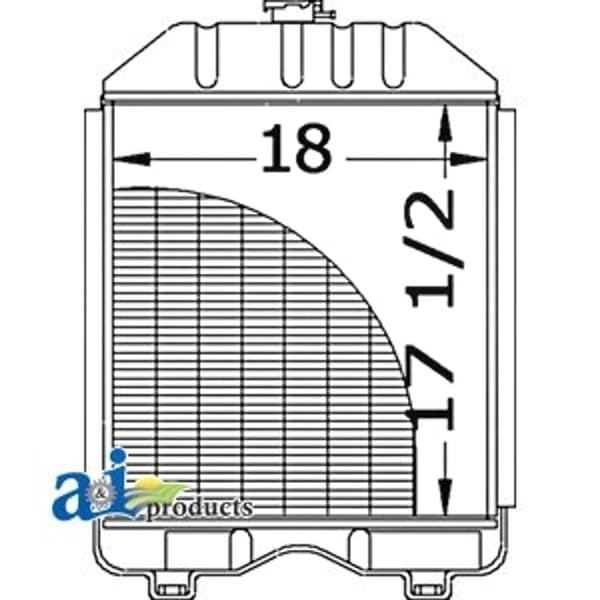
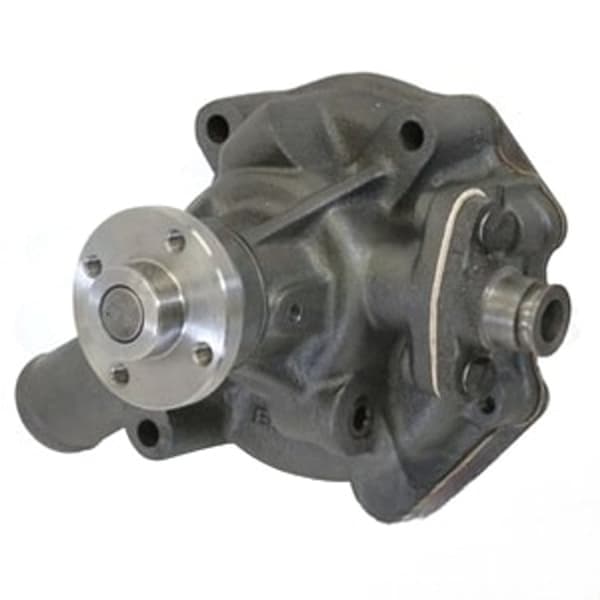
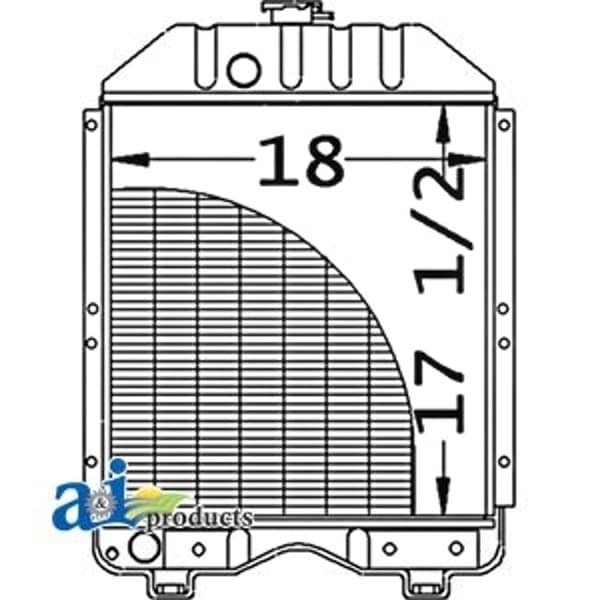
6 parts we recommend — in stock, ships fast, one-click add to cart.
🔍 Looking for a specific part? Try our AI Part Finder — tell it your equipment and what you need, and it will find matching parts instantly.
This guide will provide a step-by-step process for performing a tractor coolant flush, regardless of the brand. Whether you operate a classic Ford tractor or a modern John Deere, the principles remain the same. Regularly changing your coolant also increases the lifespan of other tractor parts, like your John Deere tractor water pump, preventing unnecessary breakdowns.
Why Perform a Tractor Coolant Flush?
There are several key reasons why a tractor coolant flush is necessary:
- Prevent Overheating: Old coolant loses its ability to dissipate heat effectively, leading to overheating, especially during heavy use.
- Corrosion Prevention: Coolant contains corrosion inhibitors. As coolant ages, these inhibitors deplete, allowing rust and corrosion to form, damaging the radiator, water pump, and engine block.
- Extends Component Life: Clean coolant helps prolong the life of cooling system components, like the radiator, water pump (available for Ford tractor water pump replacement and Case IH tractor water pump replacement), and hoses.
- Prevents Scale Buildup: Mineral deposits in the water can form scale, which reduces cooling efficiency.
When to Perform a Tractor Coolant Flush
Consult your tractor's owner's manual for the recommended coolant change interval. Generally, a tractor coolant flush should be performed every two years or every 2,000 hours of operation, whichever comes first. Consider shortening the interval if:
- The coolant appears dirty or rusty.
- The tractor frequently overheats.
- You're unsure when the coolant was last changed.
Tools and Materials Needed
Before starting your tractor coolant flush, gather the following:
- New Coolant: Use the type recommended in your tractor's owner's manual. Common types include conventional green coolant, extended life coolant (ELC), and hybrid organic acid technology (HOAT) coolant.
- Distilled Water: For flushing and mixing with coolant concentrate (if not using pre-mixed coolant).
- Drain Pan: To catch the old coolant.
- Wrenches and Sockets: To remove drain plugs and hose clamps.
- Hose Clamp Pliers (Optional): Makes removing hose clamps easier.
- Funnel: For pouring coolant into the radiator.
- Gloves: To protect your hands from coolant.
- Safety Glasses: To protect your eyes.
- Radiator Flush Solution (Optional): For heavily contaminated cooling systems.
- Garden Hose: For flushing the system.
- Torque Wrench: For tightening drain plugs and hose clamps to the correct specification.
- Owner's Manual: For torque specs, coolant type, and fluid capacity.
Step-by-Step Tractor Coolant Flush Guide
Safety First: Always allow the engine to cool completely before starting. Coolant can be extremely hot and under pressure, posing a burn hazard.
- Prepare the Tractor: Park the tractor on a level surface and engage the parking brake.
- Locate the Drain Plug(s): Most tractors have a drain plug on the bottom of the radiator. Some may also have drain plugs on the engine block. Consult your owner's manual for their exact location.
- Open the Radiator Cap: Carefully remove the radiator cap to relieve any pressure.
- Drain the Old Coolant: Place the drain pan under the drain plug(s). Loosen the drain plug(s) and allow the coolant to drain completely. Be mindful of pets and wildlife; coolant is toxic.
- Flush the Cooling System: Once the coolant has drained, close the drain plug(s) and tighten to the specified torque (consult your manual). Fill the radiator with distilled water. Start the engine and let it run for 10-15 minutes. This will circulate the water and help remove any remaining deposits. Then, shut off the engine and let it cool again. Repeat steps 3 and 4 to drain the distilled water. You may repeat this flushing process several times until the drained water appears clear and free of debris. If you are using a radiator flush solution, follow the instructions on the product label, ensuring it's compatible with your tractor's cooling system.
- Inspect Hoses and Clamps: While the system is drained, inspect the radiator hoses for cracks, leaks, or swelling. Replace any damaged hoses. Check the hose clamps for corrosion and replace them if necessary. Madison Tractor Company carries a wide selection of radiator hoses and clamps for various tractor models, including John Deere tractor radiator parts, Case IH tractor radiator replacement parts, and Ford tractor radiator hoses.
- Mix the Coolant: If using coolant concentrate, mix it with distilled water according to the manufacturer's recommendations. Typically, a 50/50 mix is used, but consult your owner's manual for the correct ratio. Pre-mixed coolant is also available.
- Fill the Cooling System: Slowly pour the new coolant mixture into the radiator using a funnel. Fill to the specified level, usually indicated on the radiator or expansion tank.
- Bleed the System: Air pockets can form in the cooling system, reducing its efficiency. To bleed the system, start the engine and let it run with the radiator cap off. Watch for air bubbles escaping from the radiator. You may need to gently squeeze the radiator hoses to help release trapped air. Continue this process until no more air bubbles appear.
- Top Off Coolant Level: Once the system is bled, turn off the engine and let it cool slightly. Check the coolant level and top it off as needed.
- Check for Leaks: Start the engine and let it run for a few minutes. Inspect all hoses, clamps, and drain plugs for leaks. Tighten any loose connections as needed.
- Monitor Coolant Level: Over the next few days, monitor the coolant level and top it off if necessary.
Specific Brand Considerations
While the general procedure is the same, here are some specific considerations for popular tractor brands:
- John Deere: John Deere often specifies a particular type of coolant (e.g., Cool-Gard II). Always use the recommended coolant to avoid compatibility issues. Check your John Deere tractor radiator for specific warnings.
- Case IH: Case IH tractors may have multiple drain plugs on the engine block, especially on older models. Be sure to locate and open all drain plugs to completely drain the system.
- Ford/New Holland: Many older Ford tractors used conventional green coolant. Newer models may require extended life coolant. Confirm the correct type in your owner's manual. Many older Ford tractor radiator models require specific coolants.
- Massey Ferguson: Massey Ferguson tractors often have a bleeder valve on the thermostat housing. Use this valve to help remove air pockets from the system. If you're also working on the water pump, check our guide to Massey Ferguson tractor radiator maintenance.
- Kubota: Kubota tractors typically use a long-life coolant. Check the coolant level regularly, especially after performing a coolant flush. Replacement Kubota tractor radiator parts can be found at Madison Tractor.
- Allis Chalmers, Deutz, International Harvester, Oliver, White, Gleaner, Vermeer, Hesston, Mahindra, Zetor: Consult your specific model's service manual for drain plug locations, coolant type, and capacity.
Disposing of Old Coolant
Old coolant is hazardous waste and must be disposed of properly. Never pour coolant down the drain or onto the ground. Contact your local recycling center or hazardous waste disposal facility for instructions on proper disposal methods.
Common Cooling System Problems and Solutions
- Overheating: Low coolant level, faulty thermostat, clogged radiator, failing water pump.
- Coolant Leaks: Damaged hoses, loose clamps, cracked radiator, leaking water pump.
- White Smoke from Exhaust: Coolant leaking into the combustion chamber (potentially a blown head gasket).
- Rust or Corrosion in Coolant: Indicates depleted corrosion inhibitors; requires a coolant flush and potential radiator cleaning.
Maintaining Your Tractor's Cooling System
Regular maintenance is key to keeping your tractor's cooling system in good condition. Here are some tips:
- Check the coolant level regularly.
- Inspect hoses and clamps for leaks or damage.
- Keep the radiator fins clean and free of debris.
- Perform a coolant flush according to the manufacturer's recommendations.
- Consider using a coolant filter to remove contaminants.
Madison Tractor Company: Your Source for Tractor Parts
Madison Tractor Company is your one-stop shop for all your tractor parts needs! We carry a wide selection of radiators, water pumps, hoses, clamps, and other cooling system components for John Deere, Case IH, Ford, New Holland, Massey Ferguson, Kubota, Allis Chalmers, Deutz, International Harvester, Oliver, White, Gleaner, Vermeer, Hesston, Mahindra, Zetor, and more. Whether you need a new radiator, a water pump, a starter, alternator, hydraulic pump, cylinder, clutch kit, PTO part, fuel pump, carburetor, injector, filter, gasket, piston, bearing, seal, belt, chain, concave, or sickle section, we have you covered. Browse our extensive online catalog or contact our knowledgeable staff for assistance. Keep your tractor running smoothly with quality parts from Madison Tractor Company! You can also use our AI-Powered Part Finder to search for parts by your specific make and model.
Part of our comprehensive guide
Tractor Radiator Replacement Guide: All Major Brands & Models