








Tractor Radiator Replacement Guide: All Major Brands & Models
A tractor radiator is a crucial component of your engine's cooling system. This guide covers everything you need to know about tractor radiator replacement, from diagnosing problems to choosing the right replacement and completing the installation.
Introduction to Tractor Radiator Replacement
Your tractor's radiator plays a critical role in preventing engine overheating. A malfunctioning radiator can lead to decreased performance, increased fuel consumption, and, in severe cases, catastrophic engine damage. Knowing when and how to perform a tractor radiator replacement is essential for maintaining the health and longevity of your equipment. This comprehensive guide will walk you through the process, covering everything from diagnosing radiator problems to selecting the right replacement and completing the installation. Whether you own a John Deere, Case IH, Ford, Massey Ferguson, Kubota, or any other major brand, we'll provide the information you need to tackle this important maintenance task.
Recommended Parts for This Guide
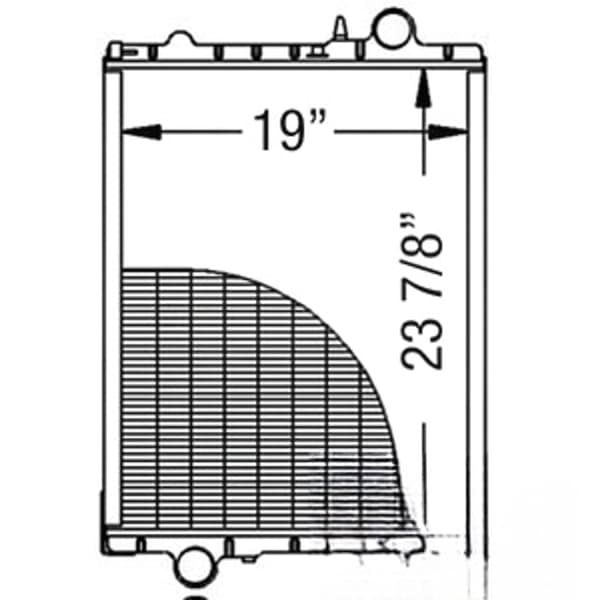
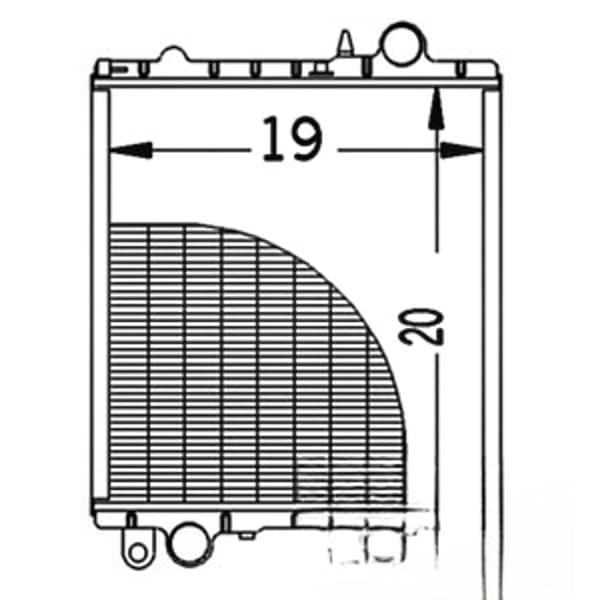
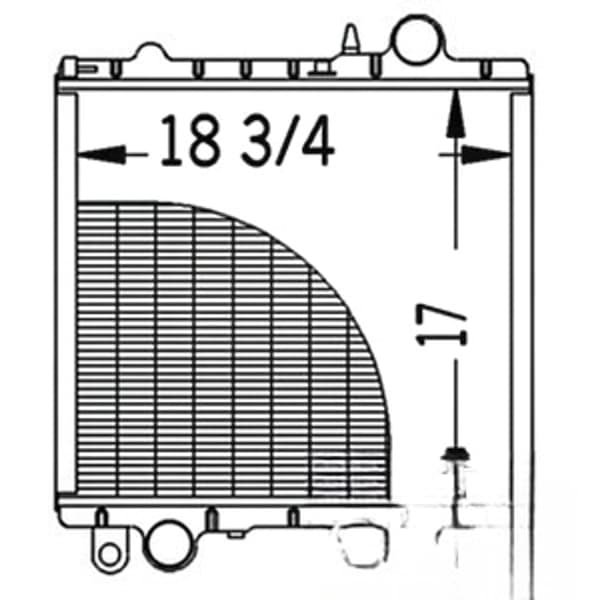
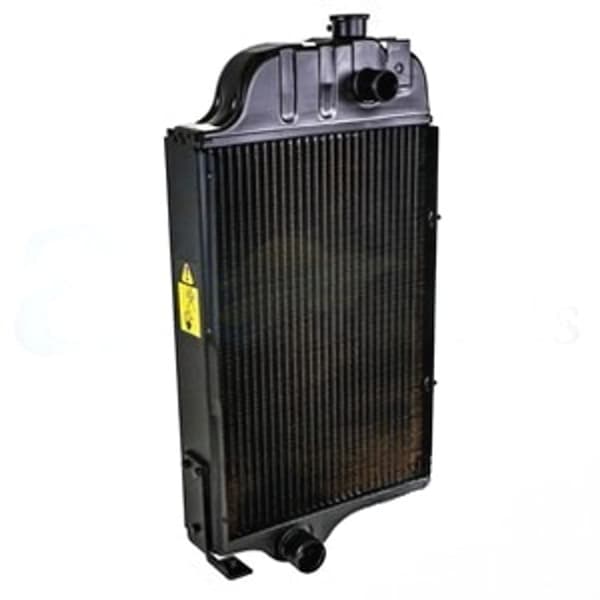
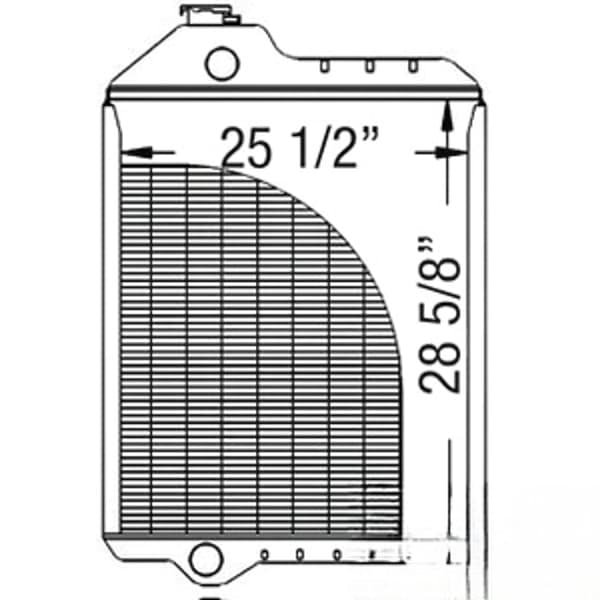
9 parts we recommend — in stock, ships fast, one-click add to cart.
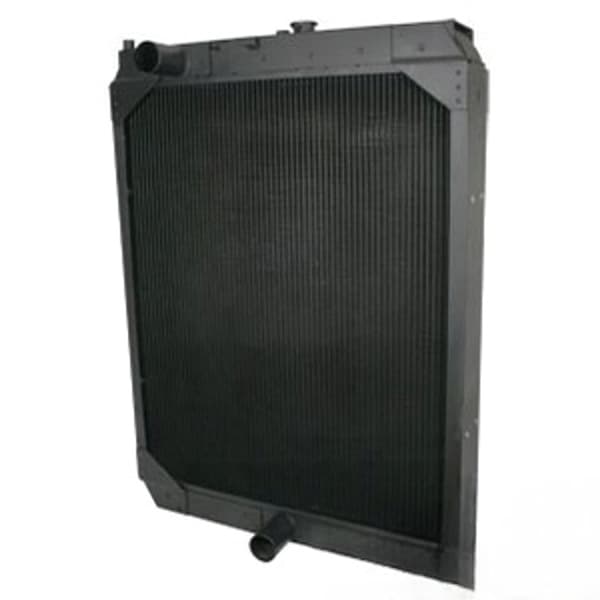
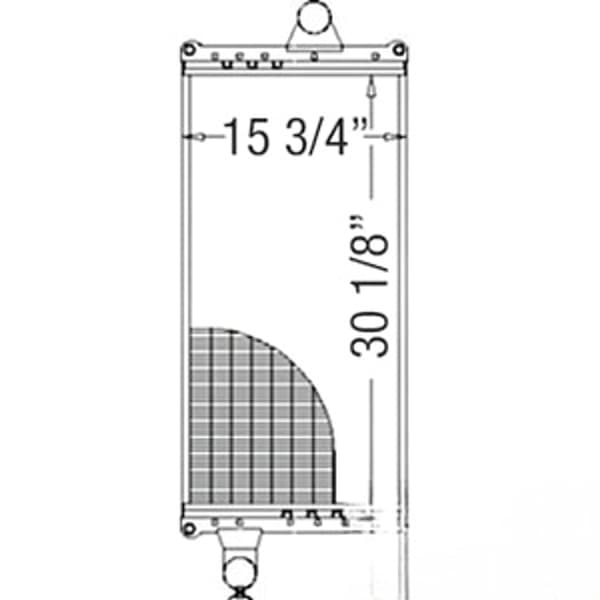
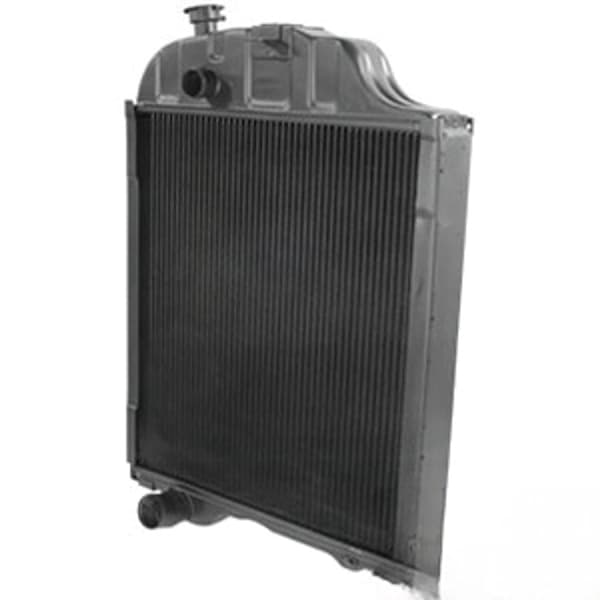
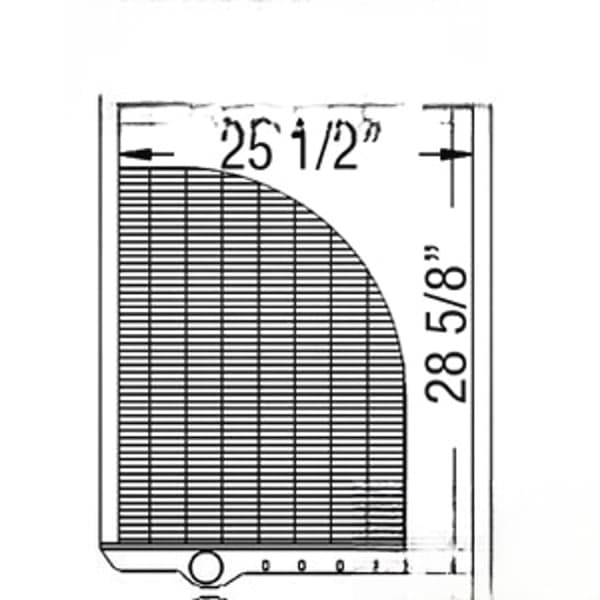
🔍 Looking for a specific part? Try our AI Part Finder — tell it your equipment and what you need, and it will find matching parts instantly.
Recognizing the Signs of Radiator Failure
Early detection of radiator problems can prevent costly repairs down the road. Here are some common signs that indicate your radiator may need replacing:
- Overheating Engine: This is the most obvious sign. If your tractor consistently runs hot, even under normal operating conditions, the radiator may be failing to dissipate heat effectively.
- Coolant Leaks: Look for puddles of coolant under your tractor. Leaks can occur at the radiator core, hoses, or connections. Coolant is often green, orange, or yellow.
- Low Coolant Level: If you frequently need to add coolant to your system, it could indicate a leak in the radiator.
- Rust and Corrosion: Visible rust or corrosion on the radiator exterior or around connections can weaken the metal and lead to leaks.
- Damaged Fins: Bent or damaged fins reduce the radiator's surface area and its ability to transfer heat.
- Milky or Discolored Engine Oil: This indicates coolant is leaking into the engine oil, which can cause serious engine damage. Check the oil dipstick regularly.
Diagnosing the Problem: Is it Really the Radiator?
Before you commit to a tractor radiator replacement, it's essential to rule out other potential causes of overheating or coolant loss. Consider these factors:
- Check Coolant Hoses: Inspect all coolant hoses for cracks, leaks, or collapses. Replace damaged hoses as needed.
- Inspect the Thermostat: A faulty thermostat can prevent coolant from circulating properly. You can test the thermostat by removing it and placing it in a pot of hot water. If it doesn't open, it needs to be replaced.
- Examine the Water Pump: A failing water pump can't circulate coolant effectively. Listen for unusual noises from the pump, and check for leaks. See also our guides to John Deere Tractor Water Pump, Ford Tractor Water Pump, and Case IH Tractor Water Pump.
- Check the radiator cap: A worn or damaged radiator cap can't maintain proper system pressure, leading to coolant loss.
- Inspect for Head Gasket Leaks: A blown head gasket can allow coolant to enter the cylinders, causing overheating and white smoke from the exhaust. A compression test can help diagnose this issue.
If you've ruled out these other potential causes, it's likely that the radiator itself is the problem.
Choosing the Right replacement radiator
Selecting the correct replacement radiator is crucial for ensuring proper fit and performance. Here are some factors to consider:
- OEM vs. Aftermarket: OEM (Original Equipment Manufacturer) radiators are made by the same manufacturer as the original radiator and are designed to meet the exact specifications of your tractor. Aftermarket radiators are made by other companies and may offer cost savings. Madison Tractor Company offers both OEM and high-quality aftermarket radiators for a wide range of tractor brands and models.
- Matching the Part Number: The easiest way to ensure a perfect fit is to match the OEM part number of your old radiator. You can usually find this number stamped on the radiator itself.
- Consider Your Tractor Model and Year: If you can't find the part number, be sure to provide your tractor's make, model, and year when ordering a replacement. This will help us find the correct radiator for your machine. For instance, if you own a John Deere tractor radiator, Case IH tractor radiator, Ford tractor radiator, Massey Ferguson radiator, or a Kubota tractor radiator, we can help you find the specific radiator designed for your equipment.
- Radiator Core Type: Radiators are typically available with either a copper/brass core or an aluminum core. Aluminum cores are generally lighter and more efficient at dissipating heat, while copper/brass cores are more durable and easier to repair.
- Number of Rows: Radiators with more rows of tubes offer better cooling capacity. Consider upgrading to a radiator with more rows if you frequently operate your tractor under heavy loads or in hot weather.
At Madison Tractor Company, we stock a wide selection of radiators for all major tractor brands, including John Deere, Case IH, Ford, New Holland, Massey Ferguson, Kubota, Allis Chalmers, Deutz, International Harvester, Oliver, White, Gleaner, Vermeer, Hesston, Mahindra, and Zetor. We also carry radiators for combines and other agricultural equipment.
Tools and Materials Needed for Tractor Radiator Replacement
Before you begin the tractor radiator replacement process, gather the necessary tools and materials:
- New radiator
- New coolant
- Wrenches and sockets
- Screwdrivers
- Pliers
- Drain pan
- Hose clamps
- Radiator flush (optional)
- Thread sealant (optional)
- Gloves
- Safety glasses
- Shop towels
- Distilled water (for mixing with coolant)
- Torque wrench
Safety First! Always disconnect the battery before working on the cooling system. Coolant can be hot and under pressure, so allow the engine to cool completely before removing the radiator cap or draining the coolant. Wear safety glasses and gloves to protect yourself from coolant splashes and sharp edges.
Step-by-Step Tractor Radiator Replacement Guide
- Drain the Coolant: Place a drain pan under the radiator drain valve (usually located at the bottom of the radiator). Open the drain valve and allow the coolant to drain completely. Remove the radiator cap to speed up the process. Dispose of used coolant properly according to local regulations.
- Disconnect Hoses: Loosen the hose clamps and carefully disconnect the upper radiator hoses and lower radiator hoses from the radiator. If the hoses are stuck, you can use a hose removal tool or carefully cut them with a utility knife.
- Disconnect Any Other Attachments: Depending on your tractor model, you may need to disconnect other attachments, such as transmission oil cooler lines or air conditioning condenser lines. Label these lines clearly to ensure proper reconnection.
- Remove the Radiator Mounting Bolts: Locate the radiator mounting bolts and remove them. These bolts may be located on the top, bottom, or sides of the radiator.
- Remove the Old Radiator: Carefully lift the old radiator out of the tractor. Be careful not to damage any surrounding components.
- Prepare the new radiator: Inspect the new radiator for any damage. Install any fittings or adapters that are required. Apply thread sealant to any threaded connections.
- Install the New Radiator: Carefully lower the new radiator into place. Align the mounting holes and install the mounting bolts. Tighten the bolts to the manufacturer's specified torque.
- Reconnect Hoses and Attachments: Reconnect the radiator hoses and tighten the hose clamps. Reconnect any other attachments that you disconnected earlier.
- Fill the Cooling System: Mix the coolant with distilled water according to the manufacturer's recommendations (usually a 50/50 mixture). Slowly fill the cooling system with the coolant mixture.
- Bleed the Cooling System: Air pockets in the cooling system can cause overheating. To bleed the system, start the engine and let it run for a few minutes. Open the bleeder valve (usually located on the thermostat housing) to allow any trapped air to escape. Add more coolant as needed.
- Check for Leaks: Inspect all connections for leaks. Tighten any loose connections.
- Test the System: Allow the engine to reach operating temperature and monitor the temperature gauge. Check for any signs of overheating.
Specific Brand Considerations
While the general radiator replacement process is similar across different tractor brands, there may be some specific considerations to keep in mind.
- John Deere: John Deere tractors often use specific coolant types. Refer to your owner's manual for the correct coolant specification. Also, see our guide to John Deere Tractor Radiator: OEM Part Numbers by Model.
- Case IH: Case IH radiators may have integrated oil coolers. Be sure to properly disconnect and reconnect these lines. See our guide to Case IH Tractor Radiator Replacement: Models & Sizing.
- Ford/New Holland: Older Ford tractors may have unique hose connections. Be sure to use the correct hose clamps. See also our guide to Ford Tractor Radiator: 2000, 3000, 4000 & 5000 Series.
- Massey Ferguson: Massey Ferguson tractors may have limited access to the radiator mounting bolts. Be patient and use the correct tools. Our Massey Ferguson Tractor Radiator: Complete Model Guide can help.
- Kubota: Kubota tractors often have compact cooling systems. Be sure to properly bleed the system to remove air pockets. Also, see our guide to Kubota Tractor Radiator: L, M & MX Series Parts.
Coolant Types and Maintenance
Using the correct type of coolant is crucial for protecting your engine from corrosion and overheating. Refer to your tractor's owner's manual for the recommended coolant specification. Common coolant types include:
- Conventional Green Coolant: This is the traditional coolant type and is suitable for older tractors.
- OAT (Organic Acid Technology) Coolant: This coolant type offers longer service life and better corrosion protection.
- HOAT (Hybrid Organic Acid Technology) Coolant: This coolant type combines the benefits of OAT and conventional coolants.
It's also important to maintain the correct coolant level and concentration. Check the coolant level regularly and add coolant as needed. Change the coolant according to the manufacturer's recommended service interval.
Beyond the Radiator: A Cooling System Overview
Remember, the radiator is just one component of your tractor's cooling system. A well-maintained cooling system also includes:
- Water Pump: Circulates coolant through the engine and radiator.
- Thermostat: Regulates engine temperature.
- Coolant Hoses: Carry coolant between the engine, radiator, and other components.
- Radiator Cap: Maintains system pressure and prevents coolant loss.
- Coolant Recovery Tank: Collects excess coolant and returns it to the radiator as needed.
Regularly inspect and maintain all of these components to ensure optimal cooling system performance.
Other Tractor Parts You Might Need
While you're working on your tractor, it's a good time to inspect other components and address any potential issues. Madison Tractor Company carries a wide range of tractor parts, including:
- Water Pumps
- Starters
- Alternators
- Hydraulic Pumps
- Hydraulic Cylinders
- Clutch Kits
- PTO Parts
- Fuel Pumps
- Carburetors
- Injectors
- Filters
- Gaskets
- Pistons
- Bearings
- Seals
- Belts
- Chains
- Concaves
- Sickle Sections
Conclusion: Keep Your Tractor Running Cool
Performing a tractor radiator replacement is a manageable task with the right knowledge and tools. By following the steps outlined in this guide, you can ensure that your tractor's engine stays cool and runs smoothly for years to come. Remember to always prioritize safety and consult your tractor's owner's manual for specific instructions and recommendations.
Shop Tractor Radiator & Cooling System Parts at Madison Tractor!
At Madison Tractor Company, we're committed to providing you with the highest quality tractor parts at competitive prices. We have radiators, water pumps, thermostats, and other cooling system components for all major tractor brands, including John Deere, Case IH, Ford, New Holland, Massey Ferguson, Kubota, and more. Browse our online catalog or contact us today to find the parts you need to keep your tractor running its best! Shop Tractor Radiator & Cooling System Parts Now.
🔍 Can't Find Your Part?
Use our AI-Powered Part Finder to search by your equipment's make, model, and what you need. It's the fastest way to find the exact part for your machine.
Try the Part Finder →Part of our comprehensive guide
Tractor Radiator Replacement Guide: All Major Brands & Models