








John Deere 4440 Radiator: Parts & Installation
Is your John Deere 4440 overheating? This guide helps you diagnose radiator problems, find the right replacement parts, and offers step-by-step installation instructions. Keep your 4440 running efficiently!
Introduction to the John Deere 4440 Radiator
The John Deere 4440 is a workhorse of a tractor, known for its reliability and power. However, like any machine, its cooling system especially the radiator, can experience problems over time. Overheating can lead to significant engine damage, so maintaining a healthy cooling system is paramount. This guide will help you understand the common issues affecting the John Deere 4440 radiator, how to diagnose them how to replace the radiator if necessary. We'll also cover sourcing the right parts and offer tips for proper installation. At Madison Tractor, we carry a wide selection of John Deere parts and can help you find exactly what you need.
Recommended Parts for This Guide
5 parts we recommend — in stock, ships fast, one-click add to cart.
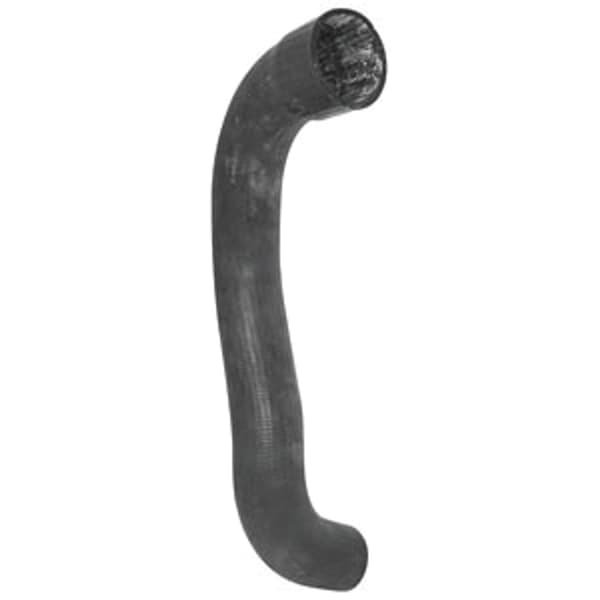
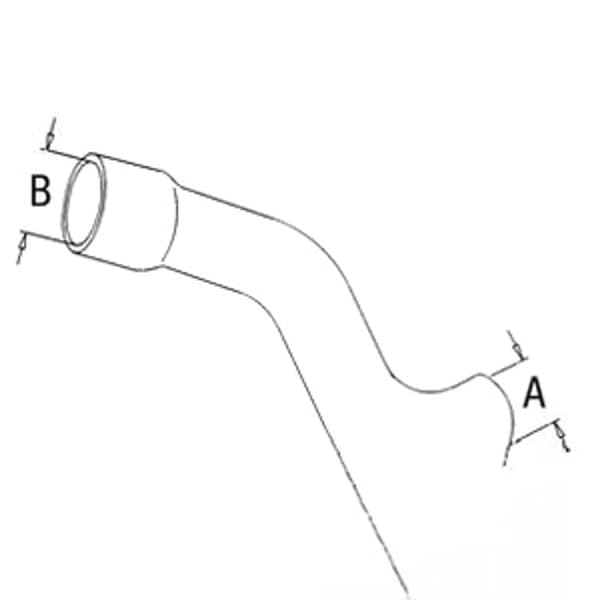
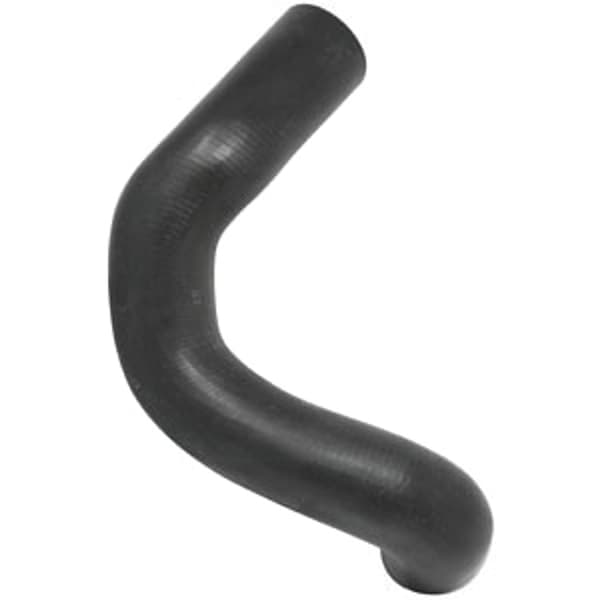
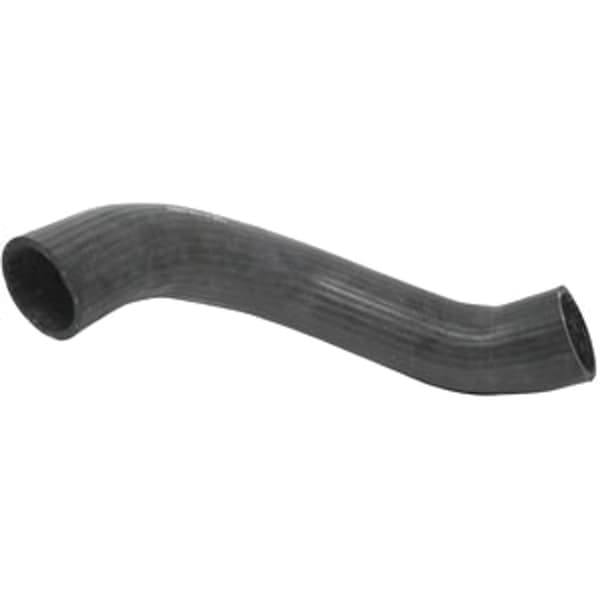
🔍 Looking for a specific part? Try our AI Part Finder — tell it your equipment and what you need, and it will find matching parts instantly.
Common John Deere 4440 Radiator Problems
Several factors can contribute to radiator problems in a John Deere 4440. Recognizing these issues early can prevent more serious damage.
- Leaks Leaks can occur due to corrosion, cracks, or damage from debris. Look for coolant pooling under the tractor or signs of coolant spray. Common leak locations include the core, tanks hose connections.
- Clogging Debris such as dirt, dust, chaff insects can accumulate on the radiator fins, reducing airflow and cooling efficiency. Internal clogging can also occur due to scale buildup or degraded coolant.
- Corrosion Over time, the coolant can become acidic and corrode the radiator's internal components, leading to leaks and reduced cooling capacity. Using the correct coolant and regularly flushing the system is crucial.
- Physical Damage Impacts from branches, rocks, or other objects can damage the radiator core or tanks, leading to leaks or reduced cooling efficiency.
- Water Pump Failure While not directly the radiator's fault, a failing water pump restricts coolant flow, leading to overheating and potentially damaging the radiator. Check out our guide on John Deere Tractor Water Pump: Part Numbers & Installation for more information.
Diagnosing Radiator Issues in Your 4440
Before replacing the radiator, it's essential to accurately diagnose the problem. Here's a step-by-step approach
- Visual Inspection Carefully examine the radiator for any signs of leaks, damage, or excessive debris buildup. Pay close attention to the core, tanks hose connections.
- Check Coolant Level Ensure the coolant level in the radiator and overflow tank is adequate. Low coolant levels indicate a leak somewhere in the system.
- Pressure Test Use a radiator pressure tester to check for leaks. Pressurize the system to the specified pressure (typically around 13-16 psi) and observe for any pressure drops.
- Temperature Check Use an infrared thermometer to check the temperature of the radiator core in various locations. Significant temperature differences indicate clogging or poor coolant flow.
- Inspect Coolant Condition Check the coolant for signs of contamination, such as rust, oil, or sediment. Dirty coolant indicates internal corrosion or other problems. Consider a coolant flush.
- Check Thermostat A faulty thermostat can prevent proper coolant circulation. Ensure the thermostat is opening and closing correctly.
If you suspect a water pump issue, inspect it for leaks, bearing noise, or impeller damage. If your tractor is experiencing electrical issues alongside cooling problems, it's worth checking the alternator and starter.
John Deere 4440 Radiator Replacement: A Step-by-Step Guide
Replacing the radiator on a John Deere 4440 is a straightforward process, but it requires patience and attention to detail. Always consult your tractor's service manual for specific instructions and safety precautions.
Safety First
- Allow the engine to cool completely before starting any work.
- Disconnect the battery's negative terminal to prevent electrical shorts.
- Wear safety glasses and gloves.
- Work in a well-ventilated area.
Tools You'll Need
- Wrenches and sockets
- Screwdrivers
- Pliers
- Drain pan
- New coolant
- Radiator pressure tester (optional)
- Torque wrench
Replacement Steps
- Drain the Coolant Locate the radiator drain valve (usually at the bottom of the radiator) and open it to drain the coolant into a drain pan. Dispose of the used coolant properly.
- Disconnect Hoses Disconnect the upper and lower radiator hoses from the radiator. Loosen the hose clamps and carefully twist and pull the hoses off the radiator connections.
- Remove Fan Shroud Remove the fan shroud, which typically attaches to the radiator with bolts or screws.
- Disconnect Transmission Cooler Lines (if equipped) If your 4440 has a transmission cooler integrated into the radiator, disconnect the transmission cooler lines. Plug the lines to prevent fluid loss.
- Remove Radiator Mounting Bolts Locate and remove the bolts that secure the radiator to the tractor's frame.
- Remove the Old Radiator Carefully lift the old radiator out of the tractor. Be mindful of any remaining coolant that may spill.
- Prepare the New Radiator Inspect the new radiator for any damage and ensure it matches the specifications of the old radiator.
- Install the New Radiator Carefully lower the new radiator into the tractor's frame and secure it with the mounting bolts. Tighten the bolts to the manufacturer's specified torque (typically around 20-25 ft-lbs).
- Reconnect Transmission Cooler Lines (if equipped) Reconnect the transmission cooler lines, ensuring they are securely attached.
- Reinstall Fan Shroud Reinstall the fan shroud.
- Reconnect Hoses Reconnect the upper and lower radiator hoses and secure them with the hose clamps.
- Fill with Coolant Fill the radiator with the correct type and mixture of coolant. Refer to your tractor's service manual for the recommended coolant type and mixing ratio.
- Bleed the System Start the engine and allow it to run for a few minutes to circulate the coolant. Check for leaks and add more coolant as needed. Open the bleeder valve (if equipped) to release any trapped air from the system.
- Pressure Test (Optional) Use a radiator pressure tester to verify that the system is holding pressure and that there are no leaks.
Important Considerations
- Always use the correct type of coolant specified for your John Deere 4440.
- Ensure all hose clamps are properly tightened to prevent leaks.
- Dispose of used coolant responsibly.
- After replacing the radiator, monitor the engine temperature closely for the first few hours of operation.
Finding the Right John Deere 4440 Radiator Parts
When sourcing a replacement radiator for your John Deere 4440, you have several options
- OEM (Original Equipment Manufacturer) Radiators These are manufactured by John Deere or their suppliers and are designed to meet the exact specifications of your tractor. They offer the best fit and performance but are typically the most expensive option.
- Aftermarket Radiators These are manufactured by third-party companies and are often more affordable than OEM radiators. However, quality can vary, so it's essential to choose a reputable brand. At Madison Tractor, we carry high-quality aftermarket radiators that meet or exceed OEM standards.
- Used Radiators Used radiators can be a budget-friendly option, but their condition is often uncertain. Inspect used radiators carefully for leaks, damage corrosion before purchasing.
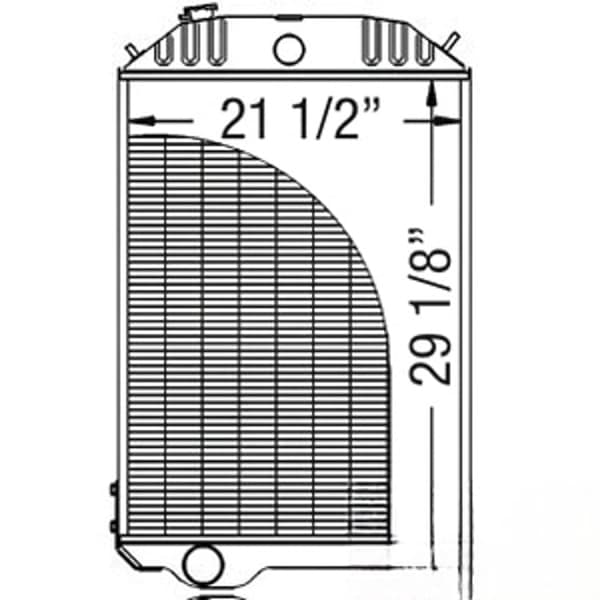
When searching for a John Deere 4440 radiator, you can use the OEM part number to ensure you're getting the correct part. A common OEM part number for the 4440 radiator is . If you're considering other tractor brands, be sure to check out our other guides such as Case IH Tractor Radiator Replacement: Models & Sizing and Ford Tractor Radiator: 2000, 3000, 4000 & 5000 Series.
Madison Tractor Company carries a wide variety of parts for your John Deere tractor, including coolant filters, gaskets, pistons, bearingsseals.
Maintaining Your 4440 Radiator for Longevity
Proper maintenance is crucial for extending the life of your John Deere 4440 radiator.
- Regular Cleaning Periodically clean the radiator fins with compressed air or a soft brush to remove debris.
- Coolant Flushes Flush the cooling system every two years or as recommended by your tractor's service manual.
- Use the Correct Coolant Use the coolant type specified for your John Deere 4440.
- Inspect Hoses and Clamps Regularly inspect the radiator hoses and clamps for cracks, leaks, or looseness. Replace them as needed.
- Check for Leaks Monitor the coolant level regularly and check for any signs of leaks.
Conclusion
Maintaining a healthy cooling system is essential for the longevity and performance of your John Deere 4440 tractor. By understanding the common radiator problems, diagnosing issues accurately performing proper maintenance, you can keep your 4440 running cool for years to come. Madison Tractor Company is your trusted partner for all your John Deere parts needs.
Shop John Deere 4440 Parts at Madison Tractor
At Madison Tractor Company, we understand the importance of keeping your equipment running smoothly. We offer a wide selection of John Deere parts, including radiators, water pumps, hoses more. Whether you need a complete radiator replacement or just a few maintenance parts, we have you covered. We also carry parts for other major brands like Case IH, Ford, New Holland, Massey Ferguson, Kubota, Allis Chalmers, Deutz, International Harvester, Oliver, White, Gleaner, Vermeer, Hesston, Mahindra Zetor. Shop our online catalog today or contact our knowledgeable parts experts for assistance in finding the right parts for your John Deere 4440 and other agricultural equipment. We stock a wide array of parts including hydraulic pumps, cylinders, clutch kits, PTO parts, fuel pumps, carburetorsinjectors.
🔍 Can't Find Your Part?
Use our AI-Powered Part Finder to search by your equipment's make, model, and what you need. It's the fastest way to find the exact part for your machine.
Try the Part Finder →Part of our comprehensive guide
Tractor Radiator Replacement Guide: All Major Brands & Models