








John Deere 2020 Radiator: Gas & Diesel Parts
Diagnose and repair cooling problems in your John Deere 2020 tractor. This guide covers radiator issues specific to gas and diesel models, along with replacement tips and maintenance advice to keep your tractor running cool. Find the right parts at Madison Tractor!
John Deere 2020 Radiator: Keeping Your Tractor Cool
The John Deere 2020 tractor, a versatile workhorse from the 1960s and early 70s, relies on a properly functioning cooling system to deliver reliable performance. Whether you have a gas or diesel model, a healthy radiator is crucial for preventing overheating and costly engine damage. This guide will walk you through common radiator problems, troubleshooting steps, replacement options, and maintenance tips specifically tailored for your John Deere 2020.
Recommended Parts for This Guide
6 parts we recommend — in stock, ships fast, one-click add to cart.
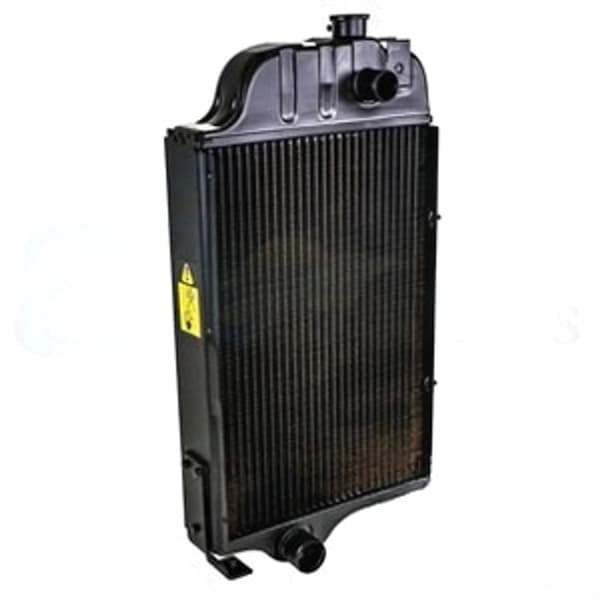
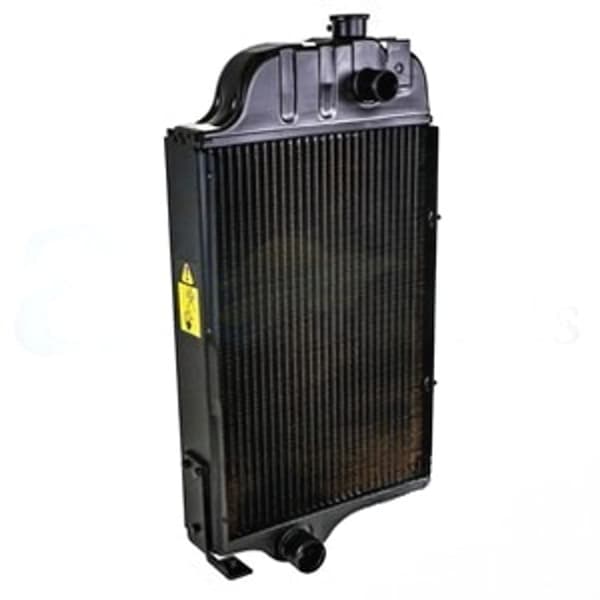
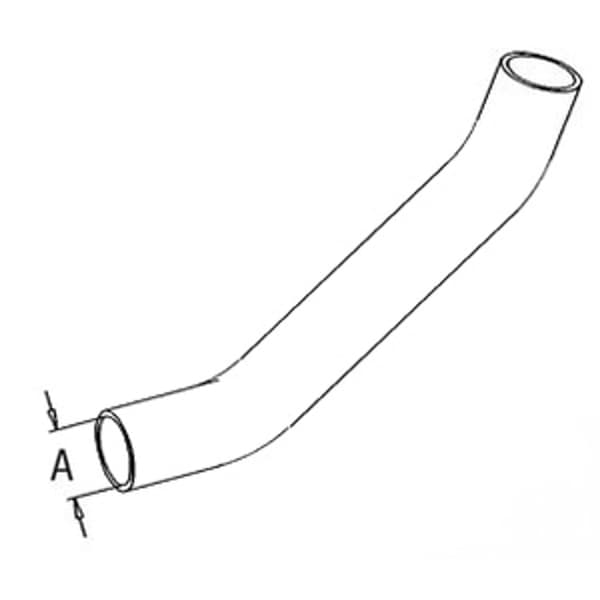
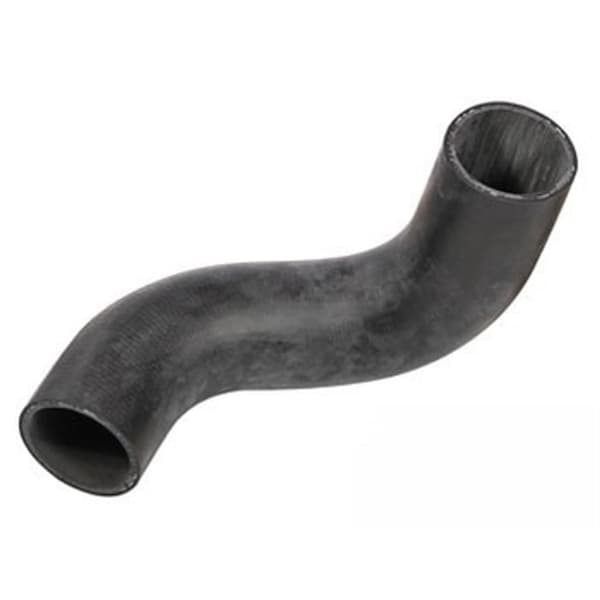
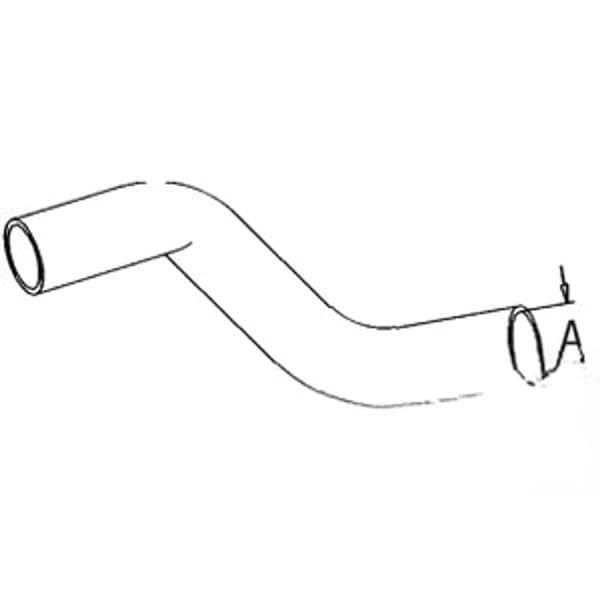
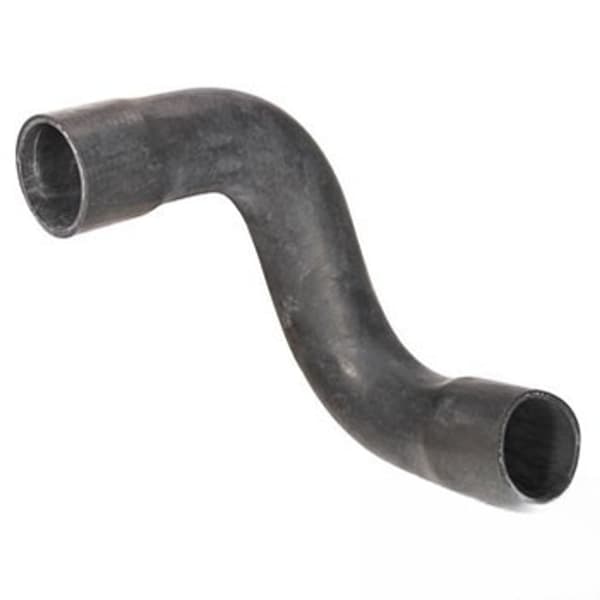
🔍 Looking for a specific part? Try our AI Part Finder — tell it your equipment and what you need, and it will find matching parts instantly.
Here at Madison Tractor Company, we understand the importance of keeping your equipment running smoothly. We carry a wide range of parts for John Deere tractors, including AL25255 Radiator, water pumps, hoses, and thermostats. We also carry parts for other major brands such as Case IH, Ford, New Holland, Massey Ferguson, Kubota, Allis Chalmers, Deutz, International Harvester, Oliver, White, Gleaner, Vermeer, Hesston, Mahindra, and Zetor.
Common Radiator Problems in the John Deere 2020
Several issues can affect your John Deere 2020 radiator, impacting its cooling efficiency. Recognizing these problems early can prevent further damage.
- Leaks: Radiator leaks are a common issue. Look for coolant puddles under the tractor or visible wet spots on the radiator core. Leaks can occur due to corrosion, damage from debris, or loose connections.
- Clogging: Over time, mineral deposits, rust, and debris can accumulate inside the radiator, restricting coolant flow. This is especially true if the cooling system hasn't been properly maintained.
- Damaged Fins: The radiator fins help dissipate heat. Bent or damaged fins reduce the radiator's surface area, hindering its ability to cool the engine.
- Faulty Pressure Cap: The radiator pressure cap maintains the correct pressure within the cooling system. A faulty cap can lead to coolant loss or overheating.
- Internal Corrosion: Even without visible leaks, internal corrosion can significantly reduce the radiator's efficiency. This is more common in older radiators.
Troubleshooting Your John Deere 2020 Radiator
Before replacing the radiator, perform some basic troubleshooting to pinpoint the problem. Remember to always allow the engine to cool completely before working on the cooling system.
- Visual Inspection: Carefully inspect the radiator for leaks, damaged fins, and debris. Check the hoses for cracks or deterioration.
- Check Coolant Level: Ensure the coolant level is within the recommended range. Low coolant can indicate a leak in the system. A 50/50 mix of antifreeze and distilled water is generally recommended, but always refer to your John Deere 2020 operator's manual for specific recommendations.
- Pressure Test: Use a radiator pressure tester to check for leaks in the system. Attach the tester to the radiator cap opening and pump pressure into the system. Monitor the gauge for pressure drops, indicating a leak.
- Thermostat Check: A malfunctioning thermostat can also cause overheating. Refer to the John Deere Tractor Water Pump guide for information on thermostat testing and replacement.
- Water Pump Check: The water pump circulates coolant through the system. A failing water pump can lead to overheating. Listen for unusual noises from the pump and check for coolant leaks around the pump shaft, which might indicate a need for a new water pump seal kit or water pump backplate gasket. We also carry John Deere tractor water pumps.
Replacing Your John Deere 2020 Radiator
If troubleshooting reveals a faulty radiator, replacement is often the best solution. Here's a general guide, but always consult your John Deere 2020 service manual for specific instructions.
Safety First: Always disconnect the battery's negative terminal before working on the electrical system. Allow the engine to cool completely to avoid burns from hot coolant.
- Drain the Coolant: Open the radiator drain valve (typically located at the bottom of the radiator) and allow the coolant to drain into a suitable container. Dispose of used coolant properly.
- Disconnect Hoses: Loosen the hose clamps and disconnect the upper radiator hoses and lower radiator hoses. Be prepared for some coolant spillage.
- Disconnect Transmission Cooler Lines (if equipped): Some John Deere 2020 models have transmission cooler lines connected to the radiator. Disconnect these lines carefully, plugging them to prevent fluid loss.
- Remove Radiator Mounting Bolts: Locate and remove the bolts that secure the radiator to the tractor's frame.
- Remove the Radiator: Carefully lift the radiator out of the tractor. It may be heavy, so get help if needed.
- Install the New Radiator: Position the new radiator in the tractor's frame and secure it with the mounting bolts.
- Reconnect Hoses and Cooler Lines: Reconnect the upper radiator hoses and lower radiator hoses, tightening the hose clamps securely. If equipped, reconnect the transmission cooler lines.
- Refill with Coolant: Refill the cooling system with the correct coolant mixture. Bleed any air from the system by opening the bleed valve (if equipped) or by running the engine with the radiator cap off until the coolant level stabilizes.
- Check for Leaks: Start the engine and check for leaks around the hoses, connections, and radiator core.
Important Note: Radiator specifications can vary slightly depending on whether your John Deere 2020 is a gas or diesel model. When ordering a replacement, provide your tractor's serial number to ensure you receive the correct part. We offer AL25255 Radiator and AR65715 Radiator for both gas and diesel models.
Maintaining Your John Deere 2020 Radiator
Regular maintenance can extend the life of your radiator and prevent cooling system problems.
- Flush the Cooling System: Regularly flush the cooling system to remove deposits and maintain optimal coolant flow. The interval depends on your operating conditions but typically every 2 years or 2000 hours.
- Inspect Hoses and Clamps: Regularly inspect hoses for cracks, leaks, and deterioration. Replace damaged hoses and tighten loose clamps.
- Clean Radiator Fins: Use a soft brush or compressed air to clean debris from the radiator fins. Be careful not to damage the fins.
- Check the Radiator Cap: Test the radiator cap's pressure rating periodically. Replace the cap if it's not holding pressure.
- Use the Correct Coolant: Always use the coolant type recommended in your John Deere 2020 operator's manual. Mixing different types of coolant can lead to corrosion and other problems.
- Consider a Coolant Filter: Installing a coolant filter can help remove contaminants from the cooling system and extend the life of the radiator and water pump.
Gas vs. Diesel Radiator Considerations
While the fundamental principles of radiator maintenance and replacement apply to both gas and diesel John Deere 2020 tractors, there are subtle differences to keep in mind:
- Heat Output: Diesel engines generally produce more heat than gasoline engines. This means the radiator on a diesel 2020 may have a slightly larger capacity or a more efficient design. Be sure to order a replacement radiator specifically designed for your engine type.
- Fuel System: While not directly related to the radiator, the fuel system impacts engine temperature. Issues with the fuel pump or injectors (diesel) or carburetor (gas) can cause the engine to run hotter than normal, stressing the cooling system.
Don't forget, maintaining the proper function of other related systems is important, too. Check your alternator and starter to avoid unnecessary strain on the engine.
Related Cooling System Parts
Remember to check other cooling system components when addressing radiator issues:
- Water Pump: As noted, a faulty water pump will prevent proper coolant circulation.
- Thermostat: A stuck thermostat will cause overheating or prevent the engine from reaching operating temperature.
- Radiator Hoses: Old Radiator Hoses can crack and leak, leading to coolant loss and overheating.
- Fan Belt: A loose or worn fan belt will reduce the fan's ability to draw air through the radiator. Be sure to check the condition and tension of the fan belt.
Shop John Deere 2020 Radiator Parts at Madison Tractor Company
At Madison Tractor Company, we're committed to providing high-quality parts and expert advice to keep your John Deere 2020 tractor running at its best. Browse our extensive selection of AL25255 Radiators and AR65715 Radiators, radiator hoses, radiator caps, and other cooling system components like water pump seal kits and gaskets. Our knowledgeable staff is ready to assist you in finding the right parts for your specific model. Don't let overheating sideline your tractor – shop with confidence at Madison Tractor today!
🔍 Can't Find Your Part?
Use our AI-Powered Part Finder to search by your equipment's make, model, and what you need. It's the fastest way to find the exact part for your machine.
Try the Part Finder →Part of our comprehensive guide
Tractor Radiator Replacement Guide: All Major Brands & Models