








Oliver Tractor Radiator: 77, 88, 770 & 1800 Series
Keep your Oliver tractor running cool. This guide covers common radiator issues and solutions for Oliver 77, 88, 770, and 1800 series tractors. Find the perfect radiator replacement at Madison Tractor Co.
An overheating tractor can quickly bring your fieldwork to a halt. Maintaining a healthy cooling system is vital, especially for older tractors like the Oliver 77, 88, 770, and 1800 series, which are known for their reliability but also prone to radiator issues after years of service. This guide will help you diagnose potential problems and find the right oliver tractor radiator for your machine.
Recommended Parts for This Guide
8 parts we recommend — in stock, ships fast, one-click add to cart.
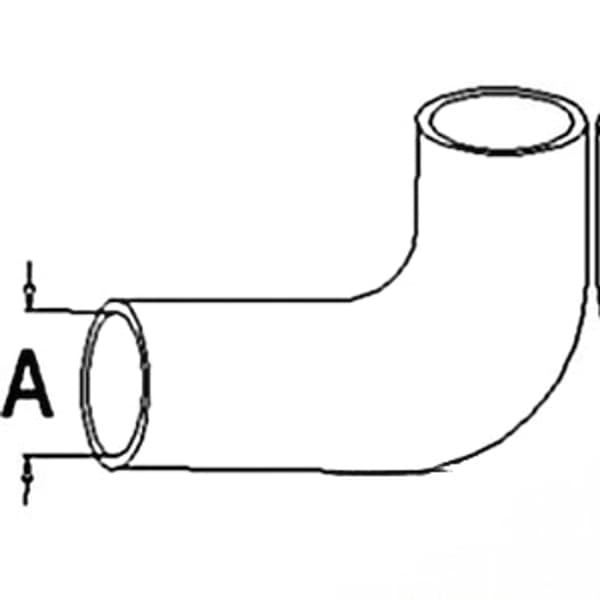
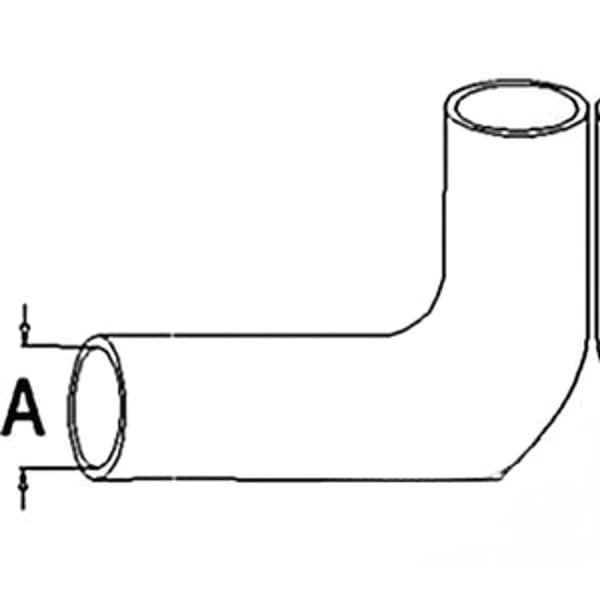
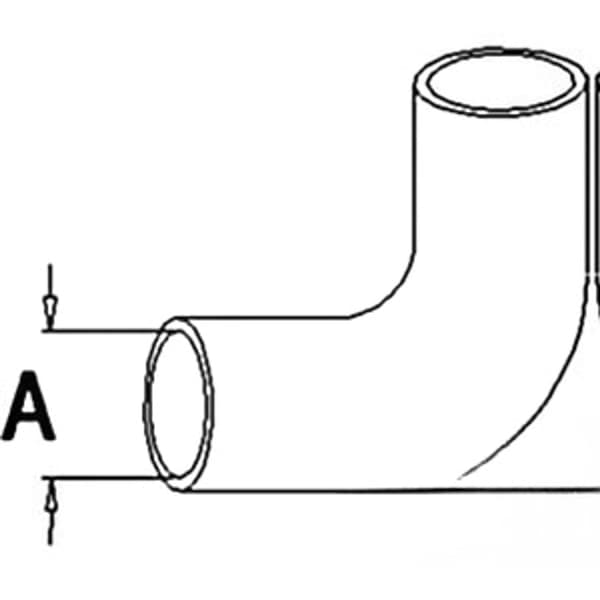
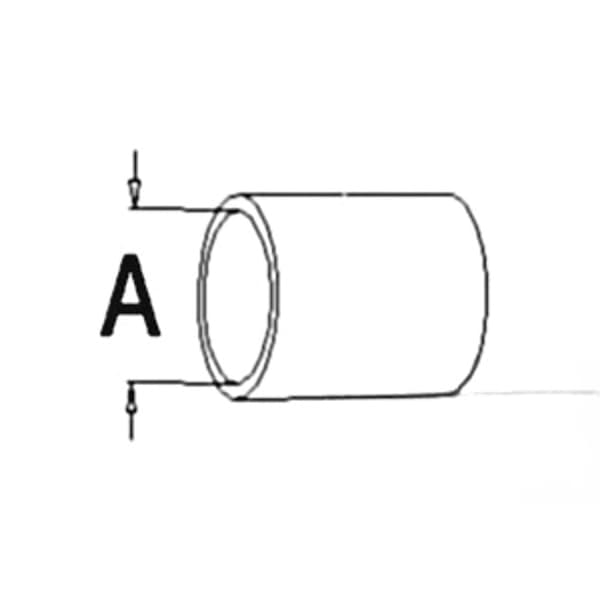
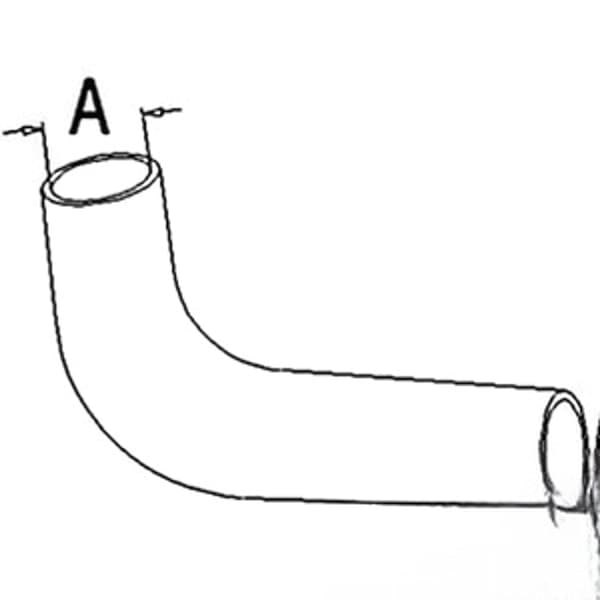
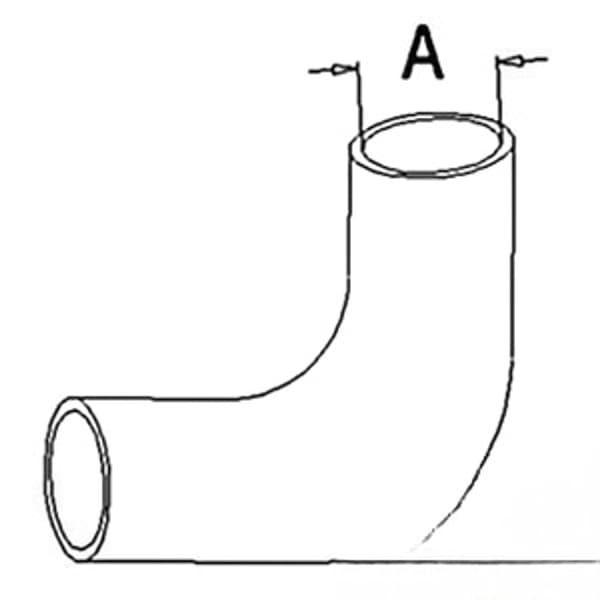
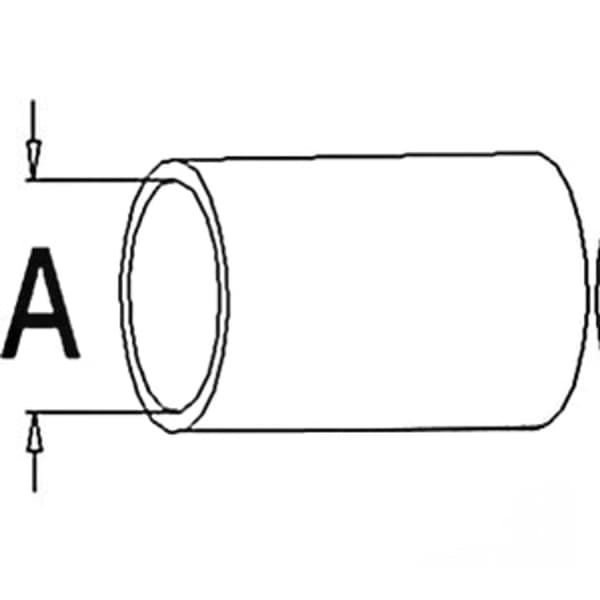
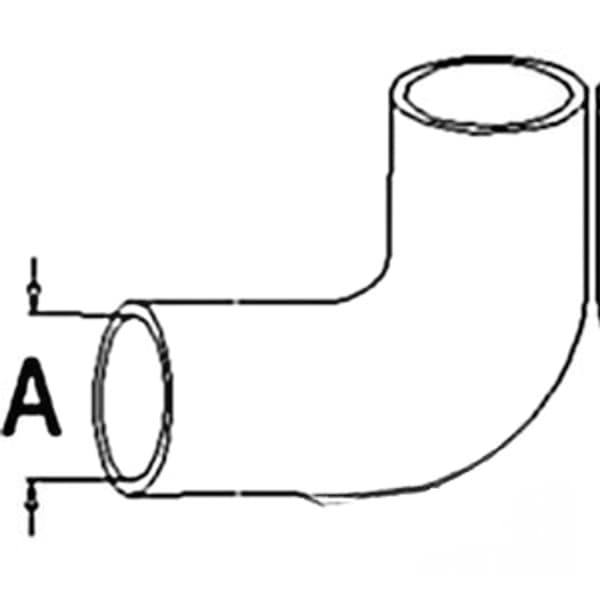
🔍 Looking for a specific part? Try our AI Part Finder — tell it your equipment and what you need, and it will find matching parts instantly.
Introduction to Oliver Tractor Cooling Systems
Oliver tractors, a brand now part of AGCO, built a reputation for robust engineering and performance. However, the cooling systems on these machines, while durable, can suffer from corrosion, leaks, and blockages over time. This is especially true for models like the Oliver 77, 88, 770, and 1800, which are frequently still in use on farms today. A properly functioning radiator is essential to prevent overheating and potential engine damage.
Common Oliver Tractor Radiator Problems
Several factors can contribute to radiator problems in your Oliver tractor:
- Corrosion: Over time, the coolant can become acidic and corrode the radiator core and tanks. This is especially prevalent if regular coolant changes are neglected.
- Leaks: Radiators can develop leaks at the seams, around the core, or at the hose connections. Look for signs of coolant loss or wet spots around the radiator.
- Blockages: Debris, scale, and rust can accumulate inside the radiator, restricting coolant flow. This reduces the radiator's ability to dissipate heat.
- Damaged Fins: Bent or damaged fins on the radiator core reduce its surface area and cooling efficiency.
- Water Pump Failure: A failing water pump cannot circulate coolant effectively, leading to overheating. A related article can give you more information on Ford Tractor Water Pump Replacement as an example of diagnosing water pump issues.
These problems are similar across various tractor brands. For example, see our guide on John Deere Tractor Radiators for examples of radiator failure in John Deere models.
Diagnosing Radiator Issues
Before replacing your oliver tractor radiator, it's essential to properly diagnose the problem. Here's a step-by-step approach:
- Check Coolant Level: Make sure the coolant level in the radiator is adequate. If it's consistently low, look for leaks.
- Inspect for Leaks: Carefully examine the radiator, hoses, and connections for any signs of coolant leaks. Pay close attention to the seams of the radiator core and the hose clamps.
- Check for Blockages: Feel the radiator core while the engine is running. If some areas are significantly cooler than others, it indicates a blockage. You can also use a radiator pressure tester to check for leaks and blockages.
- Inspect Radiator Fins: Check the fins for damage or debris. Use a fin comb to straighten bent fins and remove any obstructions.
- Test Thermostat: A faulty thermostat can prevent coolant from circulating properly. Remove the thermostat and test it in a pot of hot water. It should open at the specified temperature.
- Check Water Pump: As mentioned before, a failing water pump is often the culprit.
Oliver Tractor Radiator Models: 77, 88, 770 & 1800 Series
Here's a breakdown of specific radiator information for the Oliver models mentioned:
Oliver 77 Radiator
The Oliver 77, produced from the late 1940s to the 1950s, uses a radiator with a specific core size and inlet/outlet configuration. While original Oliver parts are hard to come by, aftermarket options are available. Check the mounting points and hose connections to ensure a proper fit. Radiator caps are often a common source of issues, so ensure that is sealed well. Consider replacing it when replacing the oliver tractor radiator.
Oliver 88 Radiator
The Oliver 88, a slightly larger tractor than the 77, also requires a specific radiator. Like the 77, aftermarket radiators are readily available. When selecting a radiator, pay close attention to the core size and the location of the inlet and outlet connections. The radiator for the 88 typically has higher cooling capacity than the 77 due to the larger engine.
Oliver 770 Radiator
The Oliver 770, an updated version of the 77, may use a slightly different radiator design. Verify the OEM part number or dimensions before ordering a replacement. Some early 770 models might share the same radiator as the late-model 77s, but it's always best to confirm. Consider the radiator cap as well when replacing the oliver tractor radiator.
Oliver 1800 Radiator
The Oliver 1800, a larger row-crop tractor, uses a significantly larger radiator than the 77, 88, or 770. These tractors often worked hard, putting extra strain on the cooling system. When replacing the 1800 radiator, consider upgrading to a heavy-duty option for increased cooling capacity, especially if you frequently use the tractor for demanding tasks. The OEM part number for the Oliver 1800 radiator is essential for proper cross-referencing. Related to cooling, check out our article on John Deere Tractor Water Pumps to get a better understanding on how the water pump relates to the radiator.
Radiator Replacement Steps (General Guide)
Safety First: Always allow the engine to cool completely before working on the cooling system. Hot coolant can cause severe burns.
- Drain the Coolant: Open the drain valve at the bottom of the radiator and allow all the coolant to drain into a container. Dispose of the old coolant properly.
- Disconnect Hoses: Loosen the hose clamps and carefully disconnect the radiator hoses from the radiator.
- Remove Mounting Bolts: Remove the bolts that secure the radiator to the tractor frame.
- Remove the Radiator: Carefully lift the radiator out of the tractor.
- Install the New Radiator: Position the new radiator in place and secure it with the mounting bolts.
- Connect Hoses: Connect the radiator hoses and tighten the hose clamps securely.
- Fill with Coolant: Fill the radiator with the correct type and amount of coolant, according to your tractor's manual.
- Bleed the System: Start the engine and allow it to run for a few minutes to circulate the coolant and bleed any air from the system. Check the coolant level and add more as needed.
Torque Specifications: Always refer to your tractor's service manual for the correct torque specifications for the radiator mounting bolts and hose clamps.
Coolant Type: Use the coolant type specified in your tractor's manual. Mixing different types of coolant can cause corrosion and damage to the cooling system. Madison Tractor carries a full line of filters, fluids, and other tractor maintenance supplies.
Tips for Radiator Maintenance
- Regular Coolant Flushes: Flush the cooling system every two years or as recommended in your tractor's manual.
- Use the Right Coolant: Use the correct type of coolant for your tractor.
- Check Coolant Level Regularly: Check the coolant level regularly and add coolant as needed.
- Inspect Hoses and Clamps: Inspect the hoses and clamps for cracks, leaks, or damage. Replace them as needed.
- Clean Radiator Fins: Clean the radiator fins regularly to remove debris and ensure proper airflow.
Finding the Right Oliver Tractor Radiator Parts
Madison Tractor Company understands the importance of finding the correct parts for your specific Oliver tractor model. We carry a wide selection of parts for various tractor brands, including John Deere, Case IH, Ford, New Holland, Massey Ferguson, Kubota, Allis Chalmers, Deutz, International Harvester, Oliver, White, Gleaner, Vermeer, Hesston, Mahindra, and Zetor.
Besides radiators, we also stock a variety of other parts you may need, such as water pumps, starters, alternators, hydraulic pumps, cylinders, clutch kits, PTO parts, fuel pumps, carburetors, injectors, filters, gaskets, pistons, bearings, seals, belts, chains, concaves, and sickle sections.
Keep Your Oliver Running Cool with Madison Tractor
Maintaining a healthy cooling system is crucial for the longevity and performance of your Oliver tractor. By understanding the common radiator problems and following the diagnostic and replacement steps outlined in this guide, you can keep your machine running cool and efficiently. Remember to always prioritize safety and consult your tractor's service manual for specific instructions and torque specifications.
Madison Tractor Company is your trusted source for oliver tractor radiator replacements and all your other tractor parts needs. Browse our extensive online catalog or contact our knowledgeable staff for assistance in finding the right parts for your Oliver 77, 88, 770, 1800, or other tractor models. Shop with confidence knowing you're getting quality parts at competitive prices.
Shop Oliver Tractor Parts at Madison Tractor Today!
🔍 Can't Find Your Part?
Use our AI-Powered Part Finder to search by your equipment's make, model, and what you need. It's the fastest way to find the exact part for your machine.
Try the Part Finder →Part of our comprehensive guide
Tractor Radiator Replacement Guide: All Major Brands & Models