








Ford Tractor Thermostat: 2N, 8N, 9N & NAA Specs
Maintain optimal engine temperature in your Ford N-Series tractor (2N, 8N, 9N, NAA) with our comprehensive guide to thermostats. Find specifications, replacement tips, and troubleshooting advice to keep your classic tractor running smoothly.
Introduction to Ford Tractor Thermostats: N-Series (2N, 8N, 9N, NAA)
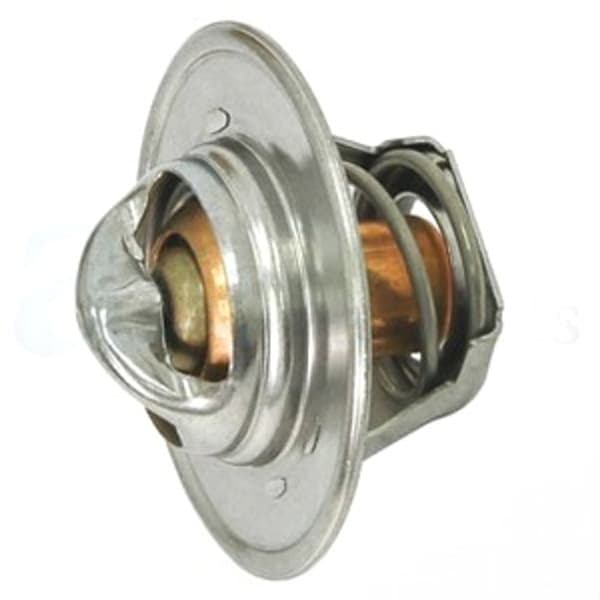
The thermostat in your Ford N-Series tractor (models 2N, 8N, 9N NAA) is a crucial component of the cooling system. It regulates the flow of coolant through the engine, maintaining the optimal operating temperature. A properly functioning thermostat ensures efficient combustion, reduces engine wear prevents overheating. If your Ford tractor is running too hot or taking a long time to warm up, the thermostat is a prime suspect. At Madison Tractor Company, we understand the importance of keeping your classic Ford tractor running reliably. We stock a wide range of parts for Ford tractors, including thermostats, radiators, water pumps other cooling system components.
Recommended Parts for This Guide
10 parts we recommend — in stock, ships fast, one-click add to cart.
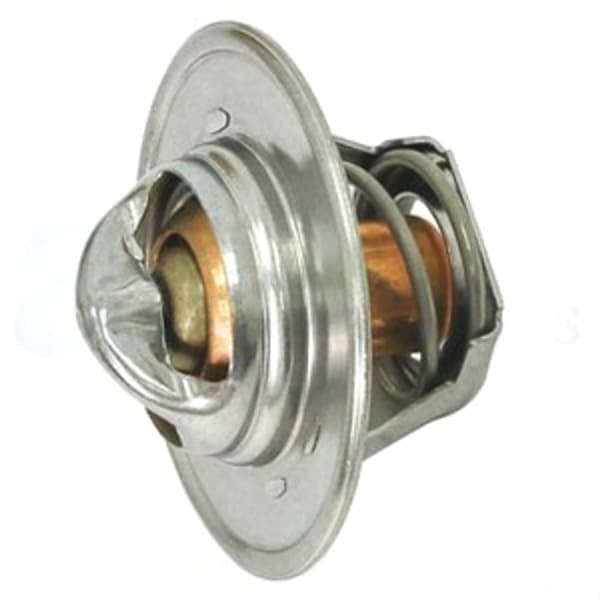
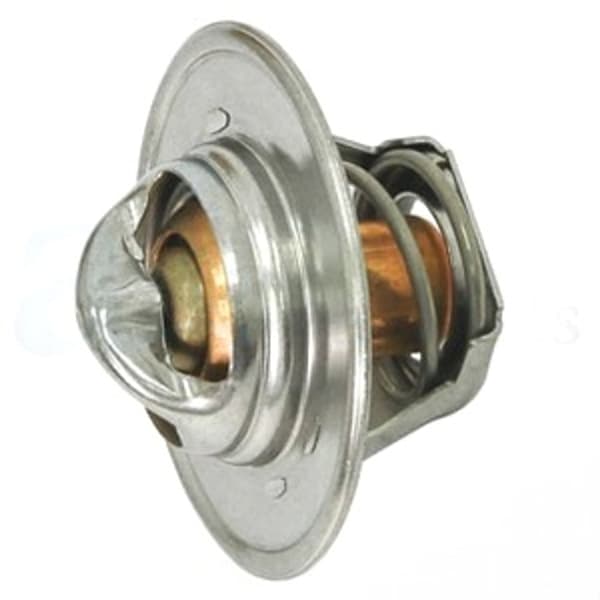
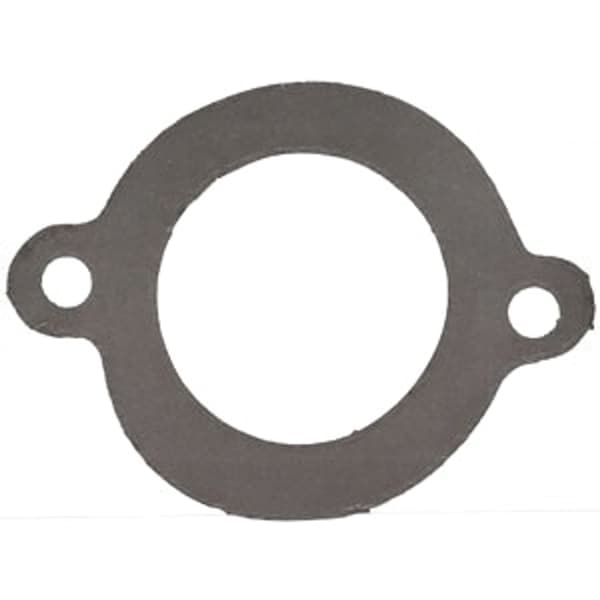
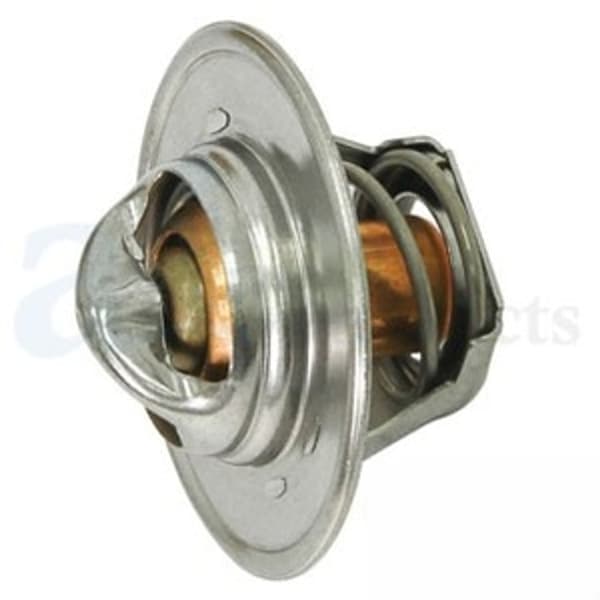
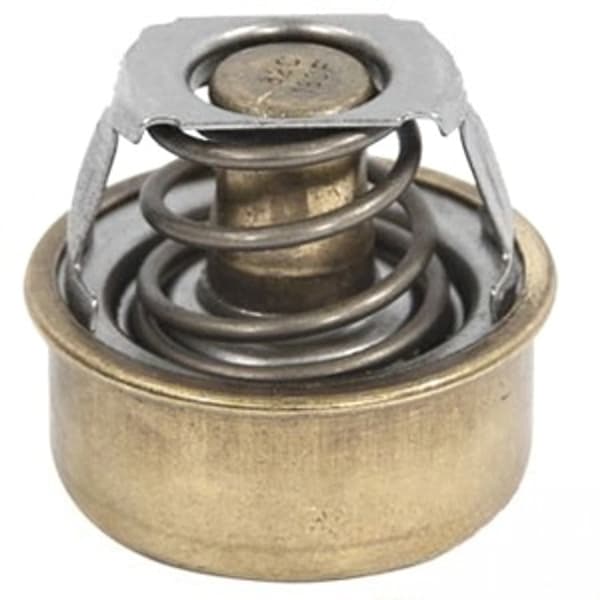
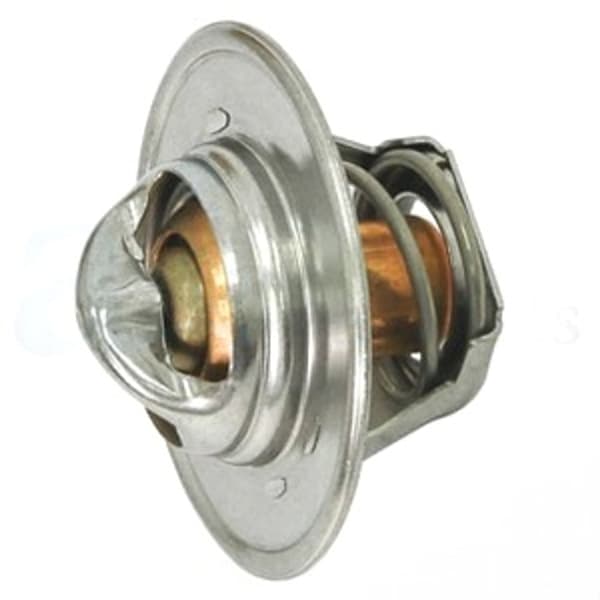

🔍 Looking for a specific part? Try our AI Part Finder — tell it your equipment and what you need, and it will find matching parts instantly.
Understanding Thermostat Function and Location
The thermostat is a temperature-sensitive valve located within the engine's cooling system, typically near the water pump or at the outlet of the cylinder head. Its primary function is to restrict coolant flow to the radiator until the engine reaches its optimal operating temperature (typically around 160-180°F for these Ford tractors). When the engine is cold, the thermostat remains closed, allowing the coolant to circulate only within the engine block. This facilitates faster warm-up and reduces wear. As the engine heats up, the thermostat gradually opens, allowing coolant to flow to the radiator for cooling. This maintains a consistent engine temperature.
Ford N-Series Thermostat Specifications
The Ford 2N, 8N, 9N NAA tractors typically used a thermostat with the following specifications
- Opening Temperature 160°F (71°C)
- Diameter Approximately 2 inches
- Type Wax pellet thermostat
OEM Part Numbers While original part numbers have been superseded, common replacement part numbers for a Ford N-Series tractor thermostat include D8NN8575CA, B2NN8575A, EAF8575B, D3JL8575A, K917962, and 3042303R92. You can find these and other compatible thermostats for your Ford tractor at Madison Tractor Company.
Troubleshooting Thermostat Problems
Here are some common symptoms of a faulty thermostat
- Overheating If the thermostat is stuck closed, coolant cannot flow to the radiator, causing the engine to overheat.
- Running Cold If the thermostat is stuck open, coolant constantly flows to the radiator, preventing the engine from reaching its optimal operating temperature. This can lead to reduced fuel efficiency and increased engine wear.
- Fluctuating Temperature Erratic temperature gauge readings can indicate a thermostat that is sticking or not opening properly.
- Slow Warm-Up If the engine takes an unusually long time to warm up, the thermostat might be stuck open.
Testing a Thermostat
- Remove the thermostat from the tractor.
- Place the thermostat in a pot of water on a stovetop.
- Use a thermometer to monitor the water temperature.
- As the water heats up, observe the thermostat. It should begin to open around 160°F (71°C).
- If the thermostat does not open at the specified temperature, or if it remains open when cold, it needs to be replaced.
Replacing the Thermostat in Your Ford N-Series Tractor
Safety First Always allow the engine to cool completely before working on the cooling system. Drain the coolant before removing the thermostat housing. Wear safety glasses and gloves to protect yourself from hot coolant and sharp edges.
Tools Needed
- Wrench set
- Screwdriver
- Drain pan
- New thermostat
- New thermostat gasket or sealant
- Coolant
Step-by-Step Instructions
- Drain the Coolant Locate the drain plug on the radiator and/or engine block. Place a drain pan underneath and carefully remove the plug to drain the coolant. Dispose of used coolant properly.
- Locate the Thermostat Housing The thermostat housing is typically located where the upper radiator hose connects to the engine, often on the cylinder head.
- Remove the Thermostat Housing Use a wrench to loosen and remove the bolts or nuts securing the thermostat housing. Carefully remove the housing.
- Remove the Old Thermostat Remove the old thermostat and discard the old gasket or sealant.
- Install the New Thermostat Install the new thermostat with the spring facing down, towards the engine. Use a new gasket or sealant to ensure a tight seal.
- Reinstall the Thermostat Housing Reinstall the thermostat housing and tighten the bolts or nuts to the manufacturer's specified torque. (Consult your tractor's service manual for specific torque values. A general torque range for these bolts is often 15-20 ft-lbs).
- Refill the Coolant Refill the cooling system with the correct type and amount of coolant (typically a 50/50 mix of antifreeze and distilled water). Check your owner's manual for the specific coolant capacity.
- Bleed the Cooling System Start the engine and let it run for a few minutes. Check for leaks and add coolant as needed. Some N-series tractors have a bleeder valve on the thermostat housing or radiator to help remove air pockets.
Coolant Recommendations for Ford N-Series Tractors
For Ford 2N, 8N, 9N NAA tractors, a traditional green ethylene glycol-based coolant is typically recommended. Always mix the coolant with distilled water in a 50/50 ratio to provide adequate freeze protection and prevent corrosion. Inspect your water pump while performing cooling system work. We carry John Deere, Case IH, Ford, New Holland, Massey Ferguson, Kubota, Allis Chalmers, Deutz, International Harvester, Oliver, White, Gleaner, Vermeer, Hesston, Mahindra Zetor tractor parts.
Regular Cooling System Maintenance
Preventative maintenance is key to keeping your Ford N-Series tractor running smoothly. Regularly inspect the cooling system for leaks, check the coolant level flush the cooling system every two years or as recommended in your tractor's service manual. Replace hoses and belts as needed to prevent breakdowns. Keeping your radiator clean is crucial, especially when working in fields. Regularly check your tractor’s fuel pump and consider replacing filters for peak performance. Madison Tractor also carries clutch kits, PTO parts, gaskets for your tractor.
Conclusion
Replacing the thermostat on your Ford N-Series tractor is a relatively straightforward task that can significantly improve its performance and longevity. By following these guidelines and performing regular maintenance, you can keep your classic Ford tractor running reliably for years to come. Remember to always prioritize safety and consult your tractor's service manual for specific instructions and torque specifications.
Shop Ford Tractor Parts at Madison Tractor Company
At Madison Tractor Company, we're committed to providing high-quality parts and expert advice to help you keep your agricultural and outdoor power equipment running smoothly. Browse our extensive selection of Ford tractor parts, including thermostats, radiators, water pumps, hoses, belts more. We carry a wide variety of parts for all major brands, including John Deere, Case IH, New Holland, Massey Ferguson Kubota. Shop with confidence knowing you're getting the right parts at competitive prices from a trusted supplier. Contact our knowledgeable team today for assistance with parts lookup and technical support. We stock a comprehensive range including, but not limited to, starters, alternators, hydraulic pumpshydraulic cylinders to keep your tractor working hard.
🔍 Can't Find Your Part?
Use our AI-Powered Part Finder to search by your equipment's make, model, and what you need. It's the fastest way to find the exact part for your machine.
Try the Part Finder →Part of our comprehensive guide
Tractor Radiator Replacement Guide: All Major Brands & Models