








Ford 3000 Tractor Radiator: Dimensions & Part Numbers
Everything you need to know about the Ford 3000 radiator. Find dimensions, OEM part numbers, identify common cooling issues, and learn how to keep your Ford 3000 tractor running smoothly. Madison Tractor is your source for Ford tractor parts!
The Ford 3000 tractor is a workhorse, known for its reliability and versatility. However, like any machine, it requires proper maintenance, and a functioning cooling system is crucial for longevity. A key component of this system is the radiator. This guide will provide you with essential information about the Ford 3000 radiator, including dimensions, part numbers, common problems, and helpful tips for keeping it in top condition. At Madison Tractor, we understand the importance of reliable parts for your equipment, and we're here to help you find everything you need.
Recommended Parts for This Guide
5 parts we recommend — in stock, ships fast, one-click add to cart.
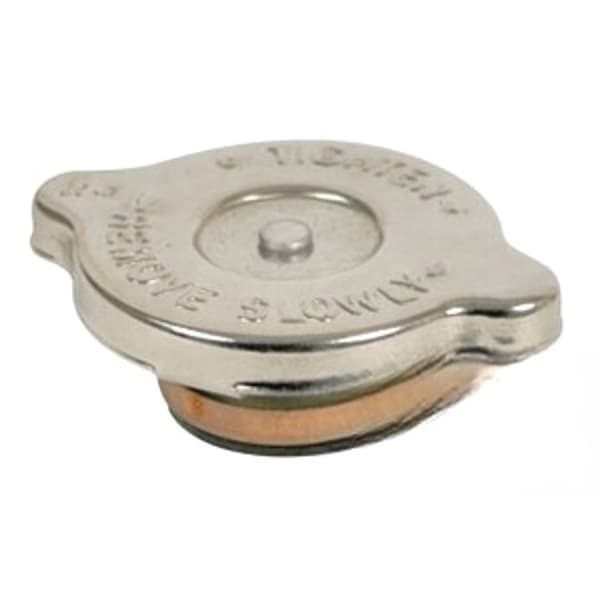
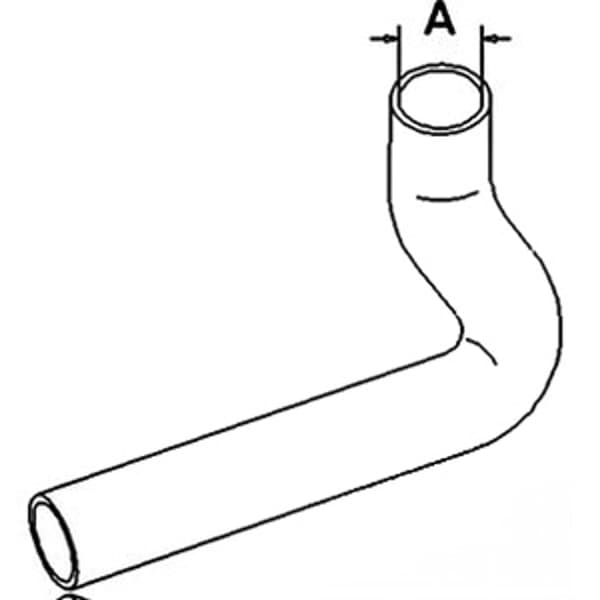
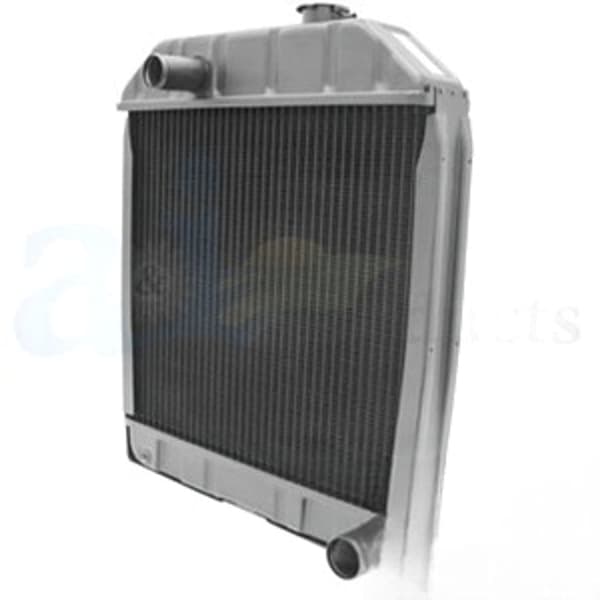
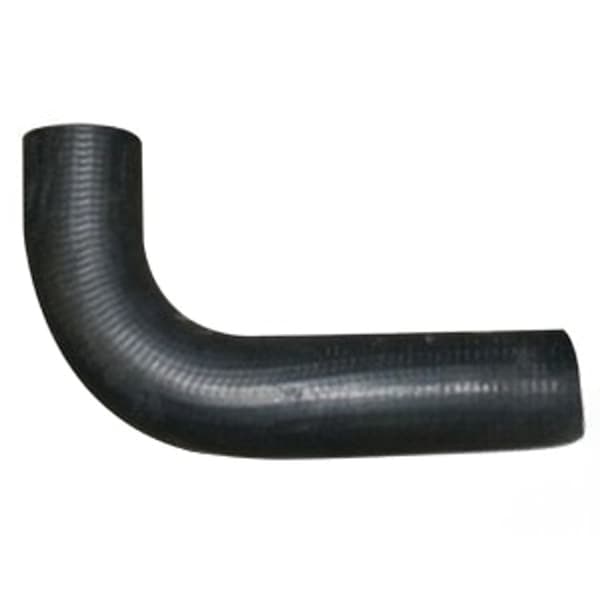
🔍 Looking for a specific part? Try our AI Part Finder — tell it your equipment and what you need, and it will find matching parts instantly.
Introduction to the Ford 3000 Radiator
The radiator's primary function is to dissipate heat from the engine coolant, preventing overheating. The Ford 3000, produced from 1965 to 1975, utilizes a radiator specifically designed for its engine. Over time, radiators can become clogged, corroded, or damaged, leading to reduced cooling efficiency. Recognizing the signs of a failing radiator is crucial for preventing costly engine damage.
Ford 3000 Radiator Dimensions & Specifications
While exact dimensions can vary slightly depending on the specific aftermarket manufacturer, here are some general guidelines for Ford 3000 radiator dimensions. *Always verify dimensions with your specific application before purchasing a replacement.*
- Core Height: Approximately 17-20 inches
- Core Width: Approximately 16-19 inches
- Overall Height: Approximately 21-24 inches (including tanks)
- Overall Width: Approximately 20-23 inches (including mounting brackets)
- Thickness: Approximately 2-3 inches
- Inlet Diameter: Typically 1.5 inches
- Outlet Diameter: Typically 1.75 inches
Important Considerations: Radiator dimensions can be affected by the specific configuration of your tractor, such as whether it has a gas or diesel engine, and whether it is a row crop or utility model. The number of rows in the radiator core (e.g., 2-row, 3-row) also affects dimensions and cooling capacity. Always double-check the dimensions of your existing radiator before ordering a replacement to ensure a proper fit.
Ford 3000 Radiator OEM Part Numbers & Cross-References
Identifying the correct part number is essential for ordering the right radiator for your Ford 3000. Here are some common OEM part numbers and potential cross-references:
- OEM Part Number: C7NN8005N - Radiator
- Cross-Reference Numbers: This part often cross-references to aftermarket brands like Modine, US Radiator, and others. Check with your parts supplier for specific cross-reference information.
Note: Part numbers can change over time due to updates or supersessions. Always verify the part number with your tractor's serial number to ensure compatibility. Madison Tractor's parts experts are available to help you confirm the correct part for your specific Ford 3000 tractor. We carry radiators for various tractor brands including John Deere, Case IH, Ford, New Holland, Massey Ferguson, and Kubota.
Common Ford 3000 Radiator Problems
Several issues can affect the performance of your Ford 3000 radiator. Recognizing these problems early can prevent more serious engine damage.
- Leaks: Leaks can occur due to corrosion, damage from debris, or wear and tear on radiator hoses and connections. Look for coolant puddles under the tractor or signs of coolant spraying near the radiator.
- Clogging: Debris, rust, and mineral deposits can accumulate inside the radiator, restricting coolant flow and reducing cooling efficiency.
- Corrosion: Over time, the radiator's metal components can corrode, weakening the structure and leading to leaks.
- Damaged Fins: The radiator fins are responsible for dissipating heat. Bent or damaged fins reduce the radiator's surface area, diminishing its cooling capacity.
- Water Pump Failure: A failing water pump will not circulate coolant properly, leading to overheating, even with a good radiator. Inspect your water pump regularly.
Troubleshooting & Diagnosis
If you suspect a problem with your Ford 3000 radiator, here are some troubleshooting steps:
- Check Coolant Level: Ensure the coolant level is within the recommended range. Low coolant can indicate a leak.
- Inspect for Leaks: Carefully examine the radiator, hoses, and connections for signs of leaks.
- Check for Clogging: Look for debris or buildup on the radiator fins. You can also try flushing the radiator to remove internal deposits.
- Monitor Engine Temperature: Keep an eye on the temperature gauge. Overheating is a clear sign of a cooling system problem.
- Pressure Test: A pressure test can help identify leaks that are not readily visible. A specialized pressure testing kit is required.
Maintenance Tips for Optimal Cooling
Proper maintenance can extend the life of your Ford 3000 radiator and prevent costly repairs.
- Regularly Check Coolant Level: Maintain the correct coolant level to ensure proper cooling. Use a 50/50 mix of coolant and distilled water for optimal performance and freeze protection.
- Flush the Cooling System: Flush the cooling system every 2 years or 2000 hours of operation to remove debris and deposits.
- Inspect Radiator Hoses and Connections: Check hoses for cracks, leaks, or swelling. Replace worn or damaged hoses promptly.
- Clean Radiator Fins: Remove debris from the radiator fins using a soft brush or compressed air. Avoid using high-pressure washers, as they can damage the fins.
- Use the Correct Coolant: Use a coolant that is compatible with your Ford 3000's engine. Using the wrong coolant can lead to corrosion and other problems.
- Check the Radiator Cap: A faulty radiator cap can prevent the cooling system from pressurizing properly, leading to overheating. Inspect the cap for damage and replace it if necessary.
Ford 3000 Radiator Replacement
If your Ford 3000 radiator is beyond repair, replacement is necessary. Here's a general overview of the replacement process:
- Drain the Coolant: Allow the engine to cool completely. Open the radiator drain cock (typically located at the bottom of the radiator) and drain the coolant into a container. Dispose of the coolant properly.
- Disconnect Hoses: Disconnect the upper and lower radiator hoses from the radiator.
- Remove Mounting Bolts: Remove the bolts or fasteners that secure the radiator to the tractor's frame.
- Remove the Old Radiator: Carefully lift the old radiator out of the tractor.
- Install the New Radiator: Position the new radiator in place and secure it with the mounting bolts.
- Connect Hoses: Connect the upper and lower radiator hoses to the new radiator. Ensure the clamps are tightened securely.
- Refill the Cooling System: Refill the cooling system with a 50/50 mix of coolant and distilled water.
- Bleed the Cooling System: Bleed any air from the cooling system by opening the bleeder valve (if equipped) or running the engine with the radiator cap off until the air is purged.
- Check for Leaks: Start the engine and check for leaks around the radiator, hoses, and connections.
Safety Warning: Always allow the engine to cool completely before working on the cooling system. Coolant can be extremely hot and can cause severe burns.
Related Cooling System Parts
When replacing your Ford 3000 radiator, it's a good idea to inspect other cooling system components as well. This can help prevent future problems and ensure optimal cooling performance. Consider replacing the following parts:
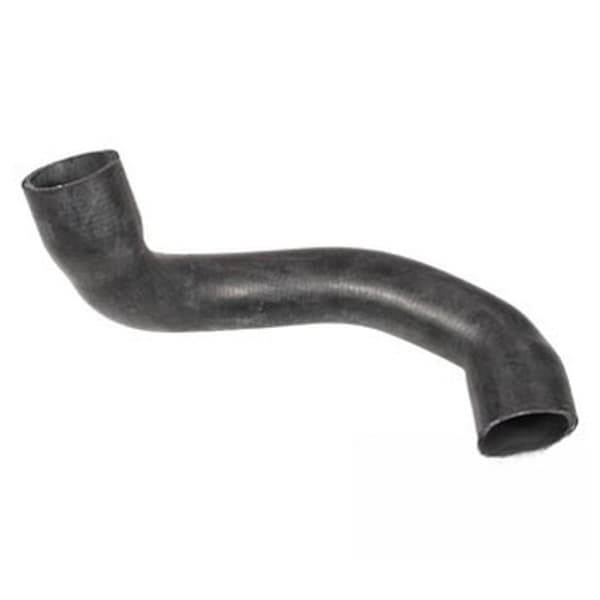
- Radiator Hoses: Replace worn or cracked upper and lower hoses to prevent leaks.
- Water Pump: A failing water pump can cause overheating. Replacing the water pump at the same time as the radiator can save you time and labor in the long run.
- Thermostat: A faulty thermostat can restrict coolant flow.
- Radiator Cap: A worn or damaged radiator cap can prevent the cooling system from pressurizing properly.
We carry a wide range of parts for your Ford 3000, including radiators, water pumps, thermostats, and hoses. We also carry parts for other major brands like John Deere tractor radiators and Case IH tractor radiators, as well as parts for Massey Ferguson, Kubota, Allis Chalmers, Deutz, International Harvester, Oliver, White, Gleaner, Vermeer, Hesston, Mahindra, and Zetor. Beyond cooling systems, Madison Tractor offers a full range of tractor parts, including starters, alternators, hydraulic pumps, cylinders, clutch kits, PTO parts, fuel pumps, carburetors, injectors, filters, gaskets, pistons, bearings, seals, belts, chains, concaves, and sickle sections.
Conclusion
Maintaining a healthy cooling system is essential for the longevity and performance of your Ford 3000 tractor. By understanding the radiator's function, recognizing common problems, and performing regular maintenance, you can keep your tractor running cool for years to come. Remember to use the correct radiator for your model and seek professional help when needed. Consult the other articles in our Tractor Radiator & Cooling System Parts guide to learn more about maintaining your tractor's cooling system.
Ready to find the right radiator for your Ford 3000? Browse our selection of Ford tractor parts today!
At Madison Tractor Company, we're committed to providing you with high-quality parts and exceptional customer service. Shop our wide selection of Ford tractor parts and keep your equipment running smoothly.
🔍 Can't Find Your Part?
Use our AI-Powered Part Finder to search by your equipment's make, model, and what you need. It's the fastest way to find the exact part for your machine.
Try the Part Finder →Part of our comprehensive guide
Tractor Radiator Replacement Guide: All Major Brands & Models