








Ford 5000 Tractor Radiator: OEM Dimensions & Replacements
This guide provides essential information about the Ford 5000 tractor radiator, including OEM specifications, replacement options, and common problems. Keep your tractor running cool and efficiently!
Introduction to the Ford 5000 Radiator
The Ford 5000 is a workhorse of a tractor, known for its reliability and versatility. However, like any machine, its cooling system, and especially the radiator, is crucial for optimal performance. Overheating can lead to significant engine damage, costing you time and money. This guide will provide you with the information you need to understand your Ford 5000 radiator, including its dimensions, common problems, and replacement options.
Recommended Parts for This Guide
7 parts we recommend — in stock, ships fast, one-click add to cart.
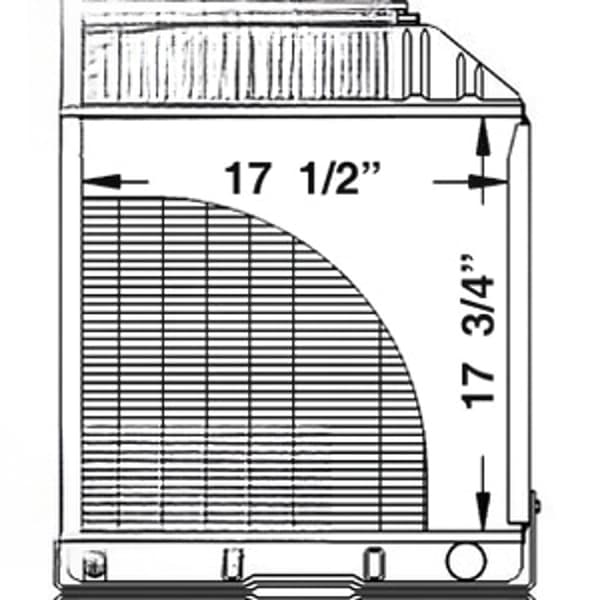
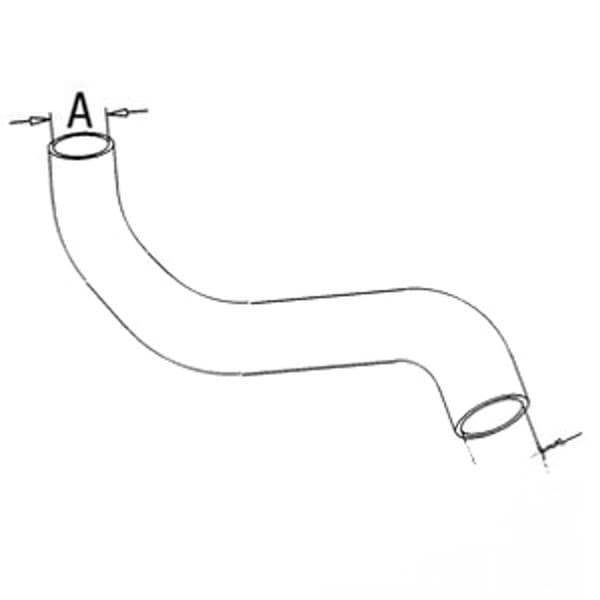
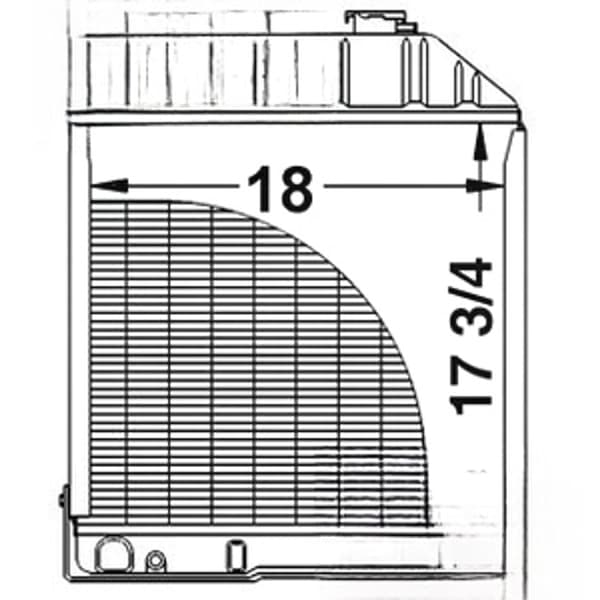
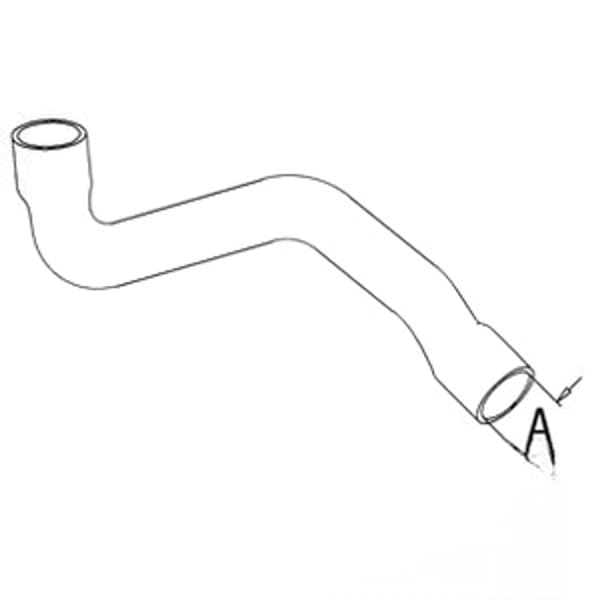
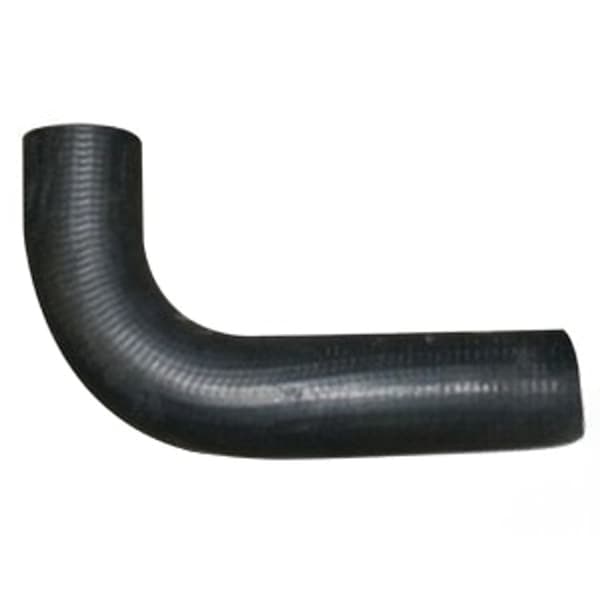
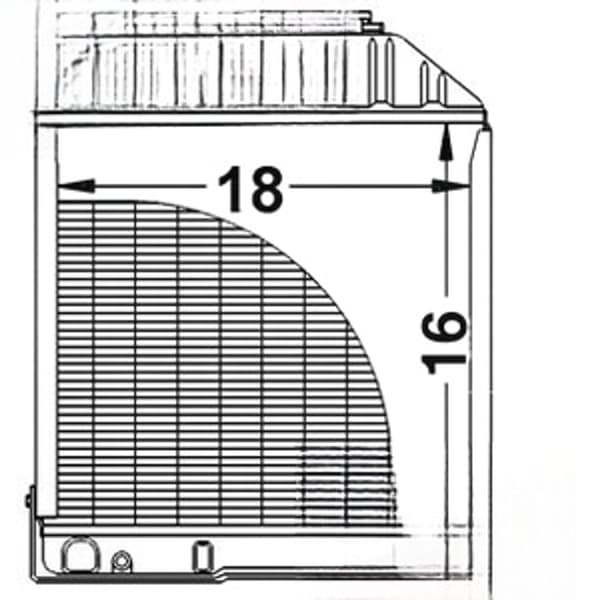
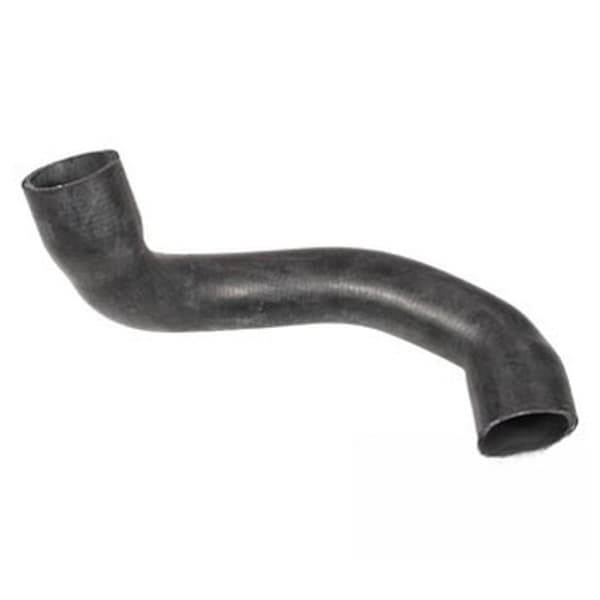
🔍 Looking for a specific part? Try our AI Part Finder — tell it your equipment and what you need, and it will find matching parts instantly.
Madison Tractor Company understands the importance of keeping your equipment running smoothly. We offer a wide selection of tractor radiators and cooling system parts for various brands, including Ford, John Deere, Case IH, New Holland, Massey Ferguson, Kubota, Allis Chalmers, Deutz, International Harvester, Oliver, White, Gleaner, Vermeer, Hesston, Mahindra, and Zetor. From radiators and water pumps to hoses and thermostats, we have the parts you need to maintain your tractor's cooling system.
This article builds upon the broader discussion of Ford tractor radiators, providing specific details related to the 5000 series.
Ford 5000 Radiator: OEM Dimensions and Specifications
Knowing the original equipment manufacturer (OEM) specifications of your Ford 5000 radiator is essential when considering a replacement or troubleshooting cooling issues. While exact dimensions can vary slightly depending on the year and specific configuration of your Ford 5000, the following provides a general overview:
- Core Height: Approximately 20-22 inches
- Core Width: Approximately 18-20 inches
- Overall Height: Approximately 26-28 inches (including tanks)
- Overall Width: Approximately 22-24 inches (including tanks)
- Depth: Approximately 2-3 inches
- Inlet/Outlet Size: Typically 1.5 inches
- Number of Rows: Usually 2 or 3
Important Note: These are approximate dimensions. Always verify the dimensions of your existing radiator before ordering a replacement. You can also consult your Ford 5000 service manual for detailed specifications. The Ford part number for the original radiator often starts with a 'C' (e.g., C5NN8005A). If you are unsure, you can often find a tag or stamp on your existing radiator with the part number. Contact our knowledgeable parts staff at Madison Tractor for assistance in identifying the correct radiator for your specific Ford 5000 model.
Common Ford 5000 Radiator Problems
Several issues can affect the performance of your Ford 5000 radiator. Recognizing these problems early can prevent more significant damage.
- Leaks: Leaks are a common issue, often occurring at the seams, core, or around the inlet/outlet connections. Corrosion, vibration, and age can contribute to leaks.
- Clogging: Over time, mineral deposits, rust, and debris can accumulate inside the radiator, restricting coolant flow and reducing cooling efficiency. Using the incorrect coolant type, or neglecting regular coolant flushes contributes to this issue.
- Damaged Fins: The fins on the radiator core are responsible for dissipating heat. Bent or damaged fins reduce the radiator's surface area, diminishing its cooling capacity. Physical impacts or cleaning with high-pressure washers can damage fins.
- Corrosion: Corrosion can weaken the radiator's metal, leading to leaks and reduced structural integrity.
Troubleshooting Your Ford 5000 Radiator
If you suspect a problem with your Ford 5000 radiator, follow these troubleshooting steps:
- Visual Inspection: Carefully inspect the radiator for leaks, damaged fins, and signs of corrosion. Pay close attention to the seams and connections.
- Pressure Test: A pressure test can help identify leaks that may not be visible during a visual inspection. Use a radiator pressure tester to pressurize the system and check for pressure drops. Safety Warning: Always relieve pressure before removing the tester.
- Coolant Inspection: Check the coolant level and condition. Low coolant levels indicate a leak. Discolored or sludgy coolant suggests contamination or corrosion. Replace the coolant if it is old or contaminated.
- Temperature Monitoring: Monitor the tractor's temperature gauge while operating. Overheating is a clear sign of a cooling system problem.
- Check the Water Pump: A failing water pump can also cause overheating. Inspect the water pump for leaks or unusual noises. Refer to our article on Ford tractor water pump replacement for more information. We also carry water pumps for John Deere tractors and water pumps for Case IH tractors.
Ford 5000 Radiator Replacement Options
When your Ford 5000 radiator is beyond repair, replacement is the best option. You have several choices:
- OEM Radiator: Purchasing a genuine Ford radiator ensures a perfect fit and optimal performance. However, OEM radiators can be more expensive. Check with your local Ford/New Holland dealer.
- Aftermarket Radiator: Aftermarket radiators offer a cost-effective alternative to OEM radiators. Madison Tractor Company carries high-quality aftermarket radiators specifically designed for the Ford 5000, manufactured to meet or exceed OEM specifications.
- Reconditioned Radiator: A reconditioned radiator has been cleaned, repaired, and tested. This can be a good option if you are looking for a more budget-friendly solution. However, be sure to purchase from a reputable supplier to ensure the reconditioned radiator is in good working order.
Before purchasing a replacement radiator, ensure it is compatible with your specific Ford 5000 model and year. Consider factors such as the number of rows, core dimensions, and inlet/outlet size. Our team at Madison Tractor is ready to help you choose the best radiator for your Ford 5000.
Step-by-Step Ford 5000 Radiator Replacement Guide
Replacing a Ford 5000 radiator is a straightforward process. However, always prioritize safety and follow these steps carefully:
- Safety First: Allow the engine to cool completely before beginning any work on the cooling system. Disconnect the negative battery cable to prevent electrical shorts.
- Drain the Coolant: Locate the radiator drain valve (usually at the bottom of the radiator) and open it to drain the coolant into a suitable container. Dispose of used coolant properly according to local regulations.
- Disconnect Hoses: Disconnect the upper and lower radiator hoses from the radiator. Use pliers to loosen the hose clamps. Be prepared for some coolant spillage.
- Remove Mounting Bolts: Remove the bolts or screws that secure the radiator to the tractor's frame.
- Remove the Radiator: Carefully lift the old radiator out of the tractor. Be mindful of its weight and any remaining coolant.
- Install the New Radiator: Position the new radiator in place and secure it with the mounting bolts or screws.
- Connect Hoses: Reconnect the upper and lower radiator hoses, ensuring they are securely clamped.
- Refill with Coolant: Refill the cooling system with the correct type and amount of coolant. Consult your Ford 5000 owner's manual for the recommended coolant type and capacity.
- Bleed the System: Bleed the cooling system to remove any air pockets. This may involve opening a bleed valve on the engine or radiator.
- Test Run: Start the tractor and let it idle for several minutes. Monitor the temperature gauge to ensure the engine is not overheating. Check for leaks around the radiator and hoses.
Torque Specifications: Refer to your Ford 5000 service manual for specific torque specifications for the radiator mounting bolts and hose clamps.
Coolant Capacity: The Ford 5000 cooling system typically holds around 16-18 quarts of coolant. Always double-check your owner's manual for the exact capacity.
Maintaining Your Ford 5000 Radiator
Regular maintenance can extend the life of your Ford 5000 radiator and prevent cooling system problems.
- Flush the Cooling System: Flush the cooling system every 2 years or as recommended in your owner's manual. This will remove accumulated deposits and prevent clogging.
- Use the Correct Coolant: Use the coolant type specified in your Ford 5000 owner's manual. Mixing different types of coolant can lead to corrosion and other problems.
- Inspect Hoses and Clamps: Regularly inspect the radiator hoses and clamps for cracks, leaks, or deterioration. Replace them as needed.
- Clean the Radiator Fins: Periodically clean the radiator fins to remove dirt, debris, and insects. Use a soft brush or compressed air. Avoid using high-pressure washers, which can damage the fins.
- Check the Radiator Cap: A faulty radiator cap can prevent the cooling system from pressurizing properly, leading to overheating. Test the radiator cap regularly.
Proper maintenance of your Ford 5000 radiator will ensure your tractor runs reliably for years to come. Don't forget to check other cooling system parts like the John Deere tractor radiator, Case IH tractor radiator, Massey Ferguson tractor radiator and the Kubota tractor radiator. If you are unsure about any maintenance procedure, consult your Ford 5000 service manual or a qualified mechanic.
Shop Ford 5000 Tractor Parts at Madison Tractor Company
At Madison Tractor Company, we are your trusted source for Ford 5000 tractor parts, including radiators, water pumps, hoses, thermostats, and more. We carry a wide selection of high-quality aftermarket parts to keep your Ford 5000 running at its best. Browse our online catalog or contact our knowledgeable parts staff for assistance in finding the right parts for your needs. We also offer parts for other popular tractor brands like John Deere and Case IH, and we stock a variety of components, including fuel pumps, starters, alternators, and more. Keep your tractor running smoothly with Madison Tractor Company!
🔍 Can't Find Your Part?
Use our AI-Powered Part Finder to search by your equipment's make, model, and what you need. It's the fastest way to find the exact part for your machine.
Try the Part Finder →Part of our comprehensive guide
Tractor Radiator Replacement Guide: All Major Brands & Models