








Allis Chalmers Tractor Radiator: WD, WD45, D17 & More
Maintaining your Allis Chalmers tractor radiator is crucial for reliable operation. This guide covers common issues, maintenance tips, and replacement options for popular models like the WD, WD45, and D17.
Allis Chalmers tractors, renowned for their durability and innovative designs, remain a popular choice for farmers and enthusiasts alike. However, like any piece of machinery, the cooling system – and specifically the allis chalmers radiator – is susceptible to wear and tear. A malfunctioning radiator can lead to overheating, engine damage, and costly repairs. This guide will walk you through common radiator problems, maintenance tips, and replacement options for popular Allis Chalmers models such as the WD, WD45, D17, and more. At Madison Tractor Company, we stock a wide array of parts for your tractor, including radiators, water pumps, and related cooling system components. We carry parts for brands such as John Deere, Case IH, Ford, New Holland, Massey Ferguson, Kubota, and of course, Allis Chalmers.
Recommended Parts for This Guide
3 parts we recommend — in stock, ships fast, one-click add to cart.
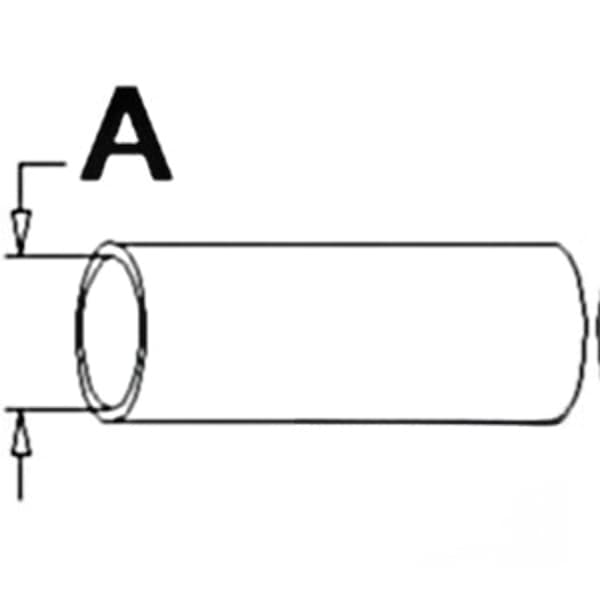
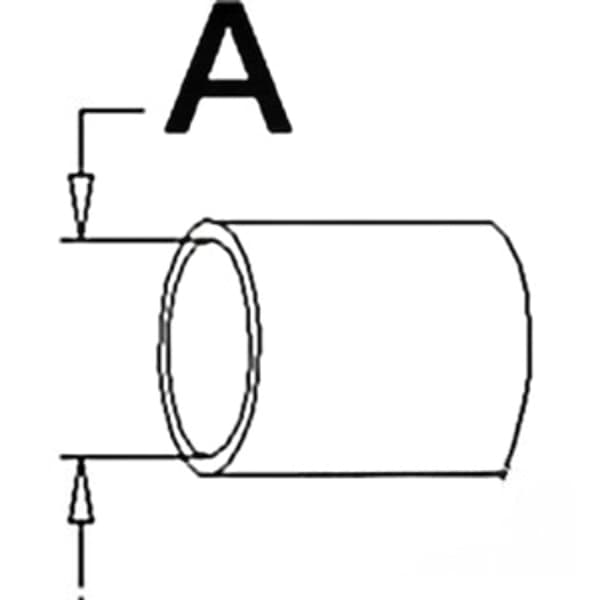
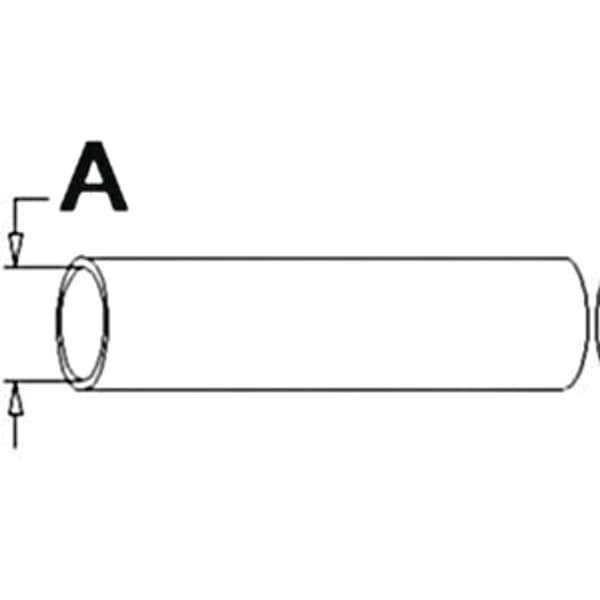
🔍 Looking for a specific part? Try our AI Part Finder — tell it your equipment and what you need, and it will find matching parts instantly.
Common Allis Chalmers Radiator Problems
Identifying radiator problems early can prevent significant damage. Here are some common issues you might encounter:
- Leaks: These can occur at the seams, core, or hose connections. Look for coolant puddles under the tractor or visible drips. A telltale sign is a sweet, syrupy smell.
- Clogging: Debris, rust, and scale can accumulate inside the radiator, restricting coolant flow and reducing cooling efficiency. This is a common issue on older tractors that may have seen less consistent maintenance.
- Corrosion: Over time, the radiator's metal components can corrode, weakening the structure and leading to leaks or failures. Using the correct coolant is crucial to prevent this.
- Damaged Fins: The radiator fins help dissipate heat. Bent or damaged fins reduce the radiator's surface area and cooling capacity.
- Faulty Radiator Cap: A malfunctioning cap can't maintain the correct pressure in the cooling system, leading to overheating or coolant loss.
Identifying Your Allis Chalmers Radiator
Before ordering a replacement, it's essential to identify the correct radiator for your specific tractor model. Here's how:
- Check your tractor's model number: This is usually found on a tag or plate on the tractor's frame.
- Consult your tractor's service manual: The manual will provide detailed information about the radiator specifications and part numbers.
- Measure your existing radiator: Measure the core height, width, and depth, as well as the inlet and outlet sizes and locations.
- Check the OEM part number: If your original radiator has a legible OEM part number (usually stamped on the radiator itself or on a tag), this is the most reliable way to find a compatible replacement.
Here are a few common Allis Chalmers tractor models and some possible OEM radiator part numbers. Always verify fitment with your specific tractor's information before ordering. These are *examples only* and may not be correct for every application:
- Allis Chalmers WD: Search available parts
- Allis Chalmers WD45: Search available parts
- Allis Chalmers D17: 70229702
- Allis Chalmers D19: Search available parts
Finding the right radiator can be tricky. At Madison Tractor, our experienced parts specialists can assist you in identifying the correct allis chalmers radiator for your tractor. We can cross-reference OEM part numbers and help you find a compatible replacement.
Allis Chalmers Radiator Maintenance Tips
Regular maintenance can significantly extend the life of your allis chalmers radiator and prevent costly repairs. Consider these tips:
- Regularly check the coolant level: Ensure the coolant level is within the recommended range. Use a 50/50 mix of coolant and distilled water for optimal performance and protection against freezing and corrosion.
- Inspect hoses and connections: Check for cracks, leaks, or loose connections. Replace any damaged hoses promptly.
- Clean the radiator fins: Use a soft brush or compressed air to remove dirt, debris, and insects from the radiator fins. Be careful not to bend the fins. A clogged radiator significantly reduces cooling efficiency.
- Flush the cooling system: Periodically flush the cooling system to remove rust, scale, and sediment. Follow the manufacturer's recommendations for flushing intervals and procedures. A good practice is to flush every 2 years or 2000 hours of operation, whichever comes first.
- Use the correct coolant: Use the coolant specified in your tractor's service manual. Using the wrong coolant can lead to corrosion and other problems.
- Check the radiator cap: Inspect the radiator cap for damage or wear. A faulty cap can't maintain the correct pressure in the cooling system. Replace the cap if necessary.
Replacing Your Allis Chalmers Radiator
If your allis chalmers radiator is beyond repair, replacing it is the best option. Here's a general overview of the replacement process. Always consult your tractor's service manual for specific instructions and safety precautions. Remember, working on a tractor can be dangerous. Disconnect the battery before starting any repairs. If you're not comfortable with this process, seek the help of a qualified mechanic.
- Drain the coolant: Allow the engine to cool completely. Open the radiator drain cock or remove the lower radiator hose to drain the coolant. Dispose of the coolant properly.
- Disconnect hoses and lines: Disconnect the upper and lower radiator hoses, as well as any other lines or sensors connected to the radiator.
- Remove the radiator shroud or grille: Remove any shrouds or grilles that are blocking access to the radiator.
- Remove the old radiator: Unbolt the radiator from its mounting brackets and carefully remove it from the tractor.
- Install the new radiator: Position the new radiator in its mounting brackets and secure it with bolts.
- Reconnect hoses and lines: Reconnect the upper and lower radiator hoses, as well as any other lines or sensors connected to the radiator. Ensure all connections are tight and secure.
- Install the radiator shroud or grille: Reinstall any shrouds or grilles that were removed.
- Fill the cooling system: Fill the cooling system with the correct coolant mixture (usually a 50/50 mix of coolant and distilled water).
- Bleed the cooling system: Bleed the cooling system to remove any air pockets. Follow the manufacturer's instructions for bleeding the cooling system.
- Check for leaks: Start the engine and check for leaks around the radiator hoses, connections, and drain cock.
Safety Warning: Always allow the engine to cool completely before working on the cooling system. Hot coolant can cause severe burns. Wear appropriate safety gear, including gloves and eye protection.
While you're replacing the radiator, it's a good idea to inspect other cooling system components, such as the water pump, thermostat, and hoses. Replacing these components at the same time can prevent future problems and save you time and money in the long run. For example, if you are working on a John Deere tractor and doing cooling system work, you may want to check out our article about John Deere tractor water pumps. Similarly, if you are working on a Ford tractor you may want to review our article about Ford tractor water pumps.
Remember to consult your tractor's service manual for specific torque specifications for all fasteners.
Related Parts and Systems
While working on your cooling system, don't forget to consider other related parts. A healthy cooling system relies on several components working in harmony. Consider these related parts, all available at Madison Tractor Company:
- Water Pumps: Essential for circulating coolant. A failing water pump can lead to overheating.
- Thermostats: Regulate engine temperature. A faulty thermostat can cause overheating or poor fuel economy.
- Radiator Hoses: Carry coolant between the engine and radiator. Replace cracked or worn hoses immediately.
- Radiator Caps: Maintain pressure in the cooling system. A bad cap can cause coolant loss or overheating.
- Belts: Drive the water pump and other accessories. Inspect belts for wear and tear.
- Filters: Keep your fluids clean, especially your fuel. Check fuel filters regularly!
We also stock a wide range of other parts for Allis Chalmers and other major tractor brands, including John Deere, Case IH, Ford, New Holland, Massey Ferguson, Kubota, Deutz, International Harvester, Oliver, White, Gleaner, Vermeer, Hesston, Mahindra, and Zetor. Whether you need clutch kits, PTO parts, fuel pumps, carburetors, injectors, gaskets, pistons, bearings, or seals, we've got you covered.
Choose Madison Tractor for Your Allis Chalmers Radiator Needs
At Madison Tractor Company, we understand the importance of keeping your Allis Chalmers tractor running smoothly. That's why we offer a wide selection of high-quality allis chalmers radiator replacements and cooling system parts at competitive prices. Our knowledgeable staff is here to help you find the right parts for your specific tractor model and application. We also carry parts for other common tractor brands, such as radiators for John Deere tractors, Case IH tractors, Ford tractors, Massey Ferguson tractors, and Kubota tractors. Shop our extensive online catalog today and experience the Madison Tractor difference!
🔍 Can't Find Your Part?
Use our AI-Powered Part Finder to search by your equipment's make, model, and what you need. It's the fastest way to find the exact part for your machine.
Try the Part Finder →Part of our comprehensive guide
Tractor Radiator Replacement Guide: All Major Brands & Models