








What Antifreeze for My Tractor? Coolant Type Guide
Selecting the correct tractor antifreeze is critical for engine health. This guide explains the different coolant types and how to choose the right one for your John Deere, Case IH, Ford, or other brand tractor, ensuring optimal performance and longevity.
Understanding Tractor Antifreeze Types
Your tractor's cooling system is crucial for reliable operation, especially during demanding tasks like plowing or harvesting. Proper antifreeze, also known as coolant, protects against freezing in winter and overheating in summer. It also prevents corrosion within the engine block, radiator, and other cooling system components. Selecting the correct tractor antifreeze type is essential to avoid costly repairs.
Recommended Parts for This Guide
10 parts we recommend — in stock, ships fast, one-click add to cart.
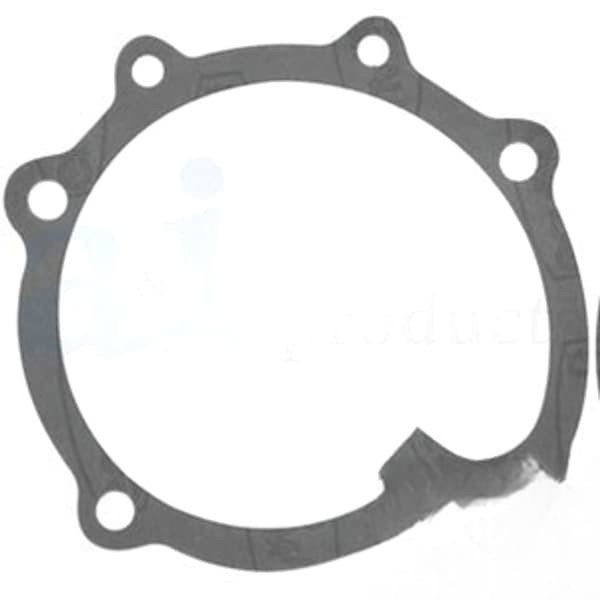
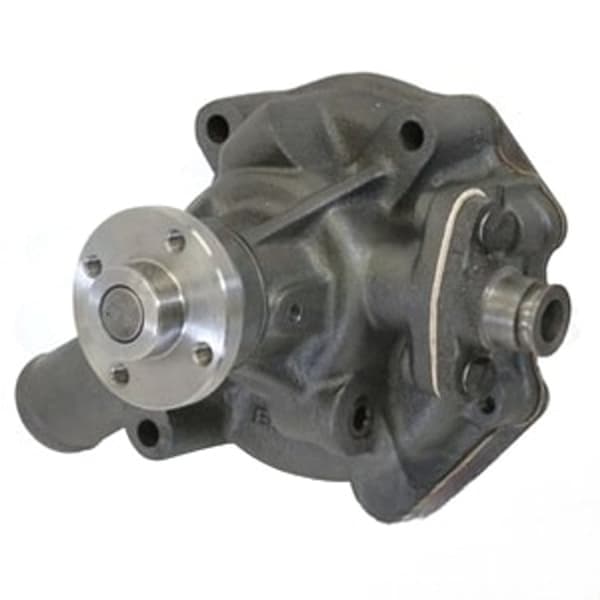
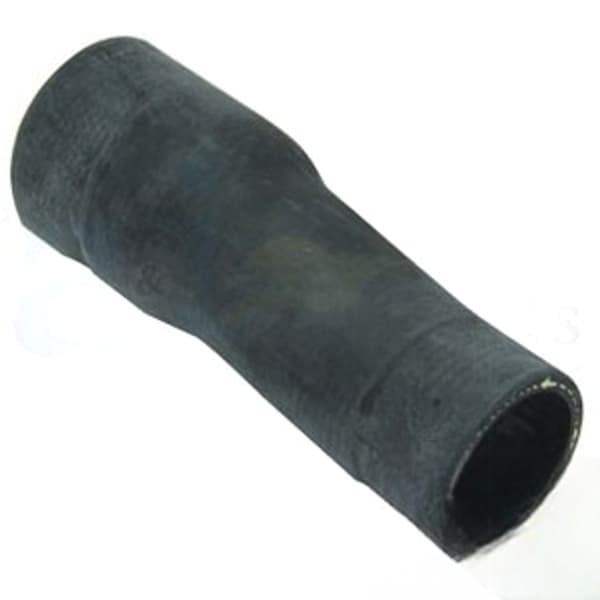
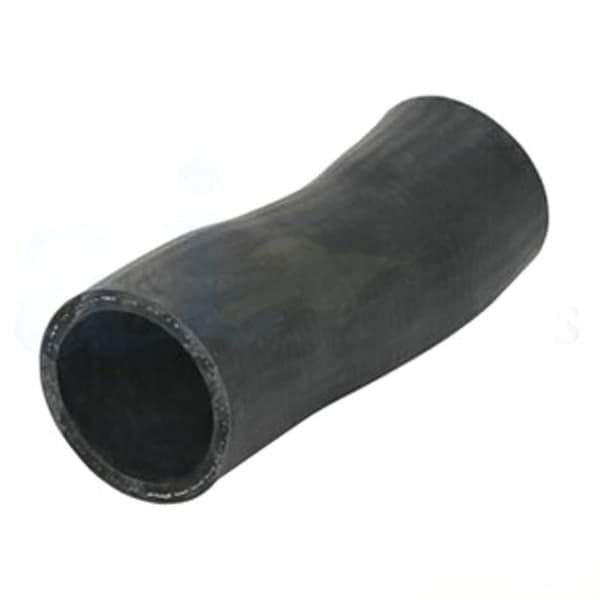
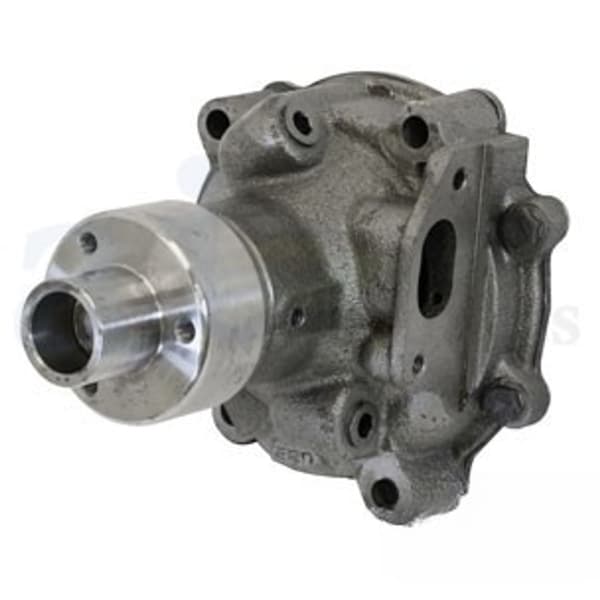
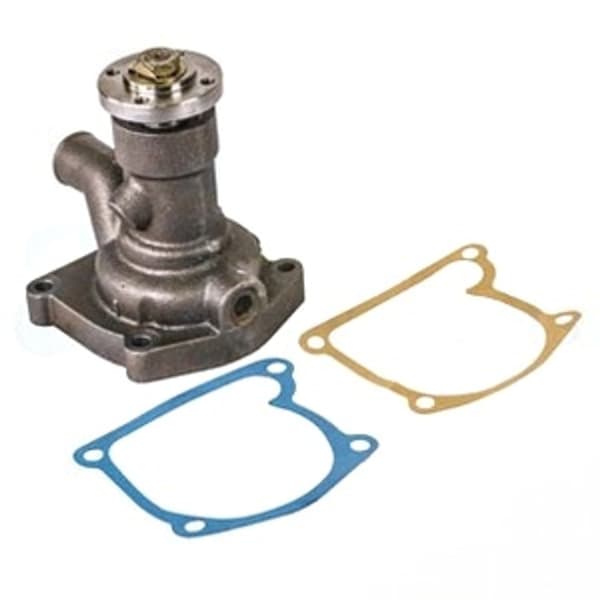
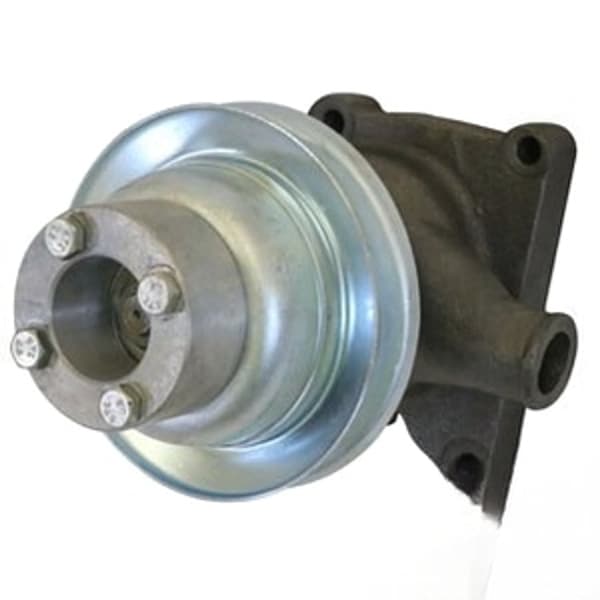
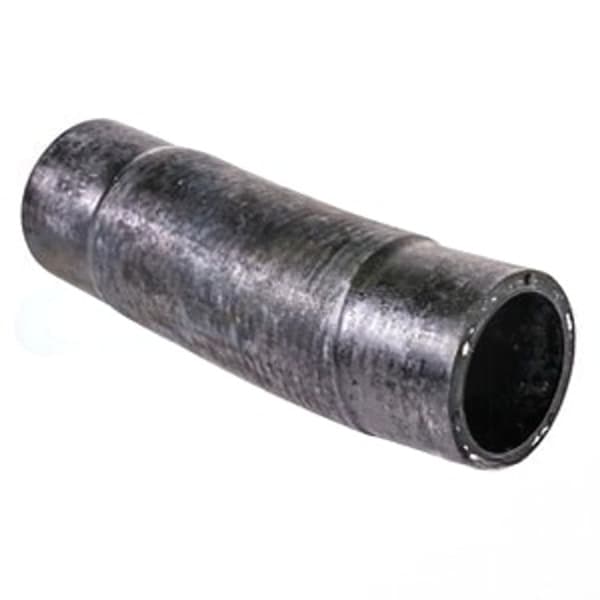
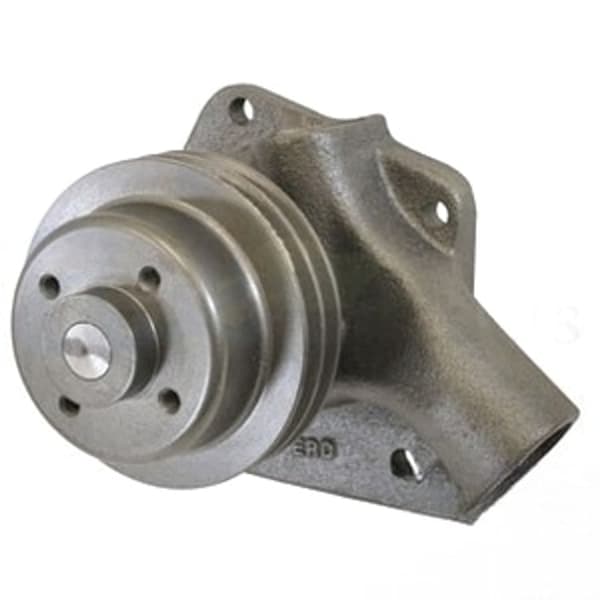
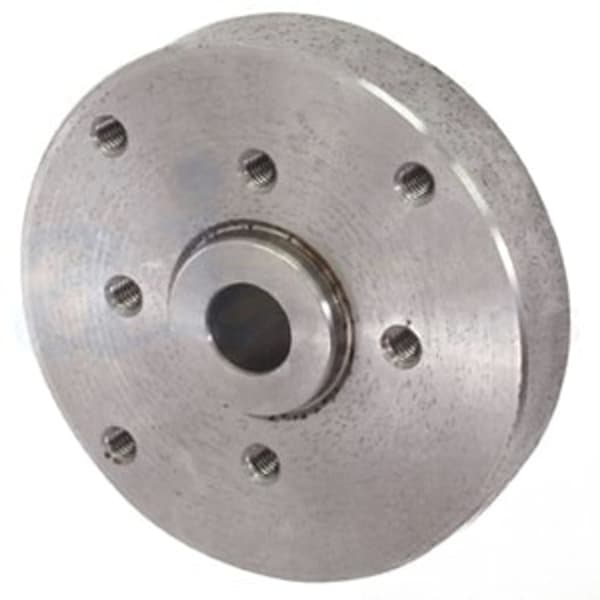
🔍 Looking for a specific part? Try our AI Part Finder — tell it your equipment and what you need, and it will find matching parts instantly.
Here at Madison Tractor Company, we see many cooling system issues stemming from incorrect coolant use. This guide will help you choose the right antifreeze for your tractor and maintain your cooling system effectively.
What Antifreeze Does
Antifreeze is more than just freeze protection. It:
- Prevents Freezing: Lowers the freezing point of the coolant mixture, preventing ice formation that can crack engine blocks.
- Prevents Overheating: Raises the boiling point of the coolant mixture, allowing the engine to run at higher temperatures without boiling over.
- Corrosion Inhibition: Contains additives that protect metal surfaces from rust and corrosion, extending the life of the cooling system.
- Lubrication: Provides some lubrication for the water pump seals.
Types of Tractor Antifreeze
Several types of antifreeze are available, each with different chemical compositions and properties. Using the wrong type can lead to corrosion, scale buildup, and even engine damage.
Conventional Green Antifreeze (IAT)
This is the traditional antifreeze type, often green in color. It uses Inorganic Additive Technology (IAT) for corrosion protection. IAT antifreeze is typically ethylene glycol-based and needs to be changed every two years or 24,000 miles.
Compatibility: Older tractors, typically pre-1990s. This includes many classic Ford tractor models like the 2000, 3000, 4000 & 5000 series and older John Deere models. Check your owner's manual for specific recommendations.
Organic Acid Technology (OAT) Antifreeze
OAT antifreeze uses organic acids for corrosion protection. It's typically orange, red, or pink in color and has a longer lifespan than IAT antifreeze, often lasting five years or 150,000 miles. Dex-Cool is a well-known example of OAT antifreeze.
Compatibility: Many newer tractors. However, it's crucial *not* to mix OAT with IAT antifreeze, as this can cause sludge formation and reduce corrosion protection. Some Case IH tractor models and newer John Deere tractor models use OAT antifreeze. Check your owner's manual for specific recommendations for your Case IH tractor radiator replacement needs.
Hybrid Organic Acid Technology (HOAT) Antifreeze
HOAT antifreeze combines the benefits of both IAT and OAT technologies. It uses both inorganic and organic acids for corrosion protection and has a longer lifespan than IAT antifreeze. HOAT antifreeze comes in various colors, including yellow, blue, and turquoise.
Compatibility: Many newer tractors, including some New Holland and Massey Ferguson tractor models. HOAT antifreeze is often suitable for a wide range of vehicles, but always check your owner's manual.
Nitrite Organic Acid Technology (NOAT) Antifreeze
NOAT antifreeze is similar to HOAT but contains nitrites for added protection against cylinder liner cavitation in diesel engines. This is particularly important for heavy-duty applications and diesel-powered tractors.
Compatibility: Diesel tractors, especially those working under heavy loads. This includes many Case IH, John Deere, kubota tractor radiator models in the L, M & MX series, and other brands used in agricultural applications. Consult your john deere tractor water pump guide for more details, especially if considering a replacement.
Propylene Glycol Antifreeze
Propylene glycol antifreeze is less toxic than ethylene glycol-based antifreeze. It's often used in applications where toxicity is a concern. However, it's generally less effective at heat transfer than ethylene glycol. It's typically pink or orange.
Compatibility: Some specific applications. Not as common in tractors unless specified by the manufacturer. Often used in food-grade processing equipment that requires freeze protection.
Choosing the Right Antifreeze for Your Tractor
The best way to determine the correct antifreeze for your tractor is to consult your owner's manual. It will specify the type of antifreeze recommended by the manufacturer. If you don't have the owner's manual, you can usually find this information online or by contacting your local dealer.
Here are some general guidelines:
- Older Tractors (pre-1990s): Conventional green (IAT) antifreeze is usually suitable.
- Newer Tractors (1990s and later): HOAT or OAT antifreeze is often recommended. Check the manual!
- Diesel Tractors: Consider NOAT antifreeze for added cylinder liner protection.
Important: Never mix different types of antifreeze unless the manufacturer explicitly states it is safe to do so. Mixing incompatible coolants can lead to corrosion, sludge formation, and reduced cooling system performance. If you are unsure what type of antifreeze is currently in your tractor, it's best to flush the system and refill it with the correct type.
Mixing Antifreeze
Antifreeze must be mixed with water to create a coolant solution. The ideal ratio is typically 50/50 antifreeze and water, which provides protection down to -34°F (-36°C). In colder climates, you can use a 60/40 antifreeze-to-water ratio for increased freeze protection, but never exceed 70% antifreeze, as this can reduce heat transfer efficiency.
Use distilled or deionized water for mixing antifreeze. Tap water contains minerals that can contribute to scale buildup and corrosion. Premixed 50/50 antifreeze solutions are also available, which eliminates the need for mixing.
Safety Warning: Always wear gloves and eye protection when handling antifreeze. Antifreeze is toxic and can be harmful if swallowed or absorbed through the skin. Keep antifreeze out of reach of children and pets.
Maintaining Your Tractor's Cooling System
Regular cooling system maintenance is essential for preventing overheating and extending the life of your engine. Here are some key maintenance tips:
- Check Coolant Level Regularly: Check the coolant level in the radiator and overflow tank regularly, especially before and after heavy use. Add coolant as needed to maintain the correct level.
- Inspect Hoses and Belts: Inspect hoses for cracks, leaks, and swelling. Replace any damaged hoses immediately. Check the condition of the water pump belt (or serpentine belt) and replace it if it's worn or cracked. See our guide on ford tractor water pump replacement for details and tips.
- Flush the Cooling System: Flush the cooling system every two to five years, depending on the type of antifreeze used and the operating conditions. Flushing removes accumulated sediment and corrosion, improving cooling system performance.
- Pressure Test the Cooling System: Periodically pressure test the cooling system to check for leaks. A pressure tester applies pressure to the system, allowing you to identify leaks in the radiator, hoses, water pump, or engine block.
- Check Radiator Cap: A faulty radiator cap can prevent the cooling system from pressurizing properly, leading to overheating. Inspect the radiator cap for damage and replace it if necessary. If your radiator is damaged beyond repair, check out our articles on john deere tractor radiator models, Massey Ferguson tractor radiator models, and Kubota tractor radiator models to find the correct replacement.
Coolant Capacity
Coolant capacity varies greatly depending on the tractor model. Refer to your owner's manual for the specific coolant capacity of your tractor. As an example, some smaller Kubota models might require only a couple of gallons, while larger John Deere or Case IH tractors could require several gallons.
Common Cooling System Parts
Madison Tractor Company carries a wide range of cooling system parts for all major tractor brands, including John Deere, Case IH, Ford, New Holland, Massey Ferguson, Kubota, Allis Chalmers, Deutz, International Harvester, Oliver, White, Gleaner, Vermeer, Hesston, Mahindra, and Zetor. Here are some common parts we stock:
- Radiators: The heart of the cooling system. We carry a wide selection of radiators for various tractor models.
- Water Pumps: Circulate coolant throughout the engine.
- Hoses: Connect various cooling system components.
- Thermostats: Regulate engine temperature.
- Radiator Caps: Maintain pressure within the cooling system.
- Coolant Overflow Tanks: Provide a reservoir for excess coolant.
Remember to check out our other guides in the "Tractor Radiator & Cooling System Parts" cluster, including John Deere Tractor Radiator: OEM Part Numbers by Model, Case IH Tractor Radiator Replacement: Models & Sizing, and Ford Tractor Radiator: 2000, 3000, 4000 & 5000 Series for more specific information.
Shop Tractor Parts at Madison Tractor Company
At Madison Tractor Company, we are committed to providing you with high-quality parts and expert advice to keep your tractor running smoothly. We stock a wide range of parts, including radiators, water pumps, starters, alternators, hydraulic pumps, cylinders, clutch kits, PTO parts, fuel pumps, carburetors, injectors, filters, gaskets, pistons, bearings, seals, belts, chains, concaves, and sickle sections. Whether you need a new water pump for your Case IH tractor or a radiator for your Ford tractor, we have you covered. Shop our extensive online catalog today and experience the Madison Tractor Company difference! You can also use our AI-Powered Part Finder to search for parts by your specific make and model.
Part of our comprehensive guide
Tractor Radiator Replacement Guide: All Major Brands & Models