








Tractor Cooling Fan Blade Replacement: Sizing & Pitch
Replacing a worn or damaged tractor cooling fan? Choosing the right size and blade pitch is critical for efficient engine cooling. This guide explains the key considerations for selecting the best fan for your tractor.
Your tractor's cooling system is its lifeline, preventing catastrophic engine damage from overheating. While the radiator and water pump get a lot of attention, the cooling fan plays a crucial role in drawing air through the radiator core, dissipating heat. A damaged or inefficient fan can drastically reduce cooling performance, especially under heavy loads or in hot weather. This guide from Madison Tractor Company will walk you through the key considerations when replacing your tractor's cooling fan, focusing on sizing and blade pitch.
Recommended Parts for This Guide
9 parts we recommend — in stock, ships fast, one-click add to cart.
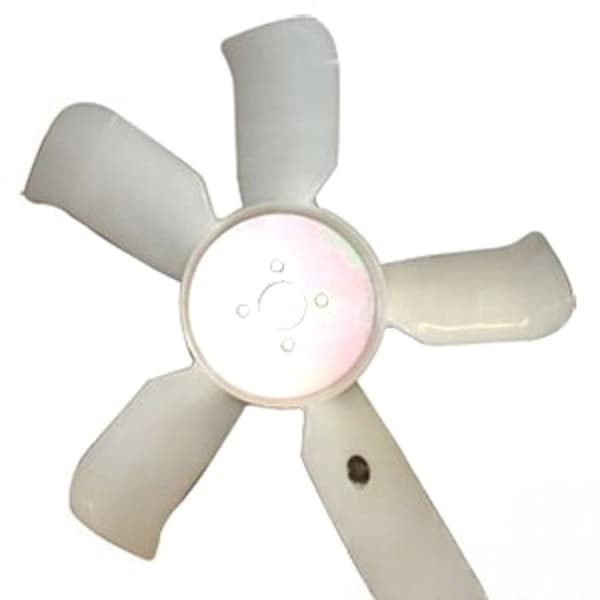
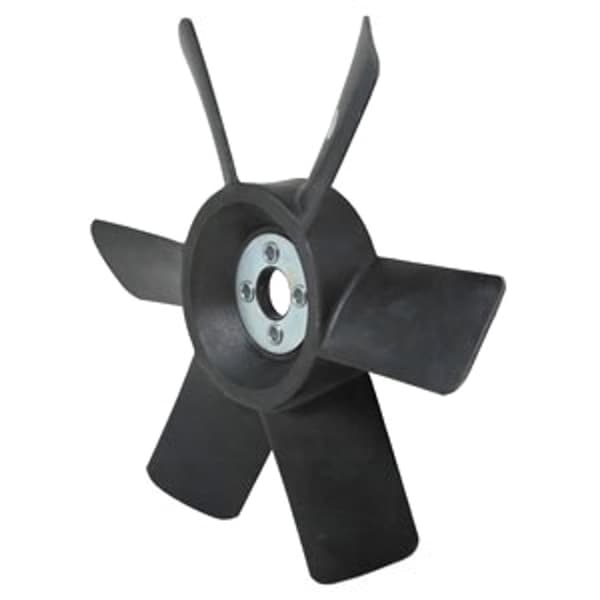
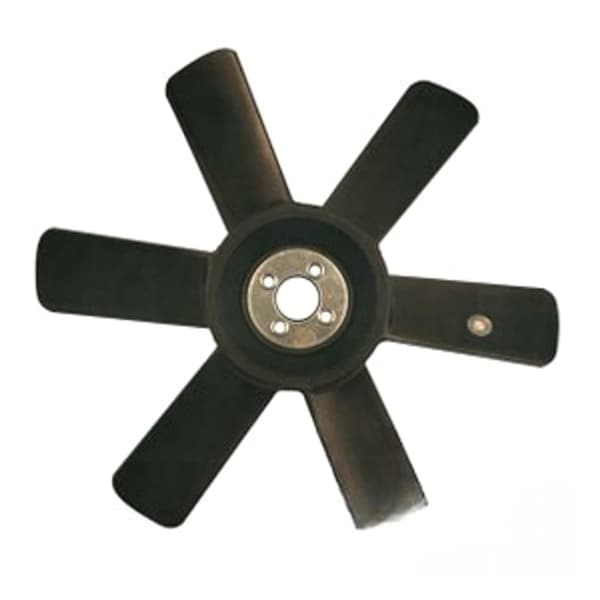
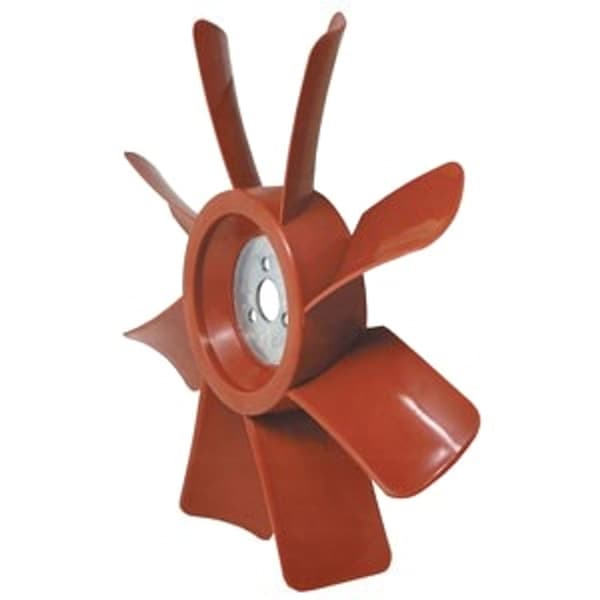
🔍 Looking for a specific part? Try our AI Part Finder — tell it your equipment and what you need, and it will find matching parts instantly.
Why Replace Your Tractor Cooling Fan?
Several factors can necessitate cooling fan replacement:
- Physical Damage: Cracks, bends, or missing blade sections significantly reduce airflow. Impacts from debris are a common cause.
- Wear and Tear: Over time, the fan material can degrade, leading to reduced efficiency or structural failure.
- Performance Issues: If your tractor is consistently running hot, even with a healthy radiator and water pump, the fan may be inadequate.
- Upgrade: You might consider upgrading to a higher-performance fan for improved cooling, especially if you frequently operate in demanding conditions.
Ignoring a failing cooling fan can lead to severe engine damage, including:
- Overheating and subsequent head gasket failure.
- Cylinder head cracking or warping.
- Piston and cylinder damage.
- Complete engine seizure.
Madison Tractor carries a wide range of cooling fans for John Deere, Case IH, Ford, New Holland, Massey Ferguson, Kubota, Allis Chalmers, Deutz, International Harvester, Oliver, White, Gleaner, Vermeer, Hesston, Mahindra, and Zetor tractors.
Understanding Cooling Fan Size
Cooling fan size is determined primarily by two measurements: diameter and number of blades.
Diameter
The fan diameter dictates the overall area covered by the fan blades. A larger diameter generally equates to greater airflow. However, it's crucial to choose a diameter that fits properly within the fan shroud and doesn't interfere with any other components. Refer to your tractor's service manual for the original equipment (OEM) fan diameter.
When searching for a replacement, use your tractor's make, model, and year to find the correct fan. For example, a John Deere 4020 typically uses a fan with a specific diameter (check your parts manual for the exact spec). We carry direct replacement fans and can help you cross-reference the OEM part number. For instance, consider our 21-inch fan for applications requiring greater airflow.
Number of Blades
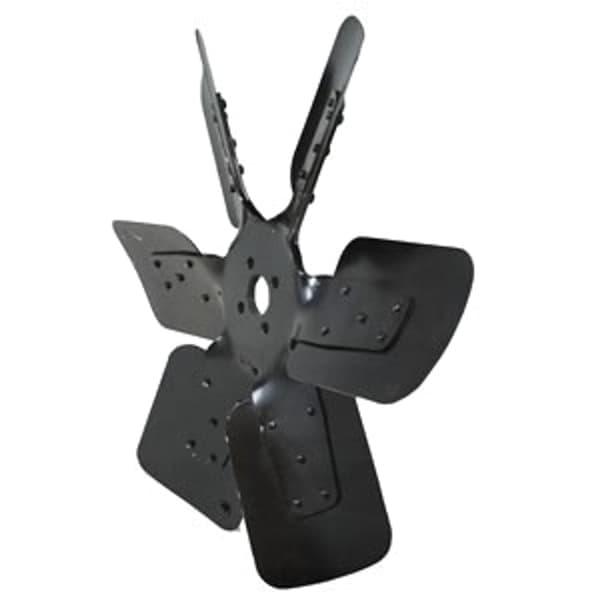
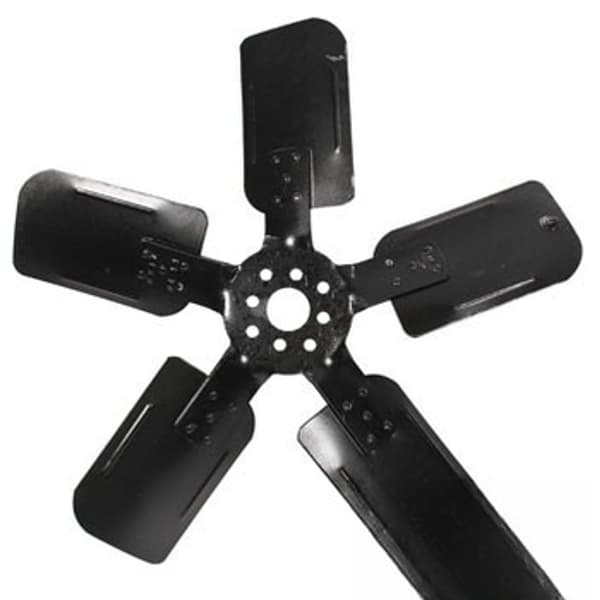
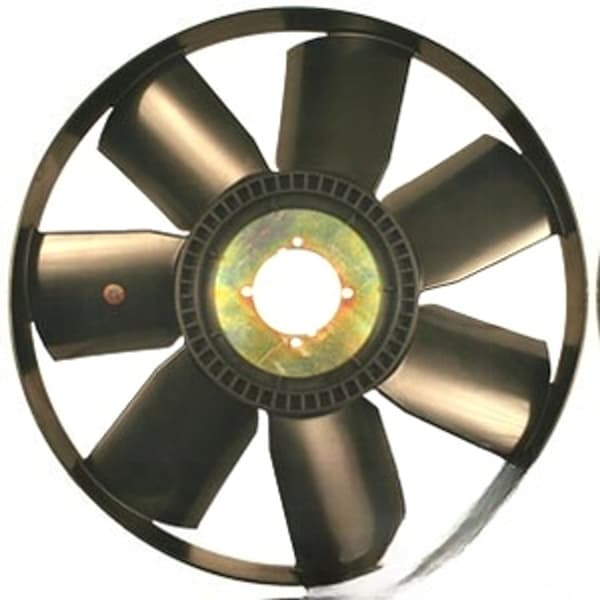
The number of blades also affects airflow. More blades generally increase airflow, but can also increase noise and power consumption. The optimal number of blades depends on the fan's design and the engine's cooling requirements. Many older tractors use 4-blade or 6-blade fans, while newer models may have 8 or more blades for improved cooling. Sticking with the original blade count is generally recommended unless you have a specific reason to deviate and have confirmed that the new fan will fit and perform correctly.
Decoding Blade Pitch
Blade pitch refers to the angle of the fan blades relative to the plane of rotation. This angle determines how much air the fan moves with each revolution. A steeper pitch moves more air, but also requires more power to turn and can create more noise.
Pitch Angle & Airflow
A higher pitch angle means the blades are more aggressively angled, moving a larger volume of air per revolution. However, this also increases the load on the engine. A lower pitch angle moves less air but requires less power.
Measuring Blade Pitch
Unfortunately, blade pitch isn't always readily available as a specification. Often, you'll need to rely on the original part number or a direct replacement fan. Visual comparison with the original fan can also be helpful. If you're unsure, consult with a qualified mechanic or contact Madison Tractor for assistance. Providing the make, model, and year of your tractor will allow our parts experts to locate the correct fan for your machine.
Material Matters: Steel vs. Plastic Cooling Fans
Tractor cooling fans are typically made from either steel or plastic. Each material has its advantages and disadvantages:
Steel Fans
- Pros: Durable, resistant to damage, and can withstand high temperatures.
- Cons: Heavier than plastic fans, which can slightly reduce engine efficiency. Can corrode over time.
Plastic Fans
- Pros: Lighter than steel fans, improving engine efficiency. Resistant to corrosion.
- Cons: More susceptible to damage from impacts and high temperatures. Can become brittle over time.
Generally, replacing a steel fan with a steel fan and a plastic fan with a plastic fan is the safest approach. However, in some cases, a plastic upgrade might be beneficial if weight reduction is a priority and the operating environment isn't overly harsh. We stock both types of fans for tractors like the Ford 8N and Massey Ferguson 135.
Installation Tips and Safety Precautions
Replacing a tractor cooling fan is a relatively straightforward task, but safety should always be your top priority.
- Disconnect the Battery: Before starting any work, disconnect the negative battery cable to prevent accidental electrical shorts.
- Allow Engine to Cool: Never work on a hot engine. Allow ample time for the engine to cool completely before starting the replacement.
- Use Proper Tools: Use the correct tools for the job, including wrenches, sockets, and potentially a fan clutch holding tool.
- Inspect the Fan Shroud: Check the fan shroud for any damage and repair or replace it as needed. A damaged shroud can reduce fan efficiency.
- Torque Specifications: Tighten the fan mounting bolts to the manufacturer's specified torque. Over-tightening can damage the fan or mounting hub.
- Belt Tension: After installing the new fan, check and adjust the belt tension as needed. A loose belt can slip, reducing fan speed and cooling performance.
Safety Warning: Always wear safety glasses when working on your tractor to protect your eyes from flying debris. Be careful when handling the fan blades, as they can be sharp.
Troubleshooting Cooling Fan Issues
Even with a new cooling fan, you might still experience cooling problems. Here are some common issues and potential solutions:
- Overheating at Idle: Could be caused by a faulty water pump, a clogged radiator, or low coolant level.
- Overheating Under Load: Often indicates a problem with the thermostat, radiator, or cooling system pressure.
- Excessive Fan Noise: Could be a sign of a damaged fan blade or a worn fan clutch (if equipped).
Remember to check your tractor's service manual for specific troubleshooting procedures and recommendations. Madison Tractor also provides a wide range of replacement parts, including radiators, water pumps, thermostats, and belts, to address any cooling system issues.
Finding the Right Cooling Fan at Madison Tractor
At Madison Tractor Company, we understand the importance of keeping your tractor running smoothly. We offer a vast selection of high-quality replacement cooling fans for all major tractor brands, including John Deere, Case IH, Ford, New Holland, Massey Ferguson, Kubota, and more. Whether you need a cooling fan for a Ford 3000, a Massey Ferguson 265, or a Kubota L3901, we've got you covered.
Beyond cooling fans, we also stock a comprehensive inventory of tractor parts, including radiators, water pumps, starters, alternators, hydraulic pumps, cylinders, clutch kits, PTO parts, fuel pumps, carburetors, injectors, filters, gaskets, pistons, bearings, seals, belts, chains, concaves, sickle sections, and more. Our knowledgeable staff is here to help you find the right parts for your tractor and keep it running at its best. Browse our selection online or contact us today for expert assistance! You can also use our AI-Powered Part Finder to search for parts by your specific make and model.
Part of our comprehensive guide
Tractor Radiator Replacement Guide: All Major Brands & Models