








Massey Ferguson Clutch Adjustment: 35, 135 & 165
Is your Massey Ferguson 35, 135, or 165 tractor's clutch slipping or difficult to engage? This guide provides a step-by-step process for adjusting your clutch, ensuring smooth operation and preventing costly repairs. Learn how to properly adjust both single-stage and dual-stage clutches.
A properly adjusted clutch is essential for the smooth and efficient operation of your Massey Ferguson tractor. A misadjusted clutch can lead to slippage, difficulty shifting gears, and premature wear of clutch components, potentially leading to a need for a new Massey Ferguson clutch. This guide provides a comprehensive, step-by-step procedure for adjusting the clutch on Massey Ferguson models 35, 135, and 165. Whether you're a seasoned mechanic or a first-time tractor owner, this guide will help you understand the process and perform the adjustment with confidence.
Recommended Parts for This Guide
3 parts we recommend — in stock, ships fast, one-click add to cart.
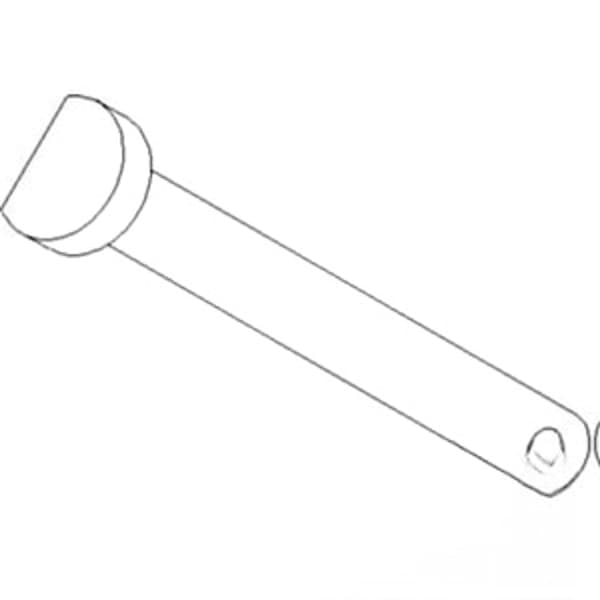
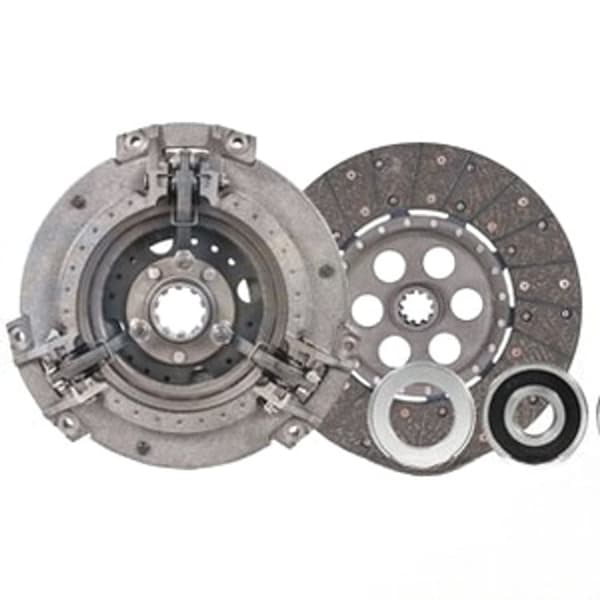
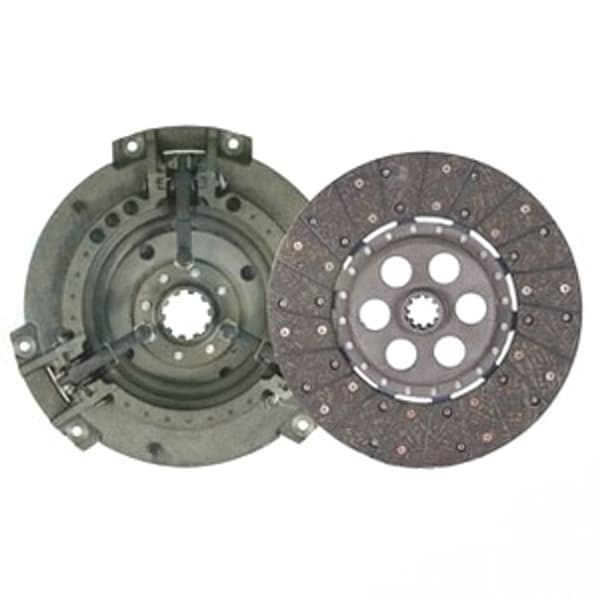
🔍 Looking for a specific part? Try our AI Part Finder — tell it your equipment and what you need, and it will find matching parts instantly.
Understanding Your massey ferguson clutch
Before diving into the adjustment process, it's crucial to understand the type of clutch system your Massey Ferguson tractor utilizes. These models typically feature either a single-stage or a dual-stage clutch. Distinguishing between these is important, as the adjustment procedures differ slightly.
- Single-Stage Clutch: This type of clutch controls both the transmission and the PTO (Power Take-Off). Pressing the clutch pedal disengages both the transmission and the PTO simultaneously.
- Dual-Stage Clutch (Live PTO): This type of clutch offers independent control of the transmission and the PTO. Depressing the clutch pedal halfway disengages the transmission, allowing you to shift gears. Pressing the pedal fully disengages the PTO, allowing you to stop implements like a mower or baler without stopping the tractor. A properly functioning tractor PTO clutch is critical to efficient farming operation.
If you're unsure which type of clutch your tractor has, consult your owner's manual or check the operational characteristics described above. If your PTO continues to spin even when the clutch pedal is partially depressed, you likely have a single-stage clutch.
Safety First!
WARNING: Always prioritize safety when working on any machinery. Before beginning any clutch adjustment, ensure the tractor is parked on a level surface, the engine is turned off, the parking brake is engaged, and the wheels are chocked to prevent accidental movement. Disconnect the negative battery cable to prevent accidental starting.
Tools and Materials Needed
Gather these essential tools and materials before starting the clutch adjustment:
- Set of wrenches (metric or SAE, depending on your tractor)
- Screwdrivers (flathead and Phillips head)
- Feeler gauges (for measuring free play)
- Penetrating oil (to loosen stubborn bolts)
- Grease gun (for lubricating clutch linkage)
- Work light
- Wheel chocks
- Safety glasses
- Gloves
Single-Stage Clutch Adjustment Procedure
Follow these steps to adjust a single-stage clutch on your Massey Ferguson 35, 135, or 165:
- Locate the Clutch Linkage: The clutch linkage is typically found beneath the tractor, connecting the clutch pedal to the clutch release mechanism.
- Inspect the Linkage: Examine the linkage for any signs of wear, damage, or looseness. Replace any worn or damaged parts, including the D-Head Clutch Pin. Use penetrating oil to loosen any corroded or stiff linkages.
- Measure Pedal Free Play: Pedal free play is the amount of travel the clutch pedal has before the clutch begins to disengage. Consult your tractor's service manual for the correct free play specification. Typically, it's around 1-1.5 inches.
- Adjust the Linkage: Most single-stage clutches have an adjustable linkage rod or turnbuckle. Loosen the locknuts on the linkage rod and rotate the rod to increase or decrease the pedal free play. Turning the rod in one direction will increase free play, while turning it in the opposite direction will decrease it.
- Verify Free Play: After making the adjustment, re-measure the pedal free play to ensure it is within the specified range.
- Tighten Locknuts: Once the correct free play is achieved, tighten the locknuts on the linkage rod to secure the adjustment.
- Lubricate Linkage: Lubricate all pivot points and joints in the clutch linkage with grease to ensure smooth operation.
- Test the Clutch: Start the tractor and test the clutch engagement and disengagement. Ensure the tractor shifts smoothly and the PTO engages and disengages properly.
Dual-Stage Clutch Adjustment Procedure (Live PTO)
Adjusting a dual-stage clutch requires a slightly different approach to ensure both the transmission and PTO are properly engaged and disengaged. These steps will help you properly adjust your dual-stage clutch:
- Locate the Adjustment Points: Dual-stage clutches typically have two adjustment points: one for the transmission clutch and one for the PTO clutch. These adjustment points are usually located on the clutch housing or within the inspection cover.
- Adjust the Transmission Clutch: Begin by adjusting the transmission clutch. Similar to the single-stage clutch, measure the pedal free play. Use the appropriate adjustment mechanism (usually a turnbuckle or adjustable rod) to achieve the specified free play. Refer to your tractor's service manual for the correct free play specification.
- Adjust the PTO Clutch: Next, adjust the PTO clutch. This adjustment typically involves setting the air gap between the PTO clutch disc and the pressure plate. Access this adjustment through an inspection hole on the clutch housing. Use a feeler gauge to measure the air gap. Loosen the locknuts on the adjustment screws and turn the screws to adjust the air gap to the specified dimension. Consult your service manual for the correct air gap specification.
- Verify PTO Operation: With the engine running, partially depress the clutch pedal. The tractor should stop moving, but the PTO should continue to operate. Fully depress the clutch pedal, and the PTO should stop. If the PTO doesn't function as described, re-adjust the PTO clutch.
- Tighten Locknuts: Once both the transmission and PTO clutches are properly adjusted, tighten all locknuts to secure the adjustments.
- Lubricate Linkage: Lubricate all pivot points and joints in the clutch linkage with grease.
- Test the Clutch: Start the tractor and test the clutch engagement and disengagement in all gears. Ensure the PTO engages and disengages smoothly and reliably.
Troubleshooting Common Clutch Problems
Even with proper adjustment, you might encounter some common clutch issues. Here are some troubleshooting tips:
- Clutch Slippage: If the clutch slips, especially under heavy load, it may indicate worn clutch discs or a weakened pressure plate. Consider replacing your Massey Ferguson clutch with a new clutch kit. A new John Deere tractor clutch kit or Ford tractor clutch is a similar solution for those tractor brands.
- Clutch Drag: If the clutch drags, meaning it doesn't fully disengage, it could be due to excessive free play, a warped clutch disc, or a damaged release bearing. Check the release bearing (or throw out bearing) for smooth operation.
- Hard Shifting: Difficulty shifting gears can be caused by a misadjusted clutch, worn synchronizers in the transmission, or low transmission fluid.
- Noisy Clutch: Unusual noises from the clutch area may indicate a worn release bearing, a damaged pilot bearing, or a failing PTO clutch.
Preventative Maintenance
Regular maintenance can significantly extend the life of your clutch and prevent costly repairs. Here are some preventative measures:
- Regular Lubrication: Keep the clutch linkage lubricated to ensure smooth operation and prevent wear.
- Proper Pedal Usage: Avoid riding the clutch pedal, as this causes excessive wear on the clutch disc and pressure plate.
- Check Clutch Free Play Regularly: Periodically check the clutch free play and adjust it as needed.
- Inspect for Leaks: Check for oil leaks around the clutch housing, as oil contamination can damage the clutch disc.
Madison Tractor Company offers a wide selection of parts for Massey Ferguson tractors, including clutch kits, release bearings, pilot bearings, and clutch linkage components. We also carry parts for other major brands like John Deere, Case IH, Ford, New Holland, Kubota, Allis Chalmers, Deutz, International Harvester, Oliver, White, Gleaner, Vermeer, Hesston, Mahindra, and Zetor. Whether you need a new Case IH clutch kit or filters for your Kubota, we have you covered. We stock thousands of parts from radiators and water pumps to starters and alternators. We also have hydraulic pumps, cylinders, PTO parts, fuel pumps, carburetors, injectors, filters, gaskets, pistons, bearings, seals, belts, chains, concaves, and sickle sections. Our knowledgeable staff can help you find the correct parts for your tractor.
Conclusion
Proper clutch adjustment is crucial for the performance and longevity of your Massey Ferguson tractor. By following the steps outlined in this guide, you can ensure that your clutch is properly adjusted, preventing slippage, hard shifting, and premature wear. Remember to consult your tractor's service manual for specific specifications and adjustment procedures. If you encounter any difficulties or are unsure about any aspect of the adjustment process, consult a qualified mechanic.
Don't let a faulty clutch slow you down! Shop Madison Tractor Company today for all your Massey Ferguson tractor parts needs. We offer a wide selection of high-quality parts at competitive prices. Get back to work with confidence!
🔍 Can't Find Your Part?
Use our AI-Powered Part Finder to search by your equipment's make, model, and what you need. It's the fastest way to find the exact part for your machine.
Try the Part Finder →Part of our comprehensive guide
Tractor Clutch Replacement Guide: Kits, Adjustment & Installation