








John Deere Tractor Brake Parts: Disc & Drum Models
Understanding the braking system on your John Deere tractor is crucial for safe and efficient operation. This guide covers both disc and drum brake systems, offering troubleshooting tips and advice on sourcing quality replacement parts.
John Deere Tractor Brakes: Disc & Drum Models
The ability to stop reliably is essential for any tractor John Deere tractors are known for their robust braking systems. Whether you're operating a classic model or a more modern machine, understanding the type of braking system your tractor uses – disc or drum – is vital for proper maintenance and repair. At Madison Tractor Company, we carry a wide selection of John Deere tractor parts to keep your equipment running smoothly. We also serve brands like Case IH, Ford, New Holland, Massey Ferguson, Kubota many others.
Recommended Parts for This Guide
10 parts we recommend — in stock, ships fast, one-click add to cart.
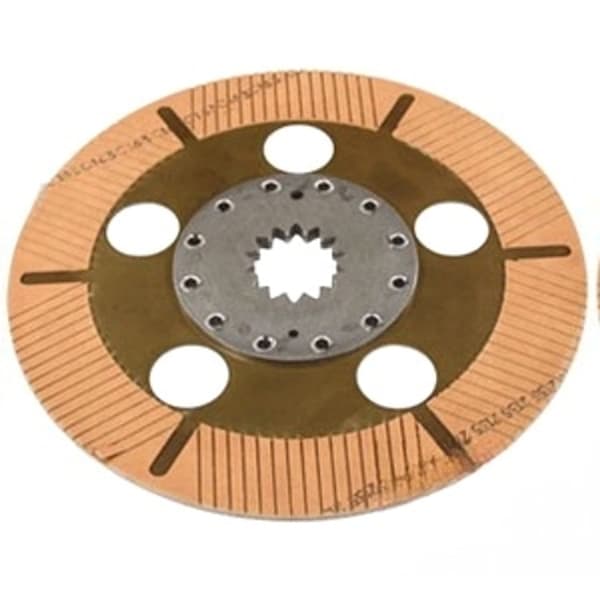
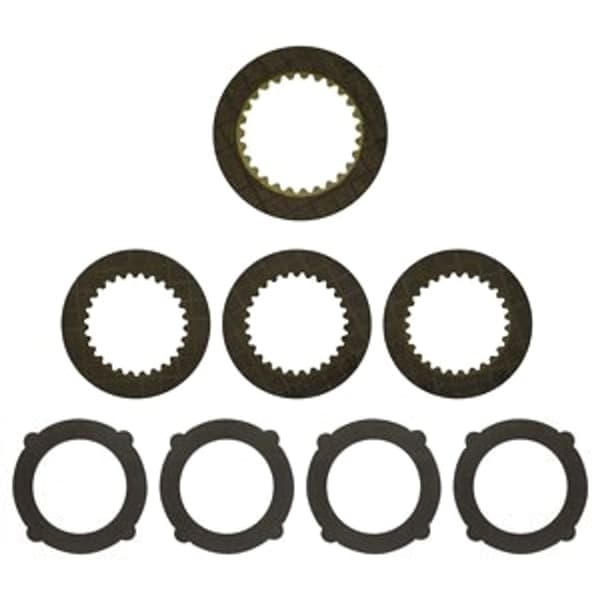
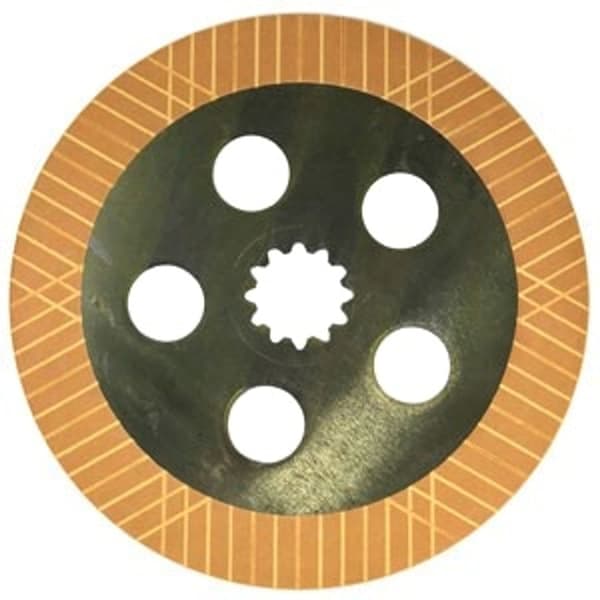
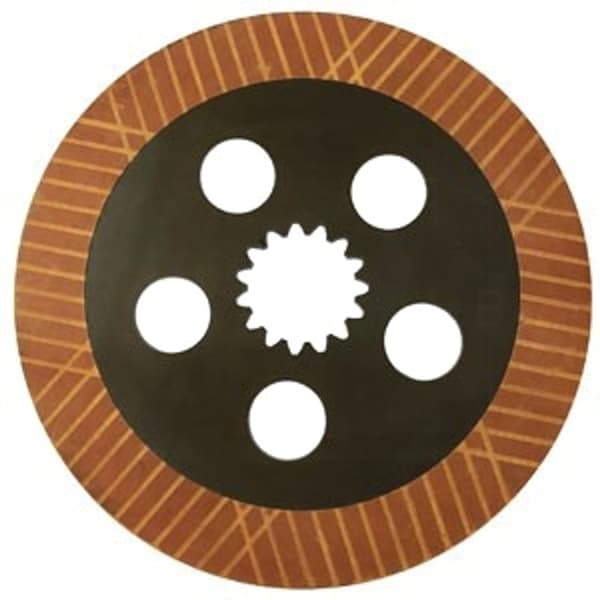
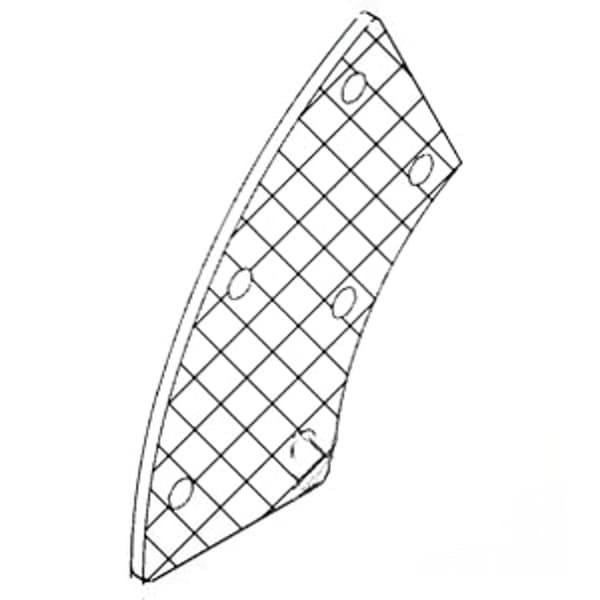
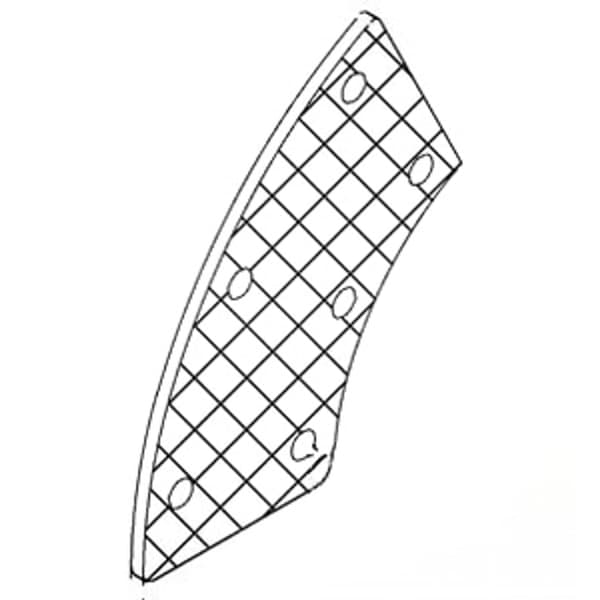
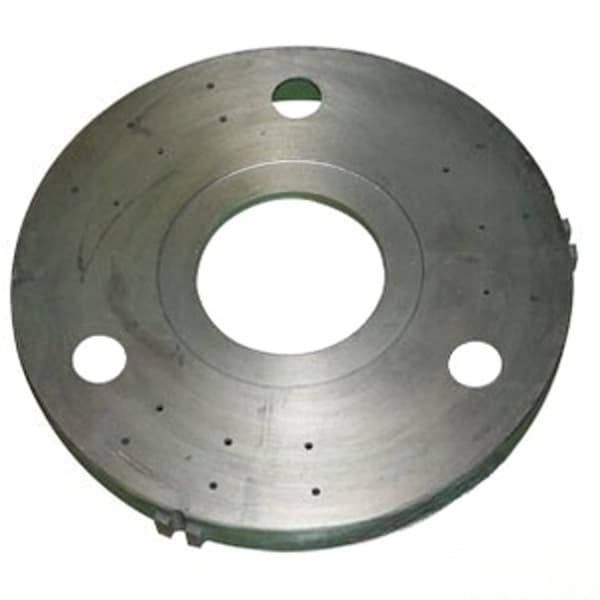
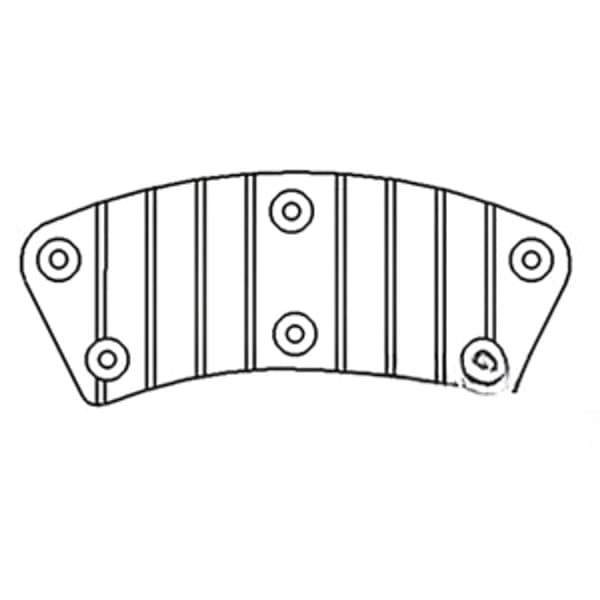
🔍 Looking for a specific part? Try our AI Part Finder — tell it your equipment and what you need, and it will find matching parts instantly.
This guide will help you understand the differences between disc and drum brake systems in John Deere tractors, common problems how to find the right replacement parts.
Disc Brakes: Modern Stopping Power
Disc brakes are commonly found on newer John Deere tractors, typically from the 1970s onwards, although some earlier models might have used them too. They offer several advantages over drum brakes, including better heat dissipation and more consistent braking performance, especially in wet or muddy conditions.
How Disc Brakes Work
Disc brakes utilize a rotor (the disc) that rotates with the wheel. When you apply the brakes, hydraulic pressure forces brake pads against the rotor, creating friction and slowing the tractor down. Because the rotor is exposed to the air, heat generated by friction is quickly dissipated.
Common Disc Brake Issues
- Worn Brake Pads This is the most common issue. Look for reduced braking power or a grinding noise. Inspect pad thickness regularly. Madison Tractor carries a range of John Deere brake pads, including fiber and metallic options.
- Leaking Calipers Leaks indicate a problem with the caliper seals. This results in loss of hydraulic pressure and reduced braking. Repair or replacement of the caliper is necessary.
- Damaged Rotors Scratches or warpage on the rotor surface can reduce braking efficiency. Rotors can sometimes be resurfaced, but replacement is often the best option.
- Air in the Hydraulic System Air can compress, reducing braking effectiveness. Bleeding the brakes is necessary to remove air from the system.
Troubleshooting Disc Brakes
- Check Brake Fluid Level Low fluid can indicate a leak in the system.
- Inspect Brake Pads Look for wear or damage. Replace if necessary.
- Bleed the Brakes This removes air from the hydraulic lines. Consult your tractor's service manual for the proper procedure.
- Inspect Calipers Check for leaks and proper operation.
- Examine Rotors Look for damage or warpage.
Safety Warning Always block the wheels before working on the braking system. Relieve hydraulic pressure before disconnecting any brake lines. Wear safety glasses.
Drum Brakes: A Classic Design
Drum brakes were commonly used on older John Deere tractors, such as the Two-Cylinder series (e.g., John Deere A, B, G) and early numbered series models (e.g., John Deere 4020, 3020). While less common on newer tractors, they're still found on many working farms today.
How Drum Brakes Work
Drum brakes consist of a rotating drum attached to the wheel. Inside the drum are brake shoes lined with friction material. When you apply the brakes, hydraulic pressure forces the shoes outward against the inside of the drum, creating friction and slowing the tractor.
Common Drum Brake Issues
- Worn Brake Shoes Similar to disc brake pads, the friction material on the brake shoes wears down over time. This results in reduced braking power.
- Contamination Dirt, grease, or oil can contaminate the brake shoes and drum, reducing friction and causing brake fade.
- Sticking Actuation The mechanical linkages or hydraulic cylinders that actuate the brake shoes can become stuck or corroded.
- Out-of-Round Drums Over time, the drums can become worn or warped, leading to uneven braking.
Troubleshooting Drum Brakes
- Listen for Unusual Noises Squealing or grinding noises can indicate worn or contaminated brake shoes.
- Check for Dragging Brakes If the brakes are dragging, it can cause overheating and reduced fuel efficiency.
- Inspect Brake Shoes Remove the drums and inspect the brake shoes for wear or contamination.
- Clean Brake Components Use brake cleaner to remove dirt, grease, or oil from the drums and shoes.
- Lubricate Linkages Lubricate the mechanical linkages to ensure smooth operation.
Torque Specifications When reassembling drum brakes, consult your tractor's service manual for the correct torque specifications for the drum retaining bolts. Overtightening can damage the drum.
Finding the Right Brake Parts
When replacing John Deere tractor brake parts, it's essential to use high-quality components that are designed for your specific tractor model. Madison Tractor Company offers a wide selection of brake pads (including fiber and metallic types), shoes, calipers, rotors, drums and other brake-related parts for John Deere tractors and other major brands, including
- John Deere
- Case IH
- Ford/New Holland
- Massey Ferguson
- Kubota
- Allis Chalmers
- Deutz
- International Harvester
- Oliver
- White
When ordering parts, it's helpful to have your tractor's model number and serial number handy. This will help ensure that you receive the correct parts for your machine. You may also need OEM part numbers or cross-reference numbers to verify compatibility. For example, if you're working on a John Deere 4020 with drum brakes, you might need to replace the brake shoes, which might have an OEM part number like.
Madison Tractor also carries a full line of related parts, including radiators, water pumps, starters, hydraulic pumps, John Deere tractor clutch kits, PTO shafts, fuel pumps, filters, gaskets, bearingsseals, plus many other parts for your John Deere tractor.
Maintaining Your Tractor's Brakes
Regular maintenance is crucial for keeping your tractor's brakes in top condition. Here are a few tips
- Inspect Brakes Regularly Check the brake pads or shoes for wear and damage.
- Maintain Proper Fluid Levels Keep the brake fluid reservoir filled to the correct level. Use the manufacturer-recommended fluid.
- Bleed the Brakes Periodically This removes air from the hydraulic system.
- Lubricate Linkages Keep the mechanical linkages lubricated to ensure smooth operation.
- Address Problems Promptly Don't ignore brake problems. Address them as soon as possible to prevent further damage and ensure safety.
Remember to consult your tractor's service manual for specific maintenance recommendations.
Proper brake maintenance is crucial, but so is maintaining the rest of your tractor's drivetrain. Be sure to check out our other articles on John Deere tractor clutch kits, tractor PTO clutchestractor throw out bearings for a complete picture of your tractor's powertrain.
Shop John Deere Tractor Brakes at Madison Tractor
Madison Tractor Company is your trusted source for John Deere tractor brake parts and other agricultural equipment components. We offer a wide selection of high-quality parts at competitive prices, with fast shipping and expert customer service. Browse our online catalog today and find the parts you need to keep your tractor running smoothly!
🔍 Can't Find Your Part?
Use our AI-Powered Part Finder to search by your equipment's make, model, and what you need. It's the fastest way to find the exact part for your machine.
Try the Part Finder →Part of our comprehensive guide
Tractor Clutch Replacement Guide: Kits, Adjustment & Installation