








Tractor Clutch Adjustment: Free Play & Linkage Setup
Proper tractor clutch adjustment is crucial for smooth operation and extending the life of your clutch. This guide covers adjusting clutch free play and linkage, ensuring your tractor shifts and operates correctly.
Introduction to Tractor Clutch Adjustment
A properly adjusted tractor clutch is essential for smooth operation, efficient power transfer, and preventing premature wear. Many clutch problems, like hard shifting or slippage, stem from incorrect adjustment. Whether you have a vintage Ford tractor or a modern John Deere, understanding the fundamentals of tractor clutch adjustment, focusing on free play and linkage setup, can save you time and money.
Recommended Parts for This Guide
2 parts we recommend — in stock, ships fast, one-click add to cart.
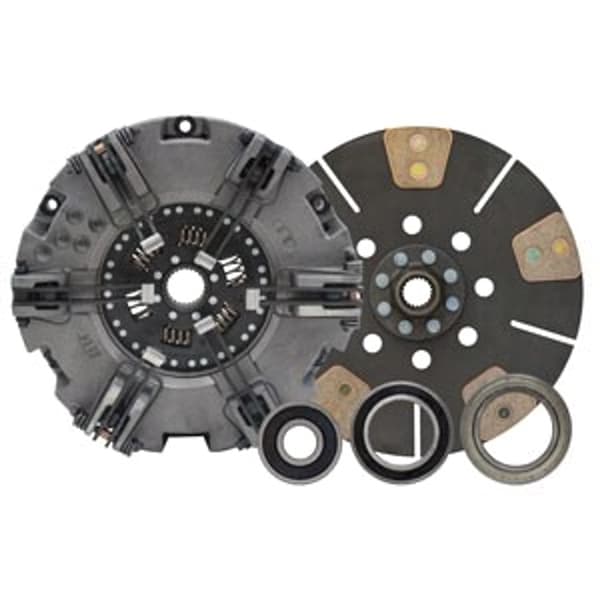
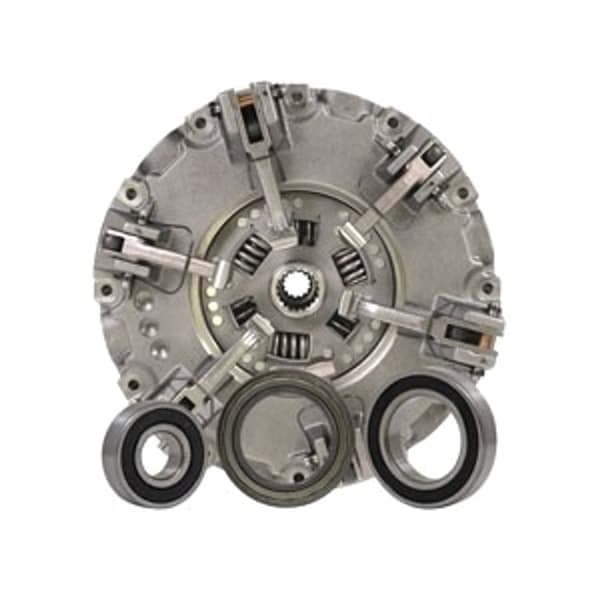
🔍 Looking for a specific part? Try our AI Part Finder — tell it your equipment and what you need, and it will find matching parts instantly.
This guide will cover the basics of adjusting your tractor clutch, common issues, and practical steps to get it right. We'll cover free play adjustment and linkage setup so you can maintain optimal clutch performance. Remember that some adjustments may require specific tools or expertise; if you're unsure, consult a qualified mechanic. At Madison Tractor Company, we understand the importance of keeping your farm equipment running smoothly. We stock a wide variety of tractor parts for all major brands, including John Deere, Case IH, Ford, New Holland, Massey Ferguson, Kubota, Allis Chalmers, Deutz, International Harvester, Oliver, White, Gleaner, Vermeer, Hesston, Mahindra, and Zetor. From radiators and water pumps to starters, hydraulic pumps, and complete clutch kits, we have the parts you need.
Understanding Clutch Free Play
Clutch free play refers to the amount of travel in the clutch pedal before the throw out bearing (release bearing) contacts the clutch pressure plate fingers. This play is critical; without it, the throw out bearing will constantly be in contact with the pressure plate, leading to rapid wear and potential clutch slippage. Too much free play, on the other hand, can prevent the clutch from fully disengaging, causing hard shifting and potential damage to the transmission.
Why Free Play Matters
- Prevents Slippage: Ensures the clutch fully engages, maximizing power transfer.
- Extends Clutch Life: Prevents premature wear of the throw out bearing and pressure plate.
- Ensures Smooth Shifting: Allows the clutch to fully disengage, preventing gear grinding.
Measuring Clutch Free Play
Free play is typically measured at the clutch pedal. Consult your tractor's service manual for the specific free play specification for your model. Here's a general procedure:
- Locate the Clutch Pedal: Find the clutch pedal in the tractor cab.
- Measure Pedal Travel: Using a ruler or measuring tape, measure the distance the pedal travels from its resting position until you feel resistance. This resistance indicates that the throw out bearing is contacting the pressure plate.
- Compare to Specification: Compare the measured free play to the manufacturer's specification in your tractor's service manual. For example, some older John Deere models might specify 1-1.5 inches of free play, while a Ford 8N might require slightly different settings.
Adjusting Clutch Linkage
The clutch linkage connects the clutch pedal to the clutch fork, which moves the throw out bearing. Proper linkage adjustment ensures the correct amount of free play and allows for full clutch disengagement. Linkage typically consists of rods, clevis pins, and adjustable yokes or turnbuckles.
Types of Clutch Linkage
- Mechanical Linkage: The most common type, using rods and levers to transmit motion.
- Hydraulic Linkage: Uses a master cylinder and slave cylinder to transmit motion hydraulically. Common on larger, newer tractors.
- Cable Linkage: Less common on tractors, but may be found on some smaller models.
Step-by-Step Linkage Adjustment
- Locate Adjustment Points: Identify the adjustable yokes or turnbuckles in the clutch linkage. These are usually located on the rods connecting the clutch pedal to the clutch fork.
- Loosen Lock Nuts: Loosen the lock nuts securing the adjustable components.
- Adjust Linkage Length: Lengthening the linkage increases free play, while shortening it decreases free play. Make small adjustments and re-measure the free play at the clutch pedal after each adjustment.
- Tighten Lock Nuts: Once the correct free play is achieved, tighten the lock nuts to secure the adjustment.
- Test Operation: Start the tractor and test the clutch operation. Ensure the tractor shifts smoothly and that the clutch fully disengages.
Specific Examples and Tips
- Ford Tractors (8N, 9N, NAA): These tractors often have an adjustable clevis at the end of the clutch rod. Loosen the lock nut and rotate the clevis to adjust free play.
- John Deere Tractors (e.g., 4020, 3020): Check for wear in the linkage pivot points. Worn pins or bushings can affect clutch operation. Replace worn parts as needed. Use John Deere OEM parts where possible.
- Case IH / Farmall Tractors: Some models may require adjusting the clutch release fingers within the clutch housing. This is a more complex procedure and should be performed by a qualified mechanic. We carry Case IH clutch kits that include the necessary components for a complete overhaul.
- Dual-Stage Clutches: Tractors with dual-stage clutches, such as those used on some Massey Ferguson models, require careful adjustment of both the PTO and transmission clutch linkage. Refer to the service manual for specific procedures. A new Massey Ferguson clutch kit is a good place to start.
Common Clutch Problems and Solutions
- Clutch Slippage: Often caused by insufficient free play or a worn clutch disc. Adjust the linkage to increase free play. If slippage persists, the clutch disc likely needs replacement.
- Hard Shifting: Can be caused by too much free play, preventing full clutch disengagement. Decrease free play by adjusting the linkage. Check for worn linkage components and replace if necessary.
- Clutch Chatter: May be caused by worn or contaminated clutch disc or a warped pressure plate. Replacement of the clutch disc and pressure plate is usually required.
- Throw Out Bearing Noise: Indicates a worn or damaged throw out bearing. Replace the bearing as soon as possible to prevent further damage. See our guide to throw out bearing replacement.
Safety Precautions
Warning: Always disconnect the battery before working on the electrical system. Ensure the tractor is parked on a level surface and the parking brake is engaged. Use jack stands to support the tractor if you need to work underneath it. Be cautious when working around moving parts. Wear appropriate safety gear, including eye protection and gloves.
Torque Specifications & Fluids
Always consult your tractor's service manual for specific torque specifications for clutch linkage components. Using the correct torque ensures proper clamping force and prevents loosening or damage. When replacing hydraulic components, use the correct type of hydraulic fluid as specified by the manufacturer. For example, many older Ford tractors require a specific type of hydraulic oil meeting the M2C134-D specification.
Beyond the Clutch: Other Essential Tractor Parts
While addressing your tractor's clutch, it's wise to inspect other critical components. Regular maintenance and timely replacement of worn parts can prevent costly breakdowns. Consider checking the condition of your fuel pump, carburetor (if applicable), injectors (for diesel engines), filters (air, oil, fuel, hydraulic), gaskets, pistons, bearings, seals, belts, and PTO shaft. For combines, check chains, concaves, and sickle sections.
Shop Tractor Parts at Madison Tractor Company
Proper tractor clutch adjustment is vital for the long-term health and performance of your machine. By understanding the principles of free play and linkage setup, you can keep your tractor shifting smoothly and avoid costly repairs. Madison Tractor Company is your trusted source for high-quality tractor parts. We carry a wide selection of Kubota clutch kits, PTO clutch parts, and components for all major brands. Browse our extensive catalog online or contact our knowledgeable team for assistance in finding the right parts for your tractor. Keep your farm equipment running strong with Madison Tractor Company! You can also use our AI-Powered Part Finder to search for parts by your specific make and model.
Part of our comprehensive guide
Tractor Clutch Replacement Guide: Kits, Adjustment & Installation