








Wrapped vs. Cogged V-Belts: Differences, Uses & Selection
Learn the construction and selection differences between wrapped and cogged V-belts, including AX/BX/CX markings and when a substitution needs drive-spec approval.
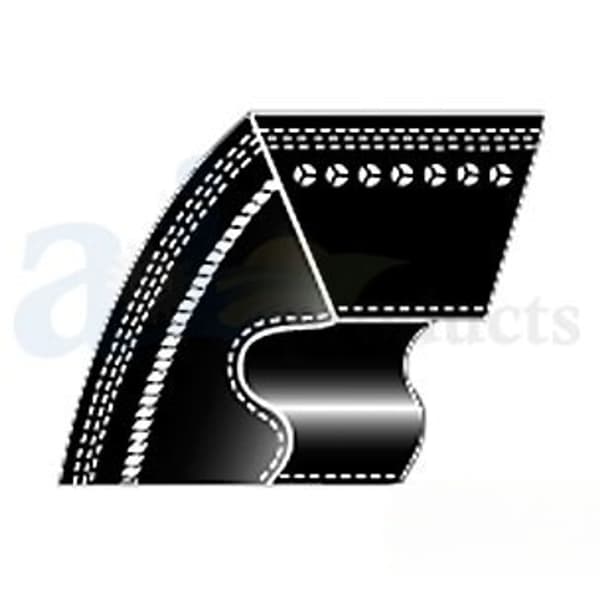
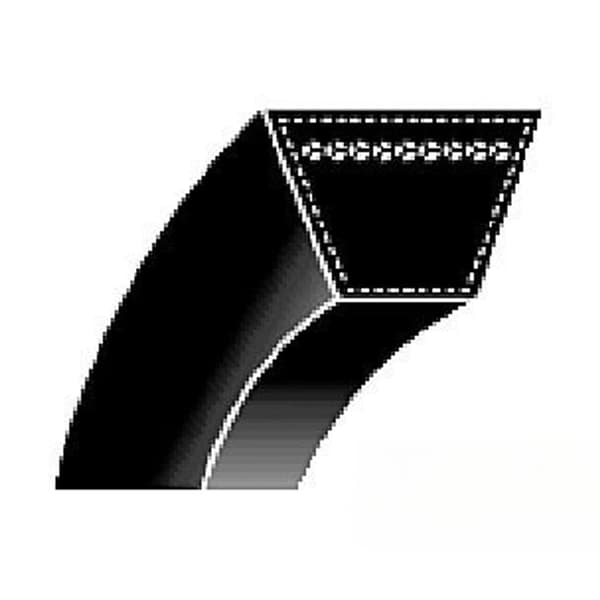
Wrapped and cogged V-belts both transmit power through the sides of a trapezoidal belt wedged into a matching sheave. Their construction differs: a wrapped belt has a fabric cover around its body, while a cogged belt has molded notches on its inner surface. The right choice depends on the original drive design, pulley diameter, speed and operating conditions—not on the word “cogged” alone.
What is a wrapped V-belt?
A wrapped V-belt is enclosed in a textile cover. Classical sections such as A, B and C are common in general-purpose drives, and fractional-horsepower or narrow-wedge families use their own corresponding profiles. The cover protects the belt body and provides a durable running surface. Start with the specified section and length, such as stocked A40 or B120.
What is a cogged V-belt?
A cogged belt has transverse notches molded into its inner face. The notches let the belt flex around the pulley; they are not teeth that mesh with a toothed sprocket. Cogged families include AX/BX/CX and narrow-wedge 3VX/5VX profiles. A stocked AX60 is an example of a cogged classical A-section belt.
Wrapped vs. cogged V-belt comparison
| Feature | Wrapped | Cogged |
|---|---|---|
| Inner face | Covered/smooth profile | Notched for added flexibility |
| Typical marking | A, B, C, 3V, 5V and other series | AX, BX, CX, 3VX, 5VX |
| Selection priority | Match section, length and original drive specification | Match the corresponding section, length and sheave; verify the drive allows cogged construction |
Can you replace a wrapped belt with a cogged belt?
Only when the equipment maker or drive specification permits it. A cogged belt with a familiar letter may still differ in construction and length basis from the original. Never substitute by approximate width or a similar-looking profile. Verify the pulley groove, belt code, length basis, speed and required belt set. For multiple-belt drives, use a properly matched set where the equipment calls for one.
Check the drive before installing a new belt
Inspect for glazed sheave walls, misalignment, damaged grooves, rough bearings and excess tension. A cogged belt will not fix a seized idler or a pulley that does not match its profile. Repeated slip or heat can result from incorrect tension, contamination or an overloaded drive.
Shop wrapped and cogged belts
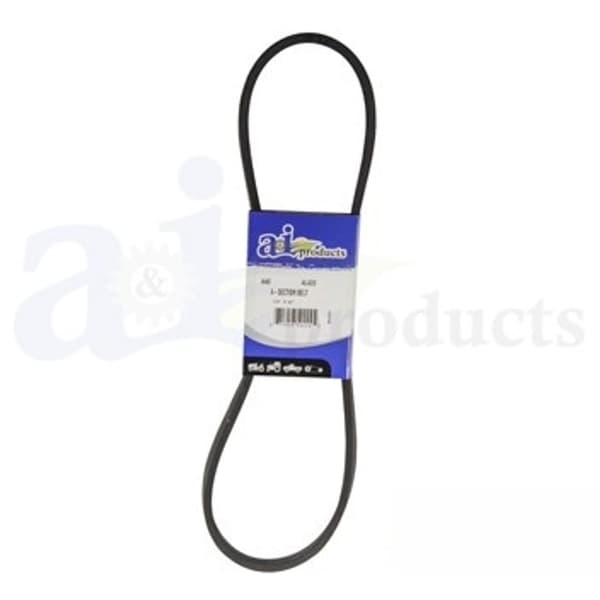
Browse wrapped A-section belts and AX cogged belts, or see the full Industrial Belts catalog.
Recommended Parts for This Guide
3 parts we recommend — in stock, ships fast, one-click add to cart.
Wrapped and cogged belt FAQs
Do the cogs engage pulley teeth?
No. V-belt notches are on the inner face to help the belt flex; power is still transmitted through the V-shaped sidewalls in a matching sheave.
Is a cogged belt always better?
No. The belt construction must match the drive specification. Correct section, length, sheave condition and tension matter more than choosing a belt because it is cogged.
Part of our comprehensive guide
Industrial Belt Selection Guide: Types, Sizes & Applications