








Double-V Belts: Hexagonal Profiles, Uses & Sizing
Understand double-V/hexagonal belts, AA and BB sections, two-sided drive routing, inspection and replacement sizing.
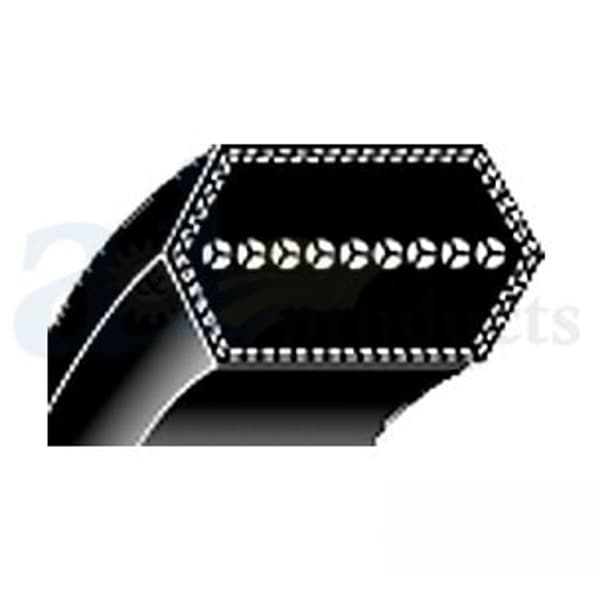
A double-V belt—also called a hexagonal belt—has a V-shaped profile on both its top and bottom faces. It is designed for drives where pulleys or idlers contact both sides of the belt, such as certain serpentine or multi-pulley arrangements. A double-angle belt is not interchangeable with a single-sided classical V-belt.
How a double-V belt works
Both angled faces can transmit power, allowing the drive to bend around pulleys in different directions while keeping the belt engaged. Each face must contact a sheave designed for the corresponding double-angle section. The belt’s profile, length and routing all matter.
AA, BB and other profile markings
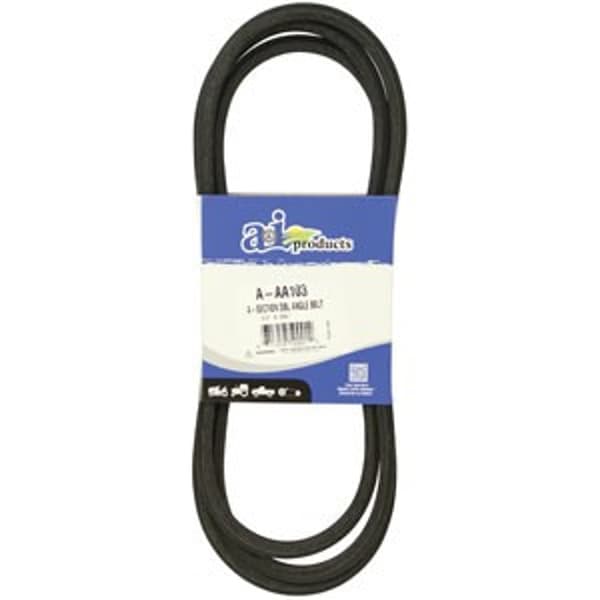
Double-angle families use section codes such as AA, BB and CC. Match the code to the machine specification and pulley grooves. The section code describes the cross-section, not the belt length; use the full part number to identify the size. A stocked example is AA184.
Inspect before replacing
- Photograph the belt route before removal.
- Check both belt faces for glazing, cracking, exposed cords or uneven wear.
- Inspect every pulley and idler that contacts either face.
- Verify the section and length from the original marking or equipment documentation.
- Set tension using the manufacturer’s procedure.
Do not flip a standard V-belt or use two single-sided belts as a substitute. The double-angle profile and routing are part of the drive design.
Shop double-angle belts
Browse AA-section double-angle belts, BB-section belts and the full Industrial Belts catalog.
Recommended Parts for This Guide
2 parts we recommend — in stock, ships fast, one-click add to cart.
Double-V belt FAQs
Is a double-V belt the same as a double-sided timing belt?
No. A double-V belt transfers power through angled V faces in matching sheaves. A toothed synchronous belt uses teeth and matching sprockets.
Can I identify the size by measuring the outside of the belt?
That measurement is only a rough check. Confirm the exact section and length designation from the belt marking or drive documentation.
Part of our comprehensive guide
Industrial Belt Selection Guide: Types, Sizes & Applications