








Disc Mower Gear: Cutterbar Gears & Drive Components
Your disc mower relies on a complex system of gears and drive components to efficiently cut hay. This guide explains the function of each part, common failure points, and how to find the right replacements for your machine.
Introduction to Disc Mower Gears and Drive Components
Disc mowers are indispensable tools for modern hay production, known for their speed and efficiency in cutting through various forage types. At the heart of this efficiency lies a complex system of gears and drive components. These parts work together to transfer power from the tractor's PTO to the individual cutting discs, ensuring a clean and consistent cut. Understanding the function of these components, common failure points, and how to properly maintain them is critical for maximizing the lifespan and performance of your disc mower.
Recommended Parts for This Guide
9 parts we recommend — in stock, ships fast, one-click add to cart.
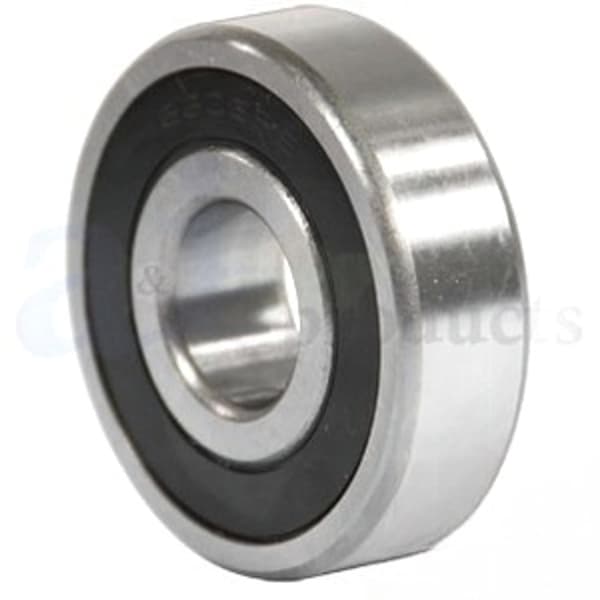
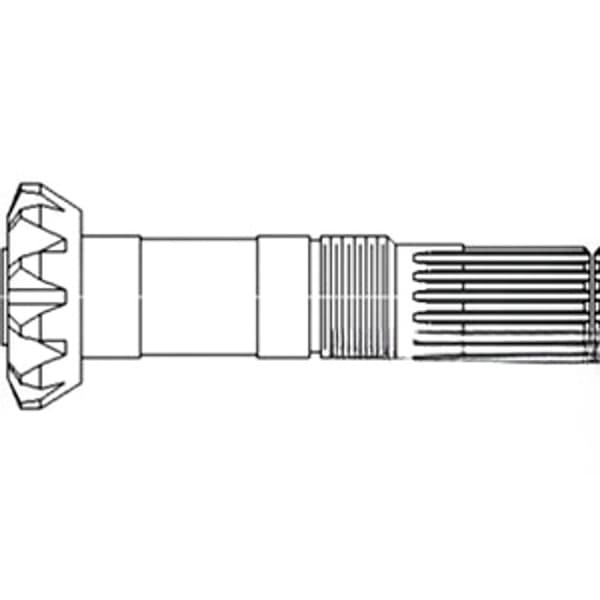
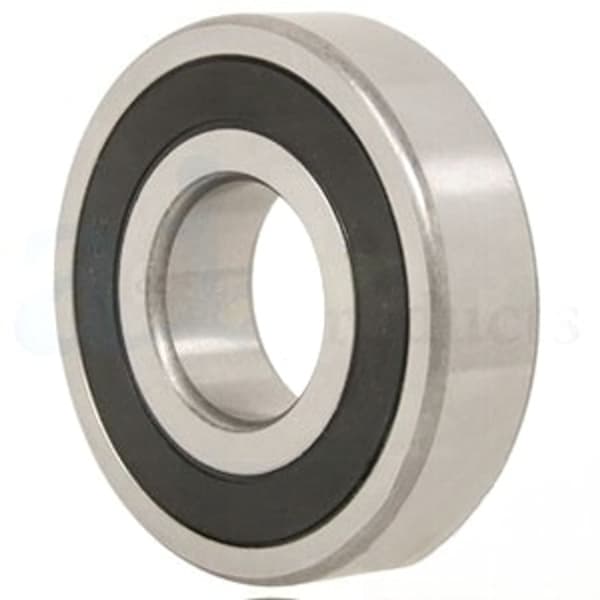
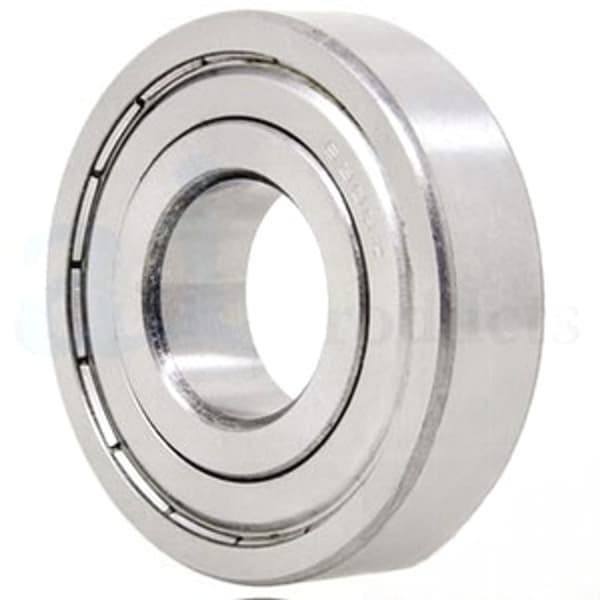
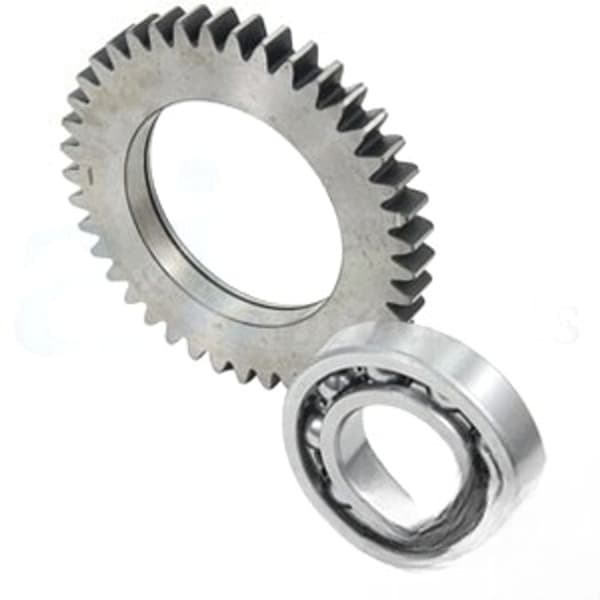
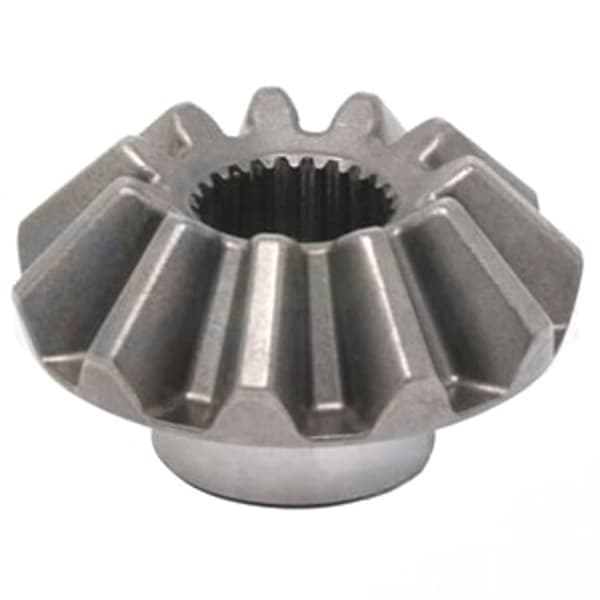
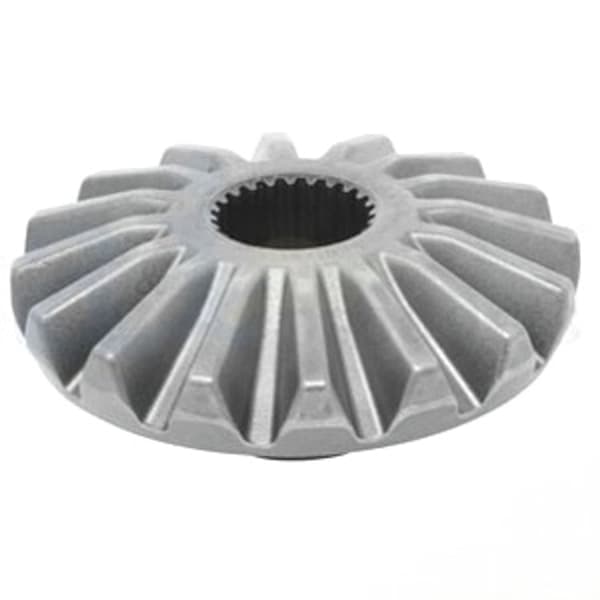
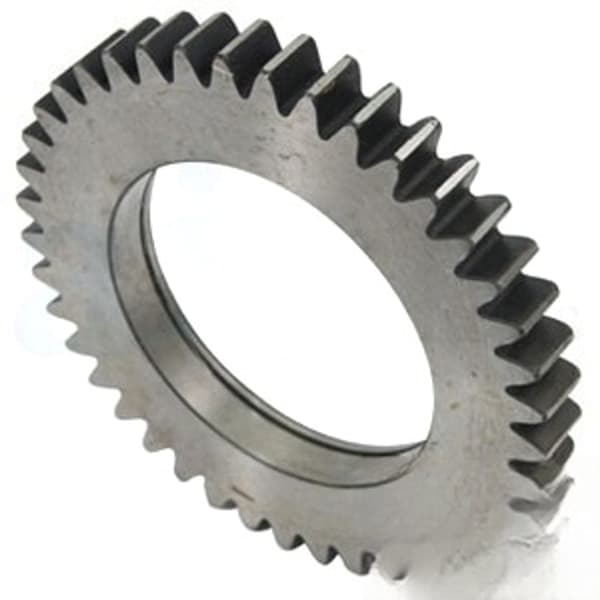
🔍 Looking for a specific part? Try our AI Part Finder — tell it your equipment and what you need, and it will find matching parts instantly.
This article will delve into the essential disc mower gear and drive components, offering practical advice for maintenance, troubleshooting, and sourcing reliable replacement parts for brands like John Deere, New Holland, Case IH, and more. Remember that proper maintenance and timely replacement of worn parts are key to avoiding costly downtime and ensuring a successful hay season.
Key Disc Mower Components and Their Functions
Let's examine the main parts responsible for moving power to those blades:
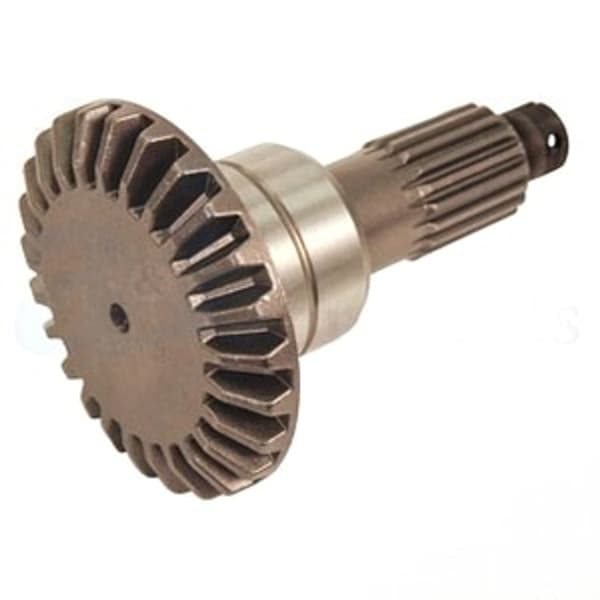
- Main Gearbox: This is the heart of the mower, receiving power directly from the tractor's PTO shaft, often through a gearbox input shaft. It contains a series of gears, including a shaft and bevel gear assembly, that reduce the input speed and increase torque, transferring power to the cutterbar drive.
- Cutterbar Drive Shaft: This shaft transmits power from the main gearbox to the individual disc modules along the cutterbar. It's typically a splined shaft designed to withstand significant torsional stress.
- Disc Modules (Gearbeds): Each cutting disc is driven by its own gear module, often referred to as a gearbed. These modules contain a set of Bevel Gears that rotate the disc at the optimal cutting speed.
- Bevel Gears: These gears are responsible for transferring power at a 90-degree angle within the disc modules. They are typically made of hardened steel to withstand the high loads and abrasive conditions. Other gears like idler gears may also be present to facilitate power transfer.
- Drive Belts (where applicable): Some disc mower models, particularly older ones, use belts to transfer power between the main gearbox and the cutterbar. These belts are subject to wear and tear and require regular inspection and replacement.
- Safety Devices: Many mowers include slip clutches or shear pins to protect the drive train from damage in case of obstructions.
Common Failure Points and Troubleshooting
Identifying potential issues early can save time and money in the long run. Here are some common problems and how to address them:
- Gearbox Overheating: This is often caused by low oil levels, contaminated oil, or worn bearings. Regularly check the gearbox oil level and condition, and change the oil according to the manufacturer's recommendations. For example, many John Deere mowers specify a GL-5 gear oil with an API classification of MT-1. If overheating persists, inspect the bearings for wear and replace them as needed.
- Noisy Operation: Unusual noises, such as grinding or clicking, often indicate worn or damaged gears within the disc modules or main gearbox. Disassemble the affected component and inspect the gears for chipped teeth, pitting, or excessive wear. Refer to your service manual for torque specifications when reassembling (e.g., tightening bevel gear bolts to 60-70 ft-lbs).
- Uneven Cutting: This can be caused by worn or damaged disc modules, bent or broken cutterbar components, or improperly adjusted cutting height. Inspect the disc modules for play or wobble, and replace them if necessary. Check the cutterbar for damage and repair or replace any bent or broken components.
- Drive Belt Slippage: If your mower uses belts, check them regularly for wear, cracks, and proper tension. Replace worn belts with high-quality replacements that meet the manufacturer's specifications. Tension the belts according to the service manual (e.g., deflection should be 1/2" under moderate thumb pressure).
- PTO Shaft Issues: Ensure the PTO shaft is properly lubricated and functioning smoothly. Check for worn U-joints or damaged shielding. Replace PTO parts as needed.
Safety Warning: Always disengage the PTO and shut off the tractor engine before performing any maintenance or repairs on the disc mower.
Preventive Maintenance for Disc Mower Longevity
Regular maintenance is key to extending the life of your disc mower and preventing costly repairs. Consider these steps:
- Regular Lubrication: Grease all lubrication points according to the manufacturer's recommendations. This includes bearings, U-joints, and other moving parts. Use a high-quality grease specifically designed for agricultural equipment.
- Oil Changes: Change the gearbox oil and disc module oil at the intervals specified in the operator's manual. This helps to remove contaminants and keep the gears properly lubricated.
- Inspect for Leaks: Regularly inspect the gearboxes and disc modules for oil leaks. Address any leaks promptly to prevent further damage. Check seals and gaskets and replace as needed.
- Check Fasteners: Ensure all bolts and nuts are properly tightened. Loose fasteners can cause excessive wear and damage. Refer to your service manual for specific torque specifications.
- Inspect Cutting Discs: Check the cutting discs for damage, wear, and sharpness. Replace worn or damaged discs as needed.
- Store Properly: When not in use, store the disc mower in a dry, sheltered location to protect it from the elements.
Finding the Right Disc Mower Gear and Parts
When it comes time to replace worn or damaged parts, choosing the right replacements is critical. Madison Tractor Company carries a wide selection of disc mower parts for all major brands, including John Deere, New Holland, Case IH, Ford, Massey Ferguson, Kubota, Allis Chalmers, Deutz, International Harvester, Oliver, White, Gleaner, Vermeer, Hesston, Mahindra, and Zetor.
To find the correct parts for your specific disc mower model, you will typically need to know the make, model, and year of your machine. For example, a John Deere 630 disc mower might require a specific bevel gear set for the disc modules. Similarly, a New Holland 617 disc mower might need a replacement cutterbar drive shaft (cross-reference number 87654321).
Consider these points when choosing replacement parts:
- OEM vs. Aftermarket: Original Equipment Manufacturer (OEM) parts are made by the same manufacturer as the original parts, ensuring a perfect fit and optimal performance. Aftermarket parts can be a more affordable alternative, but it's important to choose reputable brands that meet or exceed OEM specifications.
- Quality of Materials: Look for parts made from high-quality materials that are designed to withstand the rigors of agricultural use. For example, gears should be made from hardened steel, and belts should be made from durable rubber compounds.
- Proper Fit: Ensure that the replacement parts are compatible with your specific disc mower model. Refer to your operator's manual or consult with a qualified mechanic to verify compatibility.
- Consider Related Parts: When replacing gears or other drive components, consider replacing related parts at the same time. This can help to prevent premature failure of the new parts and save you time and money in the long run. For example, when replacing a bevel gear in a disc module, it's often a good idea to replace the bearings and seals as well.
Remember to consult other articles in our hay and forage equipment section like Round Baler Belts: Replacement Belts by Brand & Model, Baler Pickup Teeth: Tine Replacement & Spring Teeth and Baler Twine: Sisal, Plastic & Net Wrap Comparison. Maintaining your disc mower, baler, and other haying equipment is crucial for a successful harvest.
Safety Precautions When Working on Disc Mowers
Working on agricultural machinery can be dangerous. Always follow these safety precautions:
- Disconnect the PTO: Before performing any maintenance or repairs, always disconnect the PTO shaft from the tractor and ensure that the tractor engine is shut off.
- Use Proper Tools: Use the correct tools for the job and follow all safety instructions.
- Wear Safety Glasses: Wear safety glasses to protect your eyes from debris.
- Wear Gloves: Wear gloves to protect your hands from cuts and abrasions.
- Work in a Safe Area: Work in a well-lit and well-ventilated area.
- Consult the Manual: Always refer to the operator's manual for specific safety instructions and maintenance procedures.
Ignoring safety precautions can result in serious injury or death.
Conclusion
By understanding the function of disc mower gear and drive components, performing regular maintenance, and addressing problems promptly, you can keep your disc mower running smoothly and efficiently for years to come. Knowing when to replace parts like disc mower gears is crucial. Remember to always prioritize safety and consult with a qualified mechanic if you have any questions or concerns.
Madison Tractor Company is your trusted source for high-quality disc mower parts and expert advice. Browse our extensive selection of agricultural parts and keep your equipment running at its best! We stock parts like radiators, water pumps, starters, alternators, hydraulic pumps, cylinders, clutch kits, PTO parts, fuel pumps, carburetors, injectors, filters, gaskets, pistons, bearings, seals, belts, chains, concaves, and sickle sections. You can also use our AI-Powered Part Finder to search for parts by your specific make and model.
Part of our comprehensive guide
Hay Equipment Parts Guide: Baler, Mower & Rake Replacement Parts