








Square Baler Needle: Eye & Twine Needle Replacement
Square baler needles are crucial for reliable hay baling. This guide covers their function, inspection, replacement procedures, and maintenance tips to keep your baler running smoothly and prevent costly downtime.
Understanding Square Baler Needles
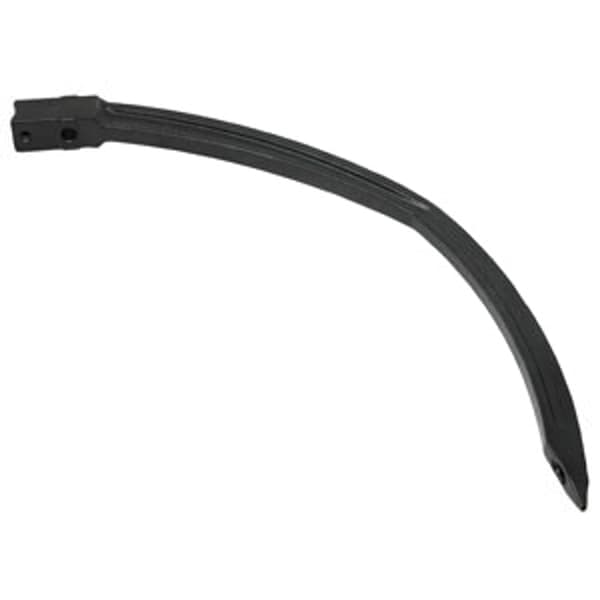
The baler needle is a critical component in the operation of a square baler. Its primary function is to guide the twine or wire through the bale chamber and knotter mechanism, ensuring a secure and well-formed bale. Without properly functioning needles, the baler simply cannot create a tied bale. When a baler needle fails, it can stop production and cause frustrating downtime in the field. At Madison Tractor, we understand how important it is to have your equipment running reliably, so we offer a wide selection of replacement needles for most major brands including John Deere, New Holland, Case IH, Massey Ferguson others.
Recommended Parts for This Guide
1 part we recommend — in stock, ships fast, one-click add to cart.
🔍 Looking for a specific part? Try our AI Part Finder — tell it your equipment and what you need, and it will find matching parts instantly.
How the Baler Needle Works
As the plunger compresses the hay or straw in the bale chamber, the needle moves upward, passing the twine or wire through the chamber. The twine is then caught by the knotter mechanism (see Baler Knotter Parts: Bills, Discs & Twine Fingers), which ties the knot and secures the bale. The needle retracts the process repeats for the next bale. Precise timing and alignment are essential for this process to work correctly.
Common Causes of Baler Needle Failure
Several factors can contribute to baler needle failure. Understanding these causes can help you prevent problems and extend the life of your needles.
- Impact with Obstructions The most common cause of damage is striking an obstruction in the bale chamber, such as a rock, piece of wood, or excessive buildup of crop material. This can bend or break the needle.
- Improper Timing If the timing between the plunger and the needle is off, the needle may collide with the plunger, resulting in damage.
- Worn Components Over time, other components in the baler, such as the knotter drive or needle actuator arms, can wear down, leading to misalignment and increased stress on the needles.
- Corrosion and Rust Exposure to moisture and the elements can cause corrosion and rust, weakening the needle material.
- Incorrect Twine or Wire Using the wrong type or size of baler twine or wire can put excessive strain on the needles and knotters.
Inspecting Your Baler Needles
Regular inspection of your baler needles is crucial for preventing breakdowns. Here's what to look for
- Visual Inspection Check for any signs of bending, cracking, or excessive wear. Pay close attention to the eye of the needle, where the twine or wire passes through.
- Alignment Ensure that the needles are properly aligned with the knotter mechanism and the bale chamber. Misalignment can cause the needles to rub against other components, leading to premature wear or breakage.
- Surface Condition Look for signs of rust or corrosion. Clean and lubricate the needles regularly to prevent these issues.
- Mounting Points Inspect the mounting points of the needles to ensure they are secure and not damaged.
Replacing a Baler Needle: A Step-by-Step Guide
Replacing a baler needle typically requires some mechanical aptitude, but it's a task most farmers can handle themselves. Always consult your baler's operator manual for specific instructions and safety precautions. These instructions are general and may vary slightly depending on your specific baler model.
Safety First Before starting any repair work, disengage the PTO, turn off the tractor remove the key. Allow the baler to come to a complete stop and engage any safety locks or supports. Never work on a baler with the engine running or the PTO engaged.
- Gather Your Tools You'll typically need a set of wrenches, sockets, pliers, a hammer, penetrating oil a new baler needle. Consult your operator's manual for specific tool sizes.
- Access the Needles Depending on the baler model, you may need to remove some shields or panels to access the needles. Refer to your manual for specific instructions.
- Disconnect the Twine or Wire Remove any twine or wire that is currently threaded through the damaged needle.
- Loosen and Remove the Old Needle Locate the bolts or pins that secure the needle to the needle bar or arm. Apply penetrating oil if necessary to loosen any rusted fasteners. Carefully remove the fasteners and slide the old needle out. Note the orientation of the needle for proper reinstallation. Some needles may require tapping with a hammer to remove, especially if they are bent or corroded.
- Install the New Needle Align the new needle with the mounting points and slide it into place. Ensure it is oriented correctly.
- Secure the Needle Reinstall the bolts or pins and tighten them securely. Consult your operator's manual for the correct torque specifications. Overtightening can damage the needle or mounting points.
- Reinstall Any Removed Components Replace any shields or panels that you removed to access the needles.
- Thread the Twine or Wire Thread the twine or wire through the eye of the new needle, following the instructions in your operator's manual.
- Test the Baler Before putting the baler back into full operation, run it at a slow speed and observe the needles to ensure they are operating correctly. Make any necessary adjustments to the timing or alignment.
Example Part Numbers (These are examples only, verify fitment to your specific model.)
- New Holland Baler Needle - 86547624 (Fits various New Holland models including the 570 and 575)
Maintaining Your Baler Needles
Proper maintenance can significantly extend the life of your baler needles and prevent costly breakdowns. Here are some tips
- Lubrication Regularly lubricate the needle pivot points and other moving parts with a good quality grease. Refer to your operator's manual for specific lubrication points and intervals.
- Cleanliness Keep the needles and surrounding area clean of debris and crop residue. This will prevent corrosion and ensure smooth operation.
- Proper Twine/Wire Use the correct type and size of twine or wire recommended by the baler manufacturer (see Baler Twine: Sisal, Plastic & Net Wrap Comparison).
- Regular Inspection As mentioned earlier, regularly inspect the needles for any signs of damage or wear.
- Proper Storage When storing the baler for the off-season, protect the needles from moisture and corrosion by applying a rust inhibitor.
- Check Timing Consult your operator's manual on how to check the baler timing adjust as needed.
Troubleshooting Common Baler Needle Problems
Here are some common problems you may encounter with baler needles and how to troubleshoot them
- Needle Breaks Frequently Check for obstructions in the bale chamber, improper timing, or worn components.
- Twine/Wire Not Tying Properly Check the knotter mechanism (see Baler Knotter Parts: Bills, Discs & Twine Fingers), twine tension needle alignment.
- Needle Bends Easily Ensure you are not overloading the baler or operating in extremely dense crop material. Also, inspect for any obstructions that could be causing the needle to bend.
- Needles Moving Too Slowly/Erratic Check the actuator arms or other components responsible for moving the needles. They may be bent, worn, or need lubrication.
For issues with round balers, such as problems with belts, see our guide on Round Baler Belts: Replacement Belts by Brand & Model. We also carry a wide variety of baler parts including baler pickup teeth and more.
Whether you need a replacement baler needle for your John Deere, Case IH, Ford, New Holland, Massey Ferguson, Kubota, Allis Chalmers, Deutz, International Harvester, Oliver, White, Gleaner, Vermeer, Hesston, Mahindra, or Zetor baler, Madison Tractor Company has you covered. We also carry a complete line of replacement parts for tractors, combines other agricultural equipment, including radiators, water pumps, starters, alternators, hydraulic pumps, cylinders, clutch kits, PTO parts, fuel pumps, carburetors, injectors, filters, gaskets, pistons, bearings, seals, belts, chains, concaves sickle sections.
Shop Baler Needles & More at Madison Tractor
Don't let a broken baler needle halt your hay production! At Madison Tractor Company, we offer a wide selection of high-quality replacement baler needles and other baler parts at competitive prices. Our knowledgeable staff is here to help you find the right parts for your specific baler model. Browse our online catalog or contact us today to get your baler back up and running quickly! You can also use our AI-Powered Part Finder to search for parts by your specific make and model.
Part of our comprehensive guide
Hay Equipment Parts Guide: Baler, Mower & Rake Replacement Parts