








Mower Conditioner Roll: Rubber & Chevron Roll Replacement
This guide provides step-by-step instructions for replacing mower conditioner rolls, covering both rubber and chevron types. Keep your hay equipment running smoothly with our expert advice.
Introduction to Mower Conditioner Rolls
Mower conditioners are essential hay-making equipment designed to cut and crimp or crush freshly cut hay, speeding up the drying process. The heart of this process is the mower conditioner roll system. These rolls, typically either rubber or chevron-patterned, compress the hay stems, creating cracks that allow moisture to escape more readily. Over time, these rolls wear down, leading to reduced conditioning efficiency and increased drying times. Replacing worn rolls is crucial for efficient hay production.
Recommended Parts for This Guide
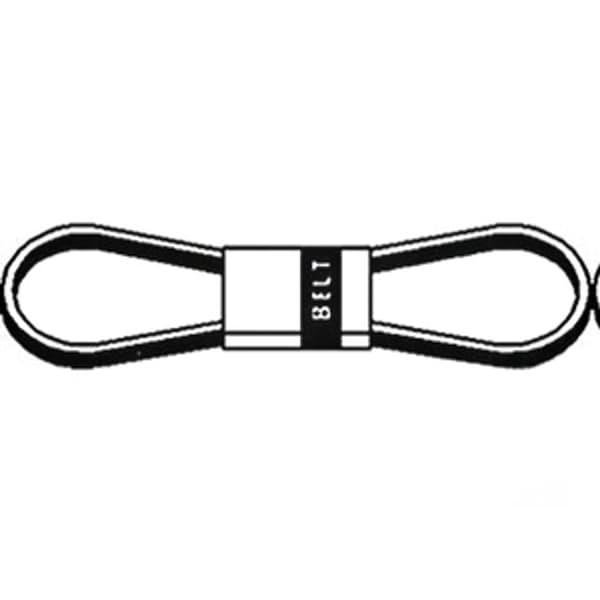
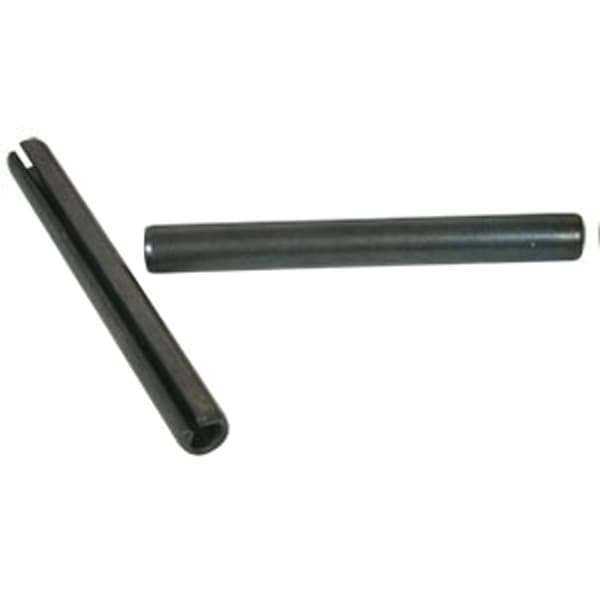
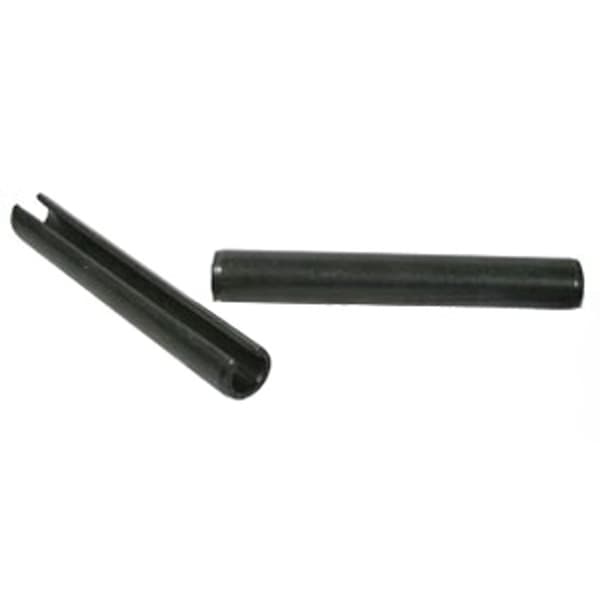
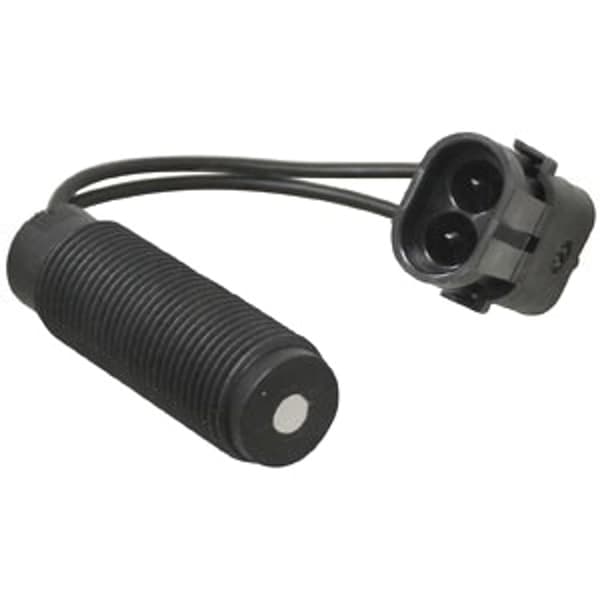
9 parts we recommend — in stock, ships fast, one-click add to cart.
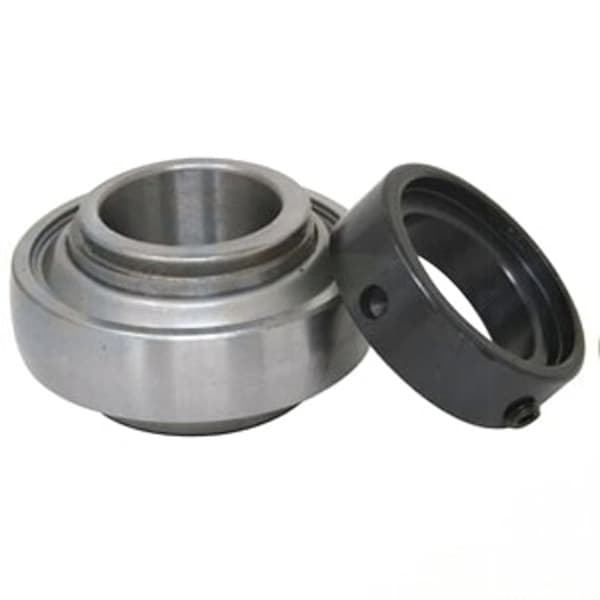

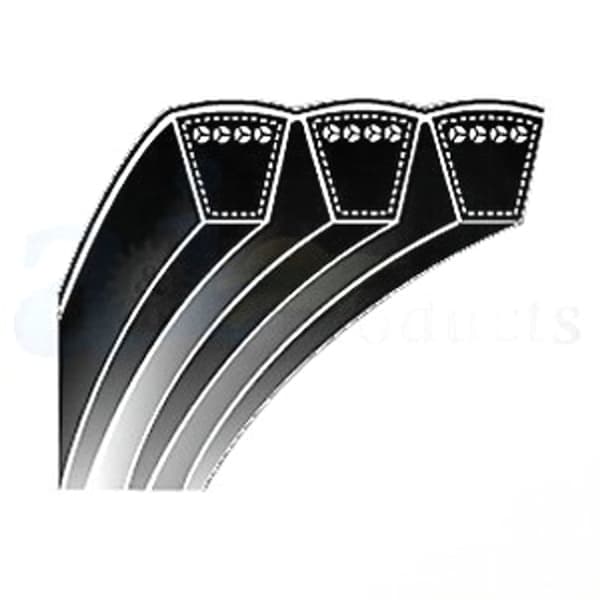
🔍 Looking for a specific part? Try our AI Part Finder — tell it your equipment and what you need, and it will find matching parts instantly.
At Madison Tractor Company, we understand the importance of keeping your hay equipment in top condition. We carry a wide range of mower conditioner rolls and other Hay & Forage Equipment Parts for various brands including John Deere, New Holland, Case IH, Massey Ferguson, and more. We also stock a full range of filters, belts, bearings, and other maintenance parts. If you need baler parts, too, we have you covered!
Identifying When to Replace Your Mower Conditioner Rolls
Several signs indicate that your mower conditioner rolls need replacing:
- Visible Wear: Cracks, tears, or chunks missing from the roll surface are obvious signs.
- Reduced Conditioning: If the hay isn't being crimped or crushed effectively, the rolls may be worn. Observe the hay after conditioning; if stems are still largely intact, replacement is likely needed.
- Uneven Drying: Inconsistent drying across the windrow can indicate uneven roll pressure or wear.
- Increased Hay Loss: Worn rolls may not grip the hay properly, leading to increased leaf shatter and yield loss.
- Slippage: If the rolls are slipping against each other, they may be worn smooth or improperly adjusted.
Types of Mower Conditioner Rolls: Rubber vs. Chevron
Two primary types of mower conditioner rolls are commonly used:
- Rubber Rolls: These rolls are typically made of a durable rubber compound and are effective for a wide range of hay types. They provide good grip and crushing action.
- Chevron Rolls: These rolls feature a chevron (V-shaped) pattern that helps to interlock and pull the hay through the conditioner. They are often preferred for more delicate hay types like alfalfa, as they tend to be gentler.
The choice between rubber and chevron rolls often depends on the type of hay you're harvesting and personal preference. Consider the specific recommendations for your mower conditioner model. Check your operator's manual for guidance.
Tools and Materials Needed for Replacement
Before you begin, gather the necessary tools and materials:
- New mower conditioner rolls (ensure they are the correct size and type for your machine). Consult your manual or cross-reference part numbers to ensure proper fit.
- Wrenches and sockets (metric or SAE, depending on your machine).
- Torque wrench.
- Pry bar or specialized roll removal tool (if required).
- Grease gun.
- Hammer (soft-faced).
- Safety glasses and gloves.
- Penetrating oil.
- Shop rags.
- Service manual for your specific mower conditioner model. This is crucial for torque specifications and specific procedures.
Step-by-Step Mower Conditioner Roll Replacement Guide
Safety First: Before starting any maintenance, disengage the PTO, turn off the engine, remove the key, and ensure the mower conditioner is properly supported to prevent accidental movement. Allow the machine to cool down completely.
- Preparation: Clean the area around the rolls to prevent dirt and debris from entering the machine during the process. Consult your service manual for any specific preparation steps.
- Roll Removal:
- Loosen any tensioning devices or adjustments that maintain pressure on the rolls. Note the original settings for reassembly.
- Carefully disconnect any drive components, such as chains, belts, or gears, that connect to the rolls.
- Remove the roll retaining hardware (e.g., bolts, clamps, or snap rings). Use penetrating oil on any rusted or seized fasteners.
- If the rolls are stuck, use a pry bar or specialized roll removal tool to gently dislodge them. Be careful not to damage the roll housings or bearings.
- Once free, carefully remove the old rolls. Note the orientation of the rolls for correct installation of the new ones.
- Inspection: Inspect the roll housings, bearings, and other related components for wear or damage. Replace any worn parts as needed. Now is an excellent time to check for any radiator leaks or replace worn belts, as the machine is already being serviced.
- Roll Installation:
- Clean the roll housings thoroughly.
- Apply a light coat of grease to the roll shafts and bearings.
- Carefully install the new rolls, ensuring they are properly aligned and oriented.
- Reinstall the roll retaining hardware and tighten to the manufacturer's specified torque. Consult your service manual for torque specifications.
- Reassembly:
- Reconnect any drive components (chains, belts, or gears). Ensure proper tension and alignment. For instance, if you're working on a John Deere mower conditioner, you may need to refer to the John Deere service manual for specific chain tensioning procedures.
- Adjust the roll pressure according to the manufacturer's recommendations. This is critical for proper conditioning.
- Testing:
- Before operating the mower conditioner, manually rotate the rolls to ensure they turn freely and without any binding.
- Start the engine and engage the PTO at a low RPM. Observe the rolls for proper operation.
- Gradually increase the RPM and monitor for any unusual noises or vibrations.
- Make a test run with hay to ensure the rolls are conditioning properly.
Specific Brand Considerations
While the general procedure is similar, there may be slight differences depending on the brand and model of your mower conditioner. Here are a few considerations for some common brands:
- John Deere: John Deere mower conditioners often use a specific roll tensioning system. Refer to your John Deere service manual for the correct adjustment procedure and use only genuine John Deere parts to ensure compatibility and longevity.
- New Holland: New Holland mower conditioners may have unique roll removal tools. Using the correct tool will prevent damage to the machine. We stock a full range of New Holland parts.
- Case IH: Case IH mower conditioners might require specific torque specifications for the roll retaining hardware. Always consult your Case IH service manual for accurate information. Consider replacing worn Case IH tractor parts while you're at it!
- Massey Ferguson: Massey Ferguson machines are known for their robust designs. When sourcing parts for your Massey Ferguson mower conditioner, be sure to choose high-quality components that can withstand the demands of heavy use. We also have a selection of parts for brands like Kubota, Allis Chalmers, Deutz, International Harvester, Oliver, White, Gleaner, Vermeer, Hesston, Mahindra, and Zetor.
Troubleshooting Common Issues
- Rolls Slipping: If the rolls are slipping, check the roll pressure adjustment. Increase the pressure if necessary. Also, inspect the roll surfaces for wear or contamination.
- Uneven Conditioning: Uneven conditioning can be caused by uneven roll pressure, worn rolls, or obstructions in the machine. Inspect the machine thoroughly and adjust the roll pressure as needed.
- Roll Damage: Roll damage can be caused by rocks or other foreign objects entering the machine. Always clear the field of debris before mowing. If you experience hydraulic issues, Madison Tractor also supplies hydraulic pumps, cylinders, and other related components.
Maintenance Tips for Mower Conditioner Rolls
To extend the life of your mower conditioner rolls, follow these maintenance tips:
- Regularly inspect the rolls for wear and damage.
- Keep the rolls clean and free of debris.
- Adjust the roll pressure according to the manufacturer's recommendations.
- Store the mower conditioner in a dry place when not in use.
- Lubricate the roll bearings regularly.
Conclusion
Replacing your mower conditioner rolls is a critical maintenance task that ensures efficient hay production. By following these steps and consulting your service manual, you can keep your hay equipment running smoothly and extend its lifespan. Madison Tractor Company is your trusted partner for all your hay equipment parts needs. From baler pickup teeth to round baler belts, we have the parts you need to keep your farm equipment running at peak performance.
Shop Mower Conditioner Rolls and other Hay & Forage Equipment Parts at Madison Tractor Company!
We carry a full range of replacement parts, including mower conditioner rolls, filters, bearings, seals and other components for John Deere, New Holland, Case IH, Massey Ferguson, and more. Visit our website today to find the parts you need. You can also use our AI-Powered Part Finder to search for parts by your specific make and model.
Part of our comprehensive guide
Hay Equipment Parts Guide: Baler, Mower & Rake Replacement Parts