








Hay Rake Teeth: Wheel Rake Tines by Brand
Proper hay rake teeth are critical for efficient hay gathering. This guide covers how to select the right wheel rake tines for your machine, with details by brand and type.
Introduction to Hay rake teeth
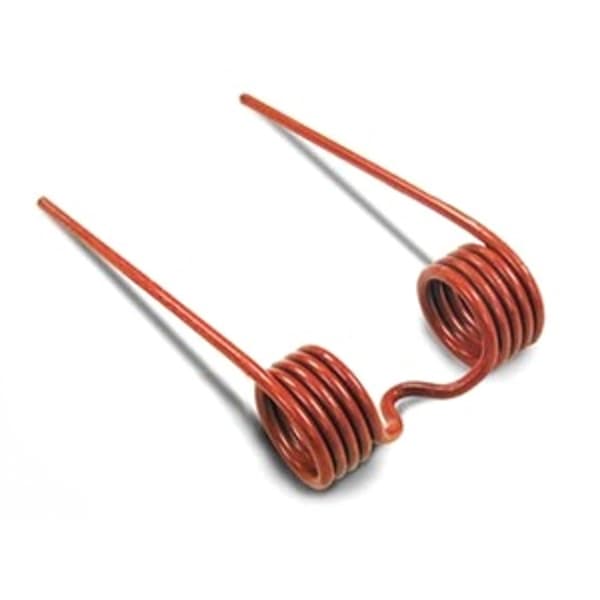
Hay rake teeth, also known as wheel rake tines, are the unsung heroes of hay production. These spring steel components are responsible for gently gathering cut hay into windrows, preparing it for baling. Choosing the correct hay rake teeth is crucial for minimizing hay loss, reducing contamination, and ensuring a clean, uniform windrow that your baler can handle efficiently. Worn or broken teeth can lead to significant yield loss and increased maintenance costs. This guide will help you understand the different types of hay rake teeth and how to choose the right ones for your specific rake and operating conditions. Remember to also check out our baler pickup teeth guide if you're looking for baler tine solutions.
Recommended Parts for This Guide
10 parts we recommend — in stock, ships fast, one-click add to cart.
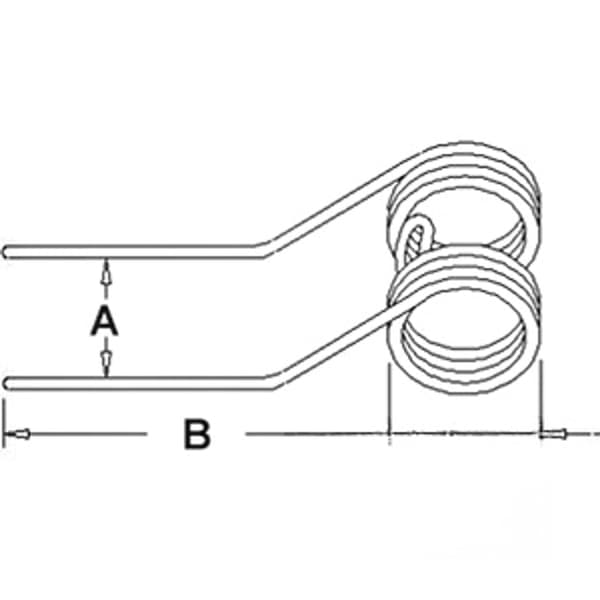
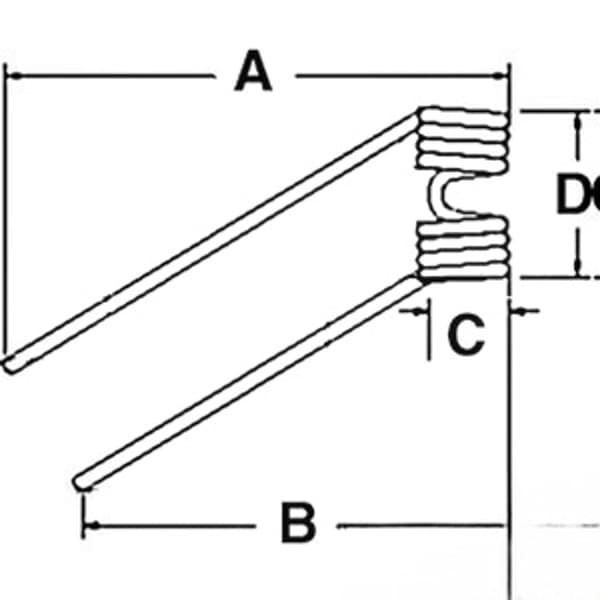
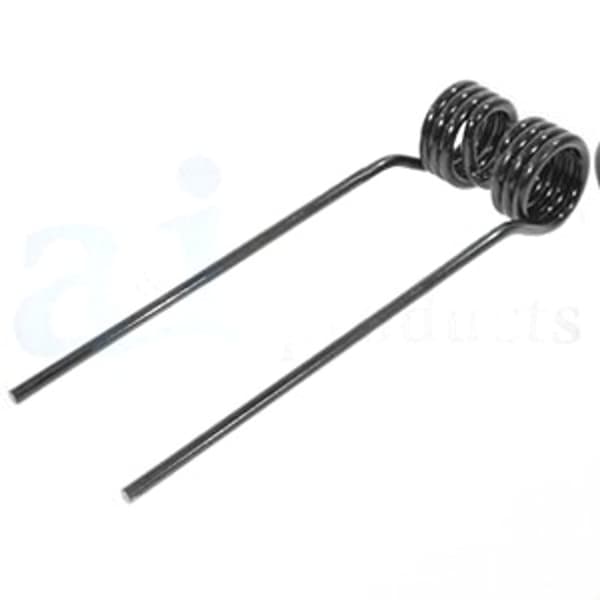
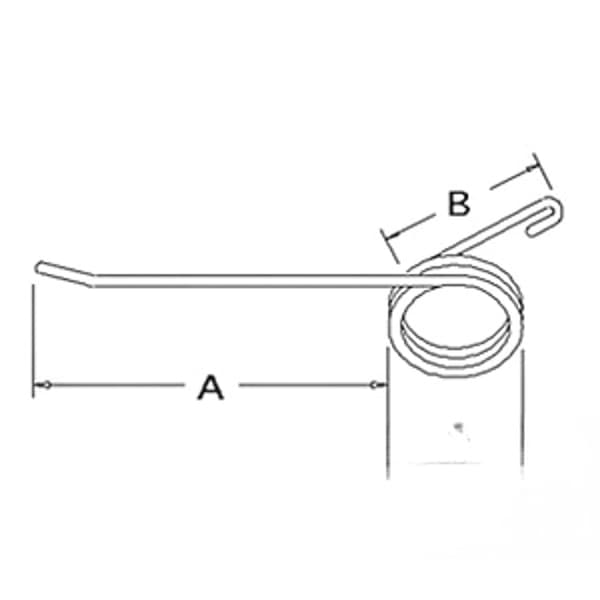
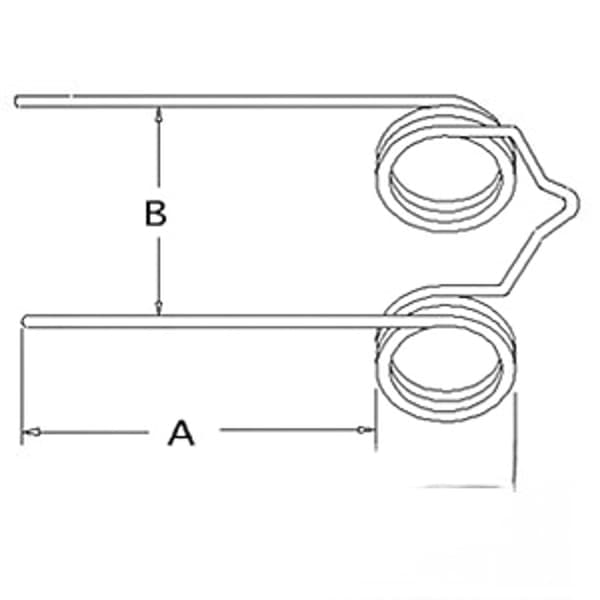
🔍 Looking for a specific part? Try our AI Part Finder — tell it your equipment and what you need, and it will find matching parts instantly.
Types of Hay Rake Teeth
While the basic function remains the same, hay rake teeth come in various shapes and sizes to suit different rake designs and hay types. Here are the most common types:
- Standard Teeth: These are the most common type, featuring a simple curved shape. They are suitable for a wide range of hay types and conditions.
- Heavy-Duty Teeth: Constructed from thicker steel, these teeth are designed for tougher conditions, such as heavy, wet hay or rocky fields.
- Curved Teeth: These teeth have a more pronounced curve, which can improve hay gathering in certain conditions.
- High-Capacity Teeth: Designed for rakes with higher operating speeds, these teeth often have a unique shape that allows them to handle more hay without clogging.
Selecting the Right Hay Rake Teeth
Choosing the right hay rake teeth involves considering several factors:
Rake Brand and Model
The first step is to identify the brand and model of your hay rake. Different manufacturers use different teeth designs, and using the wrong teeth can lead to poor performance or even damage to the rake. Madison Tractor Company carries a wide selection of hay rake parts, including teeth, for most major brands, including:
- John Deere: Ensure you order the correct teeth for your specific John Deere rake model. For example, a John Deere 702 wheel rake will require different teeth than a John Deere 670. Refer to your operator's manual for the correct part number. You might also be interested in our guide to John Deere baler parts.
- New Holland: New Holland rakes are known for their durability, and using genuine or high-quality aftermarket teeth will ensure continued performance. See our article on New Holland baler parts for more info.
- Case IH: Case IH offers a variety of rake models, and it's important to match the teeth to the specific rake.
- Vermeer: Known for their innovative designs, Vermeer rakes require teeth that meet their specific specifications.
- Hesston: Hesston rakes are popular for their reliability, and using the correct teeth is essential for maintaining that reliability.
- Kuhn: A major player in forage equipment, Kuhn rakes require teeth that are built to handle heavy workloads.
- Other Brands: We also carry teeth for Ford, Massey Ferguson, Kubota, Allis Chalmers, Deutz, International Harvester, Oliver, White, Gleaner, Mahindra, and Zetor rakes.
Operating Conditions
The type of hay you're raking and the terrain you're working on will also influence your choice of teeth. For example, if you're raking heavy, wet hay, you'll need heavy-duty teeth. If you're working on rocky terrain, you may want to consider teeth with a more flexible design that can withstand impacts without breaking. Consider the following:
- Hay Type: Grass hay requires less aggressive teeth than alfalfa or other stemmy crops.
- Terrain: Uneven or rocky terrain requires more durable and flexible teeth.
- Moisture Content: Wet hay requires stronger teeth to prevent bending or breaking.
Tooth Material and Construction
Hay rake teeth are typically made from high-carbon spring steel. The quality of the steel and the manufacturing process will affect the teeth's durability and performance. Look for teeth that are heat-treated for increased strength and wear resistance. A high-quality finish, such as powder coating, can also help protect the teeth from corrosion.
Replacing Hay Rake Teeth
Replacing hay rake teeth is a relatively straightforward process, but it's important to follow these steps to ensure proper installation and safe operation:
- Safety First: Before starting any work, ensure the rake is properly supported and the engine is turned off. Disconnect the spark plug wire on gasoline engines to prevent accidental starting.
- Identify Worn or Damaged Teeth: Inspect the teeth regularly for signs of wear, such as bending, cracking, or excessive wear. Replace any teeth that are damaged or worn beyond acceptable limits.
- Gather Tools and Parts: You'll need a wrench or socket set, pliers, and the correct replacement teeth. Refer to your operator's manual for the correct tooth part number.
- Remove the Old Teeth: Most hay rake teeth are held in place with bolts or clips. Use the appropriate tool to remove the fasteners and carefully remove the old teeth. Note the orientation of the teeth as you remove them to ensure proper installation of the new teeth.
- Install the New Teeth: Install the new teeth in the same orientation as the old teeth. Tighten the fasteners to the specified torque. Overtightening can damage the teeth or the rake, while undertightening can cause the teeth to loosen during operation.
- Inspect and Test: After installing the new teeth, inspect them to ensure they are properly seated and aligned. Run the rake at a slow speed to test the teeth and ensure they are functioning correctly.
Safety Warning: Always wear safety glasses when working on agricultural equipment. Be careful when handling spring steel teeth, as they can snap or break under pressure.
Hay Rake Maintenance Tips
Proper maintenance can extend the life of your hay rake teeth and improve its overall performance. Here are some tips:
- Regular Inspection: Inspect the teeth regularly for signs of wear or damage.
- Proper Storage: Store the rake in a dry place when not in use to prevent corrosion.
- Lubrication: Lubricate the moving parts of the rake regularly, including the teeth mounting points, to prevent wear and corrosion.
- Adjustments: Make sure the rake is properly adjusted according to the manufacturer's specifications. This will help ensure that the teeth are working efficiently and evenly.
Common Hay Rake Problems & Solutions
Here are some common hay rake problems related to rake teeth and their potential solutions:
- Problem: Teeth breaking frequently.
- Possible Causes: Worn teeth, incorrect tooth type for the conditions, operating the rake too fast, rocks or debris in the field.
- Solutions: Replace worn teeth, use heavy-duty teeth if needed, reduce operating speed, clear the field of rocks and debris.
- Problem: Uneven windrows.
- Possible Causes: Missing or damaged teeth, uneven tooth height, improper rake adjustments.
- Solutions: Replace missing or damaged teeth, adjust tooth height, adjust the rake according to the manufacturer's specifications.
- Problem: Hay wrapping around the rake wheels.
- Possible Causes: Incorrect tooth angle, operating the rake too slow, wet hay.
- Solutions: Adjust tooth angle, increase operating speed, allow hay to dry more before raking.
Remember that other components of your hay and forage equipment require regular maintenance too. From round baler belts to baler knotter parts, regular inspections and timely replacements will save you time and money.
Shop Hay Rake Teeth at Madison Tractor Company
At Madison Tractor Company, we understand the importance of having the right parts for your hay and forage equipment. That's why we offer a wide selection of hay rake teeth for all major brands, including John Deere, New Holland, Case IH, and more. Our knowledgeable staff can help you choose the right teeth for your specific rake and operating conditions. We also carry a full range of other parts, including radiators, water pumps, filters, and belts. Shop with confidence at Madison Tractor Company!
🔍 Can't Find Your Part?
Use our AI-Powered Part Finder to search by your equipment's make, model, and what you need. It's the fastest way to find the exact part for your machine.
Try the Part Finder →Part of our comprehensive guide
Hay Equipment Parts Guide: Baler, Mower & Rake Replacement Parts