








Riding Mower Fuel Pump: Vacuum Pulse Pumps
Riding mower fuel pumps are critical for engine performance. Learn how vacuum pulse pumps work, diagnose common problems, and find the right replacement parts for your mower.
The riding mower fuel pump is a small but vital component responsible for delivering fuel from the tank to the carburetor. Without a functioning fuel pump, your mower won't start or will run poorly. While electric fuel pumps exist, many riding mowers, especially older models from brands like John Deere, Craftsman, Cub Cadet, and Husqvarna, utilize a simpler and often more reliable design: the vacuum pulse fuel pump.
Recommended Parts for This Guide
7 parts we recommend — in stock, ships fast, one-click add to cart.
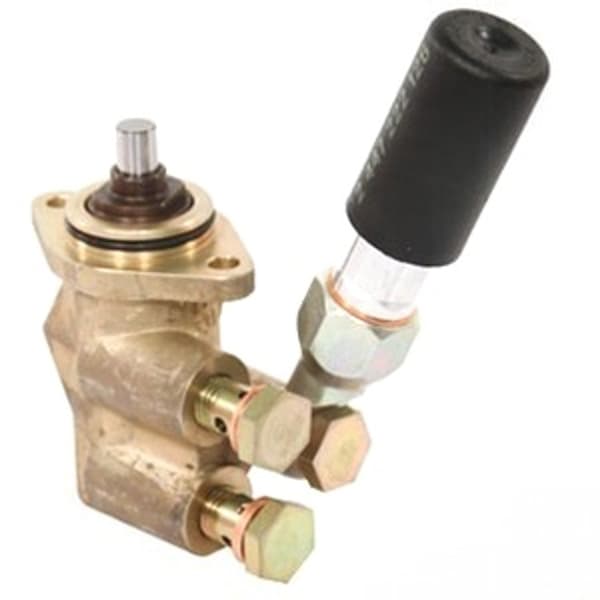
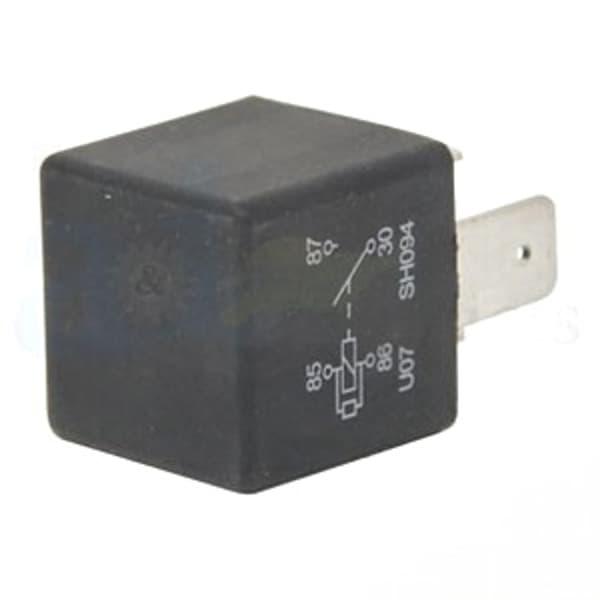
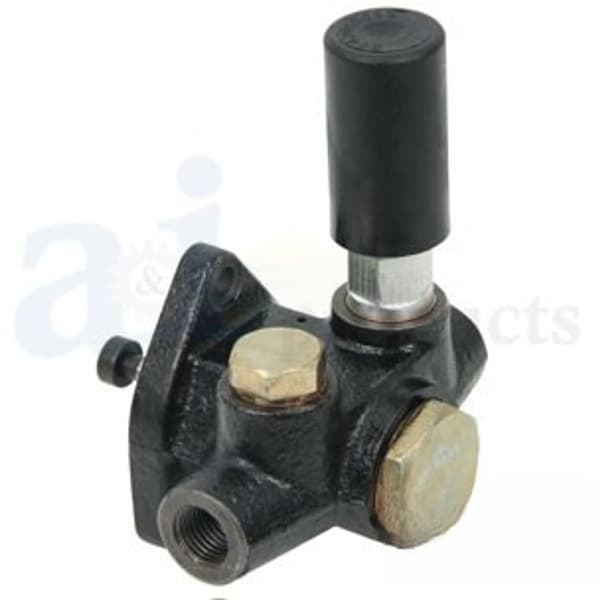
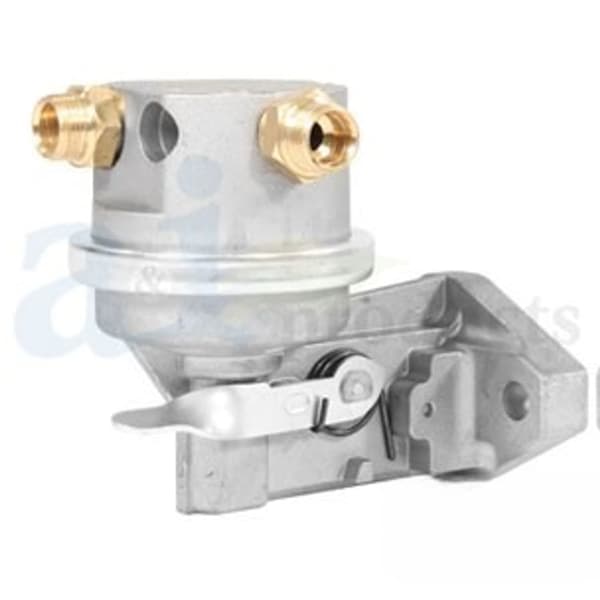
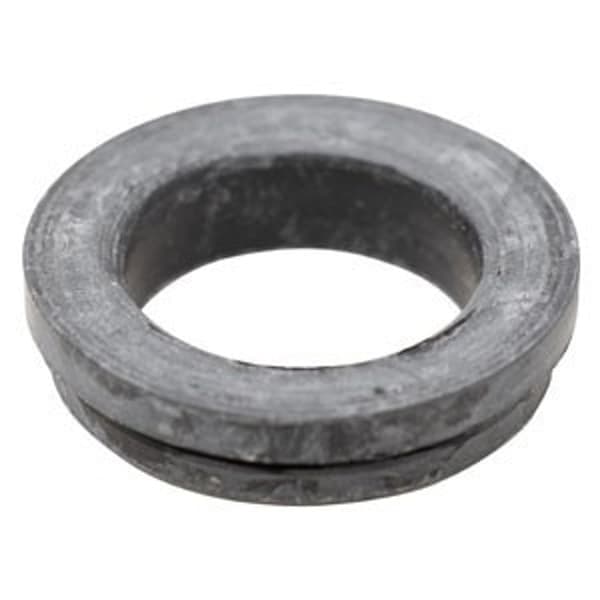
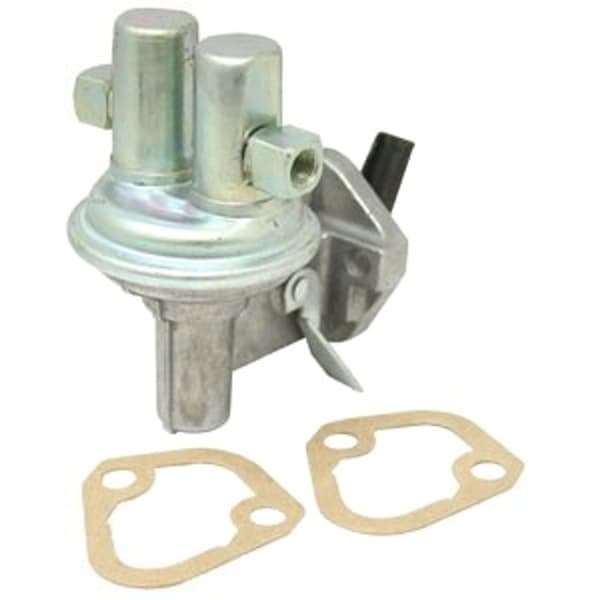
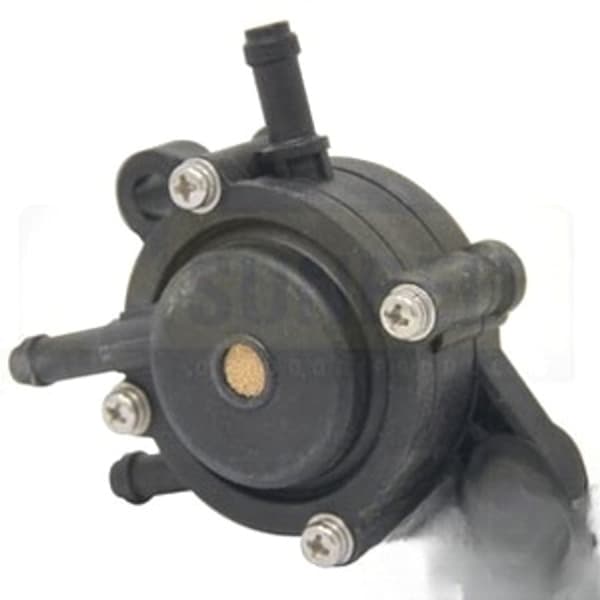
🔍 Looking for a specific part? Try our AI Part Finder — tell it your equipment and what you need, and it will find matching parts instantly.
How a Vacuum Pulse Riding Mower Fuel Pump Works
Unlike electric fuel pumps, vacuum pulse pumps rely on the engine's vacuum to operate. Here's a breakdown of the process:
- Vacuum Source: A hose connects the fuel pump to the engine, typically the crankcase or intake manifold. As the piston moves within the cylinder, it creates alternating pressure and vacuum (suction) inside the crankcase.
- Diaphragm Action: Inside the fuel pump, a flexible diaphragm is connected to a lever or linkage. This diaphragm separates the fuel chamber from the vacuum chamber.
- Pumping Cycle: When the engine creates a vacuum pulse, it pulls on the diaphragm. This creates a low-pressure area in the fuel chamber, drawing fuel from the fuel tank through an inlet check valve.
- Pressure Cycle: As the piston moves back, it creates pressure in the crankcase. This pressure pushes the diaphragm back, forcing the fuel out of the fuel chamber and through an outlet check valve towards the carburetor.
- Continuous Flow: This cycle repeats continuously as the engine runs, providing a steady supply of fuel.
Because these pumps are mechanical, they are simple, relatively inexpensive, and reliable. However, they are still susceptible to wear and tear.
Common Riding Mower Fuel Pump Problems
Several issues can lead to a faulty riding mower fuel pump. Identifying the symptoms is crucial for accurate diagnosis:
- Engine Won't Start: If the fuel pump isn't delivering fuel, the engine won't receive the necessary fuel for combustion.
- Engine Starts but Stalls: The engine may start using residual fuel in the carburetor bowl, but it will stall shortly after if the pump can't maintain the fuel supply.
- Engine Runs Rough or Misfires: An inconsistent fuel supply can cause the engine to run erratically, misfire, or lack power.
- Fuel Leaks: Cracks in the pump housing or a damaged diaphragm can cause fuel leaks. Always address fuel leaks immediately to prevent fire hazards.
- Hard Starting: A weak fuel pump may struggle to prime the fuel system, leading to hard starting, especially after the mower has been sitting for a while.
Common Causes of Fuel Pump Failure
- Diaphragm Failure: Over time, the diaphragm can become brittle, cracked, or torn due to age, fuel degradation, or exposure to harsh chemicals.
- Check Valve Malfunction: The inlet and outlet check valves prevent fuel from flowing backward. If these valves become stuck open or closed, the pump won't function correctly.
- Cracked Housing: The fuel pump housing can crack due to age, impact damage, or exposure to extreme temperatures.
- Vacuum Line Issues: A cracked, loose, or disconnected vacuum line will prevent the pump from receiving the necessary vacuum pulse.
- Fuel Contamination: Debris or contaminants in the fuel can clog the pump's internal components or damage the diaphragm. This is why using a fuel filter is crucial.
Diagnosing a Faulty Riding Mower Fuel Pump
Before replacing the fuel pump, it's essential to rule out other potential causes, such as a clogged fuel filter, a faulty carburetor, or a blocked fuel line. Here's a step-by-step guide to diagnosing a vacuum pulse fuel pump:
- Safety First: Disconnect the spark plug wire to prevent accidental starting. Work in a well-ventilated area and avoid open flames.
- Inspect Fuel Lines: Check the fuel lines for cracks, kinks, or leaks. Replace any damaged fuel lines.
- Check the Vacuum Line: Ensure the vacuum line is securely connected to both the fuel pump and the engine. Inspect the line for cracks or damage. Replace if necessary.
- Fuel Filter: Replace the fuel filter with a new one. A clogged fuel filter is a common cause of fuel starvation. We carry fuel filters for brands like Toro, Ariens, Murray, Hustler, Scag, Exmark, Ferris, Snapper, Simplicity, and Dixie Chopper.
- Fuel Pump Output Test: Disconnect the fuel line from the carburetor and place it into a suitable container. Crank the engine (with the spark plug wire disconnected) and observe the fuel flow. A healthy fuel pump should deliver a steady stream of fuel. If the flow is weak or non-existent, the pump may be faulty.
- Vacuum Test: Disconnect the vacuum line from the fuel pump and connect a vacuum gauge. Crank the engine and check the vacuum reading. You should see fluctuating vacuum, indicating that the engine is producing a vacuum pulse. If no vacuum is present, there may be an issue with the engine's vacuum system.
WARNING: When working with fuel, always take precautions to prevent spills and avoid open flames. Fuel is flammable and can be dangerous.
Replacing the Riding Mower Fuel Pump
If the fuel pump is faulty, replacement is usually the most cost-effective solution. Here's how to replace a vacuum pulse fuel pump:
- Gather Your Tools: You'll need a wrench or socket set, screwdrivers, pliers, a fuel line clamp, and a new riding mower fuel pump.
- Disconnect Fuel Lines: Use fuel line clamps to pinch off the fuel lines to minimize fuel spillage. Disconnect the fuel lines from the fuel pump.
- Remove the Old Pump: Remove the screws or bolts that secure the fuel pump to the engine. Carefully remove the old fuel pump.
- Install the New Pump: Position the new fuel pump in place and secure it with the screws or bolts, ensuring any necessary grommets are properly seated.
- Connect Fuel Lines: Reconnect the fuel lines to the fuel pump, ensuring they are securely attached. Remove the fuel line clamps.
- Connect the Vacuum Line: Reconnect the vacuum line to the fuel pump.
- Test the Pump: Reconnect the spark plug wire and start the engine. Check for fuel leaks and ensure the engine runs smoothly.
Consider replacing the fuel lines while you're at it, especially if they appear old or cracked. Also, install a new fuel filter to prevent future contamination. Be sure to consult your mower's owner's manual for specific instructions and torque specifications. In addition to fuel system parts, Madison Tractor Company also carries a wide selection of other replacement parts for your riding mower, including belts, blades, spindles, pulleys, spark plugs, bearings, and shear pins.
Maintaining Your Riding Mower Fuel System
Regular maintenance can help prevent fuel pump problems and extend the life of your riding mower. Here are some tips:
- Use Fresh Fuel: Gasoline can degrade over time, especially when stored improperly. Use fresh fuel and add a fuel stabilizer to prevent fuel breakdown.
- Replace the Fuel Filter Regularly: A clogged fuel filter restricts fuel flow and can damage the fuel pump. Replace the fuel filter at least once a year, or more often if you notice fuel contamination.
- Inspect Fuel Lines: Regularly inspect the fuel lines for cracks, leaks, or damage. Replace any damaged fuel lines promptly.
- Clean the Fuel Tank: Periodically clean the fuel tank to remove sediment and debris.
- Proper Storage: When storing your riding mower for the winter, drain the fuel tank and carburetor to prevent fuel from gumming up the fuel system. You can also use a fuel stabilizer.
By understanding how a vacuum pulse fuel pump works and performing regular maintenance, you can keep your riding mower running smoothly for years to come. Don't forget to check out our guides on Briggs & Stratton head gaskets, Kawasaki engine carburetors, small engine carburetor rebuild kits, Briggs & Stratton carburetor rebuild kits and Kohler fuel pumps.
Shop Riding Mower Fuel Pump Replacements at Madison Tractor
At Madison Tractor Company, we stock a wide selection of riding mower fuel pumps for various makes and models, including John Deere, Craftsman, Cub Cadet, Husqvarna, and more. We also carry a comprehensive inventory of other small engine parts to keep your outdoor power equipment running its best. Browse our online catalog today and find the parts you need to get your mower back in action! Our selection includes complete fuel pumps, including various fuel transfer pump and fuel lift transfer pump models, as well as related components such as fuel lines, filters, and fuel pump repair kits. Don't let a faulty fuel pump keep you from maintaining your lawn. Shop now and experience the Madison Tractor difference! You can also use our AI-Powered Part Finder to search for parts by your specific make and model.
Part of our comprehensive guide
Small Engine Parts Guide: Carburetors, Fuel Pumps & Gaskets by Engine