








Universal Mower Starter Solenoid: 3 & 4 Pole Options
A faulty starter solenoid can leave your mower dead in the water. This guide explains universal mower starter solenoids, the differences between 3 and 4-terminal versions, and how to choose the right one for your needs.
Understanding Universal Mower Starter Solenoids
The starter solenoid on your riding mower, zero-turn, or lawn tractor acts as a heavy-duty switch. It uses a small electrical signal from the ignition switch (often routed through safety switches) to engage a high-current circuit from the battery to the starter motor. When the solenoid fails, your mower won't start, even if the battery is good. A universal mower starter solenoid provides a cost-effective replacement option when the original part is unavailable or too expensive.
Recommended Parts for This Guide
8 parts we recommend — in stock, ships fast, one-click add to cart.
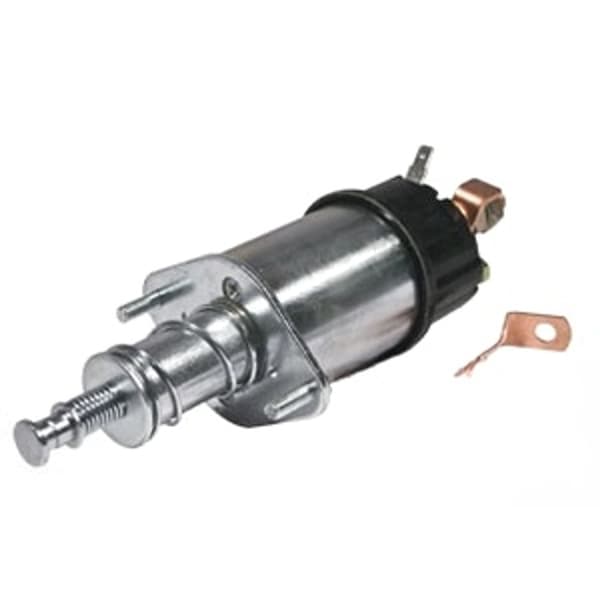
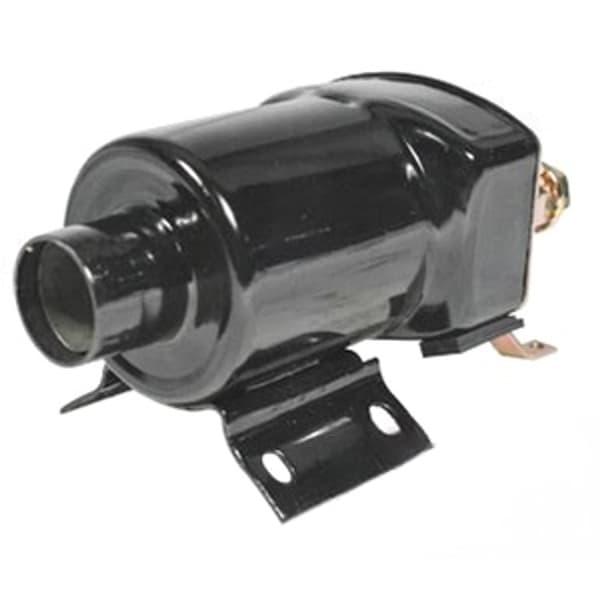
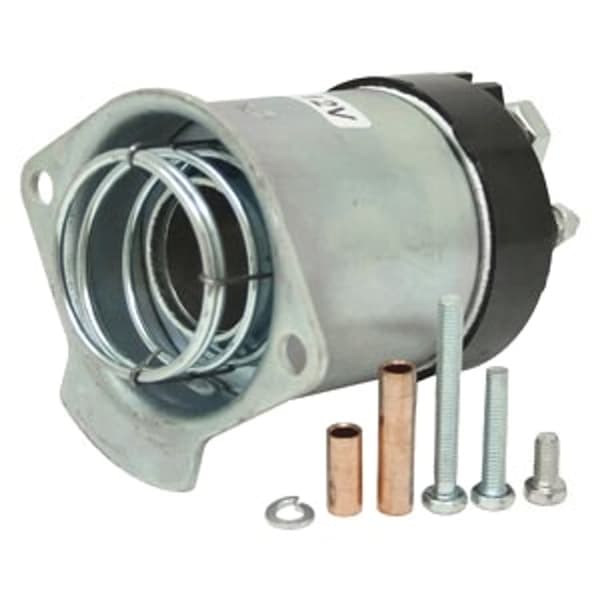
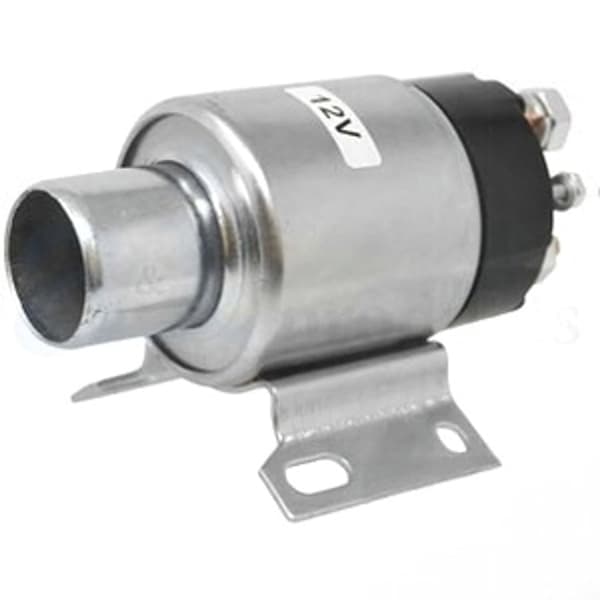
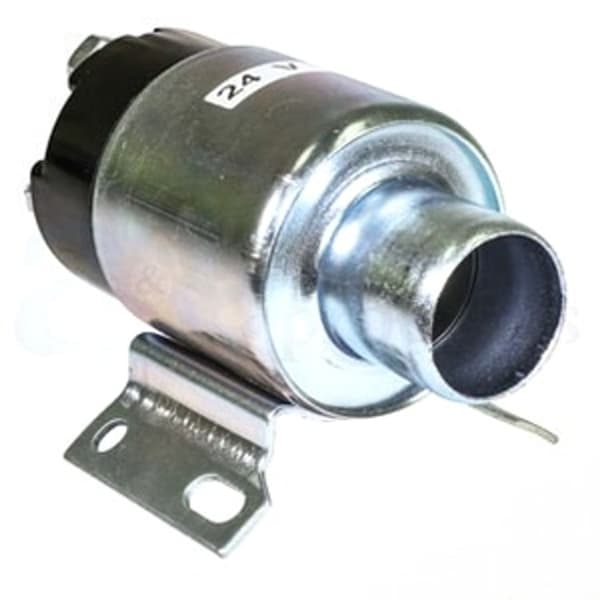
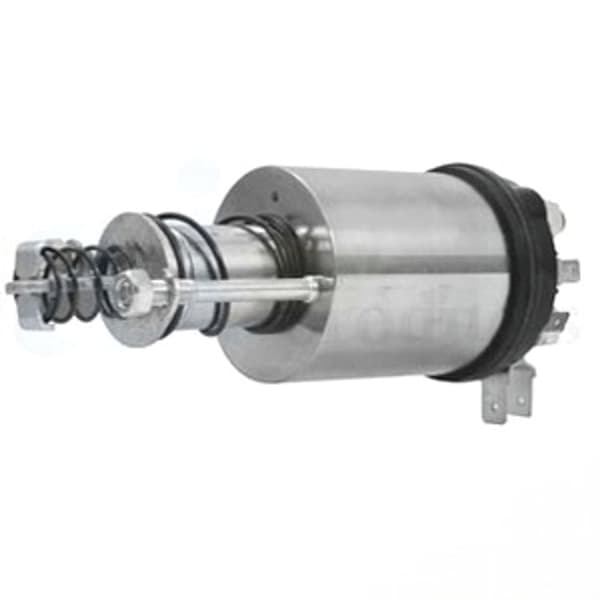
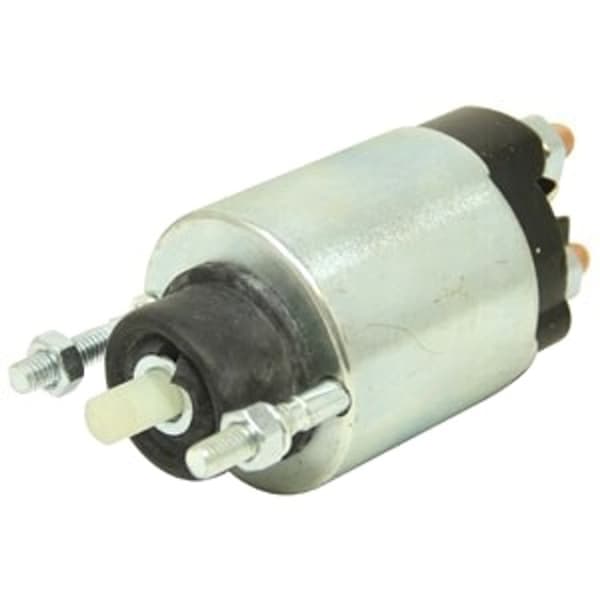
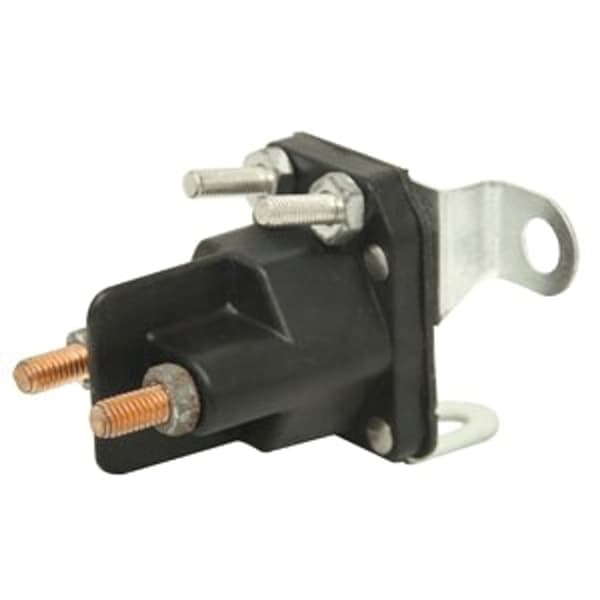
🔍 Looking for a specific part? Try our AI Part Finder — tell it your equipment and what you need, and it will find matching parts instantly.
At Madison Tractor Company, we understand the frustration of dealing with a non-starting mower. That's why we offer a wide range of universal solenoids compatible with popular brands like John Deere, Craftsman, Cub Cadet, Husqvarna, Toro, Ariens, Murray, Hustler, Scag, Exmark, Ferris, Snapper, Simplicity, and Dixie Chopper.
This article will explain the differences between 3-terminal and 4-terminal solenoids, helping you select the correct replacement for your machine.
3-Terminal vs. 4-Terminal Solenoids: What's the Difference?
The primary difference between 3-terminal and 4-terminal solenoids lies in their wiring configurations and applications. Both types perform the same basic function – connecting the battery to the starter motor – but they achieve this in slightly different ways. The number of terminals indicates the presence (or absence) of a separate ground circuit for the solenoid's coil.
3-Terminal Solenoids
A 3-terminal solenoid typically has the following connections:
- Battery (+) Terminal: This large terminal connects directly to the positive (+) terminal of the battery.
- Starter Motor Terminal: This large terminal connects to the starter motor.
- Activation Terminal: This small terminal receives the signal from the ignition switch (usually 12V) to activate the solenoid.
In a 3-terminal setup, the solenoid relies on being grounded through its mounting bracket to the mower's frame. The frame itself must be well grounded to the battery's negative (-) terminal. If the frame ground is poor due to rust, corrosion, or loose connections, the solenoid may not function correctly.
Common Applications: Older mowers, simpler electrical systems, and applications where a reliable frame ground is present.
4-Terminal Solenoids
A 4-terminal solenoid has the same three connections as above, plus an additional ground terminal:
- Battery (+) Terminal: Connected to the battery's positive terminal.
- Starter Motor Terminal: Connected to the starter motor.
- Activation Terminal: Connected to the ignition switch.
- Ground Terminal: Connected directly to the battery's negative (-) terminal or a dedicated ground point on the mower's frame.
The dedicated ground terminal provides a direct and reliable ground path for the solenoid's coil, regardless of the condition of the mower's frame. This makes 4-terminal solenoids more reliable in situations where a good frame ground is questionable.
Some 4-terminal solenoids use the fourth terminal as an 'S' or 'Start' terminal to route through safety switches, such as the seat switch or PTO switch. This configuration ensures the mower can only start when the operator is seated or the PTO is disengaged.
Common Applications: Newer mowers, mowers with complex electrical systems, and applications where a reliable frame ground cannot be guaranteed. Also used when the solenoid is part of a safety circuit.
Choosing the Right Solenoid: Key Considerations
When replacing your mower's starter solenoid, consider these factors:
- Original Solenoid Type: The easiest and safest approach is to replace the solenoid with the same type (3-terminal or 4-terminal) that was originally installed.
- Wiring Diagram: Consult your mower's wiring diagram (usually found in the owner's manual) to verify the correct wiring configuration.
- Grounding: If you're using a 3-terminal solenoid, ensure a clean and secure ground connection between the solenoid's mounting bracket and the mower's frame. Clean any rust or corrosion from the mounting surface.
- Safety Circuits: If your mower has safety switches integrated into the starting circuit, a 4-terminal solenoid is likely required to maintain those safety features.
- Amperage Rating: Choose a solenoid with an amperage rating that meets or exceeds the specifications of the original solenoid. Using a solenoid with a lower rating can lead to premature failure.
Converting from 3-Terminal to 4-Terminal (and Vice Versa)
While it's generally best to stick with the original solenoid type, it's sometimes possible to convert between 3-terminal and 4-terminal solenoids. Here's what to consider:
3-Terminal to 4-Terminal:
This conversion is generally straightforward. Simply connect the additional terminal on the 4-terminal solenoid to a reliable ground point on the mower's frame or directly to the battery's negative (-) terminal. This ensures a good ground connection, even if the frame ground is poor.
4-Terminal to 3-Terminal:
This conversion is possible *only* if the fourth terminal on the 4-terminal solenoid was a ground. If the fourth terminal is part of the safety circuit, this conversion is NOT recommended as it will disable safety features. To convert a ground-terminal 4-terminal solenoid to a 3-terminal one, simply omit the ground wire. Ensure the solenoid has a good frame ground through its mounting bracket.
WARNING: Disabling safety switches can lead to serious injury or death. Never bypass or disable safety features on your mower.
Troubleshooting Starter Solenoid Problems
If your mower won't start, even with a new solenoid, here are some troubleshooting steps:
- Check the Battery: Ensure the battery is fully charged and in good condition. Use a voltmeter to check the voltage. It should be around 12.6 volts when fully charged.
- Inspect Wiring: Look for loose, corroded, or damaged wiring connections throughout the starting circuit, especially at the battery terminals, solenoid terminals, starter motor, and ignition switch.
- Test the Ignition Switch: Use a multimeter to verify that the ignition switch is sending a signal to the solenoid when the key is turned to the start position.
- Check Safety Switches: Make sure all safety switches (seat switch, PTO switch, etc.) are functioning correctly. A faulty safety switch can prevent the solenoid from activating.
- Examine the Starter Motor: A faulty starter motor can also prevent the engine from turning over. A qualified technician can test the starter motor.
- Inspect the Fuses: Blown fuses are a common cause of electrical problems. Replace any blown fuses with the correct amperage rating.
Safety First: Always disconnect the negative (-) battery cable before working on the electrical system of your mower.
Beyond the Solenoid: Other Important Parts
While the starter solenoid is crucial for starting your mower, remember that a healthy electrical system requires other properly functioning components. Be sure to inspect (and replace as needed) the ignition switch, voltage regulator, ignition coil, and all associated wiring.
Don't forget the mechanical components either! Keep an eye on your mower's belts, blades, spindles, pulleys, filters, spark plugs, bearings, and shear pins for optimal performance.
Shop for Mower Parts at Madison Tractor Company
At Madison Tractor Company, we are committed to providing high-quality parts and expert advice to help you keep your outdoor power equipment running smoothly. We stock a wide selection of universal mower starter solenoids, as well as other electrical components, engine parts, and accessories for all major brands. Browse our extensive online catalog or contact our knowledgeable customer support team for assistance. Let us help you find the right parts to get your mower back in action! You can also use our AI-Powered Part Finder to search for parts by your specific make and model.
Part of our comprehensive guide
Mower Electrical Parts Guide: Starters, Solenoids, Switches & More