








Gleaner Combine Sieve & Chaffer Adjustment
Proper sieve and chaffer adjustment is critical for minimizing grain loss and maximizing efficiency in your Gleaner combine. This guide provides practical steps and tips for achieving optimal separation and a clean grain sample.
Achieving optimal grain quality and minimizing losses during harvest requires meticulous attention to detail, and a crucial aspect of this is the proper adjustment of your Gleaner combine's sieves and chaffers. These components are responsible for separating the grain from the chaff and other foreign material. Incorrect adjustments can lead to significant grain loss and a lower-quality sample. This guide, from Madison Tractor Company, will help you understand the principles of sieve and chaffer operation and provide practical advice for achieving peak performance from your Gleaner combine, whether you're running an older R series or a newer S series. Remember to consult your combine's operator manual for specific settings and recommendations.
Recommended Parts for This Guide
4 parts we recommend — in stock, ships fast, one-click add to cart.
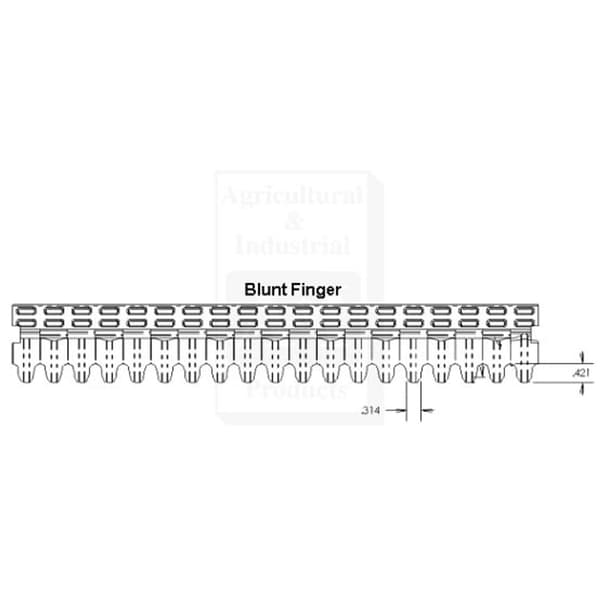
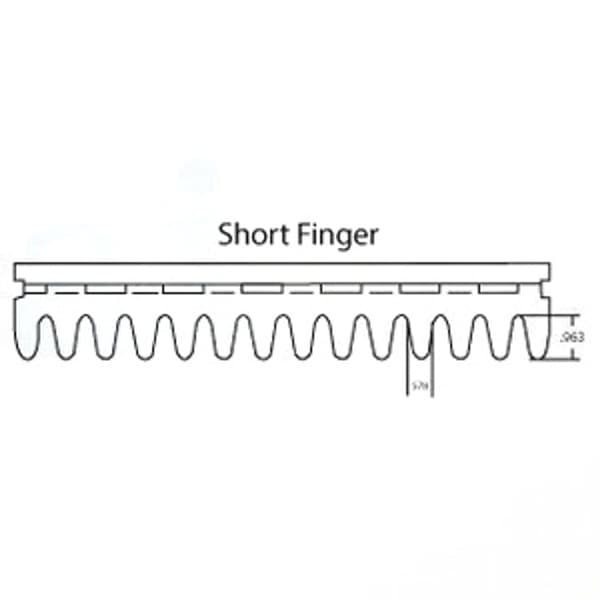
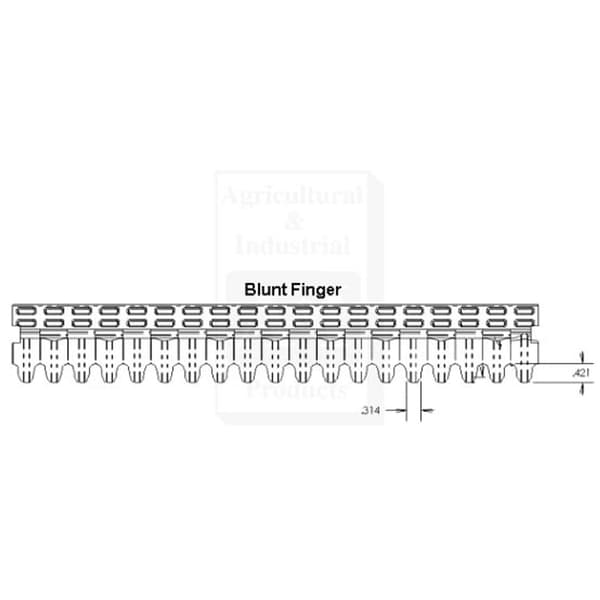
🔍 Looking for a specific part? Try our AI Part Finder — tell it your equipment and what you need, and it will find matching parts instantly.
Understanding the Sieve and Chaffer
The sieve and chaffer work together to clean the grain as it moves through the combine. Here's a brief overview:
- Chaffer: The chaffer is the upper sieve, typically with adjustable louvers or fingers. Its primary function is to separate larger pieces of material other than grain (MOG), such as straw and weed seeds.
- Sieve: The sieve is located below the chaffer and is responsible for separating the grain from smaller pieces of MOG. It also has adjustable openings to control the size of material that passes through.
The airflow from the cleaning fan plays a critical role in the separation process. The fan blows air upwards through the sieves, lifting lighter material and allowing the heavier grain to fall through.
Pre-Harvest Inspection and Maintenance
Before heading into the field, a thorough inspection and maintenance of your sieve and chaffer system is essential. Here's what to look for:
- Cleanliness: Remove any accumulated debris, such as old crop residue or weed seeds. A clean system ensures proper airflow and separation.
- Damage: Inspect the louvers or fingers of both the chaffer and sieve for any bends, breaks, or wear. Damaged components can significantly reduce cleaning efficiency. Check for wear patterns – excessive wear might indicate the need for replacement. Replacement sieves and chaffers, as well as other Gleaner combine parts are readily available.
- Adjustment Mechanisms: Verify that all adjustment levers and mechanisms for the sieve and chaffer are functioning smoothly and are not seized or damaged. Lubricate as needed. Check and adjust the tension on any cables or linkages that control their settings.
- Airflow: Check the condition of your cleaning fan. Damaged fan blades or worn bearings will reduce airflow. Consider replacing worn combine belts that drive the fan to ensure proper speed.
Initial Settings and Adjustments
Start with the recommended settings in your Gleaner combine's operator manual. These settings will vary depending on the crop being harvested. Here are some general guidelines for Gleaner R, N, and S series combines:
- Chaffer Opening: Start with a wider opening for larger-seeded crops like soybeans or corn and a narrower opening for smaller-seeded crops like wheat or canola.
- Sieve Opening: Similar to the chaffer, adjust the sieve opening based on the grain size. Refer to your operator's manual for the specific settings for the crop you are harvesting.
- Fan Speed: The fan speed controls the amount of air flowing through the sieves. Increase the fan speed to remove more light material, but be careful not to blow grain out the back of the combine.
Example Settings (Gleaner S77): Consult your operator's manual for the precise settings. As a starting point for soybeans, you might try a chaffer opening of 1/2 to 3/4 inch, a sieve opening of 3/8 to 1/2 inch, and a fan speed of 800-900 RPM. For wheat, try a chaffer opening of 3/8 to 1/2 inch, a sieve opening of 1/4 to 3/8 inch, and a fan speed of 900-1000 RPM. These are just starting points, so adjust them based on field conditions and crop maturity.
Fine-Tuning in the Field
The initial settings are just a starting point. The key to optimal performance is to fine-tune the adjustments while in the field. Observe the following:
- Grain Loss: Check the grain loss over the back of the combine. This can be done by stopping the combine and examining the ground behind it. Excessive grain loss indicates that adjustments are needed. Reduce loss by closing the chaffer or sieve slightly or increasing the fan speed.
- Grain Tank Sample: Examine the grain sample in the grain tank. A clean sample indicates proper separation. If the sample contains excessive amounts of MOG, adjust the chaffer and sieve to remove more material. If you are getting too much cracked or broken grain, reduce the aggressiveness of the threshing process by adjusting concave clearance or rotor speed. We carry combine concaves for Gleaner and other major brands.
- Walk the Field: Stop the combine periodically and walk back along the harvested area. Look for unthreshed heads or excessive grain left in the field. This can indicate issues with the header, feeder house, or threshing system.
Common Adjustment Scenarios:
- Too much MOG in the grain tank: Open the chaffer slightly and/or increase the fan speed. Also check your combine concave settings to ensure proper threshing.
- Grain loss over the back: Close the chaffer or sieve slightly, decrease the forward speed, or slightly increase the fan speed (be careful not to blow grain out).
- Unthreshed heads: Reduce the concave clearance or increase the rotor speed. However, be mindful of grain damage.
Troubleshooting Common Problems
- Uneven Grain Distribution on the Sieve: Check for levelness of the combine and proper operation of the grain pan. Also, inspect the sieve for damage or obstructions.
- Excessive Vibration: Inspect the cleaning fan for damage or imbalance. Check the bearings on the fan and sieve drive shafts.
- Sieve and Chaffer Plugging: This can be caused by excessive moisture in the crop, improper settings, or a worn cleaning fan belt. Reduce ground speed and adjust settings as needed. Madison Tractor Company offers a wide range of combine belts, including those for Gleaner combines (e.g., OEM part number 71329827).
Safety Precautions
WARNING: Always stop the combine engine and engage the parking brake before making any adjustments or performing maintenance on the sieve and chaffer system. Ensure that all moving parts have come to a complete stop. Never attempt to clear obstructions while the combine is running.
Remember Your Operator's Manual
This guide provides general recommendations, but your Gleaner combine's operator manual is your most valuable resource. It contains specific settings and procedures for your particular model and crop. Always refer to the manual for detailed instructions and safety information. We also carry parts for other combine brands such as John Deere Combine Parts, Case IH Combine Parts, and New Holland Combine Parts.
Madison Tractor Company: Your Partner in Harvest
At Madison Tractor Company, we understand the importance of keeping your equipment running smoothly during the critical harvest season. We offer a wide selection of high-quality replacement parts for all major combine brands, including Gleaner, John Deere, Case IH, New Holland, Massey Ferguson, and more. Whether you need a new sieve, chaffer, radiator, water pump, or any other combine part, we have you covered. Our knowledgeable staff is ready to assist you in finding the right parts for your needs. Browse our extensive online catalog or contact us today to experience the Madison Tractor Company difference. We also stock parts for older equipment, from Allis Chalmers to Oliver to International Harvester. And don't forget we carry a full range of tractor parts for Ford, Kubota, Mahindra, Zetor, Deutz, and White tractors. From fuel pumps and injectors to pistons and bearings, we've got what you need!
🔍 Can't Find Your Part?
Use our AI-Powered Part Finder to search by your equipment's make, model, and what you need. It's the fastest way to find the exact part for your machine.
Try the Part Finder →Part of our comprehensive guide
Combine Harvester Parts Guide: Pre-Season Checklist & Replacement Parts