








John Deere Cab Glass: Door, Rear & Windshield Parts
Replacing cracked or broken cab glass on your John Deere tractor is crucial for safety and comfort. This guide covers everything you need to know about selecting and installing new door, rear, and windshield glass.
Introduction: Why Cab Glass Matters
Operating a tractor or combine requires focus and clear visibility. Cracked, chipped, or completely broken cab glass compromises both safety and comfort. Whether you're dealing with a shattered door window, a cracked rear pane, or a clouded windshield, replacing your John Deere cab glass is an essential maintenance task. At Madison Tractor, we understand the importance of having the right parts to keep your equipment running smoothly. This guide will walk you through selecting and installing replacement glass for your John Deere tractor cab.
Recommended Parts for This Guide
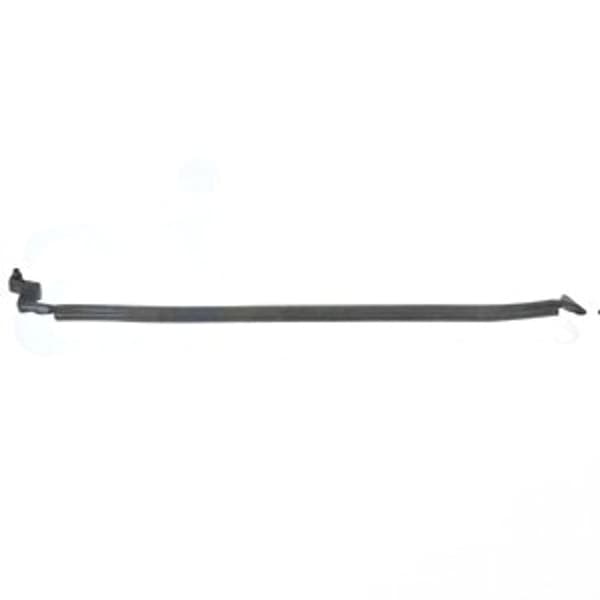
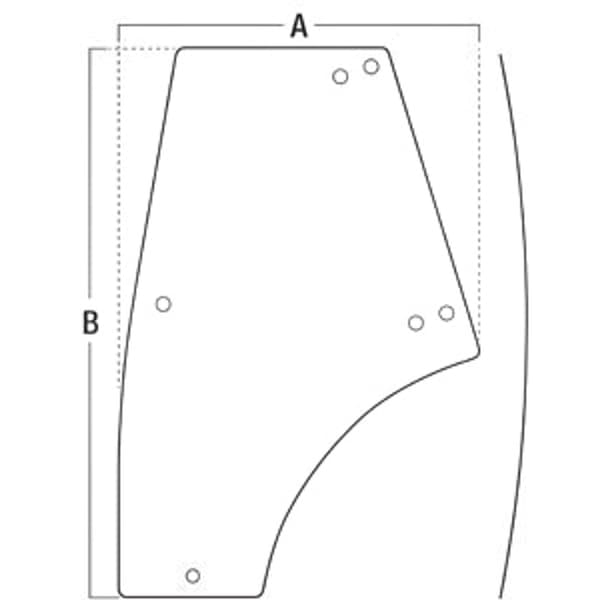
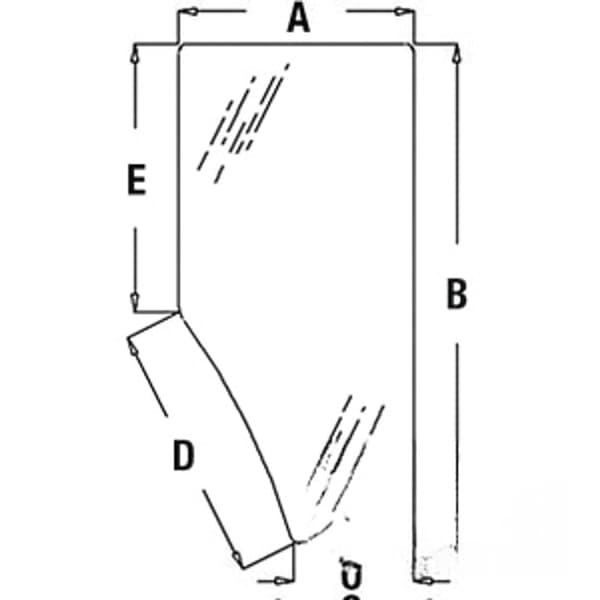
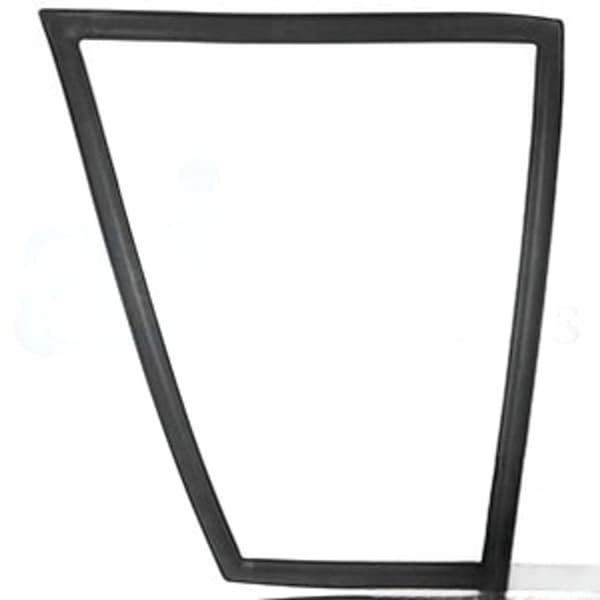
10 parts we recommend — in stock, ships fast, one-click add to cart.
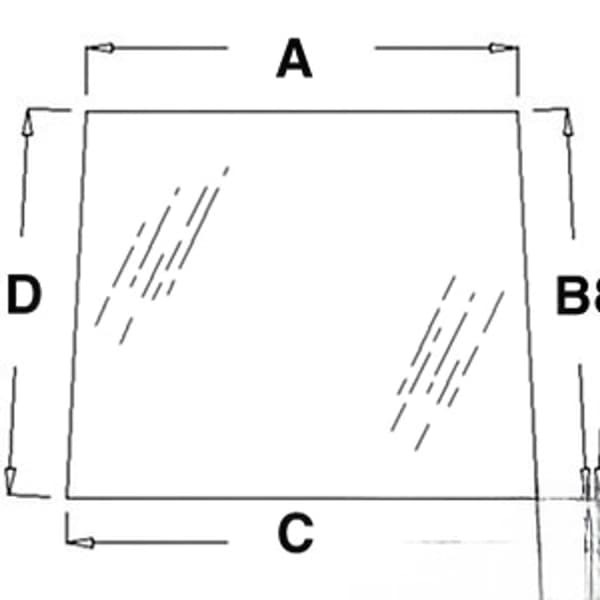
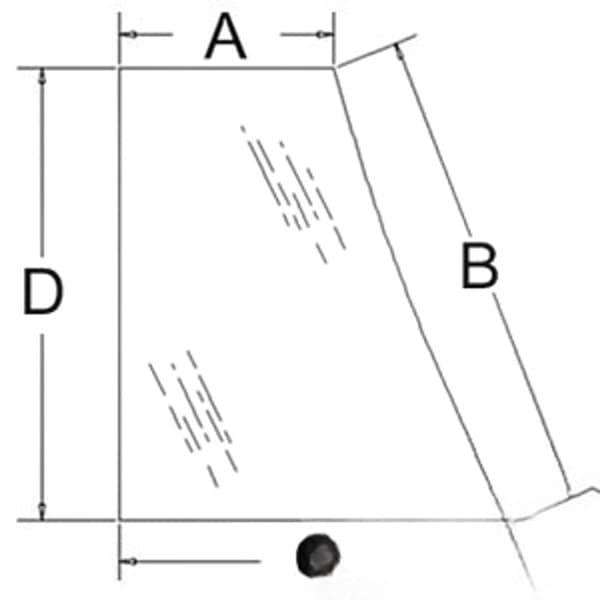
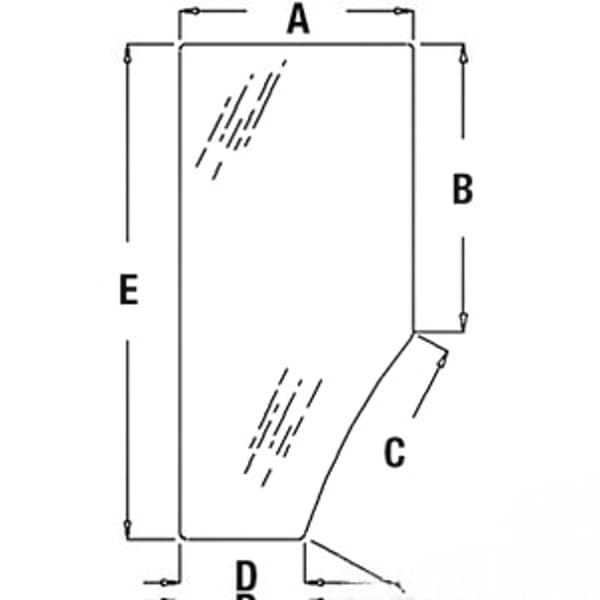
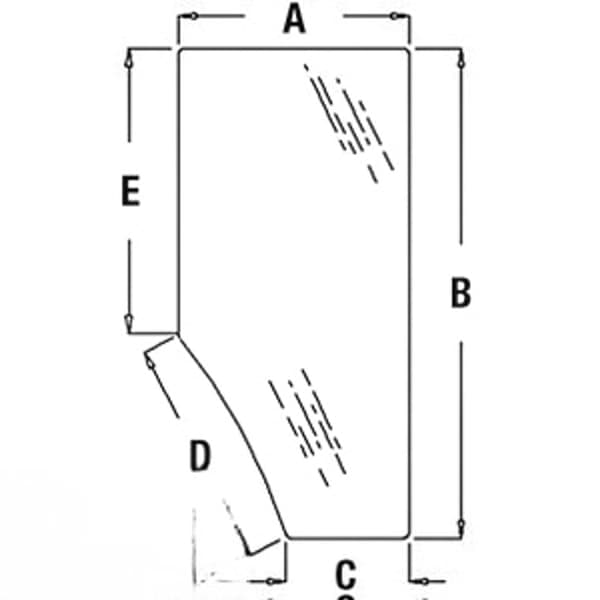
🔍 Looking for a specific part? Try our AI Part Finder — tell it your equipment and what you need, and it will find matching parts instantly.
Besides safety, consider the elements. A damaged cab allows dust, rain, and extreme temperatures inside, impacting your health and potentially damaging sensitive electronics. Good cab glass is a cornerstone of operator comfort.
Don't forget to consider a comfortable John Deere tractor seat as part of improving your operator experience.
Identifying Your John Deere Cab Glass
Before ordering any replacement glass, accurate identification is key. John Deere uses different cab designs and glass shapes across its vast range of models. Here's how to pinpoint the correct replacement:
- Check Your Operator's Manual: Your tractor's operator's manual is the first place to look for part numbers. Look for diagrams or parts lists detailing the cab components.
- Locate the Serial Number: The tractor's serial number is crucial for identifying the specific cab configuration. This will help determine if there were any mid-year changes affecting the glass.
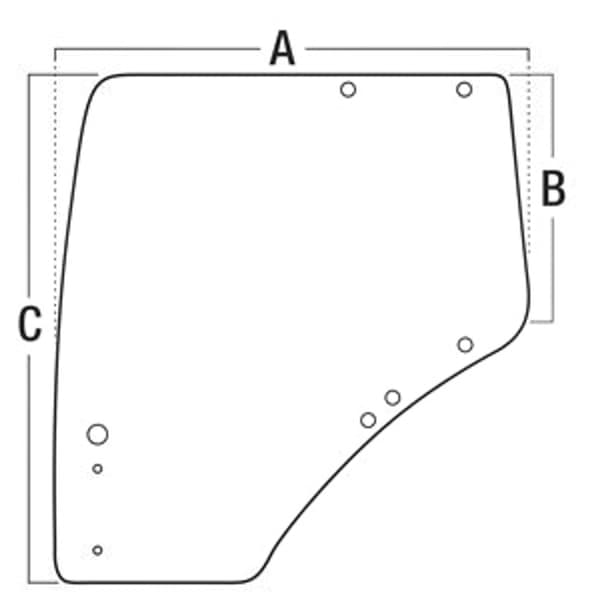
- Measure Carefully: Measure the dimensions of the existing glass (width, height, and thickness). Even slight variations can prevent a proper fit. If the glass is shattered, piece it together as accurately as possible, or refer to the tractor's parts diagram.
- Note the Shape: Pay close attention to the glass's shape, including any curves, cutouts, or mounting holes. Pictures are also helpful.
- Consider the Tint: John Deere offers different glass tint options. If you want to match the existing tint, try to assess its color and opacity.
Madison Tractor’s parts lookup tool can also help. Enter your tractor's model and serial number to find compatible glass options.
Types of John Deere Cab Glass
John Deere tractor cabs typically use tempered or laminated glass, each offering different safety characteristics:
- Tempered Glass: Tempered glass is heat-treated to be much stronger than standard glass. When it breaks, it scatters into small, relatively harmless pieces, reducing the risk of serious injury. This type of glass is commonly used in side and rear windows.
- Laminated Glass: Laminated glass consists of two layers of glass with a plastic interlayer. When it breaks, the plastic interlayer holds the glass fragments together, preventing them from scattering. This type of glass is typically used for windshields for greater safety and protection from debris.
When replacing cab glass, always use the same type of glass that was originally installed to maintain safety standards.
Common Cab Glass Problems and Solutions
Here are some common issues you might encounter with John Deere cab glass, and how to address them:
- Cracks and Chips: Small cracks and chips can often be repaired, especially on laminated windshields. Consider a professional glass repair service for minor damage. However, large cracks or chips that obstruct vision require replacement.
- Shattered Glass: Shattered glass is a clear indication that replacement is necessary. Handle the broken glass carefully to avoid injury.
- Leaks: Leaks around the cab glass can be caused by damaged upper cab door weatherstrip, LH cab door upper weatherstrip, or lower window weatherstrip or improper installation. Replace the seals (including weatherstrips) when replacing the glass, and ensure proper installation to prevent future leaks.
- Clouding or Discoloration: Over time, laminated glass can become cloudy or discolored due to exposure to sunlight and moisture. This reduces visibility and necessitates replacement.
For sealing cab glass, consider using a high-quality automotive-grade silicone sealant. Follow the manufacturer's instructions for application and curing time.
Replacing John Deere Cab Glass: A Step-by-Step Guide
Replacing cab glass can be a DIY project, but it requires patience, the right tools, and a good understanding of the process. If you're not comfortable with this type of work, it's best to consult a professional.
Safety First: Wear safety glasses and gloves to protect yourself from broken glass and sharp edges.
- Remove the Old Glass: Carefully remove any remaining glass fragments. Use a utility knife to cut through any sealant holding the glass in place. Be extremely careful not to damage the surrounding frame. For stubborn glass, a heat gun can help soften the sealant.
- Clean the Frame: Thoroughly clean the frame where the new glass will be installed. Remove any old sealant, dirt, or debris. Use a solvent to remove any residual adhesive.
- Apply Sealant: Apply a continuous bead of high-quality automotive-grade silicone sealant around the frame. Ensure that the sealant is evenly distributed to create a watertight seal.
- Install the New Glass: Carefully position the new glass into the frame. Press it firmly into the sealant to ensure good contact. Use shims or spacers to hold the glass in place while the sealant cures.
- Secure the Glass: Depending on the cab design, you may need to install retaining clips, screws, or other fasteners to secure the glass. Tighten these fasteners to the manufacturer's specifications (if available) or to a snug fit.
- Clean Up: Remove any excess sealant and clean the glass with a glass cleaner.
- Allow to Cure: Allow the sealant to cure completely before operating the tractor. Check the sealant manufacturer's instructions for the recommended curing time.
Torque Specifications: If your tractor's service manual provides torque specifications for the retaining hardware, be sure to follow them. Over-tightening can damage the glass or frame.
Specific Examples:
- John Deere 4020: Replacing the door glass (e.g., a full door glass, upper LH, or lower LH window) on a John Deere 4020 often involves removing the door panel. The same applies to replacing a RH door glass. Take photos during disassembly to remember the location of clips and fasteners.
- John Deere 7700 Combine: Windshield replacement on a 7700 combine might require removing the wiper motor assembly.
- John Deere 6430: Rear Window replacement on a 6430 often requires removing interior trim pieces.
Finding the Right Parts at Madison Tractor
At Madison Tractor, we carry a wide selection of John Deere cab glass for various models, along with parts for many other brands. Whether you need a door window for a classic John Deere 4020 or a windshield for a late-model combine, we can help you find the right part. We offer both OEM and aftermarket options to fit your budget and needs. We stock glass for other makes as well like Case IH, Ford, New Holland, Massey Ferguson, Kubota, Allis Chalmers, Deutz, International Harvester, Oliver, and White tractors. We also stock parts for combines such as Gleaner, and hay equipment from Vermeer and Hesston, as well as tractors from Mahindra and Zetor.
In addition to cab glass, we also carry a full line of other tractor parts, including radiators, water pumps, starters, alternators, hydraulic pumps, cylinders, clutch kits, PTO parts, fuel pumps, carburetors, injectors, filters, gaskets, pistons, bearings, seals, belts, chains, concaves, and sickle sections.
Don't forget to consider other cab components that may need replacing, such as tractor seat suspension, tractor seat cushion and air conditioning components.
OEM vs. Aftermarket Cab Glass
Choosing between OEM (Original Equipment Manufacturer) and aftermarket cab glass is a common decision. Here's a breakdown of the pros and cons:
- OEM Glass: OEM glass is made by the same manufacturer that supplied the original glass for your tractor. It's guaranteed to fit perfectly and meet the original specifications. However, OEM glass is typically more expensive than aftermarket options.
- Aftermarket Glass: Aftermarket glass is made by third-party manufacturers. It can be a more affordable option, but the quality and fit may vary. Choose a reputable aftermarket brand to ensure a good fit and durability.
At Madison Tractor, we offer both OEM and high-quality aftermarket cab glass options. Our knowledgeable staff can help you choose the best option for your needs and budget.
Conclusion
Replacing your John Deere cab glass is an important maintenance task that improves safety, comfort, and visibility. By following the steps outlined in this guide, you can confidently select and install the correct replacement glass for your tractor. Remember to prioritize safety and choose high-quality parts for long-lasting performance.
Ready to get your John Deere tractor cab back in top shape? Shop our selection of John Deere cab glass and other parts at Madison Tractor today! Our expert team is ready to assist you with all your agricultural and outdoor power equipment needs.
🔍 Can't Find Your Part?
Use our AI-Powered Part Finder to search by your equipment's make, model, and what you need. It's the fastest way to find the exact part for your machine.
Try the Part Finder →Part of our comprehensive guide
Tractor Seat Replacement Guide: Find the Right Seat for Your Tractor