🔍 Looking for a specific part? Try our AI Part Finder — tell it your equipment and what you need, and it will find matching parts instantly.
Common Symptoms of a Failing AC Compressor
Recognizing the signs of a failing tractor AC compressor is crucial for timely repair. Here are some telltale symptoms:
- Weak or No Cold Air: This is the most obvious sign. If your AC is blowing warm or only slightly cool air, the compressor might not be functioning correctly.
- Unusual Noises: A failing compressor can produce loud squealing, grinding, or rattling noises, especially when the AC is turned on.
- Clutch Issues: The AC compressor clutch engages and disengages the compressor pulley. If the clutch is slipping, not engaging, or making noise, it could indicate a compressor problem.
- Refrigerant Leaks: Visible refrigerant leaks around the compressor are a sign of damage and potential compressor failure. Look for oily residue near the compressor connections.
- Compressor Not Cycling: The AC compressor should cycle on and off. If it runs constantly or not at all, there may be an electrical or mechanical problem.
Troubleshooting Your Tractor AC System
Before replacing the AC compressor, it's wise to perform some basic troubleshooting steps to rule out other potential issues. Always consult your tractor's service manual for specific instructions and safety precautions. And remember, working with refrigerant requires specialized tools and knowledge; consider consulting a certified HVAC technician.
Preliminary Checks
- Check the Refrigerant Level: Low refrigerant can mimic compressor failure. Use an AC manifold gauge set to check the system pressure. Consult your service manual for the correct pressure readings. Safety Warning: Refrigerant can cause frostbite. Wear appropriate safety gear.
- Inspect the Compressor Clutch: Ensure the clutch is receiving power when the AC is turned on. Use a multimeter to check for voltage at the clutch connector.
- Check the Belt Tension: A loose or worn belt can cause the compressor to slip and not function correctly. Adjust or replace the belt as needed.
- Examine the Condenser and Radiator: Make sure these components are clean and free of debris. A blocked condenser can restrict airflow and reduce cooling efficiency. If your radiator is also clogged, engine overheating can occur.
Advanced Troubleshooting
- Isolate the Problem: Use an AC manifold gauge set to diagnose whether the compressor is building pressure. If the high-side pressure is low and the low-side pressure is high, the compressor may be faulty.
- Check for Blockages: A blocked orifice tube or expansion valve can also cause AC problems. These components restrict refrigerant flow and can lead to compressor overheating and failure.
- Electrical Testing: Use a multimeter to check the wiring and connections to the compressor clutch. Look for shorts, opens, or high resistance.
AC Compressor Replacement: A Step-by-Step Guide
If you've determined that the AC compressor is indeed the problem, here's a general guide to replacing it. This process may vary depending on your specific tractor model, so always refer to your service manual for detailed instructions.
- Safety First: Disconnect the battery's negative terminal to prevent electrical shock.
- Recover Refrigerant: Important: Refrigerant recovery must be performed by a certified technician using approved equipment. It's illegal and harmful to the environment to release refrigerant into the atmosphere.
- Disconnect Hoses: Carefully disconnect the refrigerant hoses from the compressor. Cap or plug the lines to prevent contamination.
- Remove the Compressor: Unbolt the compressor from its mounting bracket and remove it from the engine compartment.
- Prepare the new compressor: Add the correct type and amount of refrigerant oil to the new compressor, as specified in your service manual. Important: Overfilling or using the wrong type of oil can damage the compressor.
- Install the New Compressor: Mount the new compressor onto the bracket and tighten the bolts to the specified torque. Refer to your service manual for the correct torque specifications.
- Connect Hoses: Reconnect the refrigerant hoses to the compressor, using new O-rings if necessary.
- Evacuate and Recharge the System: This step must be performed by a certified technician using approved equipment. The system needs to be evacuated to remove air and moisture, then recharged with the correct amount of refrigerant.
- Test the System: Start the tractor and turn on the AC to verify that it's cooling properly. Check the system pressure with an AC manifold gauge set.
Specific Considerations by Brand
While the general process is similar, there are some brand-specific considerations:
- John Deere: Many John Deere tractors, especially older models, use a specific type of compressor oil. Refer to your John Deere service manual for the correct oil specification. For example, a John Deere 4020 might require a different oil than a newer 6145R. Consider upgrading your John Deere tractor seat while you're at it for added comfort!
- Case IH: Case IH tractors often have complex AC systems with multiple sensors and control modules. Ensure all electrical connections are clean and secure. A Case IH Magnum 250, for example, relies heavily on electronic controls for its AC system.
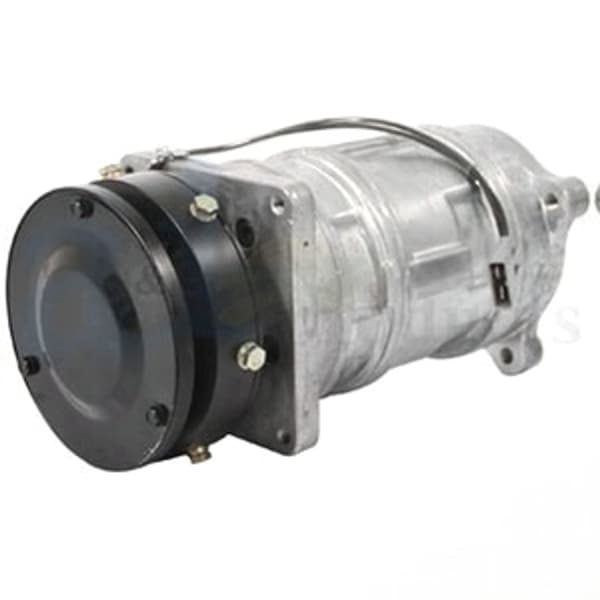
- Ford/New Holland: Some older Ford and New Holland tractors used a York-style compressor, which requires a different mounting and hose configuration than newer compressors. Ensure you purchase the correct replacement compressor for your model. Many classic Ford tractor seats are also due for an upgrade!
- Kubota: Kubota tractors often have compact AC systems that can be difficult to access. Take extra care when disconnecting and reconnecting hoses and electrical connections. Consider a Kubota tractor seat upgrade to enhance operator comfort after your AC repair.
- Massey Ferguson: Massey Ferguson tractors sometimes use different types of refrigerant, depending on the model year. Verify the refrigerant type before recharging the system. Why not complete your tractor overhaul with a new Massey Ferguson tractor seat?
Choosing the Right Replacement AC Compressor
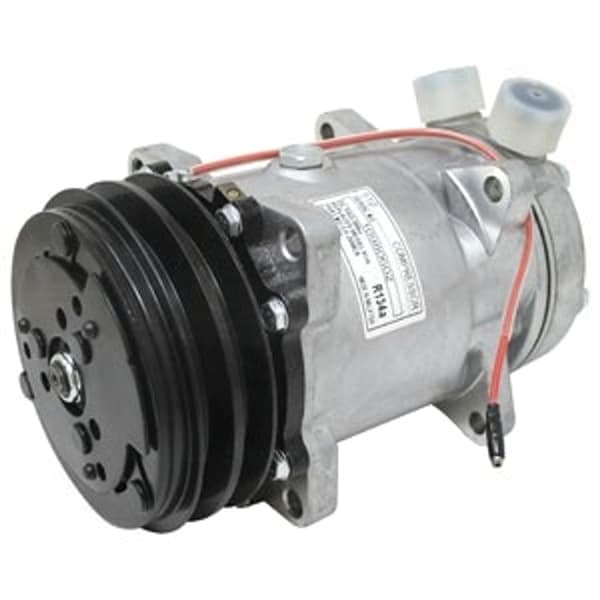
When selecting a replacement AC compressor, ensure it's compatible with your tractor's make, model, and year. You can find the correct compressor by cross-referencing the original OEM part number or by using a parts lookup tool. We carry a wide selection of AC compressors for various tractor brands, including John Deere, Case IH, Ford/New Holland, Kubota, Massey Ferguson, Allis Chalmers, Deutz, International Harvester, Oliver, White, Gleaner, Vermeer, Hesston, Mahindra, and Zetor.
Common OEM part number prefixes to look for include:
- John Deere: RE, AR, AL
- Case IH: A, B, C, D
- Ford/New Holland: E, F, 818
- Kubota: V, TA
Consider purchasing a new dryer and expansion valve at the same time as replacing the compressor. These components are often susceptible to contamination and can reduce the lifespan of your new compressor.
Preventative Maintenance for Your Tractor AC System
Regular maintenance can help extend the life of your tractor AC system and prevent costly repairs. Here are some tips:
- Inspect the System Regularly: Check for leaks, damaged hoses, and loose connections.
- Clean the Condenser and Radiator: Keep these components free of debris to ensure proper airflow.
- Check the Belt Tension: Maintain proper belt tension to prevent slippage.
- Run the AC Regularly: Even during the off-season, run the AC for a few minutes each month to keep the compressor lubricated.
- Consider a Professional Service: Have your AC system professionally serviced every few years to check the refrigerant level, inspect components, and perform necessary maintenance.
Other Important Tractor Parts
While maintaining your AC system, consider the health of other critical tractor components. Regularly inspect your water pump to prevent overheating. Ensure your starter is functioning optimally for reliable starts. Don't forget to check the condition of your hydraulic pump and cylinders for smooth operation. Routine maintenance of these systems will contribute to overall tractor performance and longevity.
Madison Tractor Company: Your Partner in Agricultural Equipment
At Madison Tractor Company, we understand the importance of keeping your agricultural equipment running smoothly. We offer a wide selection of high-quality parts for all major tractor brands, including AC compressors, radiators, water pumps, starters, alternators, hydraulic pumps, cylinders, clutch kits, PTO parts, fuel pumps, carburetors, injectors, filters, gaskets, pistons, bearings, seals, belts, chains, concaves, sickle sections, and more. Browse our extensive online catalog or contact our knowledgeable parts experts for assistance. We're here to help you find the right parts at the right price, so you can get back to work quickly and efficiently. Shop our selection of tractor parts today and experience the Madison Tractor difference!
🔍 Can't Find Your Part?
Use our AI-Powered Part Finder to search by your equipment's make, model, and what you need. It's the fastest way to find the exact part for your machine.
Try the Part Finder →