








John Deere Tractor Seat: OEM & Aftermarket Replacements
A comfortable seat is crucial for long days in the field. This guide helps you choose the right John Deere tractor seat replacement, covering OEM options, aftermarket alternatives, suspension systems, and installation tips.
A long day in the field can be tough, and a comfortable seat can make all the difference. Your John Deere tractor seat is more than just a place to sit; it's a crucial component for operator comfort and overall productivity. Whether you're dealing with a worn-out original or simply looking for an upgrade, this guide will help you navigate the options and find the perfect replacement for your John Deere machine. Here at Madison Tractor, we understand the importance of operator comfort, and we’re here to help you find the right seat for your needs.
Recommended Parts for This Guide
7 parts we recommend — in stock, ships fast, one-click add to cart.
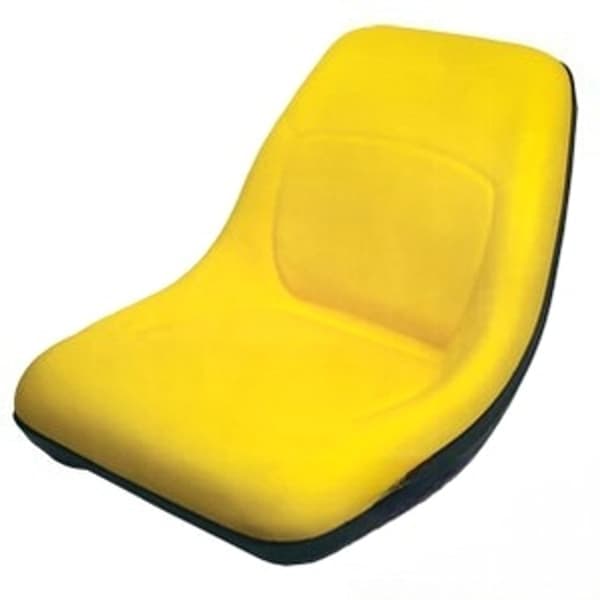
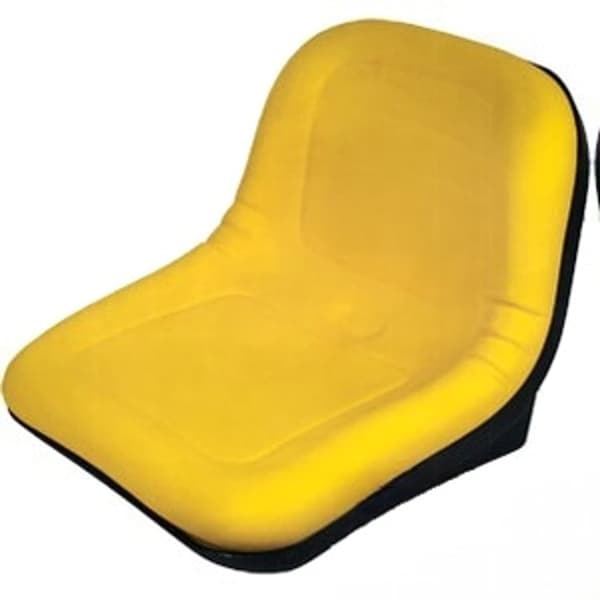
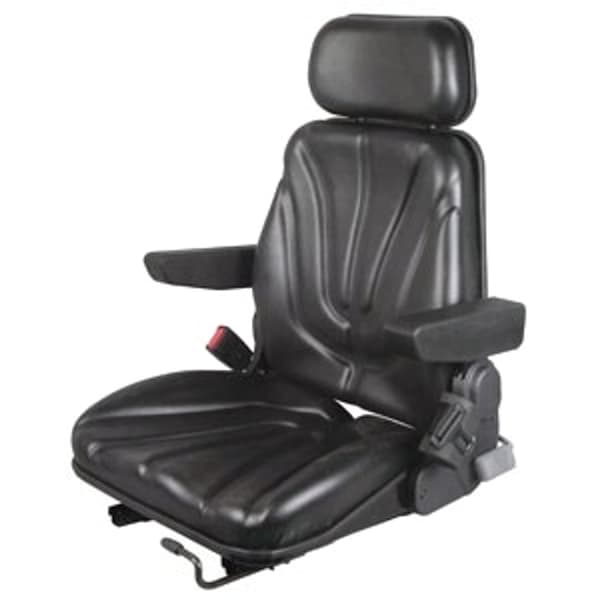
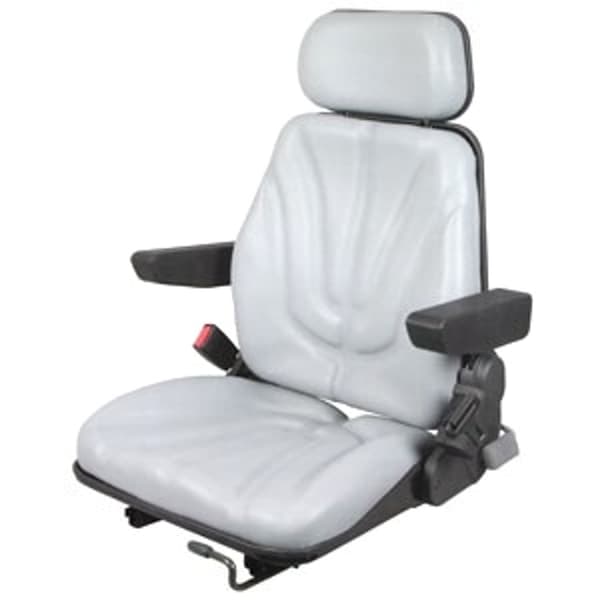
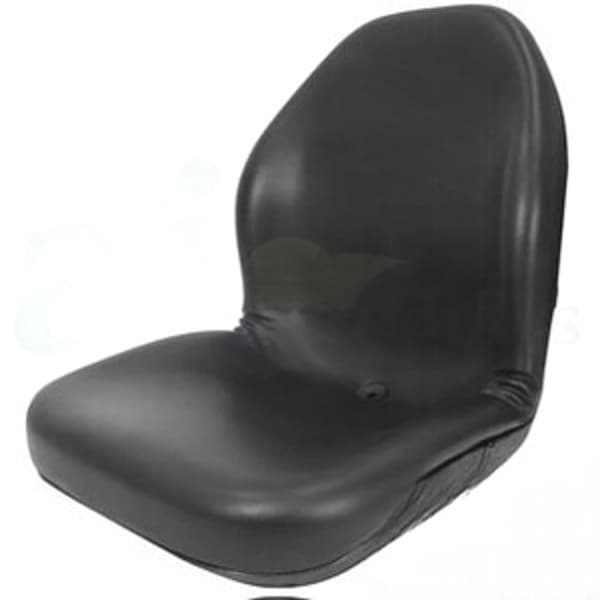
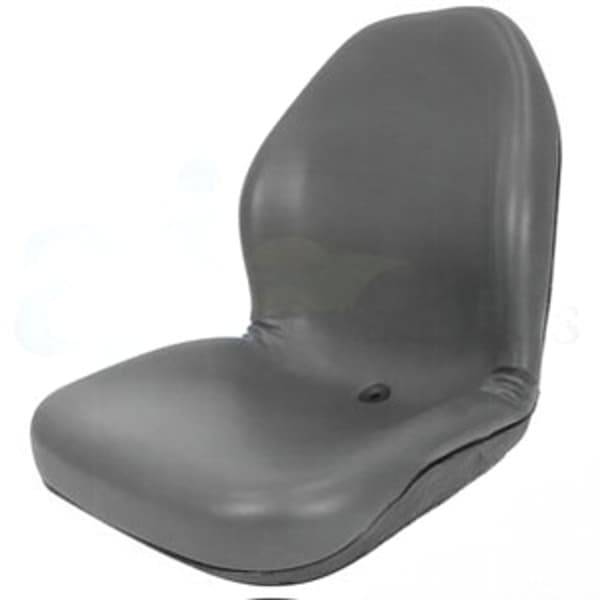
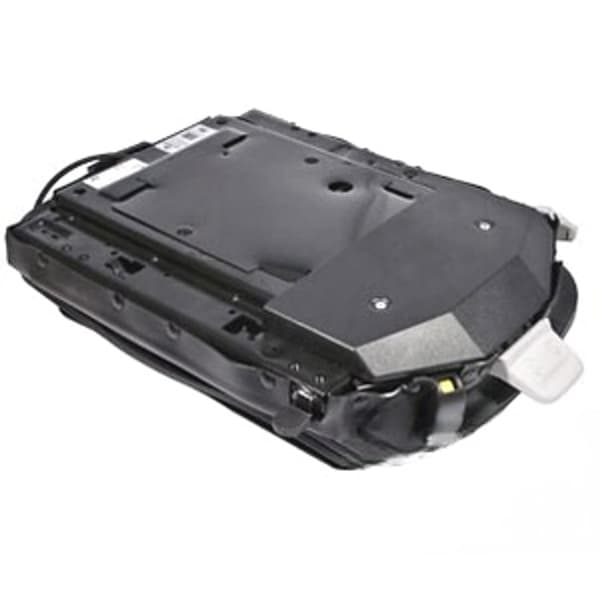
🔍 Looking for a specific part? Try our AI Part Finder — tell it your equipment and what you need, and it will find matching parts instantly.
OEM vs. Aftermarket John Deere Tractor Seats
The first decision you'll face is whether to choose an OEM (Original Equipment Manufacturer) or aftermarket John Deere tractor seat. Both have their pros and cons:
OEM Seats
Pros:
- Perfect Fit: Designed specifically for your John Deere model, ensuring seamless installation and compatibility.
- Original Quality: Built to meet John Deere's rigorous standards, often providing superior durability and longevity.
- Resale Value: Maintaining OEM components can enhance the resale value of your tractor.
Cons:
- Higher Cost: OEM seats typically come with a premium price tag.
- Limited Availability: Depending on the age of your tractor, finding an OEM seat might be challenging.
Aftermarket Seats
Pros:
- Lower Cost: Aftermarket seats are generally more affordable than OEM options.
- Wider Selection: A vast range of styles, features, and price points are available.
- Enhanced Features: Many aftermarket seats offer improved suspension, lumbar support, and other comfort features not found in the original seat.
Cons:
- Variable Quality: Aftermarket quality can vary significantly; research brands and read reviews carefully.
- Fitment Issues: Ensure the seat is compatible with your tractor model to avoid installation headaches. Many seats are designed as universal tractor seats and may require some modification.
- Durability: Some aftermarket seats may not last as long as OEM options, especially in demanding conditions.
Understanding John Deere tractor seat suspension
The suspension system plays a crucial role in seat comfort, absorbing shocks and vibrations from rough terrain. Here's an overview of common types:
Mechanical Suspension
This is the most basic type, utilizing springs and dampers to cushion the ride. It's often found on older or smaller tractors. While simple and reliable, mechanical suspension may not provide adequate comfort on very bumpy terrain. Some mechanical suspensions are adjustable for operator weight. Check the seat manufacturer's specifications to ensure the adjustment is set correctly. Consider an upgrade to improve your tractor seat suspension, perhaps with a dedicated suspension unit, or a bottom cushion designed for mechanical suspension.
Air Ride Suspension
Air ride systems use an air bladder to provide adjustable cushioning. They offer superior comfort compared to mechanical suspension, especially on uneven surfaces. Many air ride seats include features like height adjustment, fore/aft adjustment, and adjustable lumbar support. Air ride seats require an air compressor, which may be integrated into the seat or supplied separately. Inspect air lines regularly for leaks.
Hydraulic Suspension
Hydraulic suspension systems utilize hydraulic cylinders to absorb shocks and vibrations. They are often found on larger, high-horsepower tractors and offer excellent comfort and stability. Hydraulic systems are generally more complex and expensive than mechanical or air ride options.
Choosing the Right Seat for Your John Deere Model
Finding the right John Deere tractor seat requires considering your specific model and needs. Here's a breakdown of some popular models and compatible seat options:
- John Deere 4020, 3020, 2020 Series: MSG95741BNC, MSG95741GRC, MSG75GBLV
- John Deere 40 Series (4040, 4240, 4440): These tractors often benefit from an air ride seat upgrade for enhanced comfort during long hours in the field. Check for seats specifically designed for these models to ensure proper fitment.
- John Deere Compact Tractors (1025R, 2032R, 3038E): These smaller tractors often come with basic seats. Consider a seat with improved cushioning and back support for added comfort, or a simple upgrade like the LGT125BL black vinyl seat.
- John Deere Combines (S Series, T Series): Combine operators spend long hours harvesting. An air ride seat with adjustable features is essential for maximizing comfort and reducing fatigue. Also, make sure to inspect other cab parts like radiators and water pumps for optimal performance during harvest season.
When choosing a seat, consider these factors:
- Your Height and Weight: Select a seat that can comfortably accommodate your body size.
- Operating Conditions: If you frequently operate on rough terrain, choose a seat with robust suspension.
- Desired Features: Consider features like lumbar support, armrests, headrests, and swivel bases, or even an instructional seat if you train new operators.
Installation Tips for Your New John Deere Tractor Seat
Installing a new John Deere tractor seat is a straightforward process for most models. However, always consult your tractor's service manual for specific instructions and safety precautions. Here's a general guide:
- Disconnect the Battery: This is a crucial safety step to prevent electrical shock or damage.
- Remove the Old Seat: Locate the bolts or fasteners securing the old seat to the tractor. Remove them carefully. You may need penetrating oil to loosen rusted bolts.
- Prepare the Mounting Surface: Clean the mounting surface on the tractor to ensure a secure and stable fit for the new seat.
- Install the New Seat: Align the new seat with the mounting holes and secure it with the appropriate bolts or fasteners. Tighten the bolts to the specified torque (refer to your tractor's service manual or the seat manufacturer's instructions).
- Connect Wiring (if applicable): If your new seat has electrical features like air ride suspension or a heated cushion, connect the wiring according to the manufacturer's instructions. Be sure to use proper connectors and ensure a secure connection.
- Test the Seat: Before operating the tractor, test the seat to ensure it is properly installed and all features are functioning correctly. Adjust the suspension and other settings to your preferred comfort level.
Safety Warning: Always wear safety glasses and gloves when working on your tractor. Use proper lifting techniques to avoid injury. If you're not comfortable performing the installation yourself, consult a qualified mechanic.
Maintaining Your John Deere Tractor Seat
Proper maintenance can extend the life of your John Deere tractor seat and keep it looking its best:
- Regular Cleaning: Wipe down the seat with a damp cloth to remove dirt and debris. Use a mild soap if necessary. Avoid harsh chemicals or abrasive cleaners.
- Protect from the Elements: When the tractor is not in use, park it in a shed or garage to protect the seat from sun and rain. A tractor seat cover can also provide protection.
- Inspect Regularly: Check for signs of wear and tear, such as cracks, tears, or loose fasteners. Address any issues promptly to prevent further damage.
- Lubricate Moving Parts: If your seat has adjustable features, lubricate the moving parts with a light oil or grease to ensure smooth operation.
Just like any other tractor part, seats are model-specific. We also carry replacement parts for Ford, New Holland, Case IH, Massey Ferguson, Kubota, Allis Chalmers, Deutz, International Harvester, Oliver, White, Gleaner, Vermeer, Hesston, Mahindra, and Zetor tractors. You can find radiators, water pumps, starters, alternators, hydraulic pumps, cylinders, clutch kits, PTO parts, fuel pumps, carburetors, injectors, filters, gaskets, pistons, bearings, seals, belts, chains, concaves, and sickle sections in our online shop.
Related Cab & Comfort Parts
Don't forget to check other parts related to operator comfort. A tractor seat cushion, such as a replacement bottom cushion, can add an extra layer of comfort, and can be upgraded with gel or memory foam. We also stock cab glass, door handles, mirrors, and other parts for maintaining a comfortable and safe operating environment.
If you are looking for a seat for another tractor brand, check out our articles on Ford tractor seats, Kubota tractor seats, Case IH tractor seats, and Massey Ferguson tractor seats.
By following these tips, you can find the perfect John Deere tractor seat and enjoy a more comfortable and productive operating experience.
Ready to upgrade your seat? Shop our extensive selection of John Deere tractor seats and other parts at Madison Tractor Company! We have the parts you need to keep your equipment running smoothly.
🔍 Can't Find Your Part?
Use our AI-Powered Part Finder to search by your equipment's make, model, and what you need. It's the fastest way to find the exact part for your machine.
Try the Part Finder →Part of our comprehensive guide
Tractor Seat Replacement Guide: Find the Right Seat for Your Tractor