








Massey Ferguson Hydraulic Problems: Lift, Drift & Leaks
Experiencing hydraulic problems with your Massey Ferguson tractor? This guide covers common issues like lift problems, hydraulic drift, and leaks, offering practical troubleshooting tips and solutions to get you back in the field.
Massey Ferguson tractors, renowned for their reliability and durability, are workhorses on farms across the globe. However, like any piece of machinery, they can experience hydraulic problems over time. Hydraulic issues can manifest in various ways, including lift problems, unwanted implement drift, and fluid leaks. This guide, brought to you by the experts at Madison Tractor Company, will help you diagnose and address common Massey Ferguson hydraulic problems, keeping your tractor operating at peak performance. We carry a wide selection of parts for Massey Ferguson as well as other major brands like John Deere, Case IH, Ford/New Holland, and Kubota. Let's get started.
Recommended Parts for This Guide
10 parts we recommend — in stock, ships fast, one-click add to cart.
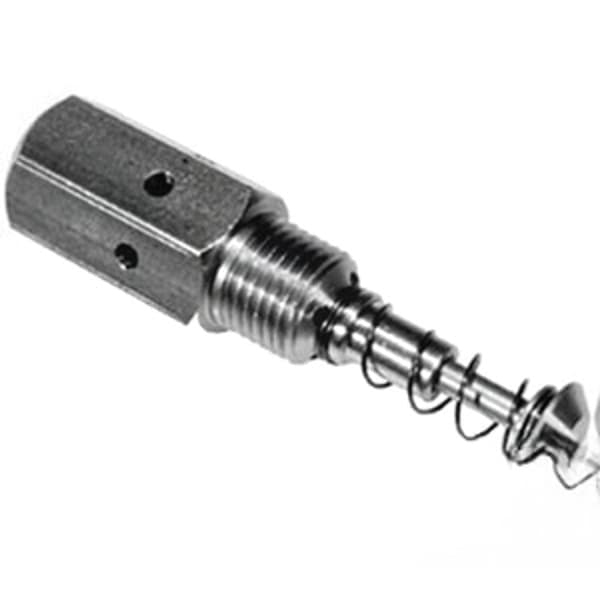
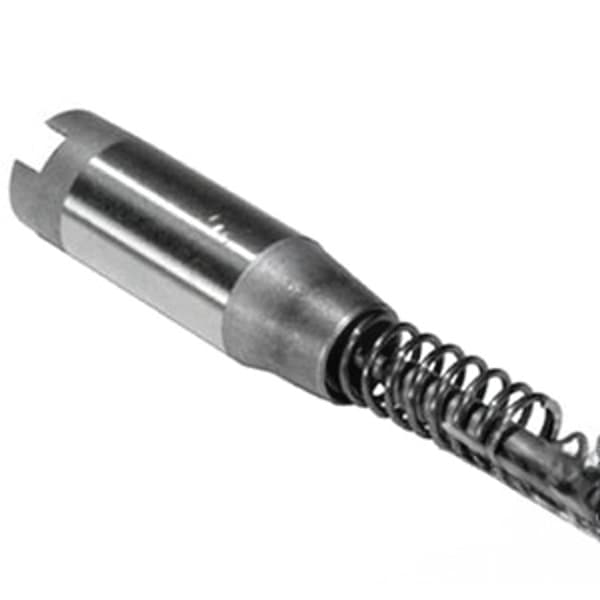
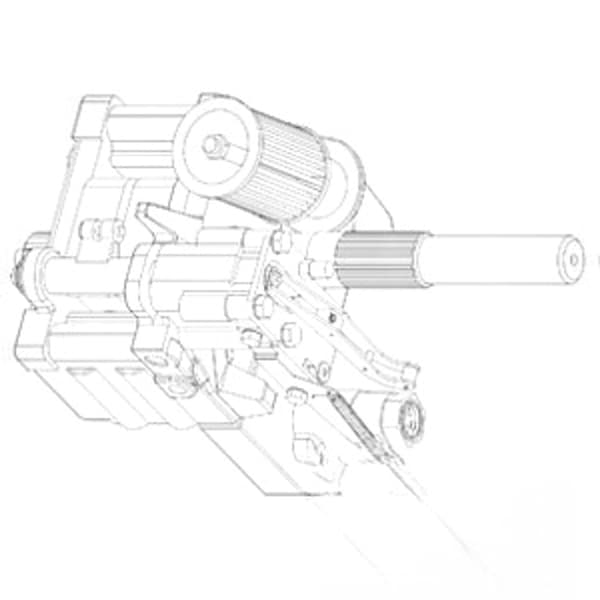
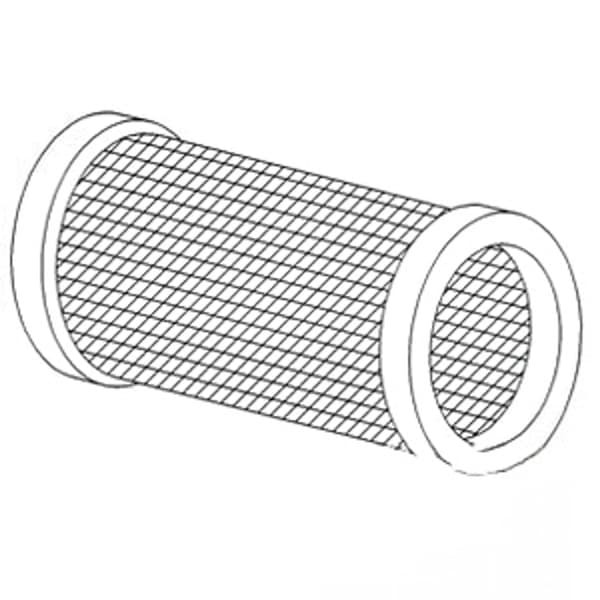
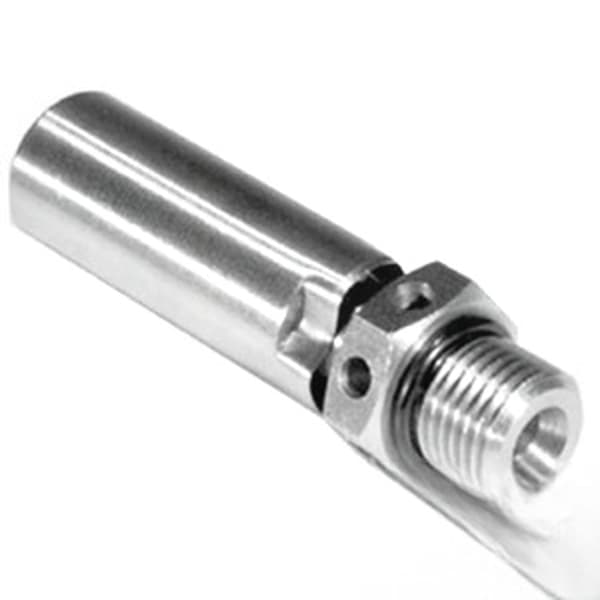
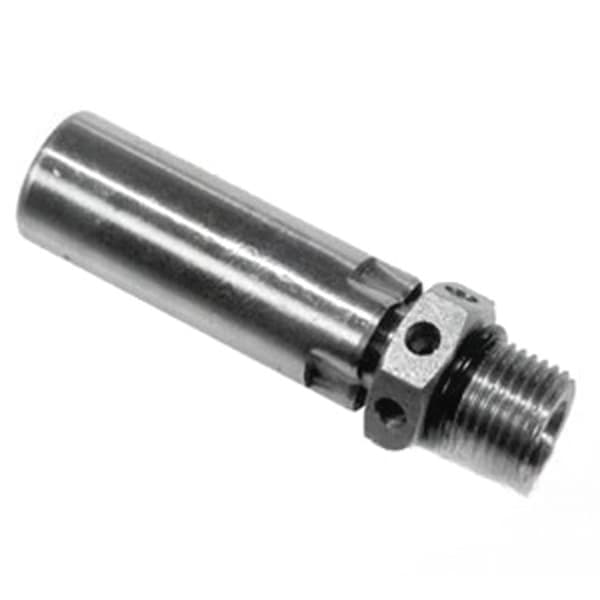
🔍 Looking for a specific part? Try our AI Part Finder — tell it your equipment and what you need, and it will find matching parts instantly.
Understanding Massey Ferguson Hydraulic Systems
Before diving into specific problems, it's important to understand the basic components of your Massey Ferguson's hydraulic system. The key parts include:
- Hydraulic Pump: The heart of the system, providing the necessary pressure to operate hydraulic components. Consider checking out our article on Massey Ferguson hydraulic pump for more in-depth information on pump types and troubleshooting. Madison Tractor offers a full range of Massey Ferguson hydraulic pumps.
- Hydraulic Reservoir: Stores the hydraulic fluid.
- Control Valves: Direct fluid flow to different hydraulic circuits, like the three-point hitch, remote valves, and power steering.
- Hydraulic Cylinders: Convert hydraulic pressure into mechanical force, powering implements and steering. Learn more about these in our article about the tractor hydraulic cylinder.
- Hydraulic Lines and Hoses: Transport fluid throughout the system. You can find the correct replacements in our guide for tractor hydraulic hose.
- Hydraulic Filter: Removes contaminants from the fluid, protecting sensitive components. Be sure to maintain clean fluid by using the correct tractor hydraulic filter.
Understanding how these components work together is crucial for effective troubleshooting.
Common Hydraulic Problems and Solutions
1. Three-Point Hitch Lift Problems
A common issue is the three-point hitch failing to lift or lifting weakly. This could be caused by several factors:
- Low Hydraulic Fluid Level: Check the reservoir and add fluid as needed. Refer to your operator's manual for the correct fluid type and capacity. Using the wrong type of hydraulic fluid can damage seals and cause performance issues.
- Worn Hydraulic Pump: A worn pump can't generate sufficient pressure. To test the pump, use a pressure gauge to check the output pressure at the test port. Consult your service manual for the correct pressure specifications. If the pressure is low, the pump may need rebuilding or replacing. Madison Tractor stocks replacement hydraulic pumps for Massey Ferguson tractors. You may find suitable replacements by cross-referencing OEM numbers like 188367M91 for many MF models.
- Internal Leakage: Leaks within the hydraulic system can reduce pressure. Check for leaks around cylinders, valves, and hoses. Internal leakage can also occur within the lift cylinder itself.
- Stuck or Malfunctioning Control Valve: A stuck valve can restrict fluid flow. Try cycling the lift lever several times. If the problem persists, the valve may need cleaning or replacement.
- Contaminated Hydraulic Fluid: Dirty fluid can damage components and reduce performance. Change the hydraulic fluid and filter according to the manufacturer's recommendations. Don't forget to properly dispose of the old hydraulic fluid.
Example: On a Massey Ferguson 135, a weak three-point hitch is often traced back to a worn hydraulic pump or low fluid level. Ensure the fluid meets the manufacturer's specifications (often a UTF - Universal Tractor Fluid) and that the pump is delivering the correct pressure (typically around 2500 PSI).
2. Hydraulic Drift
Hydraulic drift refers to the gradual lowering of a raised implement or attachment when the control lever is in the neutral position. This indicates a leak in the system.
- Internal Cylinder Leakage: This is the most common cause of drift. The seals within the cylinder are worn, allowing fluid to bypass the piston. Rebuilding or replacing the cylinder is the solution. You can find replacement hydraulic cylinders and seal kits at Madison Tractor.
- Control Valve Leakage: Worn or damaged control valves can also leak internally, causing drift. Inspect the valves for wear and replace them if necessary.
- Worn Spool Valves: Wear on the spool valves within the hydraulic control block can lead to internal leakage and subsequent drift.
Example: A Massey Ferguson 265 exhibiting hydraulic drift when using a loader often points to leaky loader cylinders. Replacing the cylinder seals or the entire cylinder will typically resolve this issue.
3. Hydraulic Leaks
External hydraulic leaks are easy to spot and should be addressed promptly to prevent fluid loss and potential damage to the environment.
- Loose Fittings: Check all fittings for tightness. Use the correct torque specifications when tightening.
- Damaged Hoses: Inspect hoses for cracks, abrasions, and leaks. Replace damaged hoses immediately. Madison Tractor carries a wide variety of hydraulic hoses for all Massey Ferguson models.
- Worn Seals and O-rings: Replace worn seals and O-rings in cylinders, valves, and pumps.
- Cracked or Damaged Components: Inspect components for cracks or damage. Replace damaged parts.
Safety Warning: Hydraulic fluid can be injected under the skin at high pressure, causing serious injury. Never use your hand to check for leaks. Always use a piece of cardboard or wood. If you suspect a hydraulic injection injury, seek immediate medical attention.
4. Overheating Hydraulic Fluid
- Low Fluid Level: Low fluid level can cause the pump to cavitate, generating heat.
- Clogged Hydraulic Filter: A clogged filter restricts fluid flow, causing the pump to work harder and generate heat. Change the filter regularly.
- Incorrect Hydraulic Fluid: Using the wrong type of fluid can cause excessive friction and heat.
- Faulty Relief Valve: A faulty relief valve can cause the system pressure to remain high, generating heat.
- Restricted Return Line: Check the return line to the reservoir for any kinks or obstructions.
Example: On older Massey Ferguson models, ensure the radiator is clean and functioning properly. A partially blocked radiator can contribute to overall overheating, indirectly affecting the hydraulic system.
5. Noisy Hydraulic Pump
A noisy hydraulic pump often indicates cavitation or aeration (air in the system).
- Low Fluid Level: Air can enter the system when the fluid level is low.
- Loose Suction Line Fittings: Air can be drawn into the system through loose fittings on the suction side of the pump.
- Damaged Suction Line: Inspect the suction line for cracks or damage.
- Clogged Suction Strainer: A clogged strainer restricts fluid flow to the pump, causing cavitation.
- Worn Pump: A worn pump can also be noisy.
Preventative Maintenance for Massey Ferguson Hydraulics
Regular maintenance is key to preventing hydraulic problems. Here are some important steps:
- Check Hydraulic Fluid Level Regularly: Maintain the correct fluid level.
- Change Hydraulic Fluid and Filter as Recommended: Follow the manufacturer's recommendations for fluid and filter changes.
- Inspect Hoses and Fittings Regularly: Check for leaks and damage.
- Lubricate Moving Parts: Keep all moving parts lubricated.
- Store Your Tractor Properly: Protect your tractor from the elements when not in use.
When replacing hydraulic components, always use high-quality parts from a trusted supplier like Madison Tractor Company. We offer a wide selection of parts for Massey Ferguson and other major brands, including Allis Chalmers, Deutz, International Harvester, Oliver, White, Gleaner, Vermeer, Hesston, Mahindra, and Zetor. From clutch kits to PTO parts to filters, we have you covered.
Torque Specifications and Fluid Capacities
Always consult your Massey Ferguson service manual for specific torque specifications and fluid capacities for your particular model. Here are some general guidelines:
- Hydraulic Hose Fittings: Torque to the manufacturer's specifications. Overtightening can damage the fitting.
- Hydraulic Filter: Hand-tighten, then turn an additional half to three-quarters of a turn.
- Hydraulic Fluid Capacity: Varies by model. Refer to your operator's manual. For example, the MF 135 typically holds around 5 gallons of hydraulic fluid.
Conclusion
By understanding the basics of your Massey Ferguson's hydraulic system and following these troubleshooting tips, you can diagnose and address many common hydraulic problems. Regular maintenance and the use of high-quality replacement parts will help keep your tractor operating reliably for years to come. Remember to consult your service manual for specific instructions and safety precautions related to your model.
Is your Massey Ferguson tractor in need of repair? Madison Tractor Company is your one-stop shop for high-quality Massey Ferguson tractor parts. Shop our extensive online catalog today and get your tractor back in the field quickly!
🔍 Can't Find Your Part?
Use our AI-Powered Part Finder to search by your equipment's make, model, and what you need. It's the fastest way to find the exact part for your machine.
Try the Part Finder →Part of our comprehensive guide
Tractor Hydraulic System Guide: Pumps, Cylinders & Troubleshooting