








John Deere Hydraulic Cylinder: Loader & 3-Point Hitch
Understanding John Deere hydraulic cylinders is crucial for maintaining your tractor's loader and 3-point hitch. This guide covers common issues, repair tips, and how to find the right replacement cylinders for your specific model.
Understanding John Deere Hydraulic Cylinders
John Deere tractors rely heavily on hydraulic systems for various functions, with hydraulic cylinders playing a critical role in operating loaders, 3-point hitches other implements. These cylinders convert hydraulic pressure into linear motion, enabling you to lift, push pull with ease. Without properly functioning cylinders, your tractor's productivity is severely limited. This guide provides insights into common issues, maintenance tips replacement options for John Deere hydraulic cylinders.
Recommended Parts for This Guide
9 parts we recommend — in stock, ships fast, one-click add to cart.

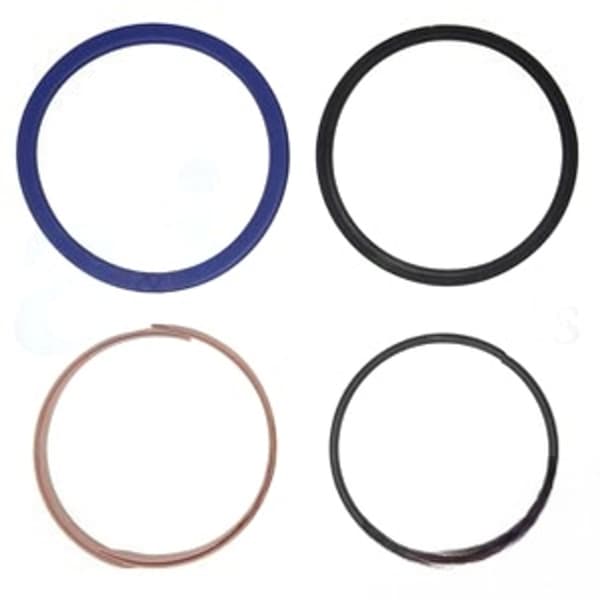
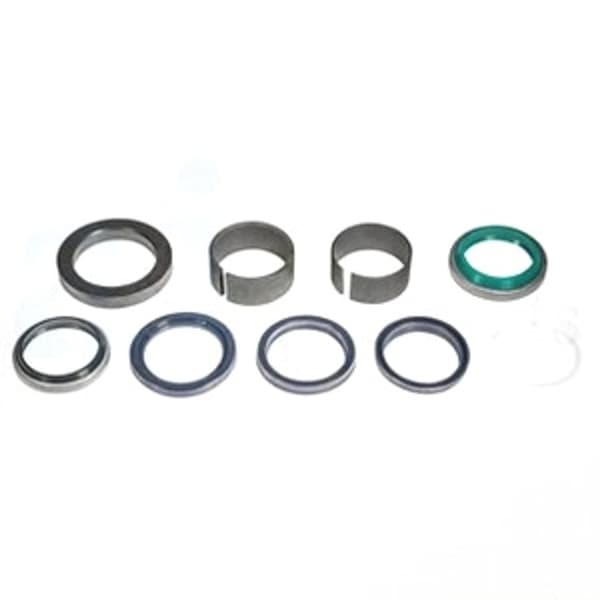
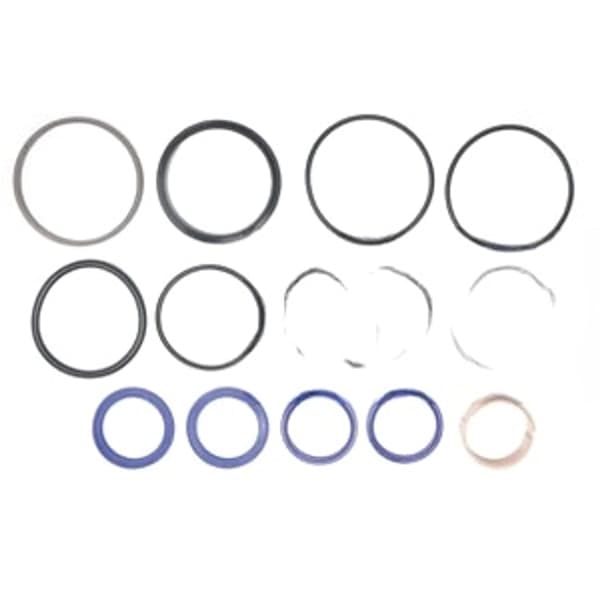
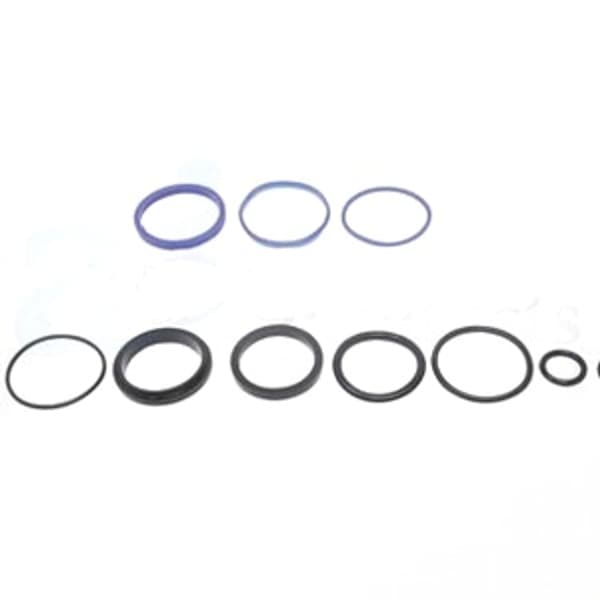
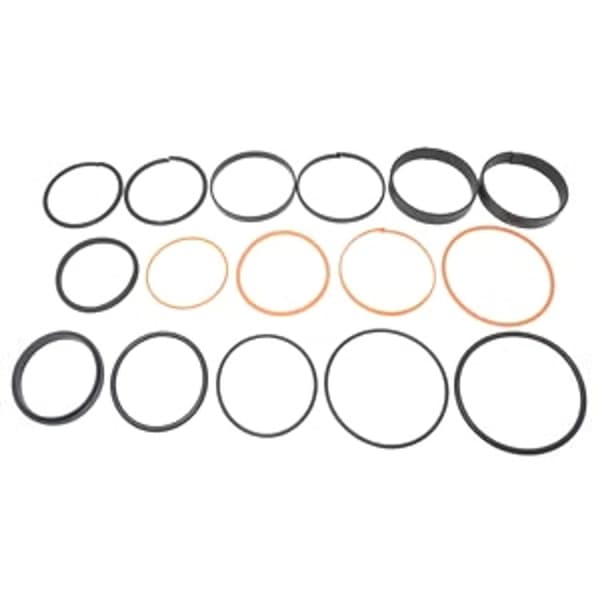
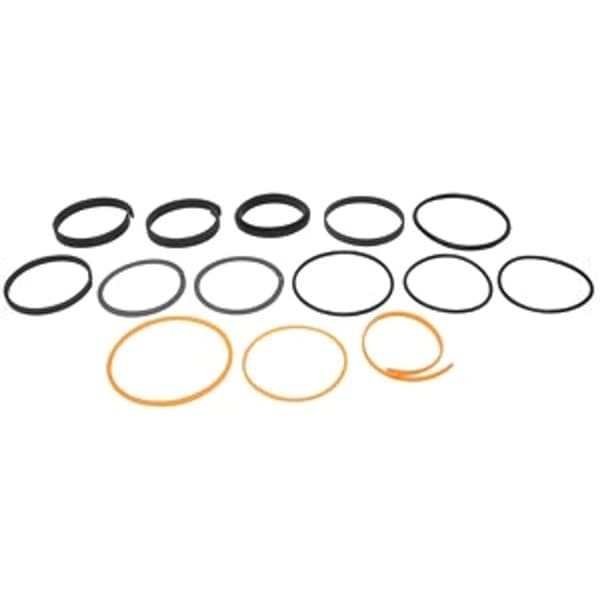
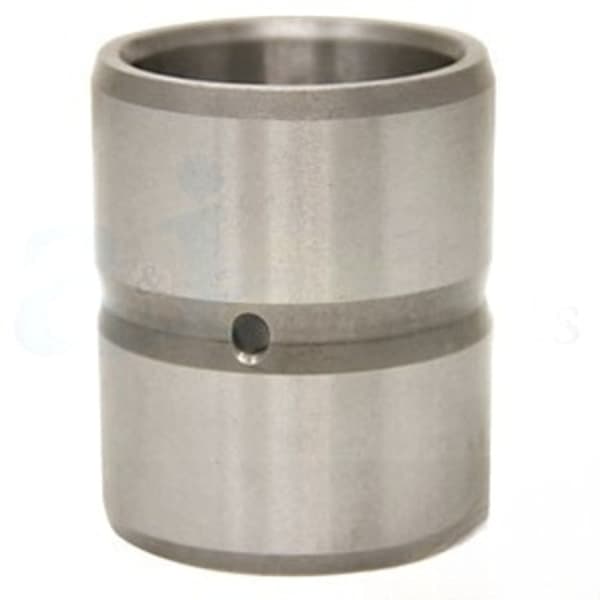
🔍 Looking for a specific part? Try our AI Part Finder — tell it your equipment and what you need, and it will find matching parts instantly.
We stock hydraulic cylinders for a wide range of tractors, including John Deere, Case IH, Ford, New Holland, Massey Ferguson, Kubota, Allis Chalmers, Deutz, International Harvester, Oliver, White, Gleaner, Vermeer, Hesston, Mahindra Zetor. Whether you need a cylinder for your loader, 3-point hitch, or steering system, we can help you find the right part.
Hydraulic Cylinder Basics
A hydraulic cylinder consists of a cylindrical barrel, a piston, a piston rod seals. Hydraulic fluid is pumped into the cylinder, applying pressure to the piston. This pressure forces the piston to move, extending or retracting the piston rod. The movement of the rod then performs the desired work, such as lifting a loader bucket or raising a 3-point hitch. Different types of cylinders exist, with single-acting cylinders extending in one direction and requiring an external force for retraction, while double-acting cylinders can both extend and retract using hydraulic pressure.
The performance of your tractor hydraulic cylinder hinges on several factors, including the integrity of the seals, the cleanliness of the hydraulic fluid the overall condition of the cylinder components. Regular maintenance is crucial for preventing premature wear and ensuring optimal performance.
Common Problems with John Deere Hydraulic Cylinders
Several issues can affect the performance of your John Deere hydraulic cylinders. Here are some of the most common
- Leaks Leaks are a common problem, usually caused by worn or damaged seals. Check the rod end, the barrel the fittings for signs of leaks. A small leak can often be fixed by replacing the seals, but a larger leak might indicate damage to the cylinder barrel or piston rod.
- Slow or Erratic Movement This can be caused by low hydraulic fluid levels, air in the system, a faulty John Deere tractor hydraulic pump, or internal damage to the cylinder. Bleeding the air from the system or checking the fluid level might resolve the issue, but further investigation may be necessary.
- Drifting Drifting occurs when the cylinder slowly retracts or extends on its own, even when the control valve is in the neutral position. This often indicates internal leakage within the cylinder, typically caused by worn piston seals.
- Bent or Damaged Piston Rod A bent or damaged piston rod can prevent the cylinder from operating smoothly and may cause damage to the seals. This is often caused by excessive force or impact.
- Corrosion Corrosion can damage the cylinder barrel and piston rod, leading to leaks and reduced performance. Regular cleaning and lubrication can help prevent corrosion.
Troubleshooting John Deere Hydraulic Cylinders
When troubleshooting hydraulic cylinder problems, start with the basics
- Check Hydraulic Fluid Level Ensure the hydraulic fluid reservoir is at the proper level. Low fluid levels can cause cavitation and reduce hydraulic pressure.
- Inspect for Leaks Carefully inspect the cylinder, hoses (see Tractor Hydraulic Hose: Sizing, Pressure Ratings & Fittings) fittings for any signs of leaks. Tighten loose fittings or replace damaged hoses.
- Bleed the Hydraulic System Air in the system can cause erratic movement. Refer to your tractor's service manual for instructions on bleeding the hydraulic system.
- Inspect the Cylinder Look for signs of damage, such as dents, scratches, or corrosion. A damaged cylinder may need to be repaired or replaced.
- Check Hydraulic Pressure Use a hydraulic pressure gauge to check the pressure at the cylinder. Compare the reading to the specification in your tractor's service manual. Low pressure may indicate a problem with the hydraulic pump or control valve.
Safety Warning Always relieve hydraulic pressure before working on hydraulic cylinders or hoses. Hydraulic fluid under pressure can cause serious injury.
Repairing vs. Replacing Hydraulic Cylinders
The decision to repair or replace a hydraulic cylinder depends on the extent of the damage and the cost of repair. Minor leaks can often be fixed by replacing the seals. Seal kits are readily available for most John Deere models. For example, a seal kit for a John Deere 4020 loader cylinder might include OEM part number. However, if the cylinder barrel or piston rod is damaged, replacement is usually the more cost-effective option. Also, consider the labor cost involved in rebuilding a cylinder versus the cost of a new cylinder. For many older tractors, such as the John Deere A or B, the cost of a new cylinder can be surprisingly reasonable.
Replacing John Deere Hydraulic Cylinders: Step-by-Step
Here's a general guide for replacing a John Deere hydraulic cylinder. Always consult your tractor's service manual for specific instructions and torque specifications.
- Gather Tools and Materials You'll need wrenches, sockets, a hydraulic jack, safety stands, new hydraulic fluid the replacement cylinder.
- Relieve Hydraulic Pressure Lower the implement to the ground and turn off the tractor. Disconnect the hydraulic hoses from the cylinder and allow any remaining pressure to bleed off.
- Support the Implement Use a hydraulic jack and safety stands to securely support the implement.
- Remove the Old Cylinder Remove the pins or bolts that secure the cylinder to the implement and the tractor. Be careful not to damage the mounting points.
- Install the New Cylinder Align the new cylinder with the mounting points and secure it with the pins or bolts. Torque the bolts to the specification in your tractor's service manual.
- Connect the Hydraulic Hoses Connect the hydraulic hoses to the cylinder, ensuring they are properly tightened.
- Bleed the Hydraulic System Start the tractor and slowly operate the implement to bleed any air from the system. Check for leaks and tighten any loose fittings.
- Check Operation Verify that the cylinder operates smoothly and correctly.
Example Replacing a John Deere 3-point hitch cylinder on a 3020 might involve removing the lower link arms, disconnecting the hydraulic lines removing the pivot pins. Torque specifications for the pivot pins will be found in the service manual.
Selecting the Right Replacement John Deere Hydraulic Cylinder
Choosing the correct replacement John Deere hydraulic cylinder is crucial for ensuring proper operation and compatibility. Consider the following factors
- OEM Part Number The best way to ensure you get the right cylinder is to use the OEM part number. You can find this number in your tractor's parts catalog or by contacting your local John Deere dealer. Madison Tractor Company also stocks aftermarket cylinders that meet or exceed OEM specifications.
- Cylinder Size Measure the bore (internal diameter) and stroke (length of travel) of the old cylinder. The replacement cylinder should have the same dimensions.
- Mounting Style Ensure the mounting style (e.g., clevis, pin eye) matches your tractor and implement.
- Pressure Rating The cylinder's pressure rating should be equal to or greater than the maximum hydraulic pressure of your tractor's system.
Example For a John Deere 4440 tractor loader, you might need a cylinder with a 3-inch bore, 24-inch stroke a pressure rating of 3000 PSI.
Maintaining Your John Deere Hydraulic Cylinders
Proper maintenance can extend the life of your hydraulic cylinders and prevent costly repairs. Here are some tips
- Regularly Inspect for Leaks Check for leaks around the rod end, barrel fittings. Repair any leaks promptly.
- Keep Cylinders Clean Clean the cylinders regularly to remove dirt, mud debris. This will help prevent corrosion and damage to the seals.
- Lubricate Pivot Points Lubricate the pivot points of the cylinder and implement to reduce wear and prevent binding.
- Use the Correct Hydraulic Fluid Use the type of hydraulic fluid recommended in your tractor's service manual. Contaminated or incorrect fluid can damage the cylinders and other hydraulic components. You should also change your tractor hydraulic filter according to the manufacturer's recommendations.
- Protect Piston Rods Protect exposed piston rods from damage by using rod boots or guards.
Madison Tractor Company offers a wide range of hydraulic cylinders, seals other parts for John Deere tractors and other brands. Whether you need a replacement cylinder for your loader, 3-point hitch, or steering system, we have the parts you need to keep your tractor running smoothly. We also carry a full line of other essential parts, including radiators, water pumps, starters, alternators, clutch kitsPTO parts.
Shop John Deere Hydraulic Cylinder Parts at Madison Tractor
At Madison Tractor Company, we're committed to providing high-quality parts and exceptional customer service. We understand the importance of keeping your equipment running smoothly we're here to help you find the right parts for your needs. Browse our extensive selection of John Deere hydraulic cylinders and other tractor parts today. Don't hesitate to contact us with any questions – our team of experienced parts experts is ready to assist you!
🔍 Can't Find Your Part?
Use our AI-Powered Part Finder to search by your equipment's make, model, and what you need. It's the fastest way to find the exact part for your machine.
Try the Part Finder →Part of our comprehensive guide
Tractor Hydraulic System Guide: Pumps, Cylinders & Troubleshooting