








Tractor Valve Cover Gasket: Oil Leak Fix by Engine
A leaking valve cover gasket on your tractor can lead to a messy engine bay and, more importantly, potential engine damage. This guide walks you through diagnosing and replacing your valve cover gasket, saving you time and money.
Identifying a Leaky Tractor valve cover gasket
One of the most common oil leaks on a tractor engine originates from the valve cover gasket. This gasket seals the valve cover to the cylinder head, preventing oil from escaping the valve train area. Over time, the gasket can become brittle, cracked, or compressed, leading to leaks. Ignoring these leaks can result in oil loss, a dirty engine bay, and potentially more serious engine damage if oil levels drop too low.
Recommended Parts for This Guide
4 parts we recommend — in stock, ships fast, one-click add to cart.
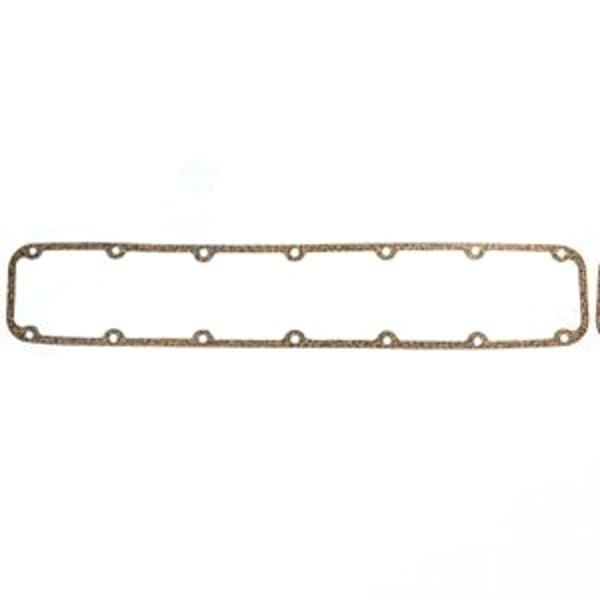
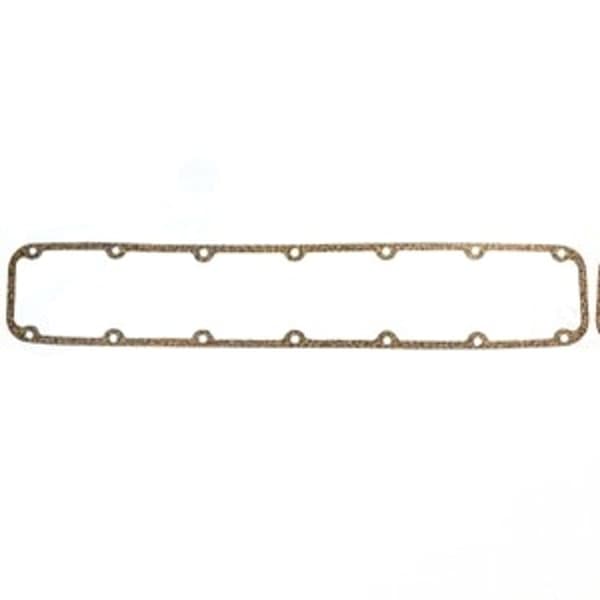
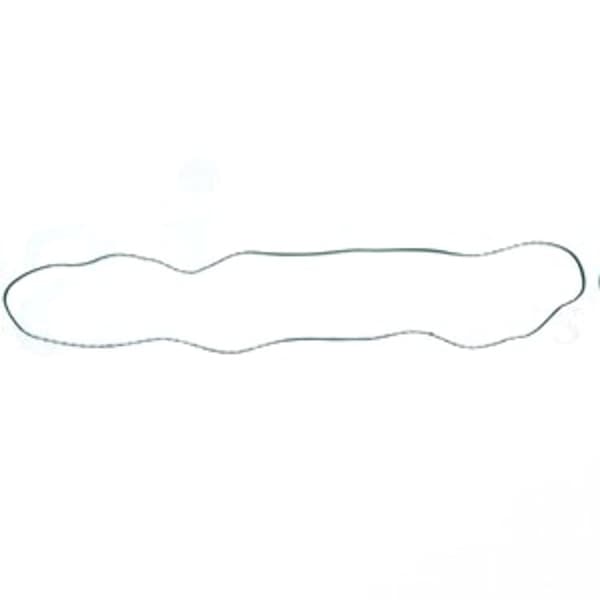
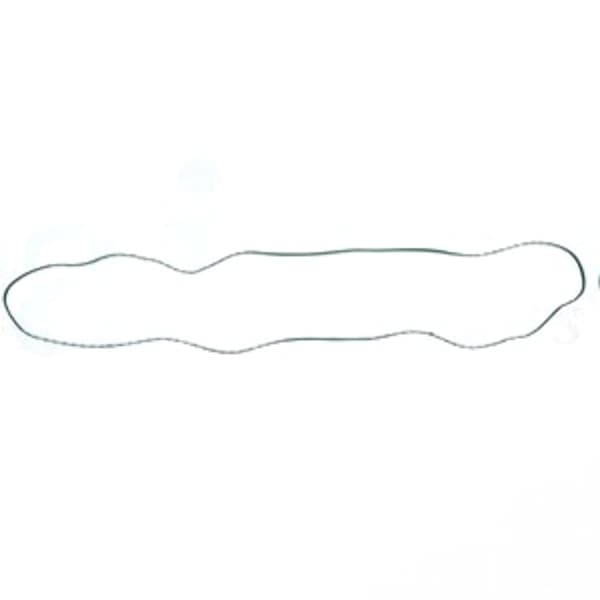
🔍 Looking for a specific part? Try our AI Part Finder — tell it your equipment and what you need, and it will find matching parts instantly.
Common Symptoms of a Leaky Valve Cover Gasket:
- Visible oil leaks around the valve cover. This is the most obvious sign. Look for oil dripping down the side of the engine block, especially after the engine has been running.
- Oil puddles under the tractor. While this could indicate several leaks, check the valve cover area if you suspect a problem.
- Burning oil smell. Oil dripping onto a hot exhaust manifold will create a distinct and unpleasant burning oil odor.
- Low engine oil level. Regularly check your oil level. A consistently low level, even after topping off, could indicate a leak.
- Dirty engine bay. An oily residue coating the engine is a sure sign of a leak somewhere.
Brands Affected: Leaky valve cover gaskets are common across all tractor brands, including John Deere, Case IH, Ford, New Holland, Massey Ferguson, Kubota, Allis Chalmers, Deutz, International Harvester, Oliver, White, Gleaner, Vermeer, Hesston, Mahindra, and Zetor. The good news is that replacing a tractor valve cover gasket is usually a straightforward repair.
Tools and Materials Needed
Before you begin, gather the necessary tools and materials:
- New valve cover gasket (ensure it's the correct one for your tractor model and engine)
- Socket set and wrenches
- Torque wrench
- Screwdrivers (flathead and Phillips)
- Scraper or gasket removal tool
- Clean rags or shop towels
- Degreaser or parts cleaner
- Oil drain pan (if oil spillage is expected)
- Penetrating oil (if bolts are rusted)
- Gloves and safety glasses
- Service manual for your tractor model (highly recommended)
Step-by-Step Valve Cover Gasket Replacement
Safety First: Disconnect the negative battery cable before starting any work on your tractor. This prevents accidental electrical shorts.
- Prepare the Engine: Allow the engine to cool completely before starting. A hot engine can cause burns. Clean the area around the valve cover with degreaser to remove dirt and debris. This will prevent contaminants from entering the engine when the valve cover is removed.
- Remove Obstructions: Disconnect any hoses, wires, or brackets attached to the valve cover. Carefully label and photograph these connections to ensure proper reassembly.
- Loosen the Valve Cover Bolts: Using a socket or wrench, gradually loosen the valve cover bolts in a crisscross pattern. This prevents warping the valve cover. Do not completely remove the bolts yet.
- Remove the Valve Cover: Once the bolts are loose, carefully pry the valve cover away from the cylinder head. A gasket scraper or putty knife can be helpful. Be prepared for some oil spillage.
- Clean the Mating Surfaces: Thoroughly clean the valve cover and cylinder head mating surfaces. Use a gasket scraper to remove any old gasket material. Be careful not to scratch or damage the aluminum surfaces. Clean with parts cleaner and wipe dry.
- Inspect the Valve Cover: Check the valve cover for any cracks, warpage, or damage. Replace the valve cover if necessary. Also, inspect the valve cover bolts for damage or corrosion. Replace as needed.
- Install the new gasket: Position the new valve cover gasket onto the valve cover or cylinder head, depending on the design. Ensure it is properly seated in the groove or channel. Some gaskets may require a sealant; consult your service manual or the gasket manufacturer's instructions.
- Reinstall the Valve Cover: Carefully position the valve cover onto the cylinder head, aligning the bolt holes. Install the valve cover bolts and tighten them by hand.
- Torque the Bolts to Specification: Using a torque wrench, tighten the valve cover bolts to the manufacturer's specified torque in a crisscross pattern. Overtightening can damage the valve cover or gasket. Consult your service manual for the correct torque specifications. For example, many Ford tractor engines (like those found in the 8N, 600, and 800 series) have valve cover bolts that require only around 5-7 ft-lbs of torque. John Deere models, particularly the 3-cylinder engines found in the 30 series, might have slightly different specs, so always check your manual.
- Reinstall Obstructions: Reconnect any hoses, wires, or brackets that were removed in step 2. Refer to your labels or photographs to ensure proper reassembly.
- Reconnect the Battery: Reconnect the negative battery cable.
- Start the Engine and Check for Leaks: Start the engine and let it run for a few minutes. Carefully inspect the valve cover area for any oil leaks. If you find a leak, tighten the bolts slightly, but do not overtighten.
Troubleshooting Common Issues
- Persistent Leaks: If the leak persists after replacing the gasket, double-check the torque on the bolts. Also, ensure the mating surfaces are clean and free of damage. A warped valve cover can also cause leaks, even with a new gasket. Consider replacing the valve cover.
- Broken Bolts: If a valve cover bolt breaks, carefully extract the broken portion using a screw extractor. If this is not possible, you may need to drill out the bolt and tap the hole.
- Incorrect Gasket: Ensure you have the correct valve cover gasket for your tractor model and engine. Using the wrong gasket can result in leaks or damage. Double-check your parts against the old gasket before installation.
Valve Cover Gasket Replacement: Specific Brands and Models
While the general procedure is similar across different brands and models, there can be slight variations. Here are some common considerations for specific tractor brands:
- John Deere: John Deere valve cover gaskets are generally readily available. Refer to your John Deere parts catalog for the correct part number. For example, a John Deere 4020 might use a different gasket than a John Deere 3020. For head gasket and valve train work, consider a John Deere head gasket set.
- Case IH: Case IH tractors often have more complex valve cover designs. Pay close attention to the orientation of the gasket during installation. Consider a Case IH engine rebuild kit if you are planning major engine work.
- Ford/New Holland: Ford tractors, particularly older models, may have valve covers that are prone to warping. Inspect the valve cover carefully before reinstalling. A Ford tractor engine rebuild kit may be in order if your engine shows other signs of wear.
- Massey Ferguson: Massey Ferguson tractors often use cork gaskets, which require careful handling to prevent damage.
- Kubota: Kubota valve cover gaskets are typically very durable, but they can still fail over time. Ensure you use a genuine Kubota replacement gasket.
Preventative Maintenance
To prolong the life of your valve cover gasket, consider these preventative maintenance tips:
- Regularly check your engine oil level. Low oil levels can cause the engine to run hotter, which can damage the gasket.
- Use the correct engine oil for your tractor model and operating conditions.
- Avoid overheating the engine. Overheating can damage the gasket and other engine components.
- Inspect the valve cover area for leaks during regular maintenance checks.
Other Related Parts
While replacing your valve cover gasket, it's a good time to inspect other engine components for wear or damage. Consider checking:
- Head Gasket: If you're already working on the valve cover, inspect the head gasket for leaks as well. Learn more in our guide about tractor head gaskets.
- Piston Rings: Worn piston rings can contribute to oil consumption and pressure in the crankcase, which can exacerbate valve cover leaks. Consider replacing the tractor piston rings.
- Main Bearings: Inspect the tractor main bearings for excessive wear.
- Radiator and Water Pump: Ensure your cooling system is functioning properly to prevent overheating.
- Starter and Alternator: Check these components for proper operation.
- Fuel Pump, Carburetor, and Injectors: Ensure proper fuel delivery.
- Filters: Replace air, fuel, and oil filters regularly.
Replacing a tractor valve cover gasket is a relatively simple repair that can prevent more serious engine damage. By following these steps and taking the necessary precautions, you can save yourself time and money. Remember to always consult your service manual for specific instructions and torque specifications for your tractor model.
Shop Tractor Parts at Madison Tractor Company
Madison Tractor Company is your trusted source for high-quality tractor parts and accessories. We carry a wide selection of valve cover gaskets and other engine parts for all major tractor brands, including John Deere, Case IH, Ford, New Holland, Massey Ferguson, Kubota, and more. Whether you need a John Deere part, a Case IH part, or parts for any other make, we have you covered. Shop our online catalog today and get your tractor back to work! We offer competitive prices, fast shipping, and expert customer service. You can also use our AI-Powered Part Finder to search for parts by your specific make and model.
Part of our comprehensive guide
Tractor Engine Rebuild Guide: Kits, Parts & When to Overhaul