








Tractor Exhaust Manifold: Cracked Manifold Replacement
A cracked tractor exhaust manifold can lead to power loss, increased fuel consumption, and potential engine damage. This guide covers the symptoms, causes, and replacement procedures for a cracked manifold.
The tractor exhaust manifold is a critical component responsible for channeling exhaust gases away from the engine cylinders. A cracked manifold can lead to a variety of problems, including reduced engine performance, increased noise, and potential safety hazards. This guide will walk you through identifying a cracked manifold, understanding the common causes, and providing step-by-step instructions for replacement. Whether you operate a John Deere, Case IH, Ford, New Holland, Massey Ferguson, or any other major brand, this information will help you keep your tractor running smoothly. And if you're thinking about bigger projects, be sure to check out our John Deere Engine Rebuild Kit: 3-Cyl, 4-Cyl & 6-Cyl for comprehensive engine overhaul options.
Recommended Parts for This Guide
9 parts we recommend — in stock, ships fast, one-click add to cart.
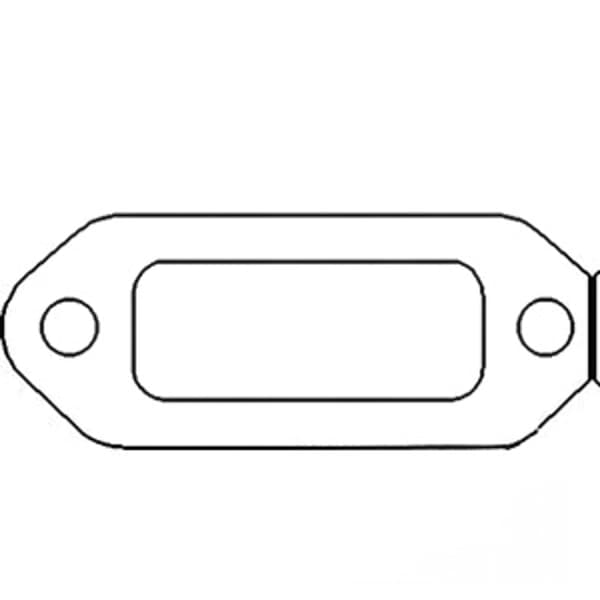
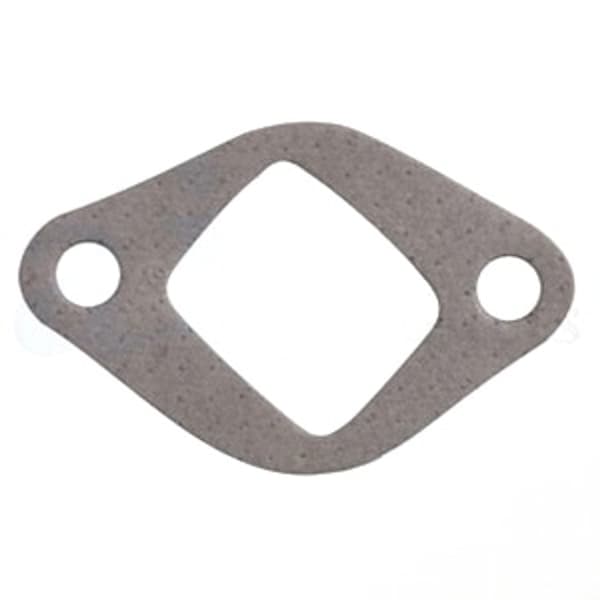
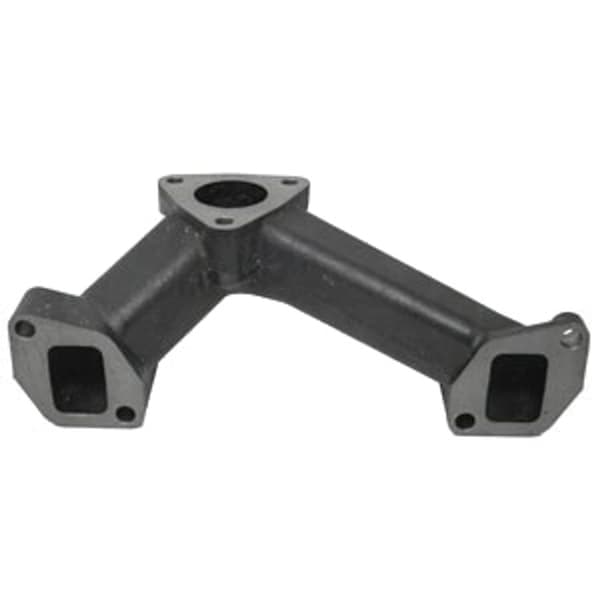
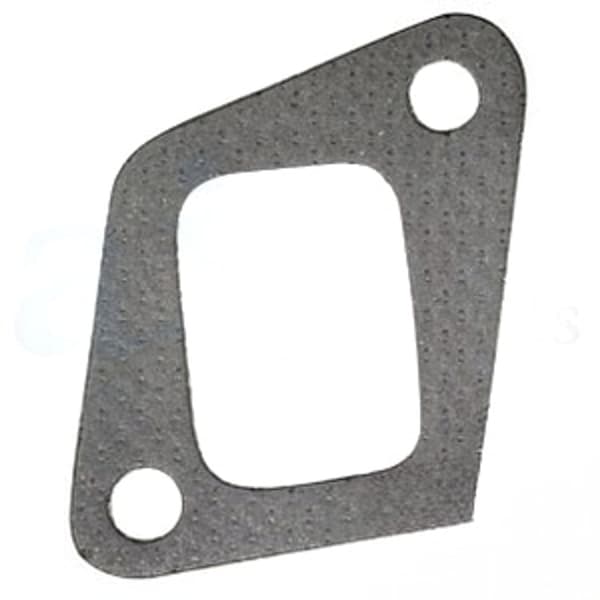
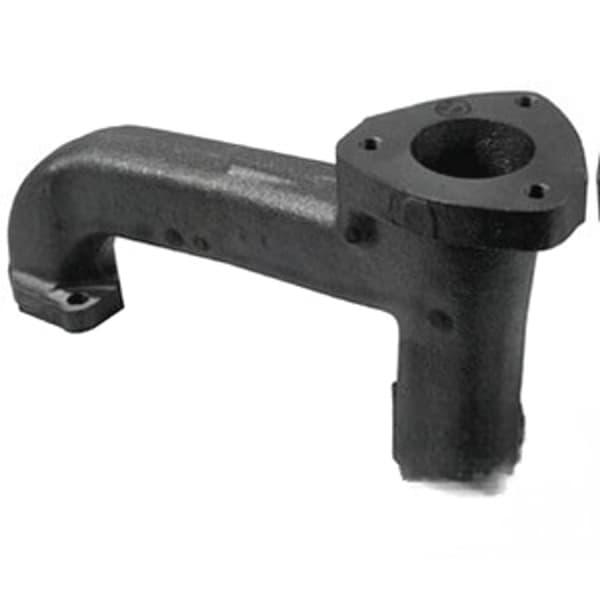

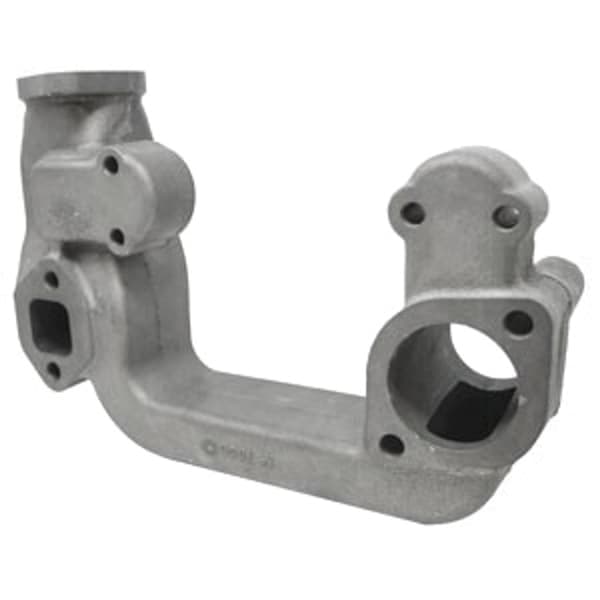
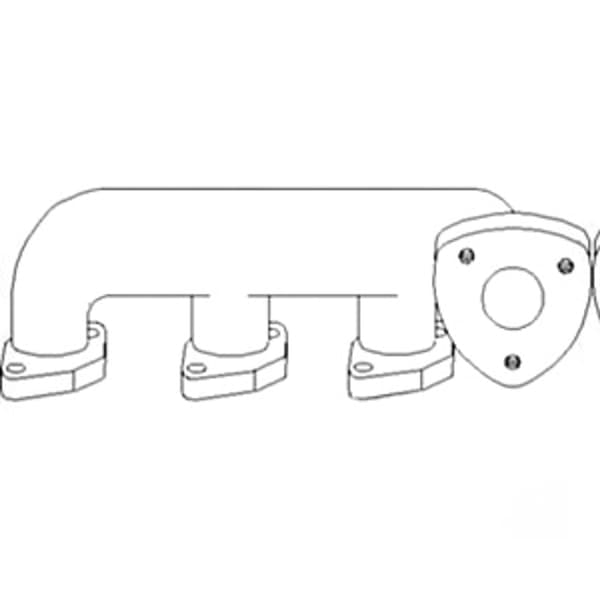
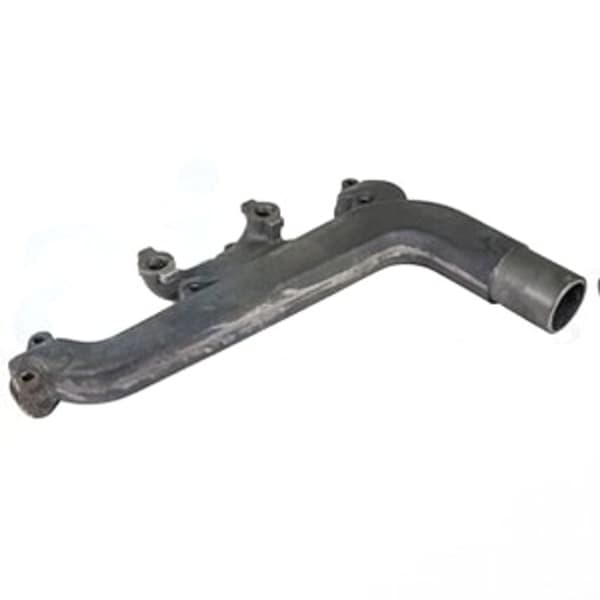
🔍 Looking for a specific part? Try our AI Part Finder — tell it your equipment and what you need, and it will find matching parts instantly.
Identifying a Cracked tractor exhaust manifold
Early detection of a cracked manifold can prevent further damage and costly repairs. Here are the common signs to look for:
- Exhaust Leaks: This is the most obvious symptom. You might hear a hissing or puffing sound, especially during cold starts. The sound often diminishes as the manifold heats up and expands, temporarily sealing the crack.
- Reduced Engine Power: A cracked manifold disrupts the exhaust flow, leading to decreased engine efficiency and power output. You might notice your tractor struggling to maintain speed or pull heavy loads.
- Increased Fuel Consumption: An inefficient engine burns more fuel. Keep an eye on your fuel usage to see if it's higher than usual.
- Visible Cracks: Inspect the manifold for visible cracks, especially around the mounting flanges and areas of high stress. Sometimes, soot buildup around the cracks can make them easier to spot.
- Exhaust Fumes in the Cab: Cracks allow exhaust gases to escape, potentially entering the cab and exposing you to harmful fumes.
- Check Engine Light (If Equipped): Some newer tractors have oxygen sensors that can detect exhaust leaks, triggering the check engine light.
- Rough Idle: A vacuum leak caused by the cracked manifold can affect the air-fuel mixture, resulting in a rough or uneven idle.
Causes of Tractor Exhaust Manifold Cracks
Several factors can contribute to exhaust manifold cracks:
- Thermal Stress: Repeated heating and cooling cycles cause the manifold to expand and contract, eventually leading to fatigue and cracking. This is especially common in tractors that experience frequent cold starts and heavy use.
- Vibration: Engine vibrations can stress the manifold, particularly at the mounting points. Loose or worn engine mounts can exacerbate this problem.
- Corrosion: Rust and corrosion weaken the manifold material, making it more susceptible to cracking.
- Manufacturing Defects: In rare cases, defects in the casting or manufacturing process can lead to premature failure.
- Improper Installation: Over-tightening or uneven tightening of the manifold bolts can create stress points and lead to cracking.
- Backpressure: Restrictions in the exhaust system, such as a clogged muffler or catalytic converter (if equipped), can increase backpressure and stress the manifold.
Replacing a Cracked Tractor Exhaust Manifold: A Step-by-Step Guide
Safety First! Before starting any repair work, ensure the engine is cool, disconnect the battery, and use jack stands to support the tractor if needed. Wear safety glasses and gloves to protect yourself.
- Gather Your Tools and Parts: You'll need a socket set, wrenches (including a torque wrench), penetrating oil, new manifold gasket, and the new exhaust manifold. Make sure you have the correct Tractor Head Gasket Set before you start, since you'll be working in that area. Check your tractor's service manual for the correct part number for your specific model. For example, a John Deere 4020 might use a different manifold than a John Deere 4230, even though they are similar models. Madison Tractor carries exhaust manifolds for various models, including those for older tractors like the Ford 8N or the International Harvester Farmall series.
- Apply Penetrating Oil: Spray penetrating oil on all the manifold bolts and let it soak for at least 30 minutes. This will help loosen any rusted or corroded fasteners.
- Remove the Old Manifold: Carefully remove the bolts holding the manifold to the cylinder head. Start with the center bolts and work your way outwards in a crisscross pattern to avoid warping the cylinder head. If any bolts are stuck, use heat or a bolt extractor.
- Clean the Mating Surfaces: Use a scraper or wire brush to thoroughly clean the cylinder head and manifold mating surfaces. Remove all traces of the old gasket. Be careful not to damage the cylinder head surface.
- Install the New Gasket: Place the new exhaust manifold gasket onto the cylinder head. Ensure it is properly aligned.
- Install the New Manifold: Carefully position the new exhaust manifold onto the cylinder head, aligning it with the gasket and bolt holes.
- Tighten the Bolts: Install the manifold bolts and tighten them in a crisscross pattern, starting with the center bolts and working outwards. Refer to your tractor's service manual for the correct torque specifications. For example, a typical torque specification for an exhaust manifold bolt on a Massey Ferguson 135 might be around 25-30 ft-lbs. Overtightening can damage the manifold or cylinder head.
- Reinstall Any Removed Components: Reconnect any components you removed during the process, such as exhaust pipes or heat shields.
- Start the Engine: Start the engine and check for exhaust leaks around the manifold. If you detect any leaks, re-torque the bolts or replace the gasket.
Tips for Preventing Future Manifold Cracks
- Regular Inspections: Periodically inspect your exhaust manifold for cracks, corrosion, or loose bolts.
- Proper Torque: Always use a torque wrench when tightening manifold bolts and follow the manufacturer's specifications.
- Engine Mounts: Ensure your engine mounts are in good condition. Replace worn or damaged mounts to reduce vibration.
- Exhaust System Maintenance: Keep your exhaust system in good working order. Address any restrictions or blockages promptly.
- Warm-Up Procedures: Avoid sudden acceleration and heavy loads immediately after starting the engine. Allow the engine to warm up gradually to reduce thermal stress on the manifold.
- Use Quality Parts: When replacing the manifold, choose a high-quality replacement part from a reputable supplier like Madison Tractor. We carry exhaust manifolds for a wide range of tractors, including Kubota, Allis Chalmers, Deutz, Oliver, White, Gleaner, Vermeer, Hesston, Mahindra, and Zetor.
Exhaust Manifold vs. Header
While both exhaust manifolds and headers serve the same basic purpose – channeling exhaust gases away from the engine – they differ in design and performance. Exhaust manifolds are typically cast iron and designed for efficient production and durability. Headers, on the other hand, are usually made from steel tubing and are designed for maximum exhaust flow and performance. Headers are often used in high-performance applications where maximizing horsepower is a priority. Replacing a stock manifold with a header on a tractor is less common than in automotive applications but can be done for specialized uses like tractor pulling.
Other Related Engine Parts
When working on your tractor's exhaust manifold, it's a good idea to inspect other related engine components. Check the condition of your radiator, water pump, and tractor piston rings. If you are nearing the recommended service interval, you may want to consider a full Ford Tractor Engine Rebuild Kit: 3-Cyl & 4-Cyl Diesel. Also, inspect your filters (air, fuel, and oil) and replace them if necessary. Maintaining these components will help ensure optimal engine performance and longevity. Don't forget to check your Tractor Main Bearing Set: Standard & Undersize during rebuilds as well.
Specific Brand Considerations
Different tractor brands have different exhaust manifold designs and potential issues. For example, some older Case IH models might be prone to manifold cracking due to specific casting flaws. Similarly, certain New Holland tractors might have issues with exhaust manifold gasket failures. Always consult your tractor's service manual for specific recommendations and torque specifications. When ordering parts, providing your tractor's model and serial number will help ensure you receive the correct components. We carry a wide array of parts, including Case IH Engine Rebuild Kits and Perkins Engine Rebuild Kits. Remember to check your tractor head gasket when replacing the manifold.
By following these steps and tips, you can successfully replace a cracked tractor exhaust manifold and keep your machine running smoothly. Remember to always prioritize safety and consult your tractor's service manual for specific instructions and torque specifications.
Example OEM Part Numbers:
- John Deere: RE504836 (Various Models)
- Case IH: 3910654 (Various Models)
- Ford New Holland: 81874596 (Various Models)
Example Torque Specifications:
- John Deere 4020: 30-35 ft-lbs
- Ford 8N: 25-30 ft-lbs
These values are examples only. Consult your service manual for your specific application.
Madison Tractor carries a wide selection of tractor parts, including exhaust manifolds, gaskets, and engine rebuild kits. We offer parts for John Deere, Case IH, Ford, New Holland, Massey Ferguson, Kubota, and many other brands. Browse our online catalog or contact our knowledgeable parts experts for assistance in finding the right parts for your tractor.
Keep your tractor running strong! Whether you need radiators, water pumps, starters, alternators, hydraulic pumps, cylinders, clutch kits, PTO parts, fuel pumps, carburetors, injectors, filters, gaskets, pistons, bearings, seals, belts, chains, concaves, or sickle sections, Madison Tractor has you covered.
Shop Tractor Parts at Madison Tractor Today! Find Your Parts Here
🔍 Can't Find Your Part?
Use our AI-Powered Part Finder to search by your equipment's make, model, and what you need. It's the fastest way to find the exact part for your machine.
Try the Part Finder →Part of our comprehensive guide
Tractor Engine Rebuild Guide: Kits, Parts & When to Overhaul